Makeup forPale Skin and Blue Eyes
Pale skin and blue eyes is a double-cool combination with specific makeup rules. Discover which tones look natural on you — and which to skip.
Pale skin and blue eyes share a cool, clear quality — and that combination responds to makeup with particular precision. The right shades make blue eyes look vivid and pale skin luminous. The wrong ones wash both features out or create odd temperature clashes. The strategy is specific: complement the cool quality of both features, or create deliberate warm contrast for the eyes. There's no useful middle ground.


3,000+
happy clients
Why Pale Skin and Blue Eyes Have Shared Makeup Logic
Pale skin and blue eyes share a cool, clear quality — and that combination responds to makeup with particular precision. The right shades make blue eyes look vivid and pale skin luminous. The wrong ones wash both features out or create odd temperature clashes. The strategy is specific: complement the cool quality of both features, or create deliberate warm contrast for the eyes. There's no useful middle ground.
Pale skin and blue eyes both exist in the cool temperature register. Pale skin typically has pink, rosy, or neutral-cool undertones. Blue eyes have a cool, clear quality that's distinct from warm brown or hazel. When you have both, your coloring has an inherent cool clarity — makeup that honors this looks polished and intentional. Makeup that fights it looks off, even if you can't immediately identify why.
The two color strategies that work for this combination are temperature harmony (cool-toned makeup that echoes the cool skin and eye color) and complementary contrast (warm, orange-adjacent tones near the eyes, since orange is the complementary color of blue — these make blue eyes appear more vivid by contrast). Both are effective; they create different looks.
What doesn't work: muddy warm neutrals that introduce warmth without the pure complementary payoff. A mid-toned warm brown eyeshadow on pale skin with blue eyes looks neither complementary nor cool — it introduces temperature conflict without the striking contrast of a true complementary warm tone.
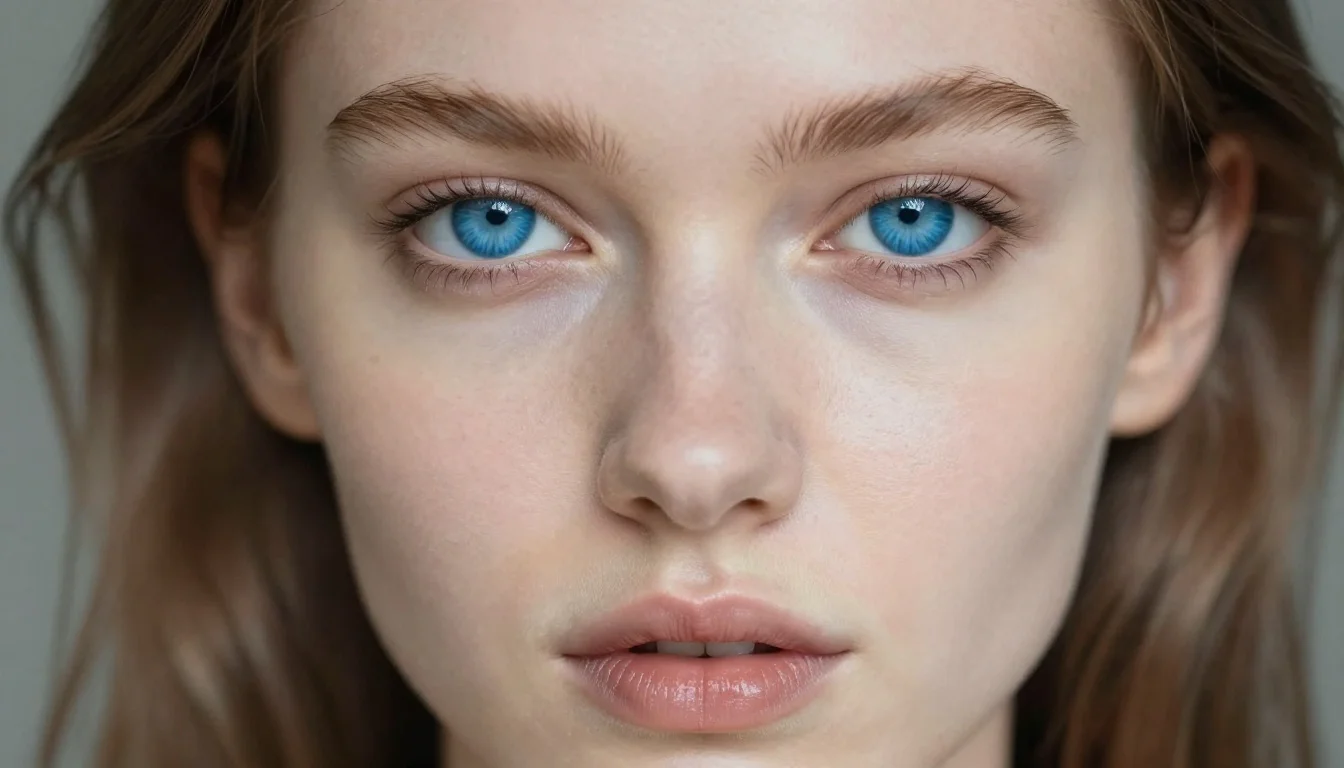
What eyeshadow makes blue eyes pop on pale skin?
Soft terracotta and muted warm copper create the most vivid blue-eye contrast through complementary color theory — orange is the complementary color of blue. Keep these warm tones dusty and muted rather than vivid. Deep charcoal creates depth and makes blue eyes look more vivid by contrast. Avoid blue eyeshadow, which blends with the iris rather than contrasting.
Your Best Makeup Shades
Foundation & Base: Pink-Cool to Neutral-Cool
Pale skin needs a foundation undertone that matches its cool quality — pink, rosy, or true neutral, not peachy or warm beige. Getting this right is foundational (literally): the correct undertone creates a seamless skin-like finish that makes the face look even and luminous. A warm-toned foundation on cool pale skin creates an obvious mask effect that makes the eye and lip work look forced.
Eyeshadow: Complement & Deepen Blue Eyes
For blue eyes, soft terracotta and warm copper create complementary contrast — orange's complementary relationship with blue makes blue eyes look more vivid. This is the most effective eye-enhancing strategy. The key is "soft" — muted, dusty terracotta rather than vivid orange, to avoid temperature clashing with pale skin. Deep charcoal creates resonant depth that makes the whites of the eyes look brighter and blue irises more vivid. Cool plum picks up any blue-pink quality in pale skin while adding depth.
Blush: Soft Peach, Rose & Warm Nude
Blush for this combination serves dual duty: adding warmth to pale skin and creating tonal framing around the blue eyes. Soft peach-pink is the sweet spot — warm enough to create a natural flush on pale skin, pink enough not to fight the cool undertone. Dusty rose stays in the cool register and creates a clean, porcelain-skinned effect. Avoid hot pink and cool berry for blush — both create artificial color against the pale skin.
Lip: Classic Red, Rose & Muted Coral
Pale skin and blue eyes carry lip color beautifully — the combination has enough contrast to make bold lip look striking rather than overwhelming. A classic red (especially a blue-based red) is the iconic choice: pale skin, red lip, blue eyes creates a high-contrast beauty look with long pedigree. Warm rose is your most versatile everyday option. Muted terracotta adds warmth and a modern quality. Deep berry creates cool drama for evenings.

Ready to see yourself in porcelain & pink neutral?
Start my color analysisHow to Apply Makeup for Pale Skin and Blue Eyes
The complementary eye strategy
Apply soft terracotta or muted warm copper eyeshadow to the crease and outer corner — this creates the complementary contrast that makes blue eyes look more vivid without looking unnatural on pale skin. Keep the warmth muted and dusty: you're using the color theory effect, not making a statement with warm color. Add a light sheer lid wash in a warm champagne, then deepen the outer corner with the terracotta. Finish with black or deep brown mascara. Blue eyes will look significantly more vivid than with neutral taupe alone.
The cool clarity strategy
An alternative to the warm-contrast approach: lean into the cool quality of your combination. Use cool charcoal or deep grey eyeshadow, cool rose or dusty mauve blush, and a blue-based red or berry lip. This creates a unified cool aesthetic that looks polished and intentional on pale skin with blue eyes. The look photographs exceptionally well. It's a more editorial approach than the warm-contrast strategy, but equally flattering.
Blush placement for pale skin
Apply blush lightly on the apples of the cheeks and blend upward. On pale skin, blush shows up more intensely than you expect — start with much less than you think you need, then add. For this combination, keep blush soft and natural; the eye work and lip color are your statement. Blush functions as support rather than focal point. A sheer brush with a light dusting achieves the effect without overwhelming the look.
Keeping the base luminous
Pale skin with blue eyes benefits from a luminous base rather than a matte one. Skin-like coverage with a slight glow makes pale skin look healthy and alive rather than flat. Use a serum foundation or skin-tint as your base, add coverage only where needed (undereye, redness), and press a very light amount of luminous setting powder over the top rather than heavy matte powder. This creates the porcelain-luminous quality that makes the whole combination look striking.
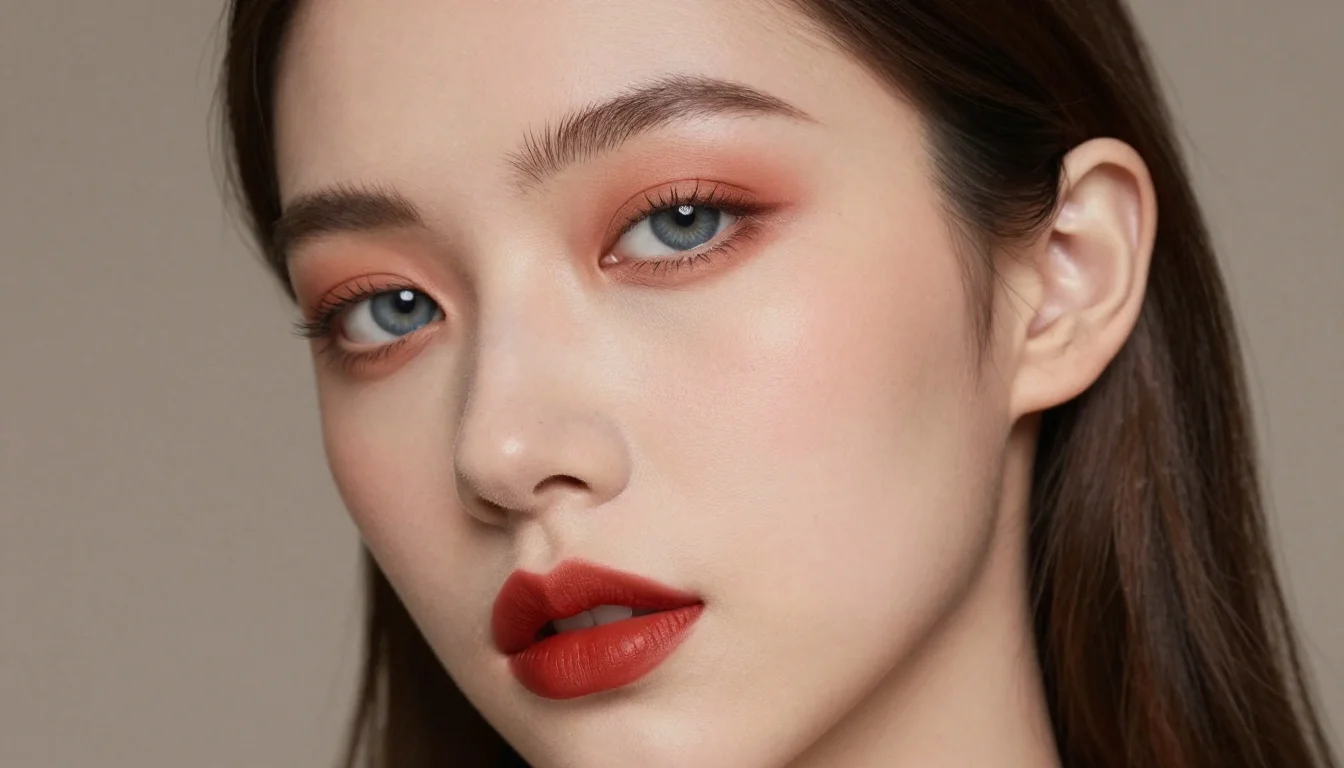
Makeup That Fights Pale Skin and Blue Eyes
Vivid orange eyeshadow
Soft terracotta and dusty warm tones create complementary eye contrast effectively. Vivid orange is too intense — it creates too much temperature conflict with pale skin and reads as theatrical rather than striking. The complementary payoff for blue eyes comes from muted, complex warm tones: terracotta, warm taupe, dusty copper. Pure vivid orange is the wrong version of this strategy.
Warm golden foundation
Golden or warm-beige foundation on cool pale skin creates a mask effect — the warm tone of the product sits on top of the cool skin and announces itself as makeup. The face reads warmer than the neck and chest. Match the cool undertone in your foundation to make it disappear rather than announce itself.
Blue or purple eyeshadow for eye enhancement
Blue eyeshadow on blue eyes creates tonal match rather than contrast — the eyes blend into the shadow rather than popping against it. The colors that make blue eyes vivid are on the opposite side of the color wheel (warm orange-red), not the same side. Deep navy liner works as a frame because of its darkness, but blue eyeshadow reduces the visible vividness of the irises.
Hot pink or fuchsia blush
High-saturation pink blush on pale skin creates theatrical redness and competes visually with blue eyes for attention. Pale skin amplifies blush intensity — less product goes further. Use soft, muted blush tones and build gradually. The goal is natural flush that frames the face, not a second feature competing with vivid blue eyes.
Stop guessing — preview every shade on you
See myself in my shadesMakeup Swaps for Pale Skin and Blue Eyes
Small changes that make blue eyes more vivid and pale skin more luminous.
Warm brown sits in the temperature middle ground — not warm enough for complementary contrast with blue eyes, not cool enough for cool harmony. Terracotta creates complementary pop; charcoal creates cool depth.
Peachy warmth over cool pale skin creates a mask effect. Cool-undertone foundation blends into the skin and looks like nothing — which is the goal.
Intense blush on pale skin competes with blue eyes visually. Soft peach-pink adds warmth naturally; dusty rose keeps the cool clarity without overpowering.
Orange-red creates temperature conflict with cool pale skin. Blue-based red is the cool-undertone classic; warm rose works for everyday impact without the full red-lip commitment.
White or nude liner on the waterline makes pale skin eyes look more open and makes the blue iris pop further. Brown fades against pale skin with blue eyes.
Golden shimmer introduces warmth that conflicts with cool pale skin. Cool champagne or pearl resonates with the skin's undertone and the clarity of blue eyes.
Which Seasonal Palette Might Be Yours?
Pale skin with blue eyes is common across several cool seasonal palettes. Your specific season depends on your overall contrast level, your exact undertone, and whether your coloring is vivid or soft.
Cool Winter
Learn moreIf your pale skin is very clear and your blue eyes are vivid — and you have high overall contrast (dark hair or vivid features against fair skin) — Cool Winter is a strong match. Your makeup works at maximum saturation: bold berry lip, deep charcoal smoky eye, and precise cool liner.
Cool Summer
Learn moreIf your pale skin has a soft, rosy quality, your blue eyes are medium-vivid rather than piercing, and your overall coloring is gentle rather than high-contrast, Cool Summer may be yours. Your makeup is soft and cool: dusty rose blush, muted berry lip, cool taupe eyeshadow.
Light Summer
Learn moreIf your pale skin is very fair and delicate, your blue eyes are soft or grey-blue, and your overall coloring is light with low contrast, Light Summer fits. Your makeup is light-handed and delicate: sheer peach-pink blush, barely-there rose lip, soft champagne eyeshadow.
Find Your Exact Makeup Shades
Pale skin and blue eyes is a striking combination — but the exact shades that make your eyes most vivid and your skin most luminous depend on your specific undertone, your eye vividness, and your seasonal palette. A personalized color analysis identifies exactly which warm terracottas, cool charcoals, and rose tones will work for your specific combination.

Related Guides for Makeup for Pale Skin and Blue Eyes
Explore more personalized color advice based on your features.
Want to see these colors on you? What Colors Look Good on Me — free to try.
Frequently Asked Questions About Makeup for Pale Skin and Blue Eyes
What eyeshadow makes blue eyes pop on pale skin?
Soft terracotta and muted warm copper create the most vivid blue-eye contrast through complementary color theory — orange is the complementary color of blue. Keep these warm tones dusty and muted rather than vivid. Deep charcoal creates depth and makes blue eyes look more vivid by contrast. Avoid blue eyeshadow, which blends with the iris rather than contrasting.
What blush is best for pale skin with blue eyes?
What lipstick looks best on pale skin and blue eyes?
Classic red — particularly a blue-based, cool red — is the iconic choice for pale skin and blue eyes. It creates striking high-contrast impact. Warm rose is the versatile everyday option. Deep berry works for cool, moody evenings. Avoid orange-red, which creates temperature conflict with cool pale skin.
What foundation should I use for pale skin and blue eyes?
Match the undertone to cool rather than warm: look for pink-cool, rosy, or neutral-cool foundations. The right foundation disappears into the skin rather than sitting on top. Choose skin-tint or light coverage for a luminous finish — heavy matte coverage can make pale skin look flat.
Should pale skin with blue eyes wear warm or cool makeup?
Both work, for different effects. Cool makeup (charcoal, berry lip, mauve blush) creates polished cool-temperature harmony. Warm muted tones near the eyes (soft terracotta, warm copper) create complementary contrast that makes blue eyes more vivid. Avoid the middle ground: mid-range warm-neutral makeup that's neither clearly cool nor clearly complementary tends to look muddy against this combination.