Makeup for Pale Skinand Dark Hair
Pale skin and dark hair creates the highest natural contrast in beauty. Discover which tones look natural on you — and which to skip.
Pale skin and dark hair is one of the most dramatically beautiful combinations in beauty — a contrast that most people can only achieve with hair dye. The challenge is makeup that matches the scale of this contrast rather than shrinking from it. Soft, understated makeup can look washed out against the intensity of dark hair framing fair skin. Bold definition, vivid lip colors, and precise eye work look proportionate and intentional. This is the combination where 'more' frequently works better than 'less.'


3,000+
happy clients
Why High Contrast Coloring Needs Bold Makeup
Pale skin and dark hair is one of the most dramatically beautiful combinations in beauty — a contrast that most people can only achieve with hair dye. The challenge is makeup that matches the scale of this contrast rather than shrinking from it. Soft, understated makeup can look washed out against the intensity of dark hair framing fair skin. Bold definition, vivid lip colors, and precise eye work look proportionate and intentional. This is the combination where 'more' frequently works better than 'less.'
Pale skin and dark hair creates a natural high-contrast frame. The darkness of the hair amplifies the lightness of the skin, and vice versa — the face sits within a stark border of dark that draws immediate attention. This is contrast working visually: the eye is drawn to the intersection of opposites. Makeup for this combination works best when it provides definition and focal points that match the scale of this natural contrast.
The risk of underplaying makeup on this combination is appearing washed out. Pale skin by itself lacks the mid-tone warmth that fair-to-medium skin has — it's the lightest stop on the spectrum. Dark hair frames it with maximum contrast. Minimal or very pastel makeup in this context can make the face look like it's disappearing into the hair frame, rather than occupying the space confidently.
The risk of overplaying is equally real: because this combination handles boldness well, it's easy to stack too many features at once. The effective approach is to choose one focal point — bold lip, dramatic eye, or strong brow — and keep the others clean and precise. The contrast in the overall look (dark hair, pale skin) provides enough visual interest without requiring every facial feature to compete simultaneously.
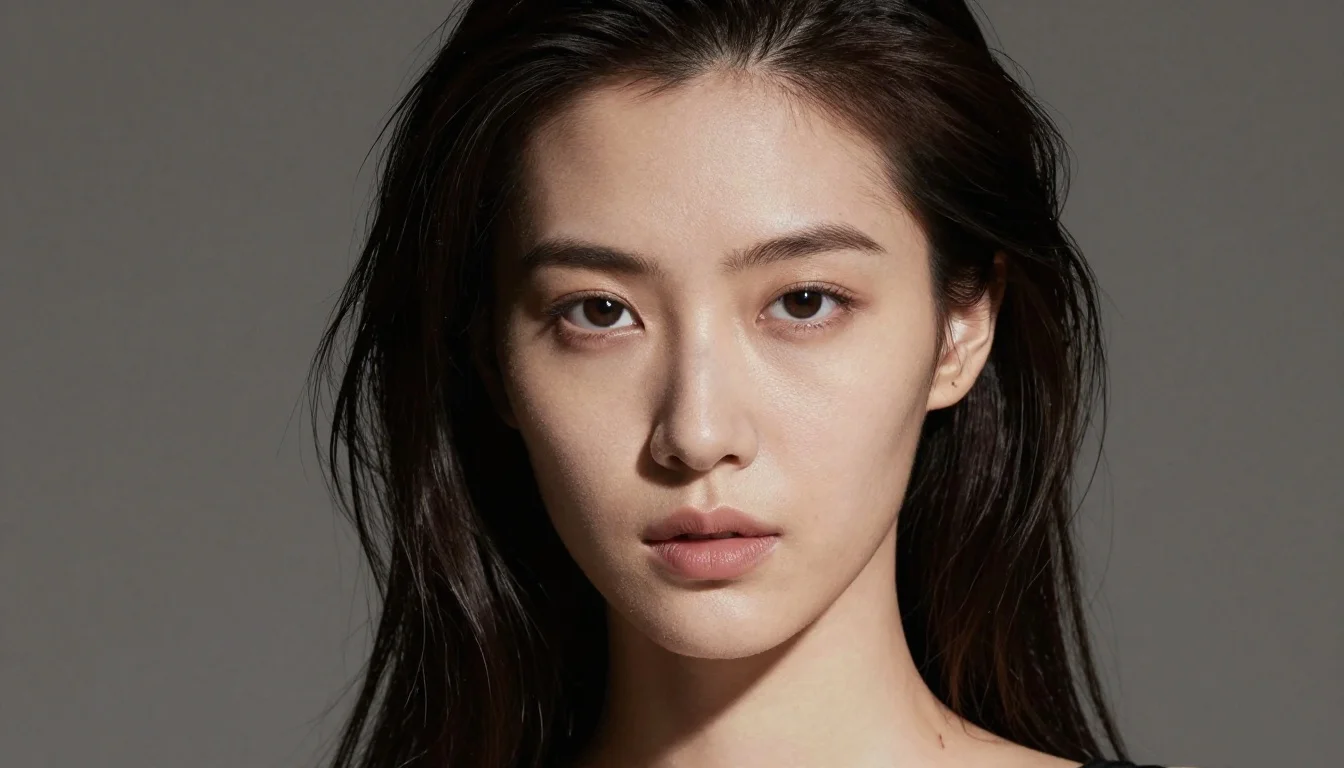
What makeup looks best on pale skin and dark hair?
Bold, vivid lip colors (classic red, deep berry, wine) are the most iconic and effective choices — dark hair provides the contrast that makes bold lips look intentional rather than overdone. Smoky charcoal or deep espresso eye looks create drama that matches the scale of the combination's natural contrast. Soft cool-pink blush and cool-neutral foundation complete a look that's porcelain-clean and deliberately defined.
Your Best Makeup Shades
Lip Color — Red, Berry & Cool-Vivid Shades
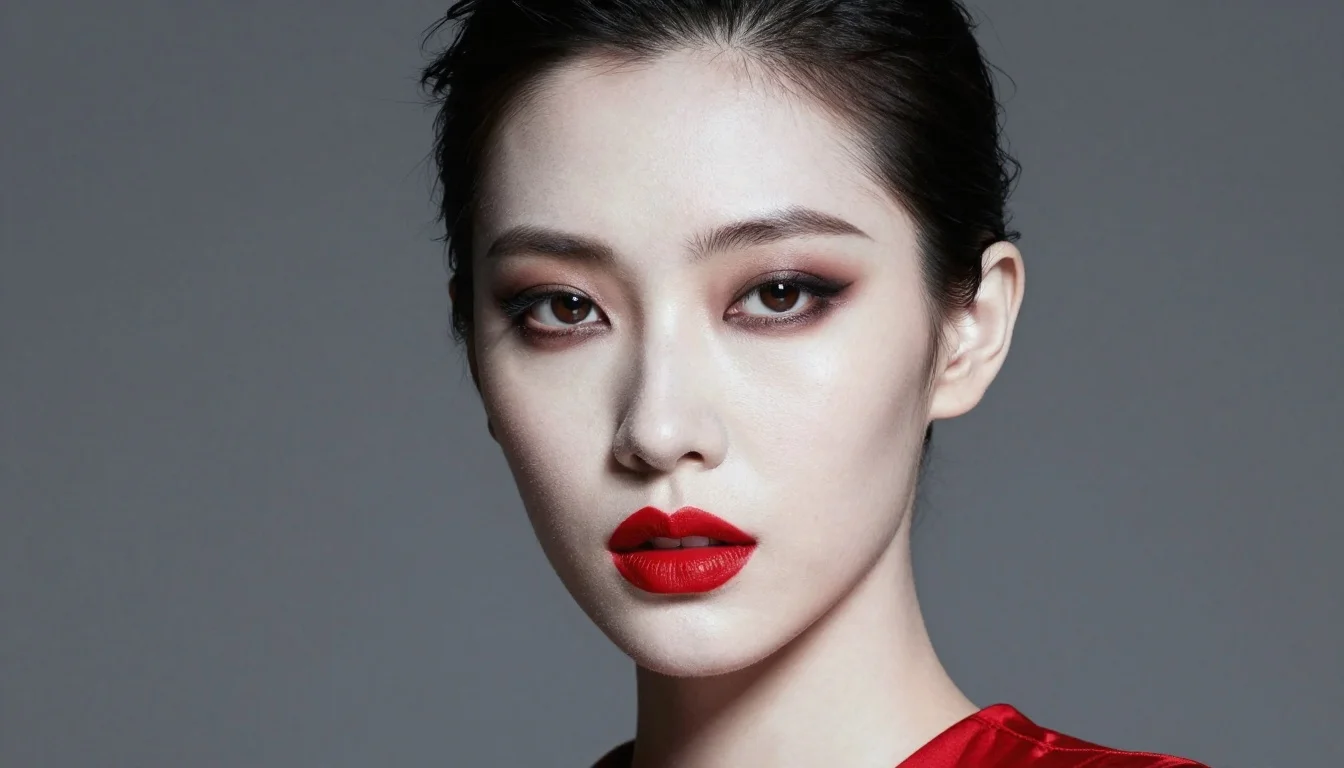
The iconic makeup look for pale skin and dark hair is the bold, vivid lip — and it's iconic for good reason. A classic red lip against pale skin and dark hair creates the highest possible makeup impact without requiring any additional effort. The combination's natural contrast provides all the context the lip needs. Deep raspberry and cool berry are equally effective for cooler-toned fair skin. Wine and deep plum add drama for evening. Choose shades that have a cool or neutral undertone rather than orange-based warm reds, which can fight the cool undertone common in pale skin.
Eye — Kohl Black, Deep Brown & Smoked Tones
Dark eye definition works beautifully against pale skin — the contrast creates drama that looks intentional rather than harsh. Black kohl liner at the lashline gives the eyes definition that reads as sharp against very fair skin. Smoky charcoal or deep espresso eyeshadow creates the classic pale-skin dramatic eye look. Deep plum or navy at the outer corner adds dimension while staying within the cool register that suits pale, potentially cool-undertoned skin. The depth of dark hair means you can handle darker eye looks without looking overdone — the hair anchors the intensity.
Foundation & Base — Cool-Neutral Porcelain
Foundation for pale skin needs to match both the depth (very fair) and the undertone (often cool-neutral to cool-pink for dark-haired fair skin). Porcelain and cool-neutral ivory shades work for most pale skin with dark hair — avoid warm or golden formulas, which create an orange undertone conflict against cool-toned pale skin. Light-reflecting formulas and skin-finish foundations create luminosity that makes pale skin look porcelain-clean rather than flat. Translucent setting powder in the lightest shade sets without adding warmth.
Blush & Contour — Soft Pink & Cool-Toned Depth
Blush for pale skin with dark hair should be present but not overpowering — the goal is warmth and dimension, not a competing focal point when the lip is bold. Soft cool pink blush adds warmth without fighting pale skin's cool undertone. A sheer berry stain creates a more natural, skin-like flush. For contour, a cool taupe (no warmth) creates subtle shadow on fair skin without creating an orange band. Icy highlight in the highest points of the cheekbones gives luminosity that complements rather than fights pale skin.

Ready to see yourself in red & raspberry?
Start my color analysisHow to Apply Makeup for Pale Skin and Dark Hair
Choose one bold focal point
The most effective approach for pale skin and dark hair is to select one bold element and keep everything else precise and clean. Bold lip + minimal eye: a classic red or deep berry lip with clean skin, defined brows, and mascara only — the lip reads brilliantly against the pale skin and dark hair. Bold eye + natural lip: smoky charcoal eye with a warm nude lip — the smoky eye has context from the natural contrast and doesn't look overdone. Never bold eye + bold lip without an occasion to match — the combination can overwhelm even this high-contrast coloring.
Skin prep creates the porcelain-clean base
Pale skin in this combination reads best when it's luminous and even — the goal is porcelain, not flat. Use a lightweight, light-diffusing primer to create even luminosity before foundation. Apply foundation with a damp beauty sponge for the most skin-like finish. Set with the lightest possible translucent powder only where necessary. A luminous or satin finish foundation reads more naturally on pale skin than full matte — it has the subtle glow that makes very fair skin look alive rather than flat.
The brow frame is essential
Dark hair creates a strong frame for the face that includes the brow area. Pale skin with dark hair benefits from defined brows — not dramatically overdrawn, but precise and present. Natural-looking filled brows complete the high-contrast frame. If your brows are naturally sparse or very light, filling them to match your hair creates cohesion between the dark hair and the defined brow. Use a pencil or powder one shade lighter than your hair for natural results.
Layer for intensity — do not start with maximum coverage
For eye looks, build intensity from light to dark rather than starting with the deepest color. Begin with a neutral matte base, add medium tone in the crease, and concentrate the deepest shade at the outer corner and lashline. This creates gradient depth rather than a flat block of dark color. The same principle applies to lip color — build with a liner first, then fill with lipstick, then clean the edges. Layering creates richer, more dimensional color than a single application.
Makeup That Flattens This High-Contrast Combination
Warm, orange-based foundation
Warm-toned foundations create an orange or yellow cast against cool-undertoned pale skin, resulting in an obvious mask effect. The contrast between warm-foundation skin and very cool or neutral complexion creates an unnatural, disconnected look. Look for foundation descriptors like 'cool,' 'neutral,' 'porcelain,' or 'ivory' rather than 'warm,' 'golden,' or 'beige with warm undertone.'
Pastel and very pale makeup overall
Very pastel eyeshadow, pale nude lips, and soft pink blush can make the face look washed out against the intensity of dark hair. The scale of the natural contrast (pale skin meets dark hair) means makeup needs enough presence to read at that scale. Very soft or pale products lack the presence. If you want a subtle look, focus one strong element (precise liner or clean brows) and keep the rest clean — not pale, but clean.
Orange-red lipstick
Orange-based reds fight the cool undertone of most pale skin with dark hair, creating a clashing warmth rather than the classic elegance of true cool-to-neutral red. Look for red lipsticks with blue undertones (true cool red), neutral reds (neither warm nor cool), or with wine-dark depth. Swatch orange-based reds on your wrist against your skin before applying — if it looks slightly too warm or peachy against your skin, it will look even more so on your face.
Heavy bronzer
Bronzer on pale skin can easily look orange or fake, especially with dark hair that removes any ambiguity about warmth. Contouring with a cool taupe is more effective for creating dimension. If you want a warm glow, use the lightest-possible golden tint in a luminous base rather than bronzer. Heavy bronze tones that look sun-kissed on tan skin look like product on very fair skin.
Stop guessing — preview every shade on you
See myself in my shadesYour Makeup Bag, Upgraded
Swaps that match the scale of pale skin and dark hair contrast.
Warm ivory creates an orange undertone conflict against the cool tone common in pale skin. Cool-neutral matches the skin's natural temperature and creates a seamless base.
Pale pink can disappear against the intensity of dark hair framing pale skin. Classic red and deep berry create the bold focal point this high-contrast combination supports elegantly.
Pastel eyeshadow lacks the presence needed against this combination's natural intensity. Deep espresso or charcoal creates definition that reads as intentional and sophisticated.
Heavy warm blush fights the cool undertone of pale skin and competes with dark hair's intensity. Soft cool pink adds warmth without temperature conflict.
Bronzer can look orange or fake on very pale skin with dark hair. Cool taupe mimics natural shadow and creates genuine dimension.
Yellow-tinted powder adds warmth that fights cool-toned pale skin. Translucent powder sets without altering undertone; luminous setting mist adds the glow that makes pale skin look porcelain-clean.
Which Palette Might Be Yours?
Pale skin with dark hair can belong to several cool and high-contrast seasonal palettes. Your undertone and eye color determine which specific season fits.
Deep Winter
Learn moreIf you have very pale or cool-toned skin, dark near-black or very dark brown hair, and dark brown or deep-colored eyes with strong contrast between hair and skin, Deep Winter is likely your season. Your makeup palette runs rich and cool: true red, deep berry, icy highlight, smoky charcoal eye. You can carry the most intense cool-contrast makeup of any seasonal type.
Cool Winter
Learn moreIf you have cool pale skin, dark brown or near-black hair, and vivid or bright-colored eyes (blue, green, or vivid brown), Cool Winter is worth exploring. Your makeup palette runs cool and clear: bright cool red, icy pink, cool cobalt, bright berry. Your vivid eyes add a clarity that works with high-saturation cool makeup.
Bright Winter
Learn moreIf you have pale but not extremely fair skin, high contrast between hair and skin, and very bright or vivid eyes, Bright Winter may apply. Your palette runs high-contrast and clear: vivid red, bright fuchsia, icy white. Your overall clarity allows very vivid, high-contrast makeup without it looking heavy.
Find Your Exact Shades
Makeup for pale skin and dark hair works at its best when you understand your specific undertone within the pale range — whether your skin leans cool-pink, neutral-cool, or porcelain-neutral — and which bold focal points your combination supports most effectively. A personalized color analysis identifies your exact seasonal palette, giving you the specific reds, berry shades, and eye tones that make your pale skin look luminous and your dark hair look like the intentional, dramatic frame it truly is.
Related Guides for Makeup for Pale Skin and Dark Hair
Explore more personalized color advice based on your features.
Want to see these colors on you? Virtual Hair Color Try-On — free to try.
Frequently Asked Questions About Makeup for Pale Skin and Dark Hair
What makeup looks best on pale skin and dark hair?
Bold, vivid lip colors (classic red, deep berry, wine) are the most iconic and effective choices — dark hair provides the contrast that makes bold lips look intentional rather than overdone. Smoky charcoal or deep espresso eye looks create drama that matches the scale of the combination's natural contrast. Soft cool-pink blush and cool-neutral foundation complete a look that's porcelain-clean and deliberately defined.
What lipstick color suits pale skin and dark hair?
Classic red is the quintessential choice — true, cool-to-neutral red (not orange-based) against pale skin and dark hair creates the most iconic beauty contrast. Deep berry, raspberry, wine, and plum are equally strong for cooler skin tones. Avoid orange-red and warm-based reds, which fight the cool undertone common in very pale skin. For everyday, a cool rose or muted berry provides a softer version of the same principle.
What eyeshadow is best for pale skin and dark hair?
Deep espresso, smoky charcoal, and dark plum eyeshadows work beautifully — the natural contrast between pale skin and dark hair means darker eye looks look intentional rather than overwhelming. For everyday, a mid-tone matte brown or taupe creates definition. For drama, build from espresso to kohl black at the outer corner. Avoid very pastel eyeshadow that lacks the presence to register against the combination's natural intensity.
Should pale skin and dark hair wear bold or soft makeup?
Both are possible, but the default should lean bolder than you think. Pale skin and dark hair creates a high-contrast frame that supports bold makeup without it looking excessive. Soft makeup can look washed out or incomplete in proportion to the natural contrast. The key is to choose one bold element (lip OR eye OR defined brow) and keep the rest clean. Bold everything at once is the only version to avoid.
What foundation works for pale skin and dark hair?
Cool-neutral or porcelain-toned foundations work best for pale skin with dark hair, which typically has a cool or cool-neutral undertone. Avoid warm, golden, or beige foundations with warm undertones — they create an orange cast that looks disconnected from very fair, cool-toned skin. Look for 'porcelain,' 'ivory,' or 'cool' descriptors and test on your jawline in natural daylight.
What season is pale skin and dark hair in color analysis?
Pale skin with dark hair almost always lands in a Winter seasonal palette — most commonly Deep Winter, Cool Winter, or Bright Winter, depending on your eye color and overall contrast level. All three are cool-toned, high-contrast palettes that support the bold, vivid makeup this combination handles best.