The Cohesive Capsule Wardrobe forYour Olive Complexion
Build a tight, intentional capsule wardrobe around olive skin. Discover how to build looks with shades that actually flatter you.
Olive skin — with its distinctive golden, green, or muted undertone — is one of the most striking complexions to dress, but also one of the most misunderstood. Too many wardrobes built for olive skin contain a scattered mix of colors, some flattering and many fighting the natural warmth of the complexion. The solution is a strict 15-piece color system: two neutrals and two accents that share the same warm, earthy story as your skin. Everything connects. Nothing feels wrong.


3,000+
happy clients
Why Olive Skin Thrives With a Curated Color System
Olive skin — with its distinctive golden, green, or muted undertone — is one of the most striking complexions to dress, but also one of the most misunderstood. Too many wardrobes built for olive skin contain a scattered mix of colors, some flattering and many fighting the natural warmth of the complexion. The solution is a strict 15-piece color system: two neutrals and two accents that share the same warm, earthy story as your skin. Everything connects. Nothing feels wrong.
Olive skin has a complex undertone — it is simultaneously warm (with yellow or golden tones) and slightly muted (with green or grey undertones layered beneath). This complexity means that olive skin does not respond well to conventional advice for either warm or cool skin types. The colors that look extraordinary on olive complexions occupy a very specific territory: warm, earthy, and moderately saturated.
The challenge is that most retail wardrobes are not built with olive skin in mind. Cool-toned neutrals (silver grey, icy blue, ashy beige) fight the warmth. Overly bright colors oversaturate against the muted quality of olive skin. A minimalist approach solves this by eliminating the "noise" — the colors that were never quite right — and replacing the entire wardrobe with a cohesive system that was built specifically around your undertone.
With the right 3-4 color system, every piece you own works with every other piece. You stop second-guessing combinations. You stop buying things that looked great in the store and wrong in your bathroom mirror. A tight color palette for olive skin is not a limitation — it is a liberation.
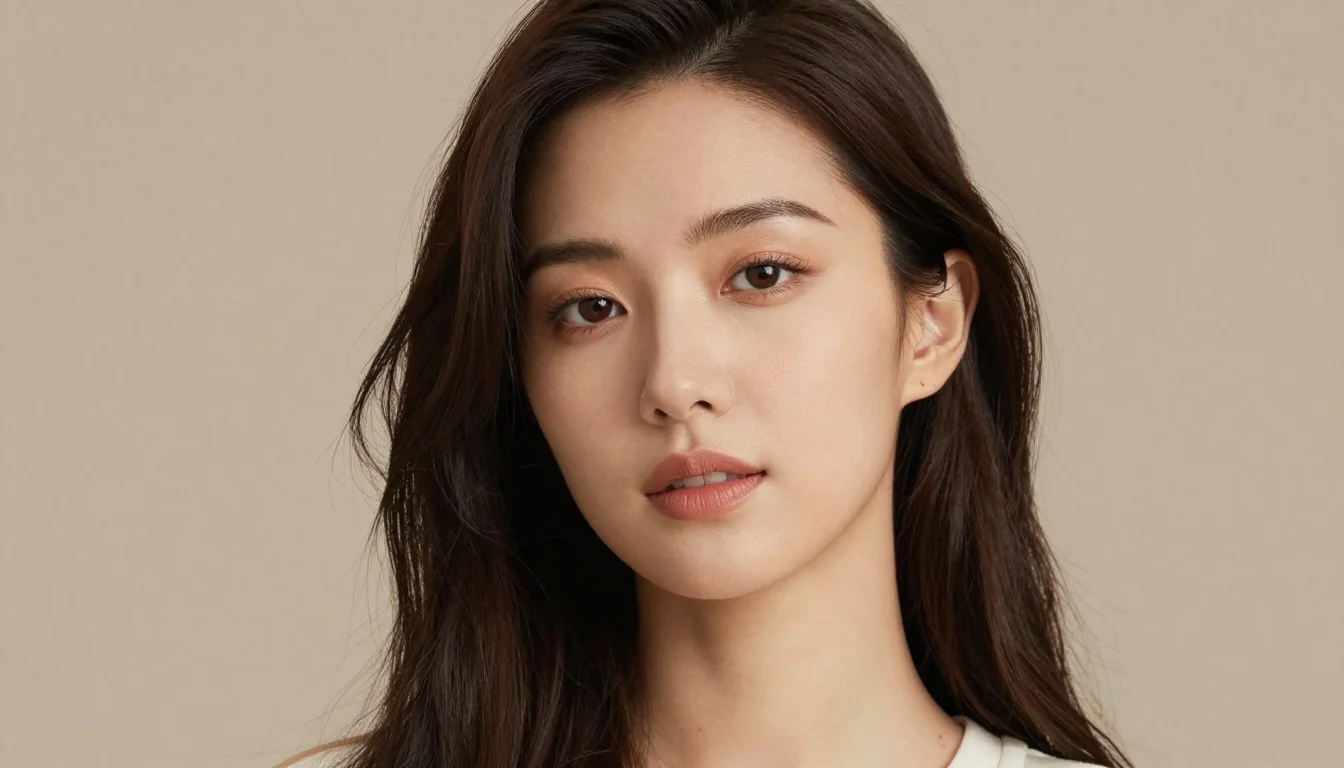
What colors look best on olive skin in a minimalist wardrobe?
Olive skin looks best in warm, earthy tones: khaki, camel, terracotta, burnt sienna, forest brown, and deep olive green. These warm neutrals and accents harmonize with the golden-green undertone of olive skin. Warm ivory is the best light neutral near the face. A strict 3-4 color system built from these families ensures every piece works with every other piece.
Your Minimalist Color Palette
Neutral 1: Warm Khaki & Sand
Warm khaki and golden sand harmonize with the yellow undertone in olive skin without overwhelming it. These are your everyday neutrals — pants, skirts, and dresses in this range form the invisible backbone of your wardrobe.
Neutral 2: Deep Olive & Forest Brown
Deep olive green and warm forest brown echo the green undertone in olive skin, creating a beautiful tonal connection. Where most people reach for black or grey as their dark neutral, olive skin shines when the dark neutral is this warm and earthy.
Accent 1: Terracotta & Burnt Sienna
Terracotta and burnt sienna are olive skin's most flattering accent — their warm, dusty orange-red resonates directly with the golden quality of the complexion. A terracotta blouse or rust-toned accessory makes olive skin glow in a way that no other color does.
Accent 2: Warm Ivory & Cream
Warm ivory is the one "light" color that works near olive skin without introducing a grey or sallow contrast. Cream and warm white provide clean, high-contrast looks while maintaining the warm harmony of the overall system.

Ready to see your palette on your face?
Start my color analysisThe Minimalist Formula for Olive Skin
The Color Ratio
70% of your wardrobe is your two neutrals (warm khaki and deep olive/forest brown). 20% is your primary accent (terracotta or burnt sienna). 10% is your warm ivory for lightness and contrast. In a 15-piece wardrobe: 10 neutral pieces, 3 terracotta pieces, 2 ivory pieces. Every combination works because every color belongs to the same warm, earthy story.
The 15-Piece Formula
5 tops (2 warm khaki or sand, 2 terracotta, 1 warm ivory) + 3 bottoms (2 deep olive or forest brown, 1 warm khaki) + 2 outerwear (1 warm camel or tan coat, 1 deep olive jacket) + 2 dresses (1 terracotta, 1 warm neutral) + 2 shoes (warm tan and espresso or dark olive) + 1 bag (tan or cognac). Every piece connects to at least four others.
How Every Piece Earns Its Place
The minimalist rule: before buying anything, identify four other pieces in your wardrobe it will work with. For olive skin, this means every new piece must share the warm, earthy color story. If it is too cool, too bright, or too isolated, it does not belong — no matter how much you love it in the store.
Texture as Your Variable
In a tight color system, variety comes from fabric and texture rather than new colors. A terracotta linen shirt, a terracotta silk blouse, and a terracotta chunky knit are three distinct pieces with the same color slot. Washed cotton, structured wool, and soft suede in your khaki neutral give you visual richness without breaking cohesion.
Colors That Disrupt Olive Skin Harmony
Cool or Ashy Grey
Grey with a blue or purple undertone fights the golden warmth of olive skin, introducing a sallow or tired quality near the face. In a minimalist wardrobe, it also orphans itself — it connects poorly to the warm earthy palette olive skin requires.
Bright Cool Pink & Fuchsia
Cool, highly saturated pinks clash with the muted, warm qualities of olive skin. They draw attention to any uneven tones and create a jarring contrast rather than a harmonious complement.
Icy Pastels (Icy Blue, Mint, Lavender)
Icy, cool-toned pastels are the opposite of everything olive skin responds to. They are too cool and too low-saturation to create any visual harmony, and in a minimalist wardrobe they become permanent orphans that connect to nothing.
Bright Cool White
Stark, bright white with a blue or grey cast can create an unflattering chalky contrast against olive skin. Always choose warm ivory or cream — the effect is similar from a distance and dramatically better up close and in photographs.
Stop guessing — preview every look on you
See these looks on my photoSwaps That Simplify Without Sacrificing
Replace scattered pieces with system-consistent alternatives
For olive skin, deep olive brown connects to your complexion in a way black and grey never do — and it eliminates the need for two separate dark neutral slots.
Ivory replaces both while adding warmth — cool white and blue both fight olive skin's undertone, while ivory harmonizes beautifully.
Cool outerwear colors create a jarring disconnect from olive skin's warmth. Camel or deep olive extend the color story from skin to clothes cohesively.
Terracotta gives you the same visual impact as a bold color choice but within your warm system — it connects rather than disconnects from everything else.
Consolidating your light neutrals into two clearly distinct, intentional shades removes redundancy and makes every piece feel considered.
A warm-toned bag ties your entire olive-skin wardrobe together — it connects to your khaki, your camel outerwear, and your terracotta accents simultaneously. Black sits outside the system.
Which Palette Might Be Yours?
Olive skin appears across several seasonal palettes depending on your specific undertone depth, eye color, and hair color. These are the most common seasonal types for olive complexions — but a Palette Hunt analysis identifies your precise season so every color recommendation is specific to your exact coloring.
Soft Autumn
Learn moreThe most common season for medium olive skin with muted, soft features. Soft Autumn palettes are built around exactly the dusty, earthy tones described here — warm but never vivid, earthy but never muddy. If highly saturated colors feel too loud on you, Soft Autumn is likely your season.
Warm Autumn
Learn moreFor olive skin with more distinctly golden or peachy undertones and warmer, richer features. Warm Autumn allows slightly more saturation and warmth — deeper terracottas, richer olives, and warmer neutrals. If warm colors feel like an extension of you, this may be your season.
Deep Autumn
Learn moreFor olive skin that is darker, deeper, and higher-contrast. Deep Autumn extends the earthy palette into more saturated, intense territory — forest green, deep cognac, and dark chocolate. If muted colors feel too washed-out and rich deep tones feel most alive, this is your range.
Find Your Exact Colors
The minimalist system here works for most olive skin tones — but the specific shade of terracotta, the exact depth of your olive neutral, and whether your ivory leans warmer or cooler all depend on your precise undertone combination. A Palette Hunt color analysis gives you the exact version of each color that is most flattering for your unique coloring, so every piece in your 15-piece wardrobe is exactly right.
Stop guessing — preview every color on you
Preview Yourself In Your Palette
Get my personalized paletteStop guessing — preview every color on you
Preview Yourself In Your Palette

Related Guides for Minimalist Wardrobe for Olive Skin
Explore more personalized color advice based on your features.
Want to see these colors on you? What Colors Look Good on Me — free to try.
Frequently Asked Questions About Minimalist Wardrobe for Olive Skin
What colors look best on olive skin in a minimalist wardrobe?
Olive skin looks best in warm, earthy tones: khaki, camel, terracotta, burnt sienna, forest brown, and deep olive green. These warm neutrals and accents harmonize with the golden-green undertone of olive skin. Warm ivory is the best light neutral near the face. A strict 3-4 color system built from these families ensures every piece works with every other piece.
What colors should olive skin avoid in a minimalist capsule wardrobe?
Avoid cool or ashy grey, bright cool pink and fuchsia, icy pastels (mint, lavender, icy blue), and bright cool white. These colors fight the golden-green undertone of olive skin, creating an unflattering visual disconnect. In a minimalist wardrobe, they also become "orphan" pieces that cannot connect to the rest of the warm palette.
Can olive skin wear black as a minimalist neutral?
Black works for olive skin but is not always the most flattering dark neutral. Deep olive green and forest brown connect to the natural undertone of olive skin in a way black cannot. For a minimalist wardrobe built specifically around olive skin, deep warm brown or deep olive makes a more cohesive dark neutral than true black — though black is perfectly acceptable if it is already part of your existing wardrobe.
How many colors should be in a minimalist wardrobe for olive skin?
A minimalist wardrobe for olive skin works best with 3-4 colors: two neutrals (typically warm khaki and deep olive or brown) plus one or two accent colors (terracotta and warm ivory). This is tight enough that every item connects to every other item, but varied enough for genuine outfit versatility. The 70/20/10 ratio — 70% neutrals, 20% primary accent, 10% secondary accent — keeps the system functional.
Is olive skin warm or cool toned?
Olive skin has a complex undertone — it is primarily warm (yellow or golden undertone) with a secondary cool or muted quality (green or grey undertone layered beneath). This is why olive skin does not respond well to advice for either purely warm or purely cool skin types. The colors that work best are warm and earthy but not overly saturated or vivid — they honor both the warmth and the subtle muted quality of the complexion.
What is the best minimalist wardrobe formula for olive skin?
A 15-piece minimalist wardrobe for olive skin follows this formula: 5 tops (warm toned in khaki, terracotta, ivory) + 3 bottoms (deep olive and warm khaki) + 2 outerwear pieces (camel and deep olive) + 2 dresses (terracotta and warm neutral) + 2 pairs of shoes (tan and espresso) + 1 cognac or tan bag. Every piece shares the same warm, earthy color story, so every combination works.