The Intentional Wardrobe Designed forYour Pale Complexion
Build a focused, intentional capsule wardrobe for pale skin. Discover how to build looks with shades that actually flatter you.
Pale skin is a precise canvas. The wrong colors disappear, blend in with your complexion, or create an unflattering washed-out effect. The right colors create striking contrast or elegant harmony — but only if you know which ones they are. This guide builds a strict 15-piece wardrobe system around 3-4 colors that work specifically with pale skin: eliminating the washed-out, keeping only what genuinely flatters.


3,000+
happy clients
Why Pale Skin Benefits Most From a Curated Color System
Pale skin is a precise canvas. The wrong colors disappear, blend in with your complexion, or create an unflattering washed-out effect. The right colors create striking contrast or elegant harmony — but only if you know which ones they are. This guide builds a strict 15-piece wardrobe system around 3-4 colors that work specifically with pale skin: eliminating the washed-out, keeping only what genuinely flatters.
Pale skin has less built-in contrast than darker complexions, which means the colors you wear have an outsized impact on how your overall look reads. A color that would simply be "okay" on a medium complexion can completely wash out pale skin or, conversely, create a jarring harshness. This makes pale skin uniquely sensitive to color choice — and uniquely rewarding when the right colors are found.
Most wardrobes built by people with pale skin contain a mix of colors that felt safe in the store: lots of black, lots of grey, the occasional muted pastel. These choices are understandable — neutrals feel reliable — but they miss the specific tones that genuinely make pale skin luminous. The minimalist approach works especially well for pale complexions because it forces you to identify exactly which colors create that luminosity and commit to them.
Whether your pale skin has a cool (pink or blue) undertone, a warm (yellow or peachy) undertone, or a neutral undertone determines which specific shades within each color family will look most extraordinary on you. The system here gives you the framework; your undertone determines the exact shades.

What colors look best on pale skin in a minimalist wardrobe?
Pale skin looks best in colors with clear depth and contrast: deep navy, burgundy, forest green, and warm ivory are the core of a flattering minimalist wardrobe. These colors create intentional contrast with a light complexion rather than blending with it. Avoid colors that are close to your skin tone in lightness, such as pale pastels and oatmeal, unless they have clear contrast with your specific complexion.
Your Minimalist Color Palette
Neutral 1: Deep Navy & Midnight
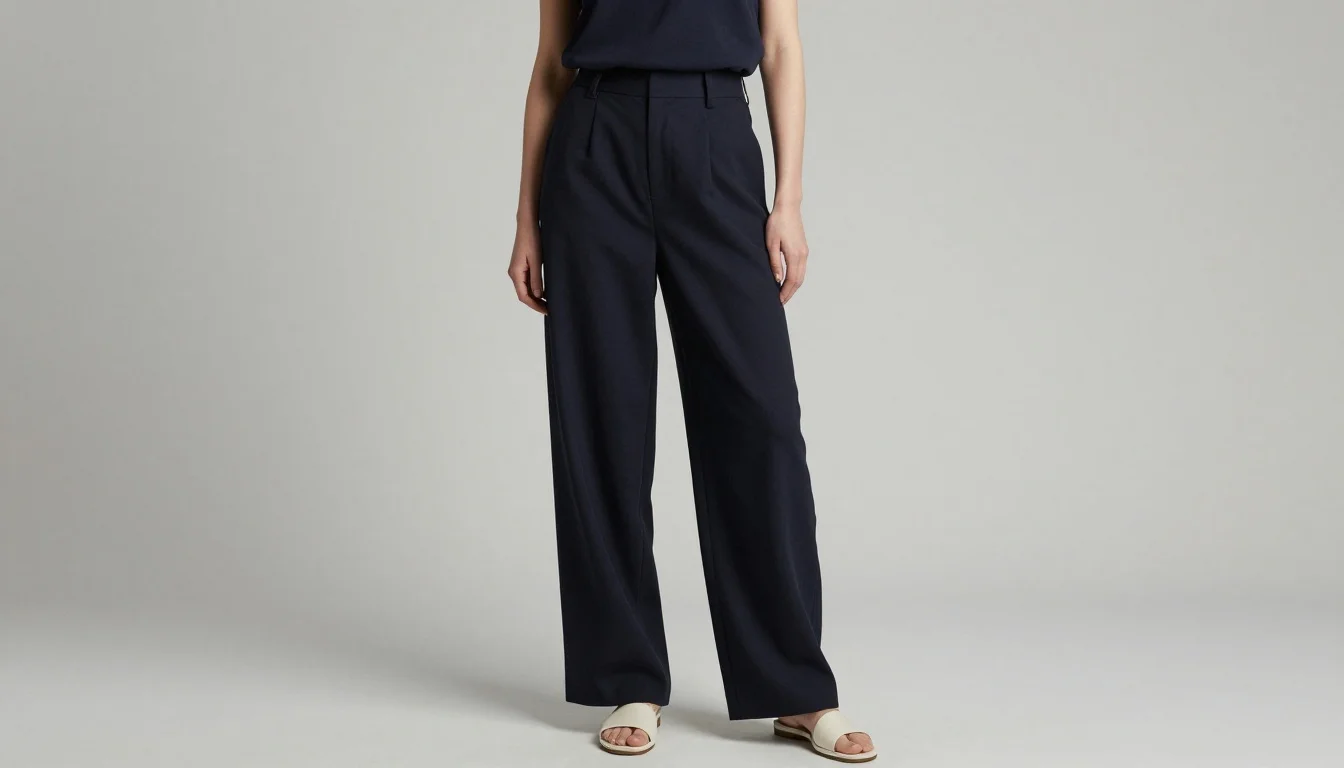
Deep navy is the single most universally flattering dark neutral for pale skin. Unlike harsh black, navy has depth without severity, and its cool undertone enhances the natural coolness in pale complexions. It is the foundational neutral your wardrobe should be built on.
Neutral 2: Soft Warm Cream & Ivory
Warm cream and ivory near the face create an elegant, high-contrast look for pale skin without the harsh optical effect of bright white. This is your light neutral — tops, dresses, and anything that sits close to your complexion should live here rather than in stark white.
Accent 1: Rich Burgundy & Deep Berry
Burgundy and deep berry are the defining accent of a pale-skin minimalist wardrobe. The cool, deep red creates a stunning contrast with pale skin, reads sophisticated in any context, and connects beautifully to navy as your core neutral. One or two pieces in this family transform the entire wardrobe.
Accent 2: Forest Green or Deep Teal
Deep, cool-toned greens bring richness and depth without overwhelming pale skin. Forest green and teal are your clean alternative to the burgundy accent — equally sophisticated, entirely different in mood, and deeply flattering as the cool undertone harmonizes with pale complexions.

Ready to see your palette on your face?
Start my color analysisThe Minimalist Formula for Pale Skin
The Color Ratio
70% of your wardrobe is built on your two neutrals (deep navy and warm ivory). 20% is your primary accent (burgundy or deep berry). 10% is your secondary accent (forest green or deep teal). In a 15-piece wardrobe: 10 navy and ivory pieces, 3 burgundy pieces, 2 forest green pieces. Every piece connects to every other piece through the same cool, deep color story.
The 15-Piece Formula
5 tops (2 navy, 2 ivory or cream, 1 burgundy) + 3 bottoms (2 navy, 1 deep green or burgundy) + 2 outerwear (1 deep navy coat, 1 forest green or burgundy jacket) + 2 dresses (1 navy, 1 burgundy or ivory) + 2 shoes (navy or black leather, and cream or blush suede) + 1 bag (deep leather in navy, oxblood, or cognac). Every combination works within the system.
How Every Piece Earns Its Place
The test for pale skin minimalism is whether a color flatters you specifically. A piece that fits the budget, fits the body, and fits the season still does not belong if it washes you out. Every item must pass the mirror test: does this color make my skin look luminous and healthy, or does it make me look tired? Keep only the pieces that pass.
Contrast as Your Design Principle
Pale skin is a light canvas — the most striking looks are built on contrast, not blending. A deep navy top against pale skin creates elegance. An ivory blouse against deep navy trousers creates clean structure. A burgundy coat against everything else creates drama. Design your outfits around intentional contrast, and your minimalist wardrobe will always look deliberate and polished.
Colors That Wash Out Pale Skin
Bright, Cool White
Stark bright white matches the lightest skin tones too closely, creating a washed-out, seamless effect near the face. Warm ivory or cream provides the same light neutral benefit with dramatically more flattering contrast.
Warm Camel & Light Tan
If your pale skin has a cool undertone (pink, blue, or rosy base), camel and warm tan introduce a yellow quality that clashes with your natural undertone, creating an unflattering, sallow appearance. Stick to your navy-burgundy-forest green system instead.
Neon & Highly Saturated Brights
Neon yellow, electric orange, and vivid lime pull all attention away from pale skin rather than complementing it. The contrast is jarring rather than striking. Your wardrobe works best with rich, deep colors rather than high-voltage brights.
Pale Pastels Close to Your Skin Tone
Baby pink, lavender, and pale mint can disappear against pale skin, creating a monochromatic effect that reads as unintentional. If you love pastels, choose them in deeper versions (dusty rose, sage green, soft periwinkle) that provide some contrast.
Stop guessing — preview every look on you
See these looks on my photoSwaps That Clarify Without Compromising
Replace pieces that were never fully working with ones that always do
For pale skin, navy provides the same depth as black without the harshness, and it harmonizes with the cool undertone of most pale complexions more flatteringly.
Ivory provides a luminous, healthy contrast with pale skin. Bright white can create an optical blend with lighter complexions, especially in photographs and direct light.
Grey is safe but rarely flattering — it creates no interesting contrast with pale skin and sits in the middle of the value scale without commitment. Navy and forest green provide depth and richness that grey never delivers.
Black is the universal safe choice, but burgundy creates a more remarkable, sophisticated look for pale skin — the cool-warm contrast is more dynamic and more memorable.
Oatmeal is close to pale skin in value and can blend in; light grey is too cool. Warm ivory provides warmth and contrast; navy provides depth and structure.
If your pale skin has a cool undertone, warm camel can fight your complexion's pink or rosy base. A deep cool-toned leather in oxblood or forest green connects to your whole color system.
Which Palette Might Be Yours?
Pale skin appears across multiple seasonal palettes — the key variable is your undertone. Cool pale skin (with pink, rosy, or blue tones) belongs to different seasons than warm pale skin (with yellow or peachy tones). Here are the most common seasonal types for light complexions.
Cool Winter
Learn moreFor pale skin with a distinctly cool (pink or blue) undertone and high contrast features. Cool Winter palettes emphasize the cool-deep color story outlined here — navy, burgundy, forest green, pure white, and icy pastels. High contrast, cool-toned, and always striking.
Light Summer
Learn moreFor pale skin with a cool undertone but lower contrast features — softer hair and lighter eyes. Light Summer palettes use cooler, more muted versions of the same color families: dusty rose, soft navy, muted sage. Vivid saturated colors overwhelm; soft, cool tones are most flattering.
Light Spring
Learn moreFor pale skin with a warm (yellow or peachy) undertone and light, clear features. Light Spring palettes use warm, bright, and light colors — warm ivory, peach, coral, and light camel replace the cool system. If warm colors make your skin glow rather than sallow, this is your direction.
Find Your Exact Colors
This system works for most pale skin tones — but the exact version of navy, the precise shade of burgundy, and whether your ivory should lean warm or neutral all depend on your specific undertone. Cool pale skin and warm pale skin need different versions of these same colors. A Palette Hunt color analysis identifies your precise seasonal palette so every piece in your minimalist wardrobe is exactly right for your specific complexion.
Stop guessing — preview every color on you
Preview Yourself In Your Palette
Get my personalized paletteStop guessing — preview every color on you
Preview Yourself In Your Palette

Related Guides for Minimalist Wardrobe for Pale Skin
Explore more personalized color advice based on your features.
Want to see these colors on you? What Colors Look Good on Me — free to try.
Frequently Asked Questions About Minimalist Wardrobe for Pale Skin
What colors look best on pale skin in a minimalist wardrobe?
Pale skin looks best in colors with clear depth and contrast: deep navy, burgundy, forest green, and warm ivory are the core of a flattering minimalist wardrobe. These colors create intentional contrast with a light complexion rather than blending with it. Avoid colors that are close to your skin tone in lightness, such as pale pastels and oatmeal, unless they have clear contrast with your specific complexion.
Should pale skin avoid wearing white?
Bright, cool white can wash out pale skin by blending too closely with the lightest complexions, particularly in photographs and direct light. Warm ivory and cream are generally more flattering alternatives — they provide a light neutral near the face while maintaining a slightly warmer, more distinctly contrasting tone. However, if your pale skin has a very warm undertone, bright white may actually work well for you.
What is the best dark neutral for pale skin?
Deep navy is typically more flattering than black for pale skin with cool undertones — it provides the same depth without the harshness, and its cool undertone harmonizes with the pink or rosy tones common in pale complexions. For pale skin with warm undertones, dark chocolate or deep camel may be more flattering than navy. Your specific undertone determines which dark neutral works best.
What colors should pale skin avoid?
Pale skin should generally avoid: bright cool white (too close in value to very light skin), warm camel and tan (if you have a cool undertone, these introduce unwanted yellow), neon brights (too jarring against a light canvas), and pale pastels very close to your skin tone (which can create an unintentional monochromatic effect). Instead, reach for deep, rich colors with clear contrast.
How many colors should be in a minimalist wardrobe for pale skin?
A minimalist wardrobe for pale skin works best with 3-4 core colors: two neutrals (typically deep navy and warm ivory) plus one or two accent colors (burgundy and forest green work well for cool-toned pale skin). The 70/20/10 ratio keeps the system cohesive: 70% neutrals, 20% primary accent, 10% secondary accent. In 15 pieces, this creates a wardrobe where every combination works.
Does the minimalist wardrobe change depending on whether I have warm or cool pale skin?
Yes, significantly. Cool pale skin (pink, rosy, or blue undertones) suits the navy-burgundy-forest green system most closely. Warm pale skin (yellow or peachy undertones) works better with camel, terracotta, and warm olive as the core palette. A Palette Hunt color analysis identifies your exact undertone so you can build a minimalist wardrobe from the right version of each color family.