Best Dress Colorsfor Warm Spring
Warm Spring dresses glow in golden, peachy, and clear warm tones. Discover which shades flatter you most — and which to skip.
Warm Spring is the most purely warm of the Spring seasons — golden, fresh, and radiant. Your coloring has clear warm undertones throughout: golden or peachy skin, warm golden-to-strawberry-blonde hair (or warm brunette), and eyes that appear golden, hazel, warm brown, or vivid warm green. Dresses are where your warm radiance truly shines. The right warm, clear dress color makes your skin look luminous and your eyes appear more vivid. The wrong dress — anything cool or muted — flattens the warm glow that makes Warm Spring coloring so naturally beautiful.


3,000+
happy clients
Why Warmth Is the Foundation of Every Dress Choice
Warm Spring is the most purely warm of the Spring seasons — golden, fresh, and radiant. Your coloring has clear warm undertones throughout: golden or peachy skin, warm golden-to-strawberry-blonde hair (or warm brunette), and eyes that appear golden, hazel, warm brown, or vivid warm green. Dresses are where your warm radiance truly shines. The right warm, clear dress color makes your skin look luminous and your eyes appear more vivid. The wrong dress — anything cool or muted — flattens the warm glow that makes Warm Spring coloring so naturally beautiful.
Warm Spring's defining quality is the golden warmth that runs through every feature consistently. Unlike mixed or neutral-undertone types, Warm Spring has warmth all the way down — skin, hair, and eyes all read in the warm-golden-peach register. A dress color needs to honor this warmth or create a temperature mismatch that makes everything look slightly off.
Cool dress colors against warm Warm Spring features don't just create an undertone conflict — they actively extinguish the warmth that makes this coloring special. A cool blue-grey dress pulls yellow-green from golden skin, making it look slightly sallow or greenish. A warm golden dress does the opposite — it creates a golden resonance where the skin appears to glow and warm eyes look more vivid by contrast.
Warm Spring differs from Warm Autumn in freshness and value. Warm Autumn's palette is deeper, richer, and earthier — autumnal warmth. Warm Spring's palette is lighter, fresher, and brighter — spring warmth. The greens that work for Warm Spring are yellow-green and lime rather than olive and khaki. The reds are salmon and warm coral rather than rust and brick. Same warm temperature, different freshness level.

What color dress looks best on a Warm Spring?
Warm Spring dresses look best in clear peach and coral, warm golden apricot, salmon pink, clear warm yellow, yellow-green lime, fresh spring green, warm turquoise, clear aqua, warm ivory, and golden cream. The essential quality is warmth with freshness — clear warm colors, not dusty or deep.
Your Most Flattering Dress Color Families
Golden and Peachy Warm Tones
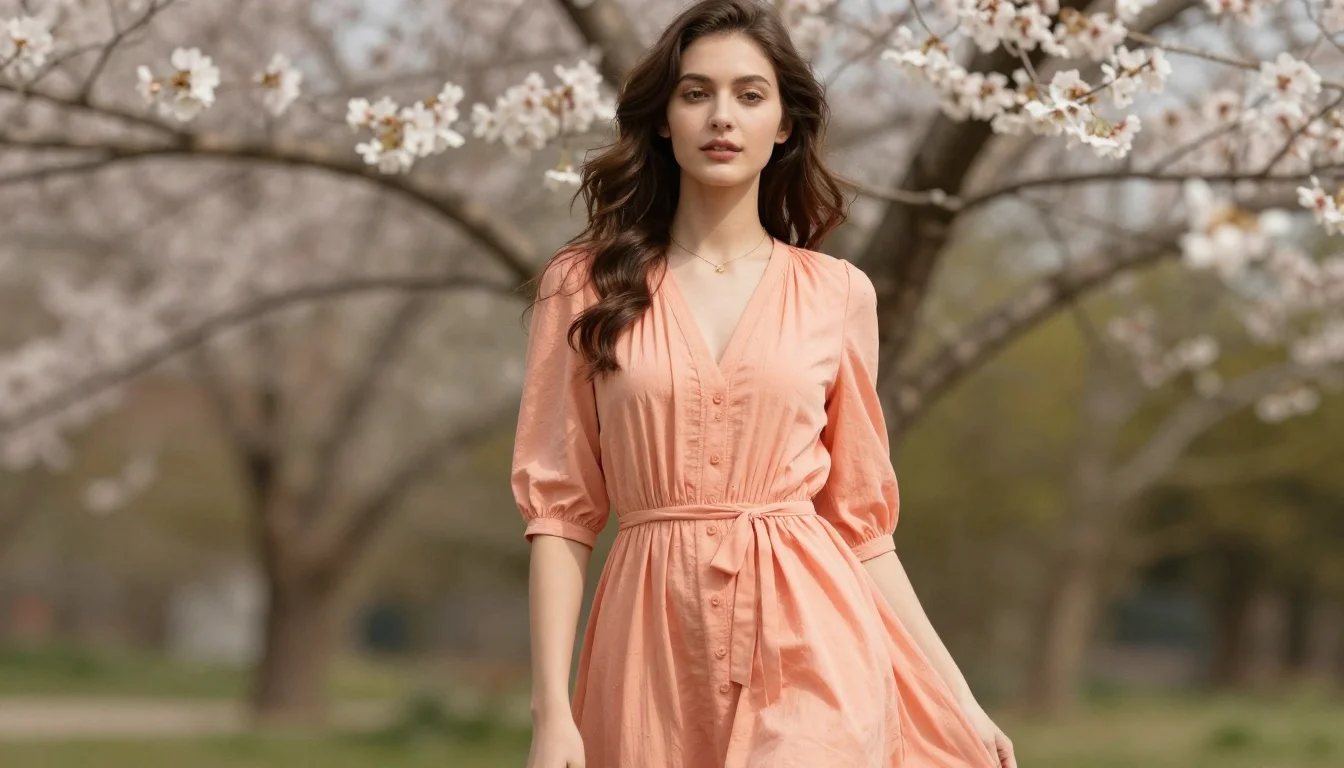
The peach-to-coral spectrum is Warm Spring's most naturally flattering dress territory. Clear peach resonates directly with the golden-peachy quality of Warm Spring skin, creating a luminous, sun-kissed look rather than blending in. Warm golden apricot is more golden and slightly more saturated — it amplifies the warm glow of the complexion. Salmon pink and fresh warm coral bring more vibrancy while staying firmly in the warm spectrum. These are the quintessential spring-warmth dress colors.
Fresh Warm Greens and Yellows
Yellow-based greens and clear warm yellows are highly flattering for Warm Spring because they share the same golden-warm undertone as the skin. Clear warm yellow against warm golden skin creates a harmonious warmth rather than a clash. Yellow-green lime and fresh spring green are vibrant and warm — the green that feels spring-like rather than autumn-like. These colors make warm eyes look vivid and warm skin look radiant.
Clear Warm Blues and Turquoise
Warm Spring can include blues — but they need to be the warm, clear, turquoise-leaning versions rather than cool or grey-based blues. Warm turquoise and clear aqua have enough warm-green mixing that they feel consistent with golden undertones rather than conflicting. Warm sky blue reads as fresh and spring-appropriate. These are blues that feel warm and tropical rather than cold and icy.
Warm Light Neutrals
Light warm neutrals are the Warm Spring version of neutral dresses. Warm ivory and golden cream share the warm undertone of Warm Spring skin, creating a fresh, cohesive look without the cool-temperature conflict of pure white. These are the light neutrals that work for warm-undertone types — they don't add color but they don't fight the undertone either. Pair with vivid warm accessories to maintain enough contrast.

Ready to see clear peach & golden apricot on your face?
Start my color analysisHow to Wear Dresses as a Warm Spring
Daily warmth and ease
Warm Spring dresses work best when they feel fresh and uncomplicated. A clear warm coral wrap dress, a warm yellow linen sundress, or a fresh salmon pink shift — these read as effortless because the color works with rather than against your natural warmth. You don't need to overthink styling: the right warm color does the work. The daily Warm Spring dress formula is: choose warm, choose fresh, choose clear.
Professional settings
For professional dressing, warm ivory and clear warm beige are the Warm Spring neutrals that work. A warm ivory structured dress with a warm-colored blazer is polished and in-palette. If you want color in professional settings, clear warm coral, fresh spring green, or warm aqua in a structured silhouette look distinctive and intentional. Avoid defaulting to cool grey or navy, which fight your undertone.
Summer and casual occasions
Warm Spring is perfectly aligned with summer dressing — the fresh, warm, light colors of the palette are summer-natural. Clear peach sundresses, warm yellow cotton shifts, fresh lime green linen wraps, warm turquoise casual dresses — all feel effortlessly summer-appropriate while being perfectly on-palette. Summer is when Warm Spring coloring looks its most luminous, and the right dress colors amplify that seasonal glow.
Prints and patterns
Warm Spring works beautifully with prints that use the palette's fresh warm colors against light warm backgrounds. Florals with warm golden yellows, corals, and warm greens on cream or warm ivory backgrounds are quintessential Warm Spring print dresses. Avoid prints with cool colors, dark backgrounds, or autumnal earth tones. The background color of a print matters as much as the pattern.
Dress Colors That Diminish Warm Spring Radiance
Cool icy or blue-based tones
Icy cool pastels, cool lavender, blue-grey, and any color with blue-cool undertone create a temperature conflict against Warm Spring's golden skin. The cool color next to warm skin can make the skin appear slightly greenish or sallow rather than golden. The warmth that makes Warm Spring coloring so radiant is literally diminished by cool undertones in adjacent colors.
Dark, heavy earth tones
Warm Autumn colors — rust, deep olive, warm brown, ochre — are too dark and heavy for Warm Spring. They share the warm undertone but have the wrong freshness level. Warm Spring colors are light-to-medium in value; deep earthy darks feel autumnal and heavy, weighing down the fresh, radiant quality that defines this palette.
Cool darks: navy, true black, charcoal
Very dark, cool neutrals — the backbone of Winter palettes — work against Warm Spring in two ways: their cool undertone conflicts with warm skin and their high contrast level can overwhelm the more delicate Warm Spring coloring. True black in particular reads as too severe. Deep warm brown or caramel are the Warm Spring equivalent of dark neutrals.
Muted or dusty warm tones
Dusty peach, muted salmon, greyed warm tones — the muted versions of Warm Spring colors — lack the freshness that distinguishes this season. Warm Spring colors need to be clear and vivid enough to match the natural brightness of warm spring features. The dusty, greyed-out versions make everything look slightly faded.
Stop guessing — preview every look on you
See these looks on my photoDress Color Swaps for Warm Spring
Trading cool or muted dress choices for Warm Spring-specific radiant alternatives.
Cool soft pink has a blue base that conflicts with warm undertones. Clear salmon and peach are in the same hue family with the warm temperature that resonates with Warm Spring skin.
Cool neutrals fight Warm Spring undertones. Warm ivory and caramel provide professional polish while staying in warm-undertone territory.
Cool blues feel temperature-wrong against warm skin. Warm turquoise and aqua are the blue-adjacent colors with enough warmth to work for Warm Spring.
Cool darks create temperature conflict and can read as too severe for Warm Spring. Deep warm coral and golden teal have richness for evening without the cool conflict.
Dark cool print backgrounds fight Warm Spring's light, warm aesthetic. Warm cream backgrounds with coral, yellow, and warm green florals are quintessential Warm Spring.
Rust and olive are autumn warmth — too deep and earthy for Warm Spring freshness. Clear lime and warm yellow have the same warmth at the right brightness level.
Explore Your Spring Palette Family
Warm Spring is the most purely warm of the Spring seasons. Adjacent seasons share elements of your palette but differ in key ways.
Warm Spring
Learn moreYour home season. The most purely warm Spring palette, defined by golden, peachy, and fresh warm colors. Your dress colors need warmth consistently throughout — no cool undertones.
Bright Spring
Learn moreAdjacent within Spring — shares warmth but adds higher contrast and more saturation intensity. Bright Spring dresses can be more vivid and high-contrast than Warm Spring.
Warm Autumn
Learn moreShares the purely warm undertone but moves into deeper, earthier, richer territory. Warm Autumn dresses include rust, olive, and amber that would be too heavy for Warm Spring.
Find Your Exact Warm Spring Dress Colors
Warm Spring's golden, radiant coloring is at its most luminous when every dress color choice honors the warm undertone. The colors listed here will reliably work — but your specific shade of warmth (how golden versus peachy your skin runs, how high your natural contrast is, whether your eyes are hazel or warm green) determines which specific hues within the warm-spring range are most exceptional for you. A personalized color analysis gives you this precision.
Stop guessing — preview every color on you
Preview Yourself In Your Palette
Get my personalized paletteStop guessing — preview every color on you
Preview Yourself In Your Palette

Related Guides for Best Dress Colors for Warm Spring
Explore more personalized color advice based on your features.
Want to see these colors on you? What Colors Look Good on Me — free to try.
Frequently Asked Questions About Best Dress Colors for Warm Spring
What color dress looks best on a Warm Spring?
Warm Spring dresses look best in clear peach and coral, warm golden apricot, salmon pink, clear warm yellow, yellow-green lime, fresh spring green, warm turquoise, clear aqua, warm ivory, and golden cream. The essential quality is warmth with freshness — clear warm colors, not dusty or deep.
Can a Warm Spring wear blue?
Yes — but only warm-adjacent blues. Warm turquoise, clear aqua, and warm sky blue have enough warm-green mixing to feel consistent with Warm Spring's golden undertone. Cool blues (icy blue, grey-blue, cobalt) create a temperature conflict and tend to pull green from warm skin.
Can Warm Spring wear a black dress?
True black is less ideal for Warm Spring — it's cool, dark, and high-contrast, which fights both the warm undertone and the more delicate contrast level of the season. If you need a dark option, deep warm brown or caramel provides neutral depth without the cool-temperature conflict. If wearing black, add vivid warm accessories to moderate the effect.
What should Warm Spring avoid in a dress?
Warm Spring should avoid cool icy tones (icy blue, cool lavender, blue-grey), dark earthy earth tones (rust, olive, warm brown — Autumn colors), very cool dark neutrals (navy, charcoal, black), and muted or dusty versions of warm colors. The key avoidance is anything cool in undertone or too deep and earthy.
Is Warm Spring similar to Warm Autumn in dress choices?
Both seasons are purely warm, so they share the need for warm-undertone dress colors. The key difference is depth and freshness: Warm Autumn works in rust, amber, olive, and rich earth tones — deeper, richer, earthier. Warm Spring works in clear peach, coral, warm yellow, and lime green — lighter, fresher, and brighter. If it looks autumnal, it's too heavy for Warm Spring.
Can Warm Spring wear white?
Warm ivory and golden cream — the warm-undertone versions of white — work well for Warm Spring. Pure cool white is less ideal because its blue-cool undertone can create a slight temperature conflict with warm skin. The golden, slightly off-white versions of white provide the lightness without the cool conflict.