Navy and Deep Blue
Navy is a universally flattering choice for pale skin — it creates clear, sophisticated contrast without the harshness of pure black. Against pale skin, navy reads as rich and polished rather than stark.
Pale skin has a luminosity that certain coat colors make absolutely striking. Discover how to find the colors that actually flatter your coloring.
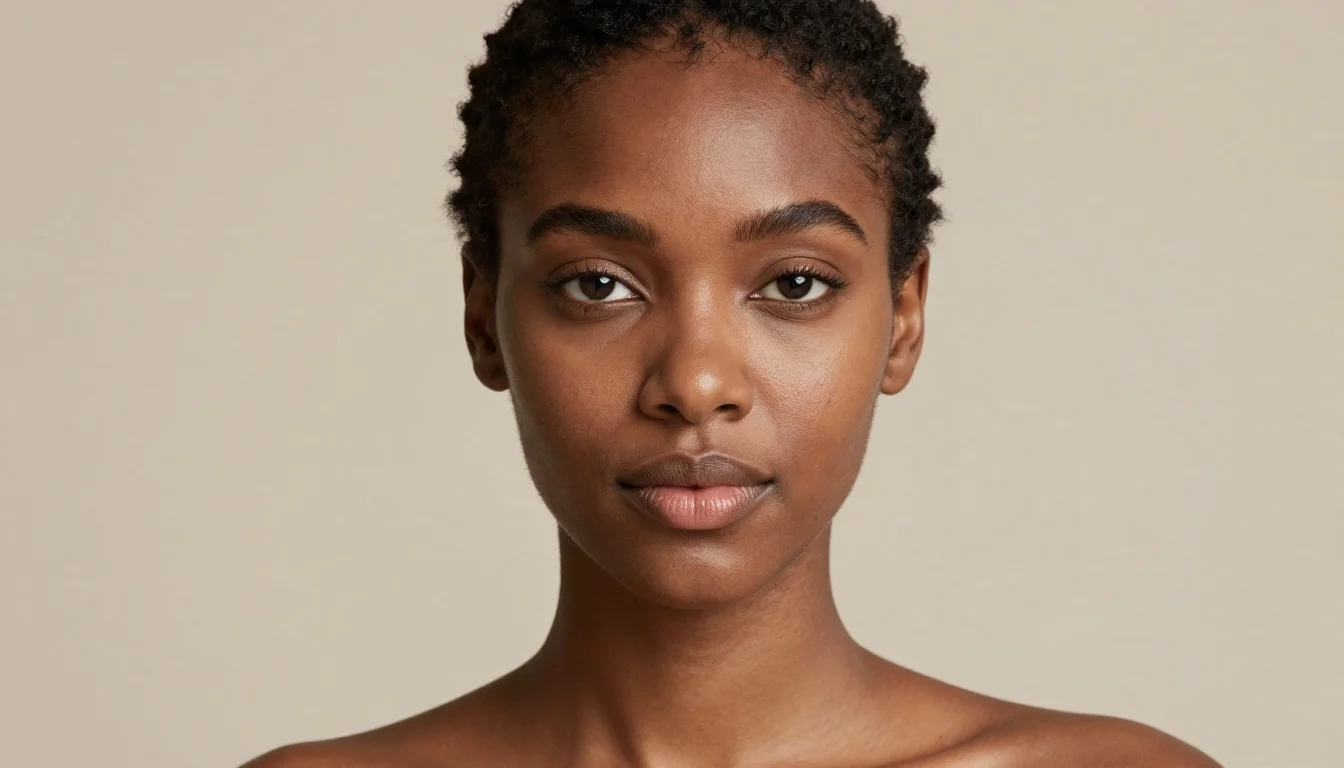
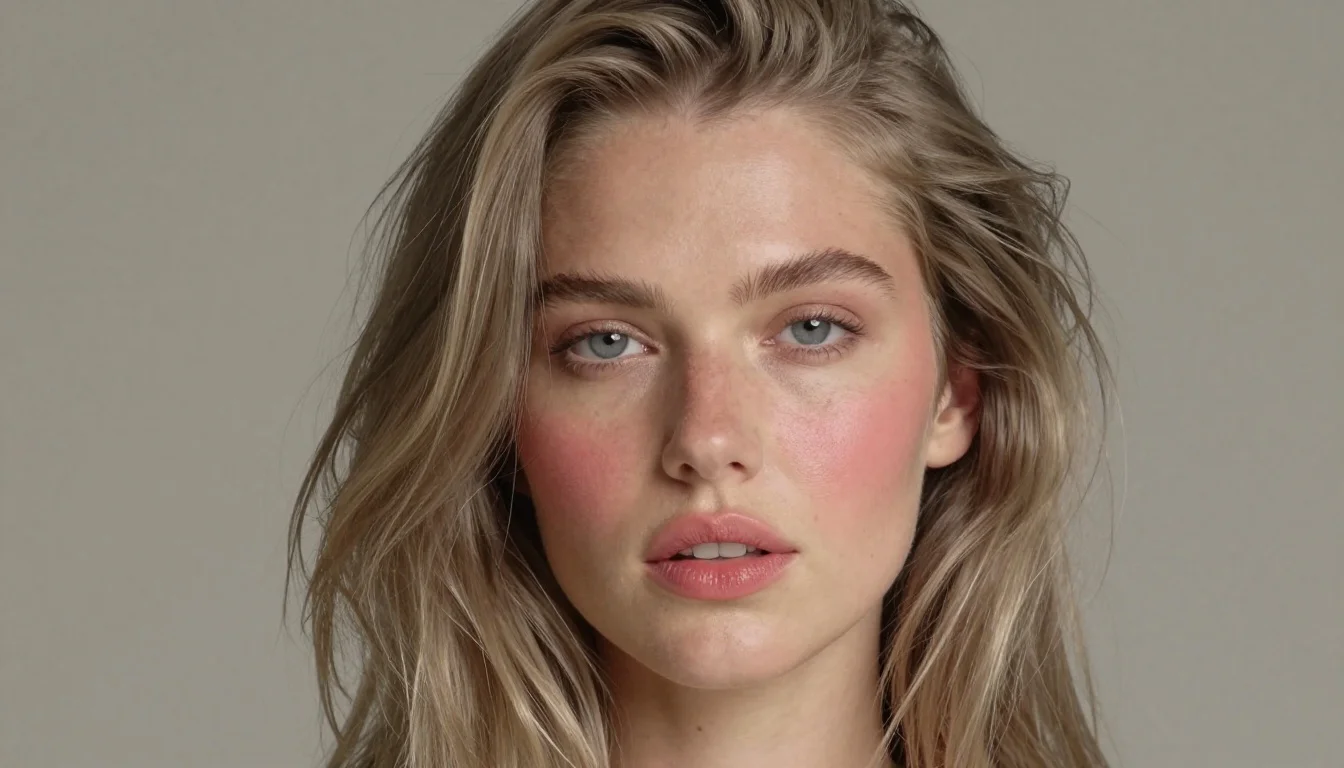
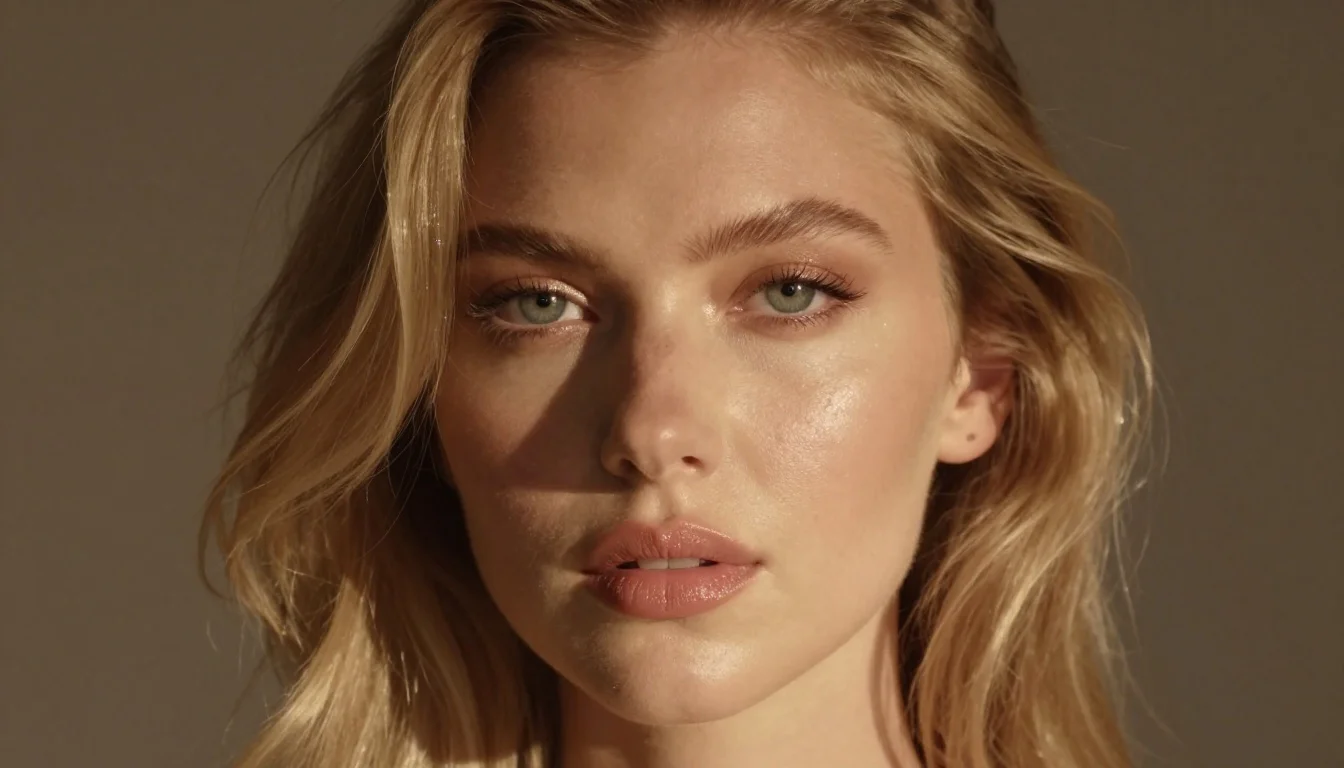
Pale skin has a delicate luminosity that is a genuine asset when you know how to dress for it. The right coat doesn't wash you out or make you disappear — it creates a beautiful, striking contrast or harmonious softness that makes pale skin look like the porcelain canvas it is. Here is what actually works.



120,000+
monthly users
Navy, camel, deep burgundy, and soft blush are consistently flattering on pale skin. Navy creates sophisticated contrast; camel adds warmth; burgundy gives jewel-toned richness; blush creates a romantic, harmonious look.
Pale skin has a delicate luminosity that is a genuine asset when you know how to dress for it. The right coat doesn't wash you out or make you disappear — it creates a beautiful, striking contrast or harmonious softness that makes pale skin look like the porcelain canvas it is. Here is what actually works.
Pale skin reflects light beautifully — it has a natural luminosity that gives you a wide range of coat colors to work with, but that same lightness means low-contrast coat choices can make you seem to fade into the background. The most flattering coats for pale skin either create clear, defined contrast against your complexion or use harmonious pale tones with enough variation to remain interesting.
Your undertone matters enormously here. Cool pale skin — with pink, bluish, or rosy undertones — is enhanced by cool coat colors: navy, deep burgundy, icy pastels, and cool jewel tones. Warm pale skin — with peachy, golden, or creamy undertones — is lifted by warm coat colors: camel, warm blush, soft rust, and ivory.
Very pale skin can easily be overwhelmed by some coat colors — very dark, heavy coats with no warm element can look harsh. The key is finding the right depth of contrast: enough to give you definition without creating a stark, harsh effect.
Navy is a universally flattering choice for pale skin — it creates clear, sophisticated contrast without the harshness of pure black. Against pale skin, navy reads as rich and polished rather than stark.
Warm camel and ivory tones create a soft, luminous contrast with pale skin that is both flattering and elegant. For warm-toned pale skin in particular, camel brings out the golden warmth in your complexion.
Rich burgundy and deep plum create dramatic, jewel-toned contrast against pale skin that looks luxurious and striking. These colors are especially beautiful on cool-toned pale skin where they echo the rosy undertone.
For cool pale skin, soft blush tones create a romantic, luminous look that honors the delicacy of your complexion. The harmonious pale-on-pale palette looks intentional and ethereally elegant rather than washed-out.


Navy coat over a white blouse and dark trousers. The deep navy creates clean, sophisticated contrast against pale skin that makes you look defined and polished without any harshness.
Camel coat with a cream knit and blue jeans. The warm camel against pale skin creates a beautiful contrast with just enough warmth — especially stunning on blondes or warm-toned pale complexions.
Deep burgundy coat with all-black underneath. The jewel-toned richness of burgundy is particularly striking against pale skin, creating a sophisticated, high-contrast look with depth and drama.
Blush or dusty rose coat with a soft grey knit and light jeans. For cool pale skin, the harmonious pale tones create a delicate, luminous look that feels fresh and intentional rather than washed-out.
Pale beige too close to your skin tone creates insufficient contrast, making the overall look flat and face-less. Unless the beige has clear warmth or golden depth, it blends with pale skin rather than framing it.
Yellow-green and lime tones can make pale skin look sallow or unwell — the yellow-green reflects onto a pale complexion in unflattering ways, particularly for cool-toned pale skin.
Very muted, flat charcoal grey can leach color from an already pale complexion. If you love grey, choose one with enough depth and saturation to create real contrast, or go for true charcoal.
Common coat mistakes for pale skin — and more flattering alternatives
Dark everyday coat
Navy and charcoal create defined contrast against pale skin without the stark, potentially harsh effect of pure black.
Neutral coat
Camel has enough golden warmth to create clear contrast with pale skin; pale beige merges with light complexions and disappears.
Statement coat
Deep greens have the saturation to create interesting contrast with pale skin; bright yellow-green can make pale complexions look unwell.
Feminine coat
Dusty rose has more visual complexity than baby pink — it looks intentional and elegant on pale skin rather than washed-out.
Winter coat
Navy and plum create the real contrast pale skin needs in winter; flat grey can create an overall low-contrast, dull effect.
Warm-season coat
Muted rust has warmth without overwhelming pale skin; bright orange can be too vivid against a pale complexion.
Pale skin appears across many color seasons — the exact shade of pale, your undertone, and your hair and eye color together determine your season and your most flattering palette.
 Cool Winter
 with pale skin has striking contrast and blue-pink undertones. Navy, deep burgundy, and icy pastels in coats are deeply flattering for this dramatic, crisp season.
Learn more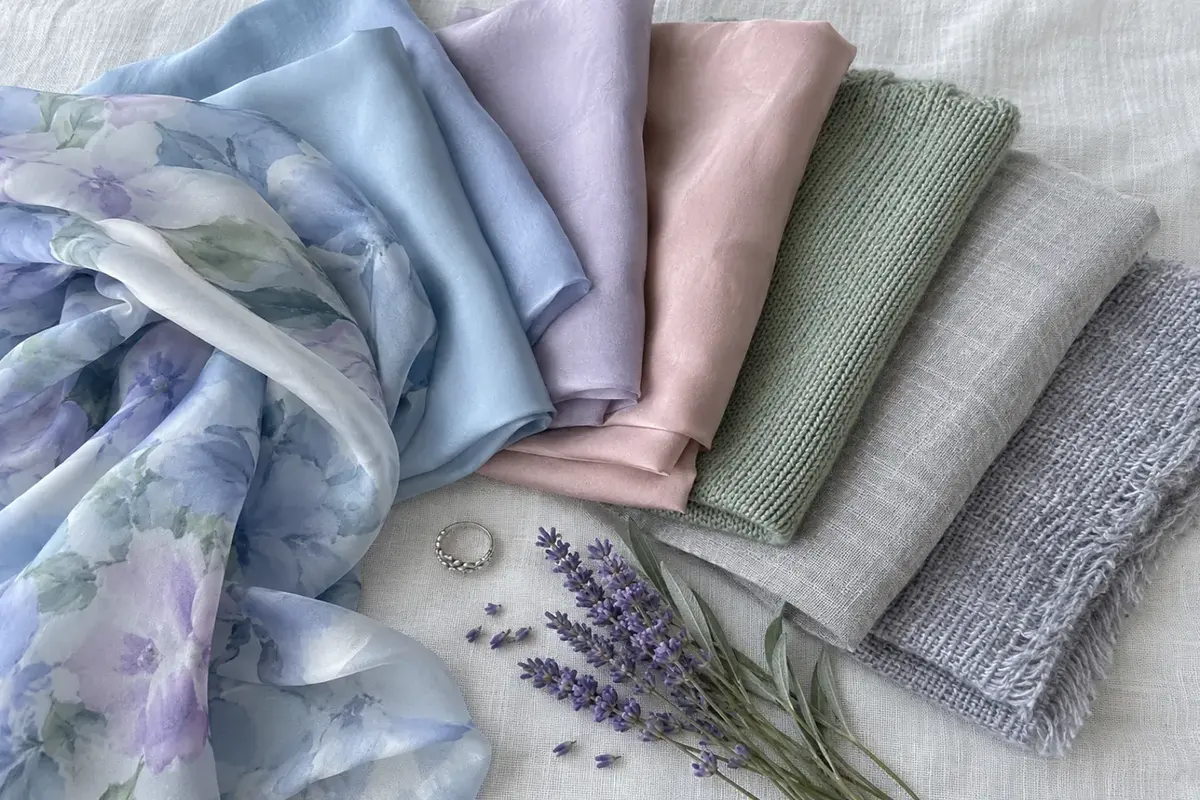 Light Summer
 has cool, soft, delicate pale skin. Blush, cool lavender, and soft grey-blue coats honor the gentle, low-contrast quality of this elegant season.
Learn more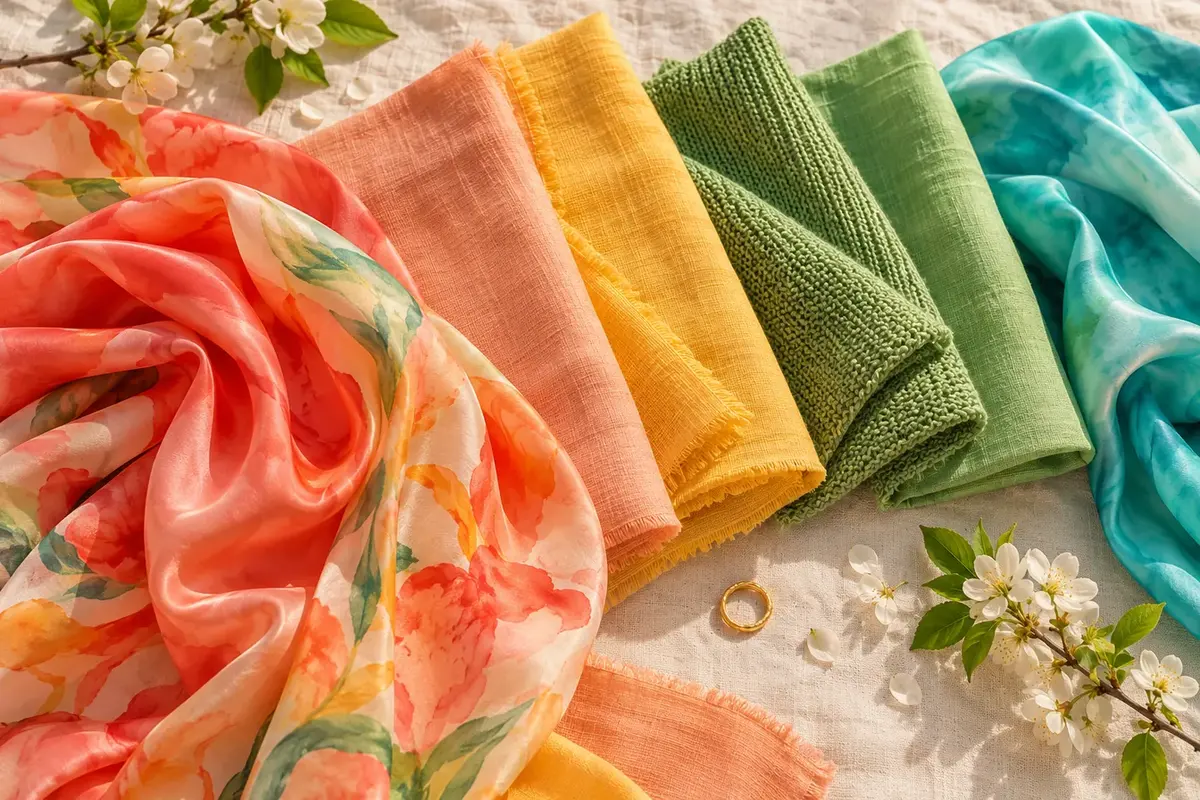 Light Spring
 has warm, fresh, delicate pale skin. Warm ivory, soft peach, and light camel coats bring out the luminous warmth in this season's delicate complexion.
Learn morePale skin is a beautiful canvas — the right coat makes it look porcelain-perfect. PaletteHunt identifies your exact color season and the full palette that brings out your complexion at its most luminous.
Preview Yourself In Your Palette
Get my personalized palettePreview Yourself In Your Palette

Explore more personalized color advice based on your features.
Want to see these colors on you? What Colors Look Good on Me
Navy, camel, deep burgundy, and soft blush are consistently flattering on pale skin. Navy creates sophisticated contrast; camel adds warmth; burgundy gives jewel-toned richness; blush creates a romantic, harmonious look.
Not necessarily — but navy and deep charcoal often look more dynamic on pale skin than pure black. They create defined contrast without the potentially stark effect that jet black can create against very pale complexions.
Yes — pale coats in camel, ivory, blush, or soft pastels can look beautiful on pale skin when they carry enough warmth or color depth to provide some contrast. The key is avoiding colors so close to your skin that you disappear.
Yes. Cool pale skin (pink or bluish undertones) is enhanced by navy, deep burgundy, plum, and blush. Warm pale skin (peachy or golden undertones) looks best in camel, warm ivory, soft rust, and warm blush.
Very pale beige that blends with your skin tone, yellow-green, flat charcoal grey, and very muted low-contrast tones can all drain pale skin by creating insufficient contrast or unflattering color reflections.