The Capsule Wardrobe forNeutral Undertones
Neutral undertones can wear both warm and cool colors. Discover how to build looks with shades that actually flatter you.
Neutral undertones sit between warm and cool — no strong golden cast, no strong pink cast. This gives you rare flexibility: the warmth side of the color wheel and the cool side both work for you. A capsule wardrobe for neutral undertones uses this advantage deliberately: true neutrals (navy, charcoal, white, camel) that work for everyone, plus a thoughtful selection of colors from both the warm and cool families that you can wear interchangeably. The result is a wardrobe that goes further with fewer pieces.


3,000+
happy clients
Why Neutral Undertones Build the Most Versatile Wardrobe
Neutral undertones sit between warm and cool — no strong golden cast, no strong pink cast. This gives you rare flexibility: the warmth side of the color wheel and the cool side both work for you. A capsule wardrobe for neutral undertones uses this advantage deliberately: true neutrals (navy, charcoal, white, camel) that work for everyone, plus a thoughtful selection of colors from both the warm and cool families that you can wear interchangeably. The result is a wardrobe that goes further with fewer pieces.
Neutral undertones have the most flexibility in color choice of any undertone type. Warm undertones must navigate away from cool-based colors; cool undertones are served poorly by warm earthy tones. Neutral undertones can wear both, which means every color category is available to you. This isn't just a beauty advantage — it's a wardrobe advantage. Your wardrobe can include both warm terracotta and cool dusty blue, both warm burgundy and cool navy, and all of them will work near your face.
The strategic opportunity for neutral undertones is to build a wardrobe where every piece can mix with every other piece. Because your undertone doesn't strongly pull toward warm or cool, you can place warm and cool colors together in outfits without temperature conflict. A warm camel coat with a cool dusty blue sweater works on neutral undertones in a way it wouldn't for a strongly warm or cool person. This mixing capacity means fewer pieces create more outfits.
The trap to avoid with neutral undertones is defaulting to the blandest version of "neutral" — beige, grey, mid-toned everything. Neutral undertones benefit from some commitment to depth or saturation in their color choices. The best neutral undertone wardrobes include a few rich, clear statement colors — a deep navy, a warm burgundy, a clear forest green — anchored by balanced neutrals. Without the statement colors, the wardrobe can lack the definition that makes each piece look intentional.
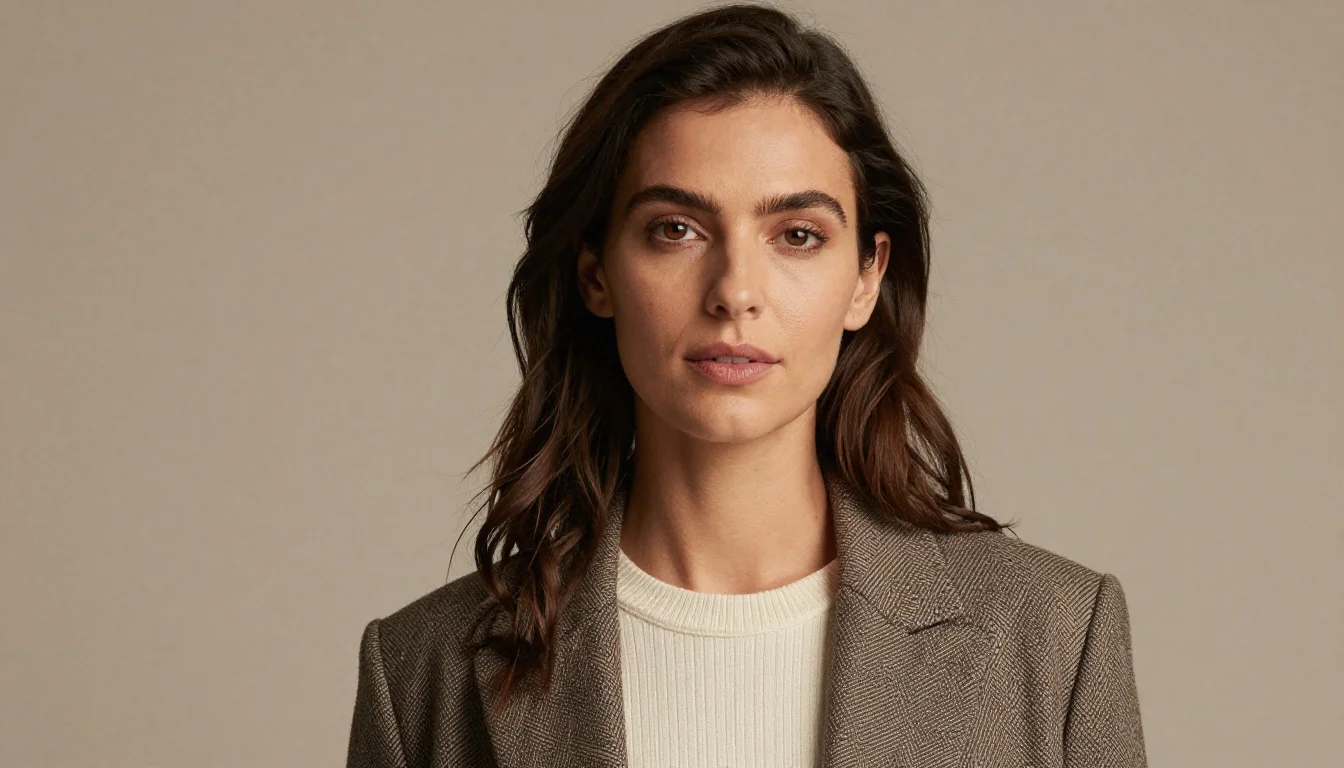
What colors should neutral undertones wear?
Neutral undertones can wear both warm and cool colors — a rare wardrobe advantage. Core pieces: midnight navy, warm charcoal, classic camel, and off-white cream as neutrals. Statement colors: deep burgundy or warm terracotta (warm), dusty steel blue or forest green (cool). Bridge pieces: true rose and warm ivory. The capsule works because all pieces coordinate across temperature, which isn't possible for strongly warm or cool undertones.
Your Core Wardrobe Colors
True Neutrals: Navy, Charcoal & Camel
These are your wardrobe anchors — the colors that work with everything else. Midnight navy is a more face-flattering neutral than black for neutral undertones; it creates depth without the cool-stark quality of true black. Warm charcoal (grey with a warm undertone) works better than cool grey, which can look slightly flat on neutral skin. Classic camel has enough warmth to look intentional without being so warm it clashes with cooler pieces. Off-white cream bridges warm and cool outfits.
Warm Statement Colors: Burgundy, Terracotta & Forest Green
These warm statement colors are your most powerful pieces — near the face, they make neutral undertones look vivid and defined. Burgundy is your most versatile statement color: it works for every season, every occasion, and every depth of neutral undertone. Terracotta and warm rust create a warm, rich look that works beautifully in the autumn-to-winter transition and in summer as a warm accent. Forest green is your green option: deep enough to look rich rather than casual.
Cool Statement Colors: Dusty Blue, Soft Teal & Lavender
Because your undertone doesn't strongly pull warm, you can wear cool-leaning colors that would fight warm undertones. Dusty steel blue is a versatile cool-neutral that works as both a statement and a near-neutral. Soft teal sits between warm and cool — accessible to neutral undertones in a way it isn't to strongly warm ones. Muted lavender works as a soft, elegant color that most warm undertones must avoid. These expand your wardrobe's color range significantly.
Transition Colors: True Rose, Warm White & Warm Ivory
Transition colors work with both your warm and cool statement pieces, bridging the temperature range. True rose sits between warm coral and cool pink — it works with burgundy, terracotta, navy, and dusty blue equally. Warm white and ivory are your best top neutrals — cleaner than cream but warmer than stark white. Mauve-taupe is your most versatile layering piece: it works as a neutral that adds warmth without the full commitment of camel.

Ready to see midnight navy & charcoal on your face?
Start my color analysisHow to Build Outfits for Neutral Undertones
Mix warm and cool pieces deliberately
One of the specific advantages of neutral undertones is that you can mix warm and cool colors in a single outfit without temperature conflict. A warm burgundy top with dusty blue trousers and a camel coat is a striking combination that works for neutral undertones — the warm top and cool trousers create a deliberate temperature contrast that reads as sophisticated rather than clashing. Experiment with warm-cool combinations that would look off on a strongly warm or cool person.
Build around your statement colors
Choose two or three statement colors as your capsule anchors — one warm (burgundy or terracotta), one cool (navy or dusty blue), one bridge (forest green or warm rose). Every piece you buy should coordinate with at least two of these anchors. This creates a wardrobe where every new piece fits the existing system. For neutral undertones, this cross-temperature coordination is possible in a way it isn't for strongly warm or cool people.
Vary depth rather than just temperature
Neutral undertones can sometimes default to all mid-toned pieces, which creates a flat, undifferentiated wardrobe. Add depth variation: a deep midnight navy blazer, a near-black trouser, a deep burgundy dress. Depth creates the visual definition that temperature alone doesn't provide. The combination of varied depth (dark to medium to light) with your temperature range (warm to cool) is what creates a capsule wardrobe with maximum visual range.
Use true rose and mauve as your connector pieces
True rose and mauve are your most useful connector pieces — they're neither warm nor cool, and they work with both your warm statement pieces and your cool ones. A true rose blouse works with burgundy trousers (warm pairing), navy jacket (cool pairing), and camel coat (neutral pairing). Invest in a high-quality true rose or mauve piece in a versatile silhouette — it becomes the connector that ties warm and cool outfits together.
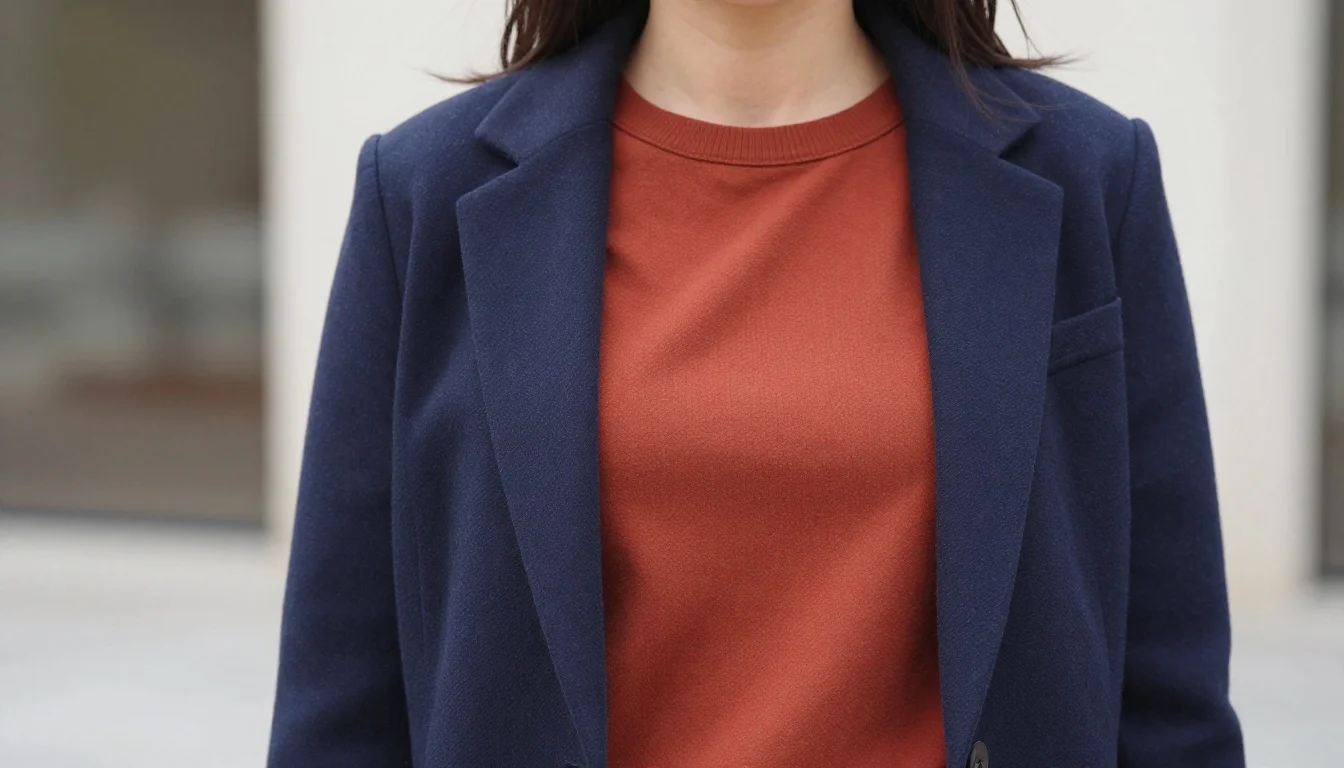
Colors That Underserve Neutral Undertones
Mid-toned muted beige and greige
Mid-toned muted beige and greige are the most common neutral undertone wardrobe mistakes — they're technically wearable but create no definition near a neutral face. These colors blend into neutral undertones without contrast, creating a flat, undifferentiated look. Camel (warmer, more golden) or cool dove grey (cooler, more distinct) both provide better definition than the beige-grey middle ground.
Very warm orange or vivid warm yellow near the face
Although neutral undertones can wear warmer colors than cool undertones, vivid orange and yellow near the face push toward the warm extreme without providing the flattering contrast that other warm tones do. Burnt orange and terracotta work because they have depth; vivid orange and yellow lack that depth and can make neutral undertones look washed out rather than vivid.
Very cool icy blue or blue-grey
Very cool icy shades can work for neutral undertones but are less effective than deeper cool tones. Icy blue-grey near a neutral face can create a slightly cold look without the richness of midnight navy or dusty steel blue. Cool colors with some depth (slate, teal, dusty blue) serve neutral undertones better than their icy pale counterparts.
Stop guessing — preview every look on you
See these looks on my photoYour Capsule, Upgraded
Common neutral undertone wardrobe pitfalls — and what to build instead.
Greige creates no definition against neutral skin. Camel adds warm distinction; dove grey adds cool crispness — both work better than undecided middle-ground beige.
Vivid orange overwhelms neutral undertones near the face. Burgundy and terracotta have the same warmth with depth that creates definition rather than washing out.
Icy blue lacks the depth to create definition on neutral skin. Dusty steel blue and soft teal have the same cool quality with more substance.
Bright white can look stark against neutral undertones. Warm white and ivory have a slight warmth that sits naturally against neutral skin without the clinical brightness.
Soft blush is close to neutral but lacks enough color to be a statement. True rose and warm mauve have the color presence to read as intentional while bridging warm and cool outfits.
Mid-beige is technically wearable but visually flat against neutral undertones. Camel and warm charcoal have more definition — camel adds warmth, charcoal adds depth.
Which Palette Might Be Yours?
Neutral undertones appear across several seasonal palettes. Your exact season refines which specific shades of your warm and cool statements are most effective.
Soft Summer
Learn moreIf your neutral undertones lean slightly cool and your coloring is soft rather than vivid, Soft Summer may be your season. Your capsule: muted dusty blue, dusty rose, soft warm taupe, muted teal, and dove grey. Soft Summer's palette is all muted — avoid vivid or highly saturated pieces in favor of the dusty, soft versions of these families.
Soft Autumn
Learn moreIf your neutral undertones lean slightly warm and muted, Soft Autumn may fit. Your capsule: muted terracotta, dusty warm olive, soft warm burgundy, muted teal, and warm cream. Soft Autumn's palette is warm and muted — avoid cool pieces and vivid saturation in favor of earthy, softened warmth.
Light Spring
Learn moreIf your neutral undertones have a clear, light quality and your overall coloring is light and warm-clear, Light Spring may be yours. Your capsule: warm peach, light warm ivory, golden camel, soft warm aqua, and warm dusty rose. Light Spring's palette is light and clear — avoid heavy or muted pieces in favor of light, warm, fresh tones.
Build Your Exact Capsule
Neutral undertones give you more wardrobe flexibility than any other undertone type — but that flexibility is most powerful when it's used with intention. Your exact seasonal palette identifies which specific warm statement, which cool accent, and which neutrals are most yours. A personalized color analysis turns your range into a precise, coherent wardrobe system.
Stop guessing — preview every color on you
Preview Yourself In Your Palette
Get my personalized paletteStop guessing — preview every color on you
Preview Yourself In Your Palette

Related Guides for Capsule Wardrobe for Neutral Undertones
Explore more personalized color advice based on your features.
Want to see these colors on you? Skin Undertone Test — free to try.
Frequently Asked Questions About Capsule Wardrobe for Neutral Undertones
What colors should neutral undertones wear?
Neutral undertones can wear both warm and cool colors — a rare wardrobe advantage. Core pieces: midnight navy, warm charcoal, classic camel, and off-white cream as neutrals. Statement colors: deep burgundy or warm terracotta (warm), dusty steel blue or forest green (cool). Bridge pieces: true rose and warm ivory. The capsule works because all pieces coordinate across temperature, which isn't possible for strongly warm or cool undertones.
How do I know if I have neutral undertones?
Neutral undertones have no strongly golden or strongly pink-blue cast — your skin looks balanced in between. Test: look at your inner wrist veins in natural light. Blue-green or indeterminate color suggests neutral undertones. Also test: if gold and silver jewelry look equally good on you (rather than one clearly better), you're likely neutral. Skin that tans easily but also has some pinkness, or that looks "beige" rather than clearly golden or pink, often has neutral undertones.
Can neutral undertones wear both warm and cool colors?
Yes — this is the main wardrobe advantage of neutral undertones. Warm colors (terracotta, burgundy, camel) harmonize with the warm register in your skin; cool colors (dusty blue, forest green, dove grey) work with the cool register. You can even mix warm and cool colors in a single outfit without temperature conflict — a warm burgundy with cool dusty blue works for neutral undertones in a way it doesn't for strongly warm or cool people.
What neutral colors are best for neutral undertones?
Midnight navy, warm charcoal, classic camel, and warm ivory are the most effective neutrals for neutral undertones. They're better than mid-beige and greige, which create no definition. Navy adds cool depth; camel adds warm definition; warm charcoal adds dark depth with warmth; warm ivory bridges warm and cool looks. These four cover all the neutral bases a capsule wardrobe needs.
What colors should neutral undertones avoid?
Mid-toned muted beige and greige near the face — they create no definition. Very vivid orange and yellow that overwhelm rather than flatter. Very icy pale blue and lavender without depth. The main pattern: avoid colors that are either tonally undecided (greige) or at the extreme vivid or pale ends of temperature families. Depth and some clarity serve neutral undertones best.
How many colors should be in a neutral undertone capsule?
A well-functioning neutral undertone capsule needs: 4 true neutrals (navy, charcoal, camel, off-white), 2-3 warm statement colors (burgundy, terracotta, forest green), 2-3 cool statement colors (dusty blue, teal, soft lavender), and 1-2 bridge pieces (true rose, mauve). That's 9-12 colors covering all occasions. Because neutral undertones can mix warm and cool, these 12 colors create more outfit combinations than a same-sized warm or cool wardrobe would.