The Right Shade of Orangefor Cool Undertones
Cool undertones and orange seem incompatible — but specific shades can work beautifully. Discover how to find the colors that actually flatter your coloring.
Cool undertones — the blue, pink, or rosy quality beneath the skin's surface — and orange sit at opposite ends of the color temperature spectrum. Most orange shades will create a visible clash with cool undertones, and most color advice simply says 'avoid orange.' That's partially true and partially lazy. There is a narrow but real corridor of orange shades that can work for cool-undertoned skin, and understanding what makes them work opens up a color family that does not have to be entirely off-limits.


3,000+
happy clients
Why Orange Is the Hardest Color for Cool Undertones
Cool undertones — the blue, pink, or rosy quality beneath the skin's surface — and orange sit at opposite ends of the color temperature spectrum. Most orange shades will create a visible clash with cool undertones, and most color advice simply says 'avoid orange.' That's partially true and partially lazy. There is a narrow but real corridor of orange shades that can work for cool-undertoned skin, and understanding what makes them work opens up a color family that does not have to be entirely off-limits.
Cool undertones have a blue, pink, or rosy quality beneath the skin surface. Orange is a warm color — unambiguously. The temperature contrast between cool skin and warm orange is the most extreme in the entire color wheel. When you place an orange garment near cool-undertoned skin, the skin's cool quality is thrown into sharp relief by the orange's warmth, and the contrast is not the flattering kind — it creates a washed-out or sickly appearance rather than a glowing one.
The only oranges that can work for cool undertones are those that have either a pink quality (moving the orange toward rose territory, which is cooler) or sufficient depth (where the richness of the shade neutralizes some of the temperature conflict). Coral is the primary example of the first category — it has enough pink to serve as a bridge between cool skin and orange territory. Burnt orange and deep rust are the primary examples of the second — where depth provides neutralization.
Even within the workable shades, cool undertones will always have more success with adjacent colors: pink, rose, burgundy on the cool side, and warm neutrals on the bridging side. Orange is genuinely the most challenging color family for cool-undertoned skin. The goal of this guide is not to oversell orange to cool undertones but to identify the specific shades where success is possible.
Can cool undertones wear orange?
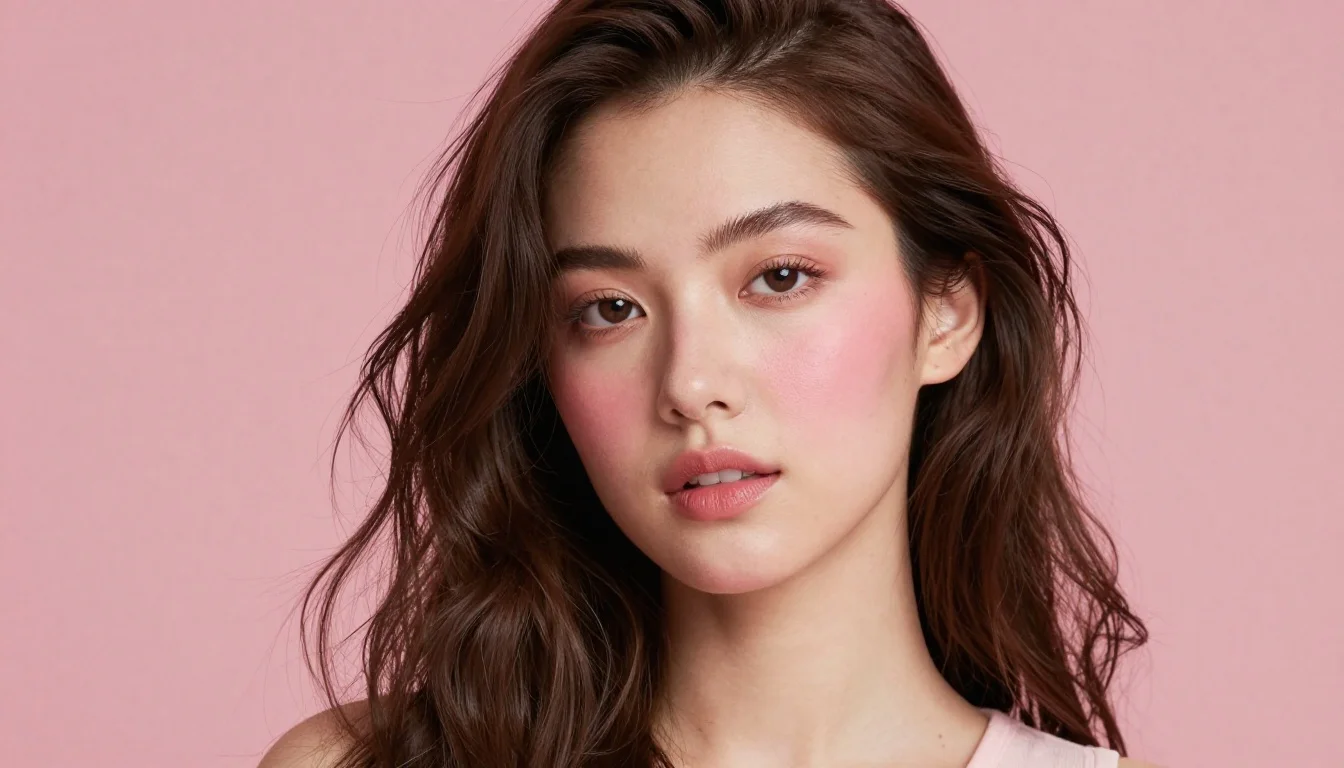
Rarely, and only in specific shades. Cool-toned pink coral and deep burgundy-orange are the most accessible orange-family shades for cool undertones. Vivid orange, yellow-orange, and pumpkin orange should be avoided. The temperature conflict between cool undertones and warm orange is real and significant, though not entirely insurmountable at the edges of the spectrum.
Your Best Shades of Orange
Coral
Coral is the gateway orange for cool undertones. The pink component in coral bridges the gap between cool skin and orange warmth — instead of a pure warm-cool clash, there is a pink intermediary that the cool undertone can relate to. Rose coral and pink-toned coral work particularly well for cool undertones; the more the coral leans toward pink or rose, the more accessible it is. This is your primary orange-family color if you have cool undertones.
Deep Rust and Burgundy-Orange
At the deepest, darkest end of the orange family — where rust meets burgundy — the warmth of orange is moderated by depth and the proximity to red. This deep burgundy-orange territory is one of the few places cool undertones can access. The depth neutralizes the worst of the warm-cool conflict, and the proximity to burgundy (which is a cool-friendly color) makes the shade feel more harmonious. Cool-undertoned skin with high contrast (dark hair, dark eyes) handles this best.
Burnt Orange (with caution)
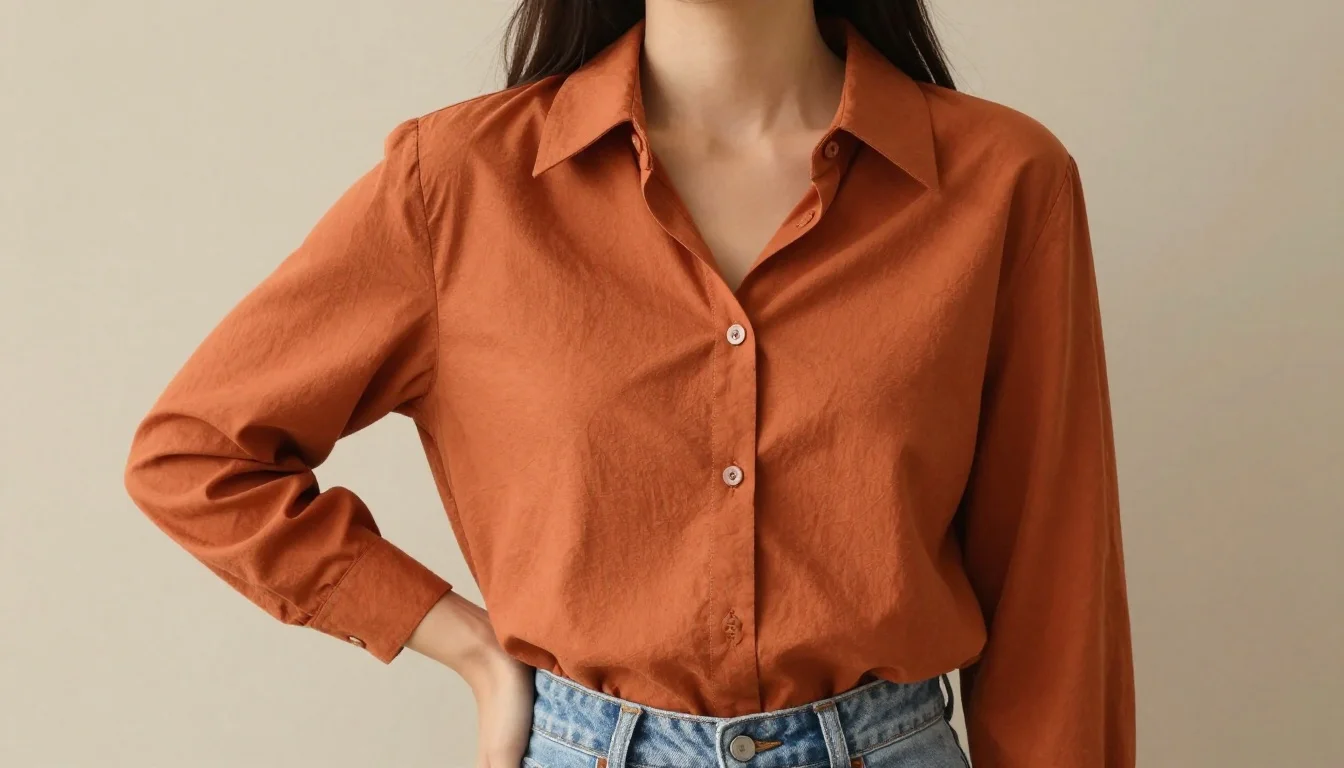
Burnt orange sits at the accessible edge of the warm-orange zone for cool undertones — it is earthy and muted enough to be somewhat wearable for cool-toned skin, especially if worn away from the face (as a trouser, skirt, or coat) or as a print element rather than a solid statement. Worn as a top directly against cool-toned skin, it requires more careful evaluation. The muted quality helps; the warmth still clashes somewhat, but less aggressively than vivid orange.
Terracotta (for high-contrast cool undertones)
For cool-undertoned skin with very high contrast — very fair skin with dark hair and sharp eye color — deep terracotta and earthy clay can work as a deliberate contrast play rather than a harmonious one. The depth of the terracotta and the high contrast of the coloring combine to create a look that feels intentional. This is not a harmonious pairing in the undertone sense; it's a contrast pairing that cool, high-contrast skin can sometimes pull off.

Ready to see coral & rose coral on your face?
Start my color analysisHow to Wear Orange with Cool Undertones
Stick to coral
If you have cool undertones and want to be in the orange-family at all, coral should be your primary destination. Choose rose coral, pink coral, or coral with a clear pink component rather than warm golden coral. A cool-toned coral blouse or dress near the face is the most accessible orange-family choice for cool-undertoned skin. Pair with cool neutrals — soft white, light grey, cool beige — or with rose and dusty rose for a cohesive cool palette.
Use distance from face
If you love a particular warm orange but know it creates a cool-skin conflict near your face, wearing it as a trouser, skirt, or shoe can be a viable compromise. The orange creates visual interest and warmth in the outfit without sitting adjacent to the face where the clash is most visible. A burnt orange trouser with a cool-toned blouse is a way to access the color family from a strategic distance.
High-contrast cool skin
Cool-undertoned skin with dramatic contrast — very fair with very dark hair and sharp features — has more latitude with orange than soft or low-contrast cool skin. The high contrast of the coloring creates a framework for deliberate color drama. A deep terracotta or dark rust piece worn as contrast against high-contrast cool skin can look intentional rather than clashing.
Print and pattern strategy
Orange in print form — mixed with cool tones like blue, pink, or white — is more accessible for cool undertones than orange in solid form. A floral with orange and pink elements, or a geometric pattern with orange and navy, allows cool-undertoned skin to include orange in the wardrobe without the full-saturation clash of a solid orange piece. The other colors in the print create visual bridges.
Shades of Orange to Skip
Vivid orange (tangerine, true orange)
Pure vivid orange is the most problematic shade for cool undertones. The full warmth of orange with no moderating pink, depth, or earthiness clashes directly with cool undertones, making the skin appear sallow, greyish, or simply washed out. This is the shade where the advice "cool undertones should avoid orange" comes from, and it is correct for this specific zone.
Yellow-orange (mango, citrus orange)
Yellow-orange sits at the farthest temperature distance from cool undertones of any shade in this family. The yellow component intensifies the warm-cool conflict and can create a particularly unflattering interaction with the blue or pink quality of cool undertones. Mango and citrus are consistently the worst shades of orange for cool-toned skin.
Pumpkin orange
Pumpkin sits at the heart of the orange spectrum — vivid, warm, and flat — creating the most visible temperature conflict for cool undertones. Without depth to neutralize or pink to bridge, pumpkin is straightforwardly unflattering on cool-toned skin. It is also very saturated, which amplifies the clash.
Pale or washed-out peach-orange
While less aggressively warm than vivid orange, pale peach-orange still has enough warmth to create a subtle clash with cool undertones — and unlike deep rust, it has no depth to neutralize that clash. The result tends to be a washed-out, slightly unhealthy quality rather than a soft warmth. Cool undertones should not confuse peach with pink: the orange quality of peach is always present.
Stop guessing — preview every shade on you
See myself in my colorsOrange Swaps for Cool Undertones
Finding the accessible edges of the orange family for cool-toned skin.
Vivid orange directly clashes with cool undertones. Rose coral bridges the temperature gap with pink warmth that cool skin can harmonize with.
Tangerine is pure warm clash for cool undertones. Deep rust has enough depth to moderate the conflict, especially for professional dressing where the rest of the look is kept cool.
Warm orange at evening impact is particularly unflattering on cool skin. Burgundy-orange sits close enough to burgundy (a cool-friendly color) to create a more workable result.
Pumpkin is the most unflattering shade for cool undertones. If you want warmth, muted coral or dusky rose delivers warmth without the orange conflict.
A vivid orange coat is a very high-risk choice for cool undertones. Brick red and burgundy deliver the warmth and autumn-appropriate richness without the orange clash.
Orange accessories near the face will still create the cool-warm conflict. Coral softens that conflict; warm metals add warmth without the orange overtone.
Which Palette Might Be Yours?
Cool undertones appear across the Summer and Winter seasonal families. Your seasonal identity shapes what little orange is accessible to you.
Cool Summer
Learn moreCool-undertoned skin with soft, muted coloring and low contrast often falls in Cool Summer. Orange is largely outside your best palette, but soft rose-coral is the closest you can get. Your natural territory is dusty rose, lavender, soft blue, and cool pastels. If you wear orange at all, keep it as a very small accent.
Cool Winter
Learn moreCool-undertoned skin with high contrast — very fair or deep with sharp, bright features — often falls in Cool Winter. You have slightly more latitude with deep, rich colors generally, and deep burgundy-orange or very muted rust in small amounts may be accessible. Your power colors remain jewel tones, sharp cool shades, and vivid non-orange brights.
Bright Winter
Learn moreCool undertones with very high contrast and vivid natural coloring may fall in Bright Winter. Your best oranges remain limited — vivid coral is your most accessible orange-family choice. The high contrast of Bright Winter coloring gives you slightly more room to use color as contrast, but the undertone temperature conflict with true orange remains.
Find Your Exact Colors
Cool undertones have genuine challenges with the orange family, but they are not entirely locked out. Coral, deep rust, and carefully chosen deep oranges can work in specific contexts. More importantly, knowing which shades to avoid empowers you to stop wasting money on oranges that will never work for your skin. A personalized color analysis identifies the precise edges of what your cool undertones can and cannot handle in this challenging color family.
Stop guessing — preview every color on you
Preview Yourself In Your Palette
Get my personalized paletteStop guessing — preview every color on you
Preview Yourself In Your Palette

Related Guides for Best Shade of Orange for Cool Undertones
Explore more personalized color advice based on your features.
Want to see these colors on you? Skin Undertone Test — free to try.
Frequently Asked Questions About Best Shade of Orange for Cool Undertones
Can cool undertones wear orange?
Rarely, and only in specific shades. Cool-toned pink coral and deep burgundy-orange are the most accessible orange-family shades for cool undertones. Vivid orange, yellow-orange, and pumpkin orange should be avoided. The temperature conflict between cool undertones and warm orange is real and significant, though not entirely insurmountable at the edges of the spectrum.
What orange shades work for cool undertones?
Coral (especially rose coral or pink coral), deep rust, and burgundy-orange are the most accessible shades within the orange family for cool undertones. The pink component in coral bridges the temperature gap; the depth in dark rust neutralizes some of the warm-cool conflict. Even these shades require more care for cool undertones than they do for warm-toned skin.
Why does orange look bad on cool undertones?
Orange is a warm color and cool undertones have blue or pink quality beneath the surface. The temperature contrast between the two is extreme — the warm orange throws the coolness of the skin into sharp unflattering relief, creating a washed-out or sallow appearance. The wider the gap between a color's temperature and the skin's undertone, the more pronounced the clash.
Is coral a good orange alternative for cool undertones?
Coral is the best orange-family option for cool undertones. The pink in coral bridges the temperature gap between cool skin and warm orange. Choose rose coral or pink coral rather than warm golden coral for the best result. True pink is even safer, but coral allows you to be in the orange-adjacent territory without the full clash of pure orange.
Can cool undertones wear terracotta?
Occasionally and with care. Very high-contrast cool-undertoned skin can sometimes carry deep terracotta as a deliberate contrast choice rather than a harmonious one. For most cool undertones, terracotta will create a visible warm-cool conflict. If you want to try it, keep it away from the face and pair it with cool-toned pieces everywhere else.