The Right Shade of Orangefor Dark Skin
Dark skin and orange is a stunning combination when you choose the right shades. Discover how to find the colors that actually flatter your coloring.
Dark skin has an extraordinary relationship with orange — this is one of the most naturally harmonious pairings in color dressing. The warm, rich quality of deep complexions meets orange's warmth and the result, when the shade is right, is genuinely luminous. But there is still a spectrum within orange where dark skin thrives and a narrower zone where it does not. Understanding that spectrum means knowing which oranges to reach for confidently and which to leave on the rack. This guide makes that distinction clear.


3,000+
happy clients
Why Orange Is a Natural Strength for Dark Skin
Dark skin has an extraordinary relationship with orange — this is one of the most naturally harmonious pairings in color dressing. The warm, rich quality of deep complexions meets orange's warmth and the result, when the shade is right, is genuinely luminous. But there is still a spectrum within orange where dark skin thrives and a narrower zone where it does not. Understanding that spectrum means knowing which oranges to reach for confidently and which to leave on the rack. This guide makes that distinction clear.
Dark skin contains high levels of melanin, which gives it rich, warm undertones that sit naturally in harmony with the warmth of orange. Unlike pale skin where vivid orange can overwhelm, or olive skin where orange must be carefully earthed, dark skin has enough pigment depth to meet orange's intensity and create a genuine visual dialogue between skin and color. The result is that dark skin can handle a wider range of oranges — including some that are more saturated — than lighter complexions.
The key variable for dark skin and orange is vibrancy versus mudding. Very muted, dusty oranges can disappear against dark skin's richness, creating a flat appearance rather than the glow that the right orange delivers. Dark skin's natural depth means it benefits from colors with corresponding presence — either genuine saturation or clear warmth and brightness. The oranges that fall flat on dark skin are typically those that are too pale, too greyed, or too dusty to hold their own.
Undertone matters even within dark skin. Dark skin can carry warm, red-brown, neutral, or cooler undertones. Deeply warm dark skin with red-brown undertones handles red-leaning oranges — paprika, coral, warm brick — with particular ease. Darker skin with cooler or more neutral undertones may find that golden, amber, or bright tangerine oranges create more of a glow than earthy terra cottas, though the range is wide. Knowing your specific undertone opens up the full breadth of oranges available to dark skin.
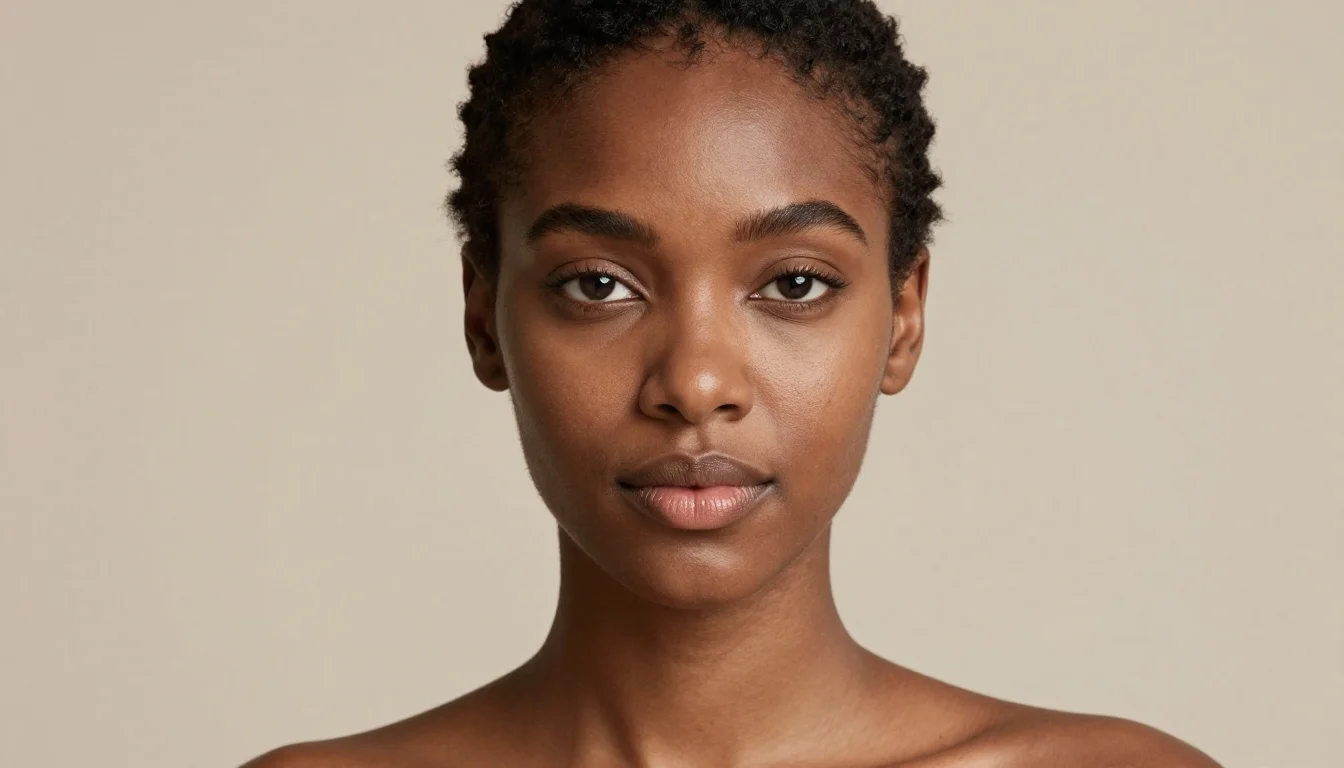
What shade of orange is best for dark skin?
Vivid orange, terracotta, golden amber, and paprika are all excellent choices for dark skin. Dark complexions have the richness to carry a wide range of oranges, from saturated tangerine to earthy burnt sienna. The key is avoiding very pale, dusty, or greyed oranges that lack the presence to complement deep skin.
Your Best Shades of Orange
Vivid Orange
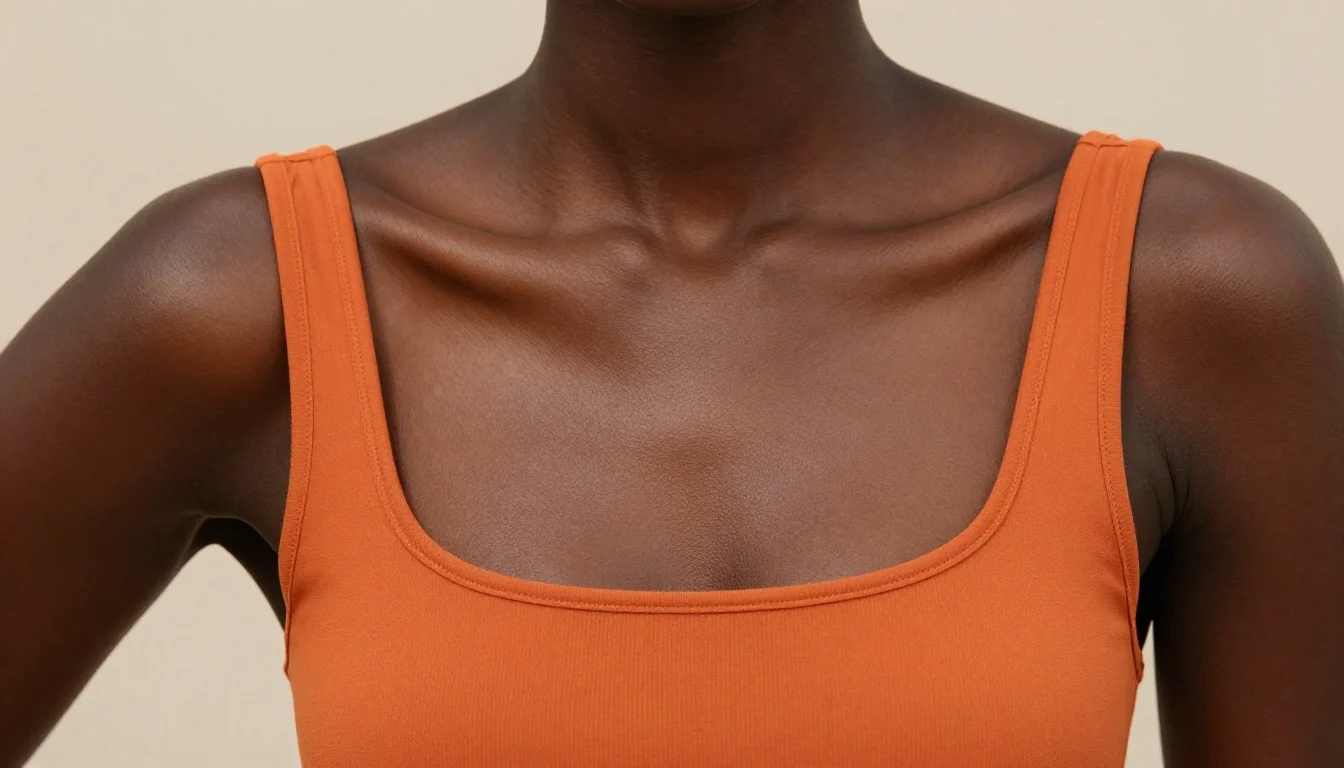
Dark skin is one of the few complexion types that can wear vivid, saturated orange with full confidence. The depth of the skin meets the depth of the color, creating the kind of high-impact, glowing result that vivid orange was made for. A bright tangerine dress or true orange top on dark skin is electrifying — the warmth of the skin and the warmth of the color amplify each other. This is the orange formula that lighter skin tones cannot execute in the same way.
Terracotta and Rust
Earthy, grounded oranges are particularly beautiful on dark skin for elevated everyday and professional contexts. Terracotta, rust, and burnt sienna have the depth and warmth to create a rich, sophisticated pairing with deep complexions. A burnt sienna blazer on dark skin is an instantly refined look — warm, grounded, and unmistakably intentional. These shades work across all dark undertones.
Amber and Golden Orange
Golden amber and warm saffron oranges have a particular luminosity on dark skin. The yellow-warm quality in amber interacts with the rich melanin in dark skin to create a genuinely glowing effect. Golden orange — vivid but warm rather than fluorescent — is one of the most striking choices for dark skin in this entire family. It catches light beautifully and creates a sense of radiance that is uniquely powerful on deep complexions.
Paprika and Coral
Red-leaning oranges — paprika, spiced coral, warm red-orange — are excellent for dark skin with warm or red-brown undertones. The red quality within these shades creates a deep, warm harmony with dark skin's natural richness. Paprika is particularly versatile: it has the warmth and saturation to show up powerfully against deep complexions while the red component adds sophistication. Warm coral brings a brightness and freshness that works beautifully in casual and summer contexts.

Ready to see orange & tangerine on your face?
Start my color analysisHow to Wear Orange with Dark Skin
Daily wear
Dark skin has full permission to wear vivid, saturated orange in everyday contexts and look extraordinary doing it. A true orange or tangerine top is an effortlessly powerful everyday choice. Pair it with warm neutrals — cream, camel, warm white — or ground it with deep brown, dark chocolate, or rich olive. The combination of vivid orange and warm neutrals on dark skin is one of the most cohesive and natural-looking formulas in color dressing.
Professional settings
Terracotta, burnt sienna, and deep rust are the professional-context oranges for dark skin. These grounded, earthy shades have enough gravitas for formal environments while creating the warmth and richness that highlights dark skin's depth. A terracotta blazer or rust blouse with dark trousers is powerful and refined. Gold accessories enhance the warmth further.
Evening and occasions
For evening, golden orange, deep amber, and paprika are spectacular on dark skin in event lighting. The warm tones catch light and create genuine luminosity. A vivid orange or golden amber gown on dark skin is a genuine show-stopper. Pair with yellow gold or warm bronze jewelry. Dark skin in saturated orange at an evening event is one of the most striking color combinations possible.
Print and pattern
Orange prints — botanical, geometric, abstract — are excellent for dark skin because the print distributes the color dynamically, creating visual interest without the full-saturation commitment of a solid piece. Orange-based patterns mixed with brown, cream, or ochre are particularly strong. Dark skin can anchor vivid orange prints in a way that lighter complexions sometimes cannot.
Shades of Orange to Skip
Very pale peach or apricot
Pale, washed-out oranges lack the depth and saturation to hold their own against dark skin's richness. They tend to look flat and disconnected rather than complementary. Dark skin needs color with presence; pale peach has none.
Dusty or greyed-down orange
Very muted, desaturated oranges — the kind that look like faded versions of the real thing — can make dark skin look ashy rather than glowing. Dark skin benefits from clear warmth and vibrancy in the orange family, not from mudded or greyed versions.
Fluorescent or neon orange
While dark skin can handle vivid orange, genuinely fluorescent or neon orange tips into costume territory. The artificial quality of neon orange can make even deep complexions look unnatural. There is a difference between vivid and neon — stay vivid, avoid neon.
Cool-toned "orange" (orange-pink)
Some shades marketed as orange have a cool, fluorescent-pink quality that clashes with the warmth of dark skin's undertones. These cool-orange shades create an unflattering temperature conflict. If the orange looks more hot-pink than warm-orange, it will not create the harmonious glow that true warm oranges deliver.
Stop guessing — preview every shade on you
See myself in my colorsOrange Swaps for Dark Skin
Maximizing the natural harmony between orange and deep complexions.
Pale peach lacks the presence to complement dark skin's richness. Vivid orange meets the skin's depth and creates a luminous, glowing effect.
Muted, greyed orange reads flat against deep skin. Terracotta and burnt sienna have the warm depth that creates a rich, cohesive appearance.
Neon orange looks artificial even on dark skin. Golden orange has the richness and warmth to create genuine luminosity in evening light.
Cool-toned orange creates a temperature conflict with dark skin's warmth. Paprika and warm red-orange reinforce the skin's natural warmth.
Apricot does not have the depth to show up against dark skin. Rust and amber bring the richness needed to create a cohesive, warm look.
Pastel orange accessories disappear against dark skin. Vivid coral or amber creates a warm, eye-catching accent that actually registers as color.
Which Palette Might Be Yours?
Dark skin appears across several seasonal palettes. Your specific undertone and hair and eye depth determine which orange shades are in your seasonal range.
Deep Autumn
Learn moreRich, warm dark skin with brown or golden undertones and deep brown or dark hair often falls in Deep Autumn. Your oranges are warm and earthy: terracotta, burnt sienna, paprika, deep amber, and rich rust are all natural fits. Vivid oranges are also possible, but the earthy and saturated warm oranges are your sweet spot.
Deep Winter
Learn moreDark skin with cooler or more neutral undertones, high contrast, and very dark features may fall in Deep Winter. Your oranges should be vivid and clear rather than earthy: bright tangerine, deep coral, and warm saturated orange work better for you than muted terracotta. The high contrast of your coloring anchors vivid oranges well.
Warm Autumn
Learn moreDark skin with particularly warm, red-brown undertones and warm-toned eyes may fall in Warm Autumn. Your oranges lean into the red-warm family: paprika, spiced coral, and warm brick orange suit your palette naturally. Golden amber is also a strong choice for Warm Autumn dark skin.
Find Your Exact Colors
Orange and dark skin is one of the most naturally powerful pairings in color dressing. From vivid tangerine to earthy terracotta to golden amber, the orange family offers deep complexions a wide range of flattering options. A personalized color analysis identifies exactly which shades within this family create the most luminous result for your specific undertone and depth.
Stop guessing — preview every color on you
Preview Yourself In Your Palette
Get my personalized paletteStop guessing — preview every color on you
Preview Yourself In Your Palette

Related Guides for Best Shade of Orange for Dark Skin
Explore more personalized color advice based on your features.
Want to see these colors on you? What Colors Look Good on Me — free to try.
Frequently Asked Questions About Best Shade of Orange for Dark Skin
What shade of orange is best for dark skin?
Vivid orange, terracotta, golden amber, and paprika are all excellent choices for dark skin. Dark complexions have the richness to carry a wide range of oranges, from saturated tangerine to earthy burnt sienna. The key is avoiding very pale, dusty, or greyed oranges that lack the presence to complement deep skin.
Can dark skin wear bright orange?
Yes — dark skin is one of the best complexion types for bright, vivid orange. The depth of dark skin meets the intensity of bright orange, creating a luminous, harmonious result that lighter complexions often cannot achieve with the same shade. Vivid orange is a genuine strength for deep complexions.
Is orange a good color for dark skin?
Orange is an excellent color for dark skin. The warm undertones in most dark complexions align naturally with orange's warmth, creating harmony rather than clash. Dark skin has enough visual presence to carry the full spectrum from vivid orange to earthy terracotta, making it one of the most versatile complexion types for this color family.
What orange shades should dark skin avoid?
Pale peach, dusty or greyed oranges, and fluorescent neon orange are the least flattering choices for dark skin. Pale and dusty oranges lack the depth to complement dark skin's richness and often look flat or ashy. Neon orange looks artificial. The rest of the orange family is broadly accessible for dark complexions.
What jewelry pairs best with orange on dark skin?
Yellow gold, bronze, and warm copper are the ideal metal pairings for orange on dark skin. They reinforce the warm harmony between deep skin and warm orange. Rose gold also works beautifully. Silver and white gold can introduce a cool contrast that disrupts the natural warmth of the combination.