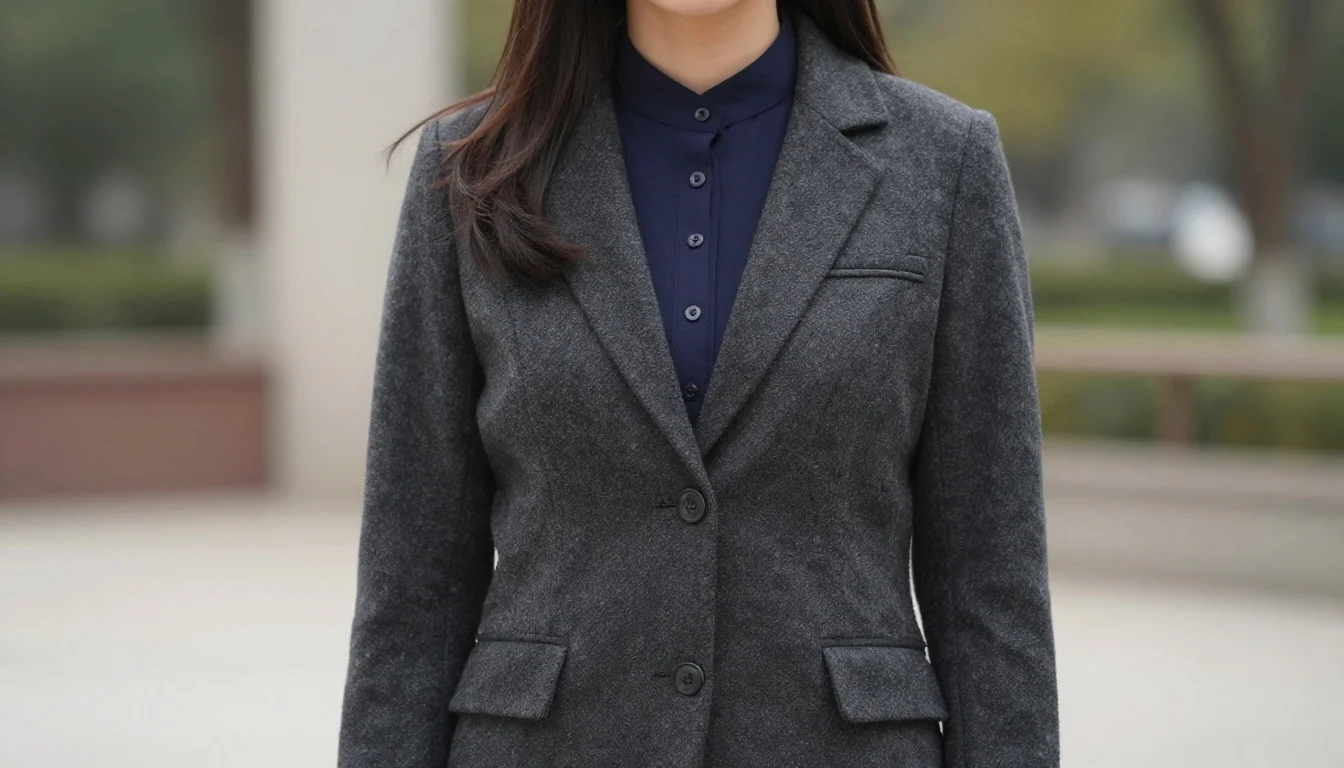
Funeral attire calls for dark, somber, respectful colors. But the default of stark black can be one of the least flattering options for warm undertones. True black is a cool-based color that neutralizes the golden quality in warm skin, making you look pallid and exhausted on an already difficult day. Warm charcoal, deep chocolate brown, warm navy, and dark olive achieve the same respectful darkness while working with your skin's natural temperature. You can honor the solemnity of the occasion without sacrificing the natural color harmony that keeps you looking composed and present.
Black is the universal funeral default, and for many skin tones it works well. But for warm undertones specifically, true black introduces a temperature conflict that becomes most visible precisely when you want to look composed. Black's cool blue base neutralizes the golden warmth in your skin, creating a pallid, slightly grey quality near the face. On a day when emotional stress already affects how you look, a color that actively drains your complexion compounds the effect.
The dark alternatives for warm undertones — warm charcoal, deep chocolate, dark olive, and warm navy — carry the same solemnity and visual gravity as black while maintaining the warm temperature that keeps your skin looking natural. No one at a funeral will notice the difference between black and deep chocolate brown. But you will look more composed and more like yourself in a dark warm tone that works with your skin rather than against it.
Funeral dress codes vary by culture, religion, and family. In many traditions, dark colors beyond black are entirely appropriate. Deep navy, dark brown, and dark grey are widely accepted. In traditions where strictly black is expected, a very dark warm charcoal — nearly indistinguishable from black — provides the respectful appearance while maintaining a warmer base. The goal is not to make a style statement. It is to look present, composed, and like yourself on one of the hardest days.