Fall Outfits forBlonde Hair
The secret to fall outfits for blonde hair is outfit depth — not just individual colors. Discover how to build looks with shades that actually flatter you.
Fall is the season that tests blonde hair the most. The earthy, muted palette of autumn — dusty sages, greiges, soft camels, warm taupes — can either feel like a natural extension of light hair or wash the whole look into one undifferentiated pale blur. The difference between a fall outfit that makes blonde hair glow and one that makes it disappear comes down to a single principle: depth. Not just color warmth, not just seasonal appropriateness — depth near the face, depth in the outfit's anchor pieces, and depth in the combination as a whole.


3,000+
happy clients
Why Depth Matters More Than Warmth for Fall Blondes
Fall is the season that tests blonde hair the most. The earthy, muted palette of autumn — dusty sages, greiges, soft camels, warm taupes — can either feel like a natural extension of light hair or wash the whole look into one undifferentiated pale blur. The difference between a fall outfit that makes blonde hair glow and one that makes it disappear comes down to a single principle: depth. Not just color warmth, not just seasonal appropriateness — depth near the face, depth in the outfit's anchor pieces, and depth in the combination as a whole.
The fall palette is famously earthy — dusty sage, soft camel, greige, warm taupe, muted terracotta. These shades are appealing in isolation, but for blonde hair they carry a hidden risk: they sit at a similar light value to most blonde hair. When a pale blonde wears all muted, soft fall tones from head to toe, there is no contrast anchor. Hair, face, and outfit merge into one undifferentiated light zone. The result is not 'fall chic' — it is washed out.
The fix is an outfit depth anchor: at least one piece in the combination that is significantly deeper than the rest. This anchor does not need to be black or even very dark — it just needs to be enough darker than the lightest elements to create visual definition. A deep navy coat over an ivory turtleneck, a forest green blazer over a cream blouse, a burgundy midi dress as the centerpiece — each of these gives the eye somewhere to land. The depth frames the face and, crucially, frames the blonde hair against something that lets it read as luminous rather than pale.
The depth principle applies differently depending on your blonde. Pale, platinum, or ash blondes need the strongest contrast anchors because their hair is at the lightest end of the value spectrum. Golden blondes have more built-in warmth and can get away with slightly softer fall combinations — warm rust with camel, for instance — because the hair itself contributes warm depth. Ash and cool blondes are best served by the cooler fall tones (midnight navy, deep plum, slate grey, dusty mauve with real depth) rather than the warmest earthy shades, which can create a temperature conflict with the hair's cool quality.
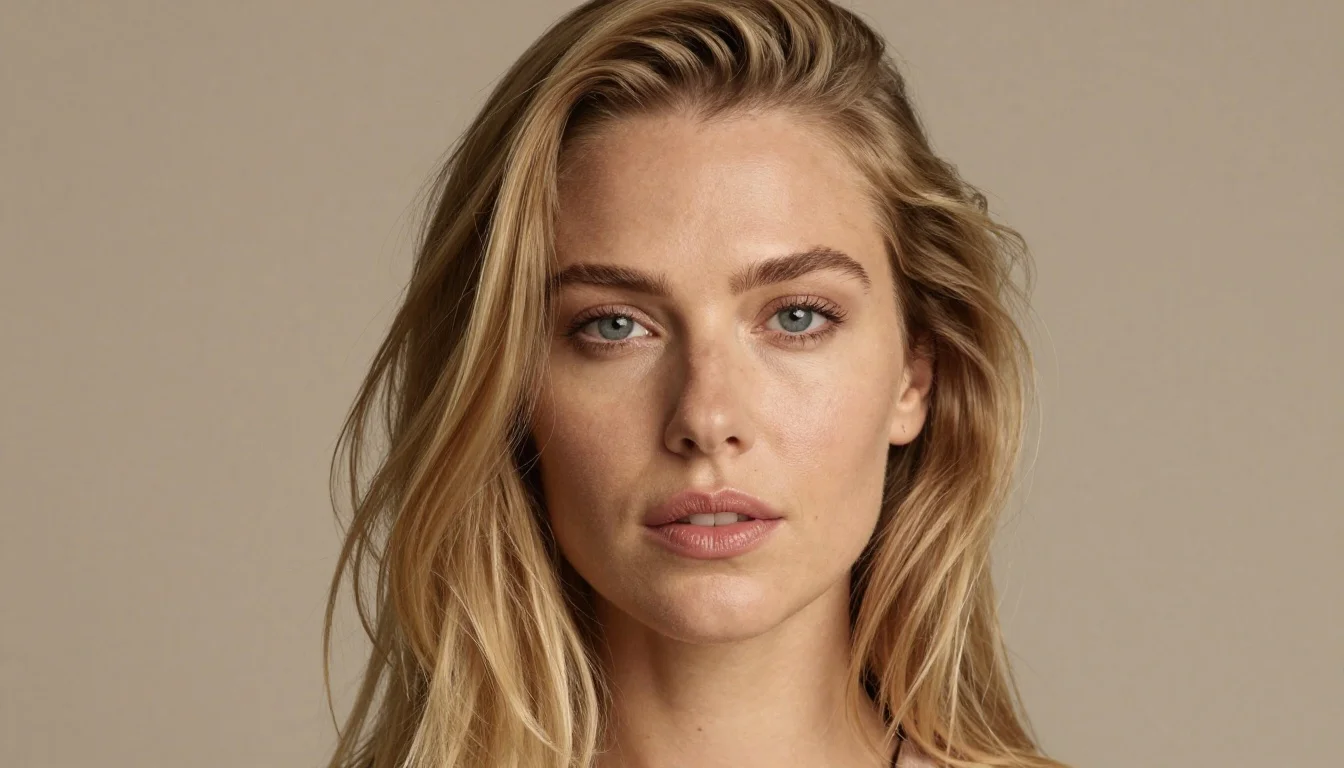
What fall outfits look best with blonde hair?
Fall outfits that provide depth contrast work best with blonde hair. The most reliable formulas: deep navy coat over ivory turtleneck with dark denim; deep burgundy midi dress with cognac boots; forest green blazer over cream blouse with warm camel trousers. The common principle is having one deep, rich piece (the coat, the dress, the blazer) that frames the face and hair against something dark enough to create contrast. All-muted, all-pale fall combinations tend to wash blonde hair out.
Your Core Fall Outfit Colors for Blonde Hair
Deep Fall Anchors
These are the depth anchors that make fall outfits work for blonde hair. Midnight navy creates a clean, striking contrast with all blonde shades — pale, golden, ash — without the orange-warmth of purely earthy fall tones. Deep burgundy is arguably the single most flattering fall color for blondes: it provides dramatic contrast while carrying enough red warmth to complement the skin tones that typically accompany blonde hair. Forest green gives depth through richness rather than darkness and pairs beautifully with both ivory blouses and camel trousers. Rich chocolate brown creates a tonal, warm story with golden blondes in particular. Each of these works as the deep anchor piece in a fall combination.
Fall Neutrals With Substance
Not all fall neutrals wash out blonde hair — the ones that work are the ones with real saturation and depth. Deep camel is the gold standard: it sits warmly between gold and brown, providing enough contrast against most blonde hair while keeping the earthy fall feeling. Warm cognac adds richness — it is richer and deeper than camel, closer to a warm brown, and creates a sophisticated tonal look with golden and honey blondes. Rich taupe — not pale greige, but a taupe with actual warmth and substance — works as a mid-tone that bridges light and dark elements in a fall outfit. The key is avoiding the pale, desaturated versions of these neutrals.
Earthy Greens for Blonde Hair
Greens occupy a special place in fall blonde dressing because they provide complementary contrast — opposite on the color wheel from the red and orange tones in warm blonde hair, creating a vibration that makes both the hair and the green look more alive. Warm olive is particularly effective: its yellow-brown warmth harmonizes with golden blonde while the green provides contrast. The critical qualifier is depth — dusty, pale sage washes out blonde hair, but a sage with real depth and a green core works well. Khaki and warm moss are versatile everyday greens with enough warmth and substance to work across blonde shades.
Cool Fall Tones for Ash and Cool Blondes
Cool and ash blondes often feel torn out of fall's warm earthy palette, but there is a cool register within fall that suits them perfectly: the deeper, cooler autumn shades. Slate grey provides neutral depth without the warmth conflict that burnt orange or vivid rust can create with cool hair. Deep plum gives jewel-tone richness with a cool-warm balance that works for both ash blondes and cool-toned skin. Dusty mauve — specifically a mauve with depth rather than a pale version — is particularly flattering for light summer and cool blonde types. Midnight blue bridges the cool blonde's natural affinity for blue tones with the darkness needed for fall depth.
Ready to see midnight navy & burgundy on your face?
Start my color analysisFall Outfit Formulas for Blonde Hair
The deep coat formula (works for all blondes)
A deep, rich coat over lighter interior layers is the most reliably flattering fall formula for blonde hair. The coat provides the depth anchor while lighter pieces underneath keep the overall look fresh rather than heavy. Proven combinations: deep navy coat over ivory turtleneck and dark denim; forest green wool coat over a cream blouse and warm camel trousers; rich chocolate brown coat over a dusty rose knit and mid-grey trousers. The coat's depth frames the face and blonde hair against a dark backdrop — the hair reads as luminous rather than pale. This formula also works in warmer weather as a formula for a blazer or structured jacket: deep blazer, lighter blouse, neutral trousers.
The depth-near-face principle for everyday dressing
For everyday fall dressing without a coat, the principle is the same: get your deepest color near your face. A deep burgundy midi dress is itself the depth anchor — no additional piece needed, and blonde hair glows against the dark red backdrop. A forest green blazer over a cream blouse puts the depth at collar level while the lighter blouse reflects light upward. A dark turtleneck under a camel blazer gives your neck and face a dark frame that makes blonde hair stand out. Even accessories can contribute: a deep-toned scarf at the neck, a rich-colored bag carried near the shoulder — anything that places visual weight near the face.
Golden blonde: lean into warm fall combos
Golden, honey, and warm blondes have the most natural alignment with the fall palette. Your hair's warmth resonates with earthy shades — lean into it. Deep terracotta with warm camel is a beautiful combination that echoes your hair's golden-red undertone. Warm rust paired with warm ivory creates a sunset effect that suits golden blondes particularly well. Forest green with gold accessories is a classic warm-blonde fall look: the green complements the warmth in the hair, the gold amplifies it. For golden blondes, mustard and amber work as accent pieces — a mustard scarf, an amber bag, amber jewelry — rather than full outfit bases, which can risk too much head-to-toe warmth.
Ash and cool blonde: the cool fall register
Cool and ash blondes should resist the pressure to wear the warmest fall tones simply because they are 'autumn colors.' Your best fall palette lives in the cooler, deeper end of the season: midnight navy, deep plum, slate grey, dusty mauve with depth, and rich forest green (which reads as more neutral-cool than warm olive). Combinations that work particularly well: midnight navy blazer over a dusty mauve blouse, slate grey coat over a deep plum knit, forest green and ivory with silver jewelry. The goal is fall depth without fall warmth — rich and dark rather than earthy and orange.
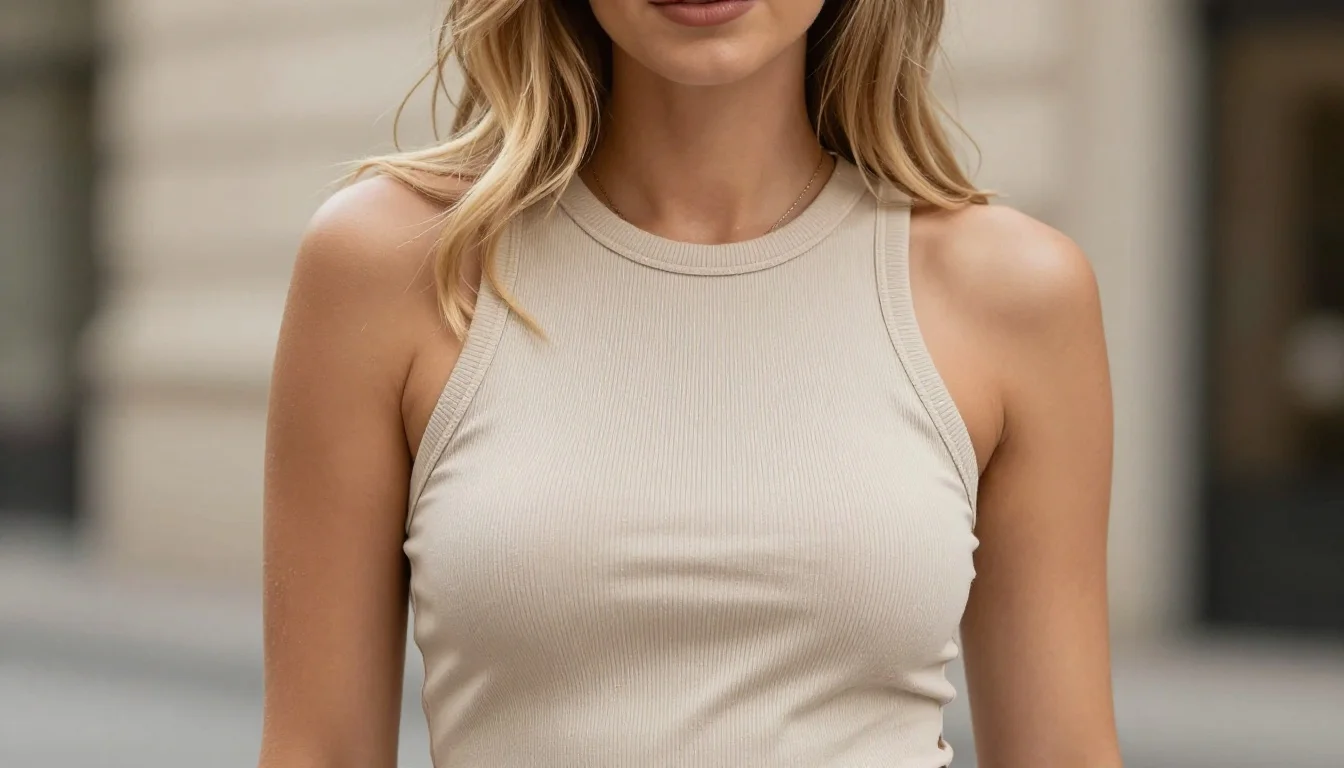
Fall Colors That Work Against Blonde Hair
All-muted, all-pale fall combinations
The combination is the problem more than any individual color. Dusty sage top, pale greige trousers, soft camel coat — each piece individually is a reasonable fall neutral, but worn together on a pale blonde they create an outfit with no depth anchor. The eye has no contrast to land on, and the blonde hair disappears into the muted background. The fix: keep one element significantly deeper than the others.
Vivid pumpkin orange for cool and pale blondes
Bright, saturated orange — pumpkin, vivid tangerine — creates a temperature and value conflict for cool and pale blondes. The intense warmth of vivid orange clashes with the cool quality of ash or platinum hair, and the high saturation can overwhelm lighter coloring. Earthy alternatives (terracotta, warm rust, burnt orange) solve both problems: they read as fall-appropriate but carry more brown and less fluorescence.
Pale dusty blush and washed-out rose
Pale blush, washed-out rose, and very light dusty pink lack the contrast to frame blonde hair effectively and tend to make fair-skinned blondes look faded in fall light. A deeper version of these shades — dusty mauve with real depth, warm berry, or deep rose — works completely differently. The pale versions belong in spring dressing; fall calls for versions of these shades with genuine depth.
Very warm, saturated mustard or yellow-orange for cool blondes
For ash and cool blondes specifically, vivid mustard and strong yellow-orange tones can conflict with the cool undertone of the hair. These shades work beautifully for warm and golden blondes but create a disconnected look for cool-toned blondes. Cool blondes who love this color family should look for more muted, less saturated versions, or wear them away from the face as trousers or a skirt rather than a top or jacket.
Stop guessing — preview every look on you
See these looks on my photoFall Outfit Swaps for Blonde Hair
Replacing the fall combinations that wash out blonde hair with ones that frame it beautifully.
Pale camel lacks the depth to provide contrast against blonde hair — it merges with lighter coloring into one undifferentiated pale zone. Deep, saturated camel or cognac has the warmth and substance to frame blonde hair effectively.
Dusty sage alone is too close in value to most blonde hair, creating a washed-out look. Deep navy or forest green provides the contrast anchor the outfit needs, while an ivory layer underneath adds lightness.
The all-muted combination has no depth anchor and blurs blonde hair into the background. The navy coat formula gives the outfit a dark frame that makes blonde hair read as luminous — the classic 'deep anchor, light interior' fall formula.
Pale blush lacks contrast against fair blonde complexions in autumn light. Deep burgundy creates striking contrast with blonde hair — the rich red-purple against light hair is one of the most flattering fall combinations.
Strong mustard creates a warmth conflict with ash or cool blonde hair. Deep plum and slate grey give the depth and polish of a blazer anchor without the warm-cool temperature clash.
All-warm, similar-value fall tones flatten the look. The forest green blazer adds depth near the face, the cream blouse creates contrast, and the camel trousers keep the earthy fall feeling — a more dimensional combination.
Which Seasonal Type Are You Within the Blonde Spectrum?
Blonde hair spans several seasonal palettes in the 12-season system. Your exact seasonal type determines which fall outfit formulas work best for your specific coloring — from Light Spring to Light Summer, the prescription is different.
Light Spring
Learn moreLight Spring blondes typically have warm-toned light hair — golden, peachy-blonde, or warm honey — with clear, light skin that often has peachy or warm undertones. In fall dressing, Light Springs benefit from warm depth anchors: deep camel coat, forest green blazer, or warm burgundy rather than cool navy or plum. The fall formula that works best includes warm but deep shades near the face (cognac, rich warm green, deep peach-rust) with lighter warm neutrals elsewhere.
Light Summer
Learn moreLight Summer blondes have distinctly cooler blonde hair — ash, platinum, or neutral-cool — with light skin that tends toward pink or neutral-cool rather than peachy-warm. In fall dressing, Light Summers access the season through cool depth: midnight navy, deep plum, dusty mauve with substance, and slate grey. The warmest orange-based fall tones (vivid rust, pumpkin, golden mustard) typically conflict with Light Summer's cool quality — the cool fall register is where this type looks most polished.
Warm Spring
Learn moreWarm Spring blondes have distinctly warm, golden hair with warm peachy or golden skin. Of all the blonde seasonal types, Warm Springs have the most natural alignment with fall's earthy palette. Deep terracotta with camel, warm rust with ivory, forest green with gold accessories — these warm fall combinations resonate with the inherent warmth in Warm Spring coloring. Golden-warm fall tones that can overwhelm paler or cooler blondes look completely natural on a Warm Spring.
Build Your Fall Blonde Wardrobe With Precision
The fall formulas above work because they are built around depth principle rather than guesswork. But your specific blonde shade, skin undertone, and seasonal type determine exactly which version of each formula works best for you. A personal color analysis identifies your exact place in the 12-season system and gives you a specific fall palette — the precise shades of navy, burgundy, forest green, or camel that are calibrated to your actual coloring. Fall dressing for blonde hair stops being an experiment and becomes a reliable set of combinations that you know will work.
Stop guessing — preview every color on you
Preview Yourself In Your Palette
Get my personalized paletteStop guessing — preview every color on you
Preview Yourself In Your Palette
Related Guides for Fall Outfits for Blonde Hair
Explore more personalized color advice based on your features.
Want to see these colors on you? Virtual Hair Color Try-On — free to try.
Frequently Asked Questions About Fall Outfits for Blonde Hair
What fall outfits look best with blonde hair?
Fall outfits that provide depth contrast work best with blonde hair. The most reliable formulas: deep navy coat over ivory turtleneck with dark denim; deep burgundy midi dress with cognac boots; forest green blazer over cream blouse with warm camel trousers. The common principle is having one deep, rich piece (the coat, the dress, the blazer) that frames the face and hair against something dark enough to create contrast. All-muted, all-pale fall combinations tend to wash blonde hair out.
What colors should blondes avoid in fall?
Blondes should avoid all-pale, all-muted fall combinations where no single piece is significantly deeper than the rest. Individually, dusty sage, soft greige, pale camel, and light taupe are reasonable fall neutrals — but worn together on a pale blonde with no depth anchor, they create a washed-out look where the hair and outfit blur together. Also: vivid pumpkin orange for cool and ash blondes (temperature conflict), and very pale dusty blush (lacks contrast in fall light).
Does burgundy look good on blonde hair in fall?
Yes — deep burgundy is arguably the single most flattering fall color for blonde hair. The deep red-purple creates striking contrast with light blonde hair while carrying enough warmth to complement the skin tones that typically accompany blonde coloring. A deep burgundy midi dress with cognac or tan boots is one of the most reliably flattering fall combinations for blondes. It works for warm blondes, cool blondes, pale blondes, and golden blondes.
What should ash blonde and cool blonde hair wear in fall?
Ash and cool blondes should lean toward the cooler end of the fall palette rather than forcing themselves into the warmest earthy tones. Best fall options: midnight navy, deep plum, slate grey, dusty mauve with real depth, and forest green. Outfit formulas that work well: midnight navy blazer over a dusty mauve blouse; slate grey coat over a deep plum knit; forest green and ivory with silver or cooler-toned accessories. Avoid vivid rust, pumpkin orange, and saturated mustard — the temperature conflict with cool hair creates a disconnected look.
Can blonde hair wear camel in fall?
Yes, but the depth of the camel matters enormously. Deep, rich, saturated camel — the color of a quality wool coat, warm and substantial — provides enough depth to frame blonde hair effectively. Pale, desaturated, or washed-out camel lacks contrast against blonde hair and merges with it. The fix for pale camel is either to wear a deeper version or to pair it with a depth anchor (a deep burgundy scarf, navy trousers, forest green bag). Camel as a trouser or bottom-half piece almost always works — the issue is pale camel as the only major color near the face.
What is the best fall coat color for blonde hair?
Deep navy, rich burgundy, and dark forest green are the most flattering coat colors for blonde hair in fall. Each provides a dark backdrop that frames blonde hair and makes it look luminous. Deep camel coats work for most blondes if the camel is rich and saturated rather than pale. For golden and warm blondes, cognac and warm chocolate brown coats also work beautifully. Pale or very light coats (cream, pale camel, light grey) as the only major piece tend to create a washed-out look — they match the hair's light value rather than contrasting with it.