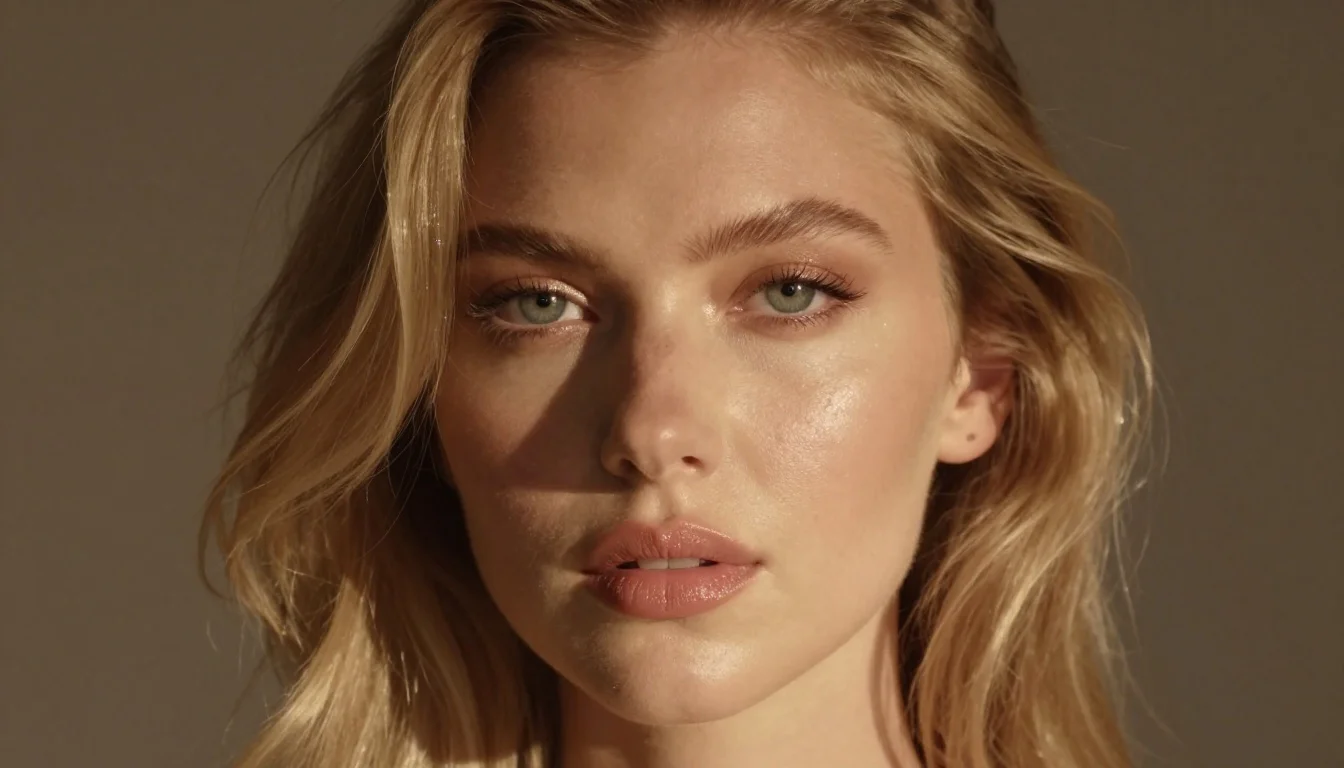
Dark hair — deep brown, espresso, warm black — carries significant natural depth and warmth. The Deep Autumn palette is built around exactly those qualities. If you have dark hair and you've identified Deep Autumn as your seasonal palette, you're in excellent company: dark-haired individuals make up a large portion of Deep Autumns, and the combination works because both the hair and the palette share the same fundamental qualities: depth, warmth, and richness. This guide confirms why the palette works for dark hair and shows you how to get the most out of it.
Deep Autumn is defined by three qualities: warmth (the undertone leans toward orange and yellow-gold), depth (colors range from medium-dark to very dark), and richness (high saturation within the earthy, muted range). Dark hair — particularly warm dark brown, chestnut, and the particular kind of near-black that has warm reddish or chestnut highlights — shares all three of these qualities. The hair is warm in undertone, deep in value, and rich in its overall character.
When a person with dark hair wears the Deep Autumn palette's best colors — forest green, deep terracotta, rich tobacco brown, warm burgundy — the result is a sense of visual harmony and completion. The depth of the hair is echoed in the depth of the clothing. The warmth of the hair is answered by the warmth of the palette. Nothing competes, nothing clashes, and the overall effect is a person who looks deliberately, powerfully put-together.
The alternative — wearing cool, pale, or very bright colors with dark hair — creates a different dynamic that's usually less flattering for this coloring. Cool colors conflict with the warm undertone in dark hair, making it look dull or greenish. Pale colors create a high-contrast look that, while striking on some dark-haired types (Deep Winters), can overwhelm the softer, warmer quality of Deep Autumn's dark hair. The palette exists precisely to give dark-haired, warm-toned individuals a complete color system that works for their specific combination.