Date Night Outfitsfor Pale Skin
Date night is when pale skin can look its most luminous — or completely washed out. Discover how to build looks with shades that actually flatter you.
Evening and candlelit light is actually the best light for pale skin — it creates a warm, luminous quality that photographs beautifully. But the colors you wear still matter enormously. The best date night colors for pale skin work in low light: deep jewel tones, rich darks, and vivid saturated pieces that create contrast against light skin in any lighting condition. Pale neutrals and muted pastels disappear in evening light. Deep color glows.


3,000+
happy clients
Why Evening Light Changes Everything for Pale Skin
Evening and candlelit light is actually the best light for pale skin — it creates a warm, luminous quality that photographs beautifully. But the colors you wear still matter enormously. The best date night colors for pale skin work in low light: deep jewel tones, rich darks, and vivid saturated pieces that create contrast against light skin in any lighting condition. Pale neutrals and muted pastels disappear in evening light. Deep color glows.
Pale skin in candlelit or warm evening light takes on a luminous, almost porcelain quality — the warm light source amplifies the reflectivity of light skin in a way that looks genuinely beautiful. But this lighting effect only becomes visible when there's enough contrast between the skin and the clothing. A pale skin wearing a pale dress in warm evening light creates one indistinguishable wash of light. Pale skin wearing deep jewel tones or rich darks in that same light creates the contrast that makes the skin look luminous.
Date night context also means clothing that reads well in dim restaurant light, bar lighting, and candlelight — not just harsh overhead fluorescent. Colors with saturation and depth remain visually distinct in low light where pale or muted colors tend to merge. A midnight navy dress or a deep burgundy silk blouse holds its visual presence across any lighting condition. A dusty rose does not.
Evening dressing for pale skin is also an opportunity to wear the most dramatic contrast pieces — the deep jewel tones and rich darks that might feel too intense in daytime settings. An emerald sequin dress or a deep sapphire silk looks proportionate to the evening context while creating maximum contrast against pale skin. This is the setting where the high-contrast strategy for pale skin produces the most striking results.
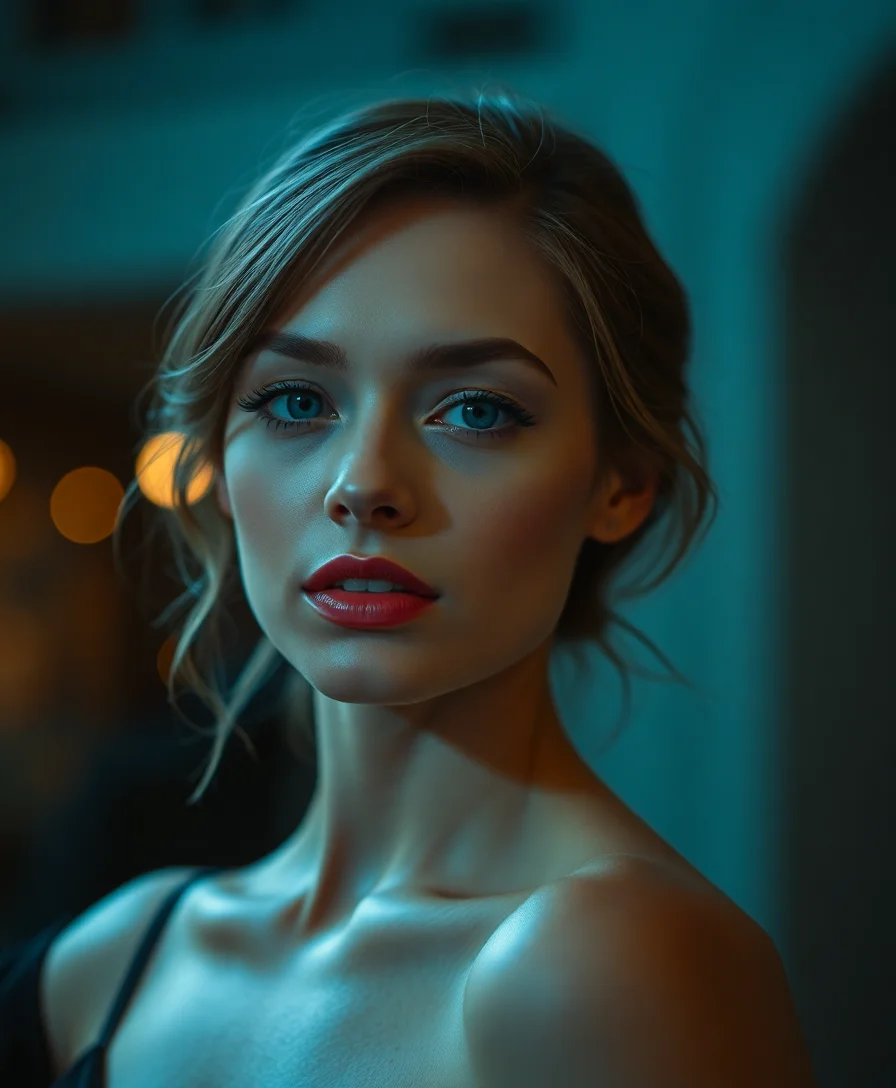
What should pale skin wear on a date night?
Deep jewel tones (sapphire, emerald, amethyst), rich berry and wine tones (burgundy, plum), and true darks (black, forest green) all create vivid contrast against pale skin that looks striking in evening settings. Avoid pale pastels and muted mid-tones, which lose their limited contrast in evening light. Fabric matters too: silk, velvet, and satin catch candlelight beautifully against pale skin.
Your Best Date Night Colors
Deep Jewel Tones
Deep jewel tones are the best date night family for pale skin — they create vivid contrast against light complexions and glow distinctly in evening candlelight. Midnight sapphire against pale skin creates the most dramatic contrast possible for fair coloring, making skin look porcelain in any lighting. Deep emerald creates warm-cool tension that photographs beautifully in low light. Rich amethyst at a date night setting has a romantic, vivid quality that makes pale skin look luminous and deliberate.
Rich Berry & Deep Wine
Berry and wine tones are the most romantic date night colors for pale skin — they combine vivid contrast with warmth and depth that reads as intimate and intentional in evening settings. Deep burgundy in silk or velvet near pale skin creates a crisp, sophisticated contrast that glows beautifully in candlelight. Rich plum has a similar romantic depth. These colors work across all undertones in pale skin, making them the most broadly reliable date night choice.
True Black & Deep Darks
True black creates maximum contrast against pale skin — the skin reads as luminous and porcelain against the dark frame. In evening settings, this contrast is even more striking. Near-black plum gives the impact of black with more color personality. Deep forest green is a striking date night dark that creates vivid contrast against pale skin while having the warm-cool tension that makes it more interesting than pure black in an intimate evening setting.
Vivid Evening Brights
For a bolder date night look, vivid brights create maximum impact against pale skin's high-contrast foundation. Vivid cobalt is one of the most flattering vivid brights for pale skin — the deep blue creates extraordinary contrast while having a sophisticated quality appropriate for evening. Deep coral-red works for warm fair skin specifically. Vivid fuchsia is the dramatic choice for cool or neutral pale skin. These are your statement-making options for evenings when you want maximum visual impact.

Ready to see midnight sapphire & emerald on your face?
Start my color analysisHow to Dress for Date Night with Pale Skin
Commit to depth for evening
Date night is the setting where pale skin's high-contrast capability shines most. A deep jewel-tone silk dress, a rich velvet blazer, or a vivid fuchsia top over dark trousers all use evening context as an opportunity rather than a constraint. The principle is simple: go deeper and richer than you would for daytime. A color that might feel intense in a daytime office looks proportionate and vivid at a candlelit dinner. Use the setting's permission to dress with more contrast than usual.
Maximize contrast at the neckline
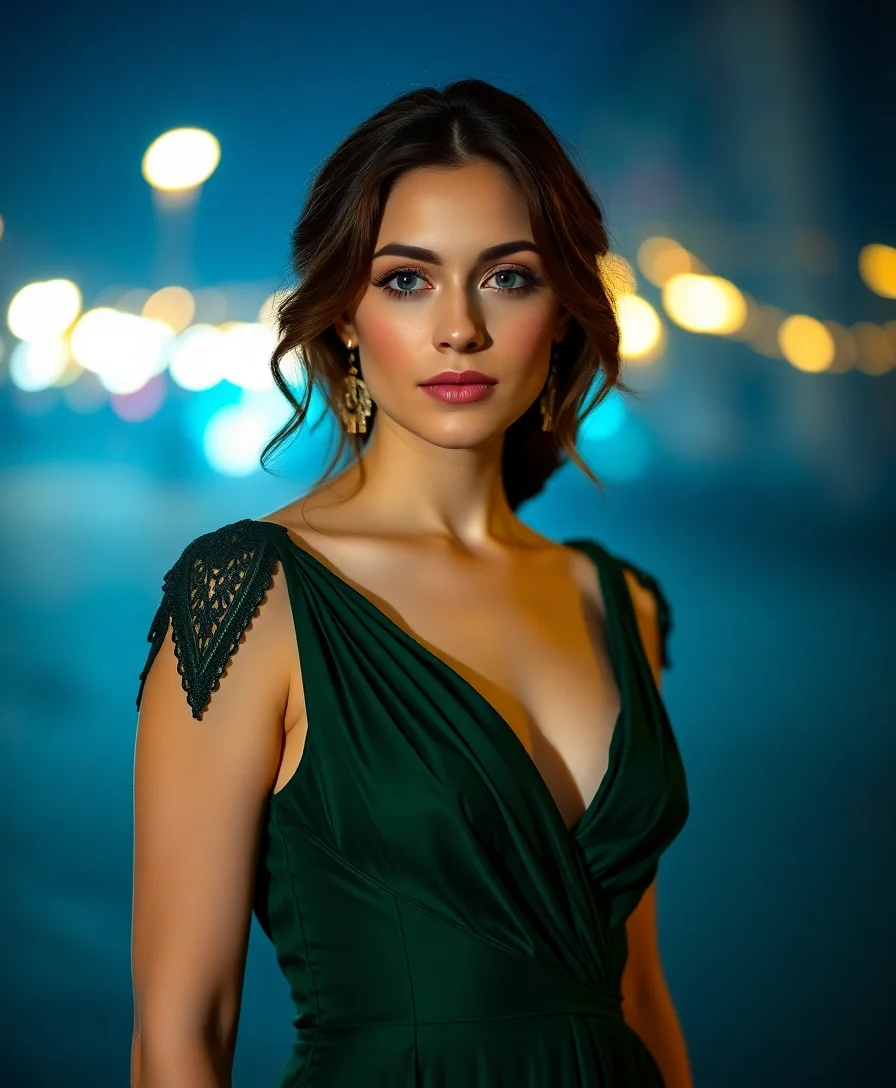
For date night specifically, place your highest-contrast color near your face and eyes. A deep sapphire blouse with wide trousers. A rich plum silk top with black tailored pants. A deep emerald wrap dress. The neckline contrast is what photographs most beautifully in dimly lit restaurant settings — the face, eyes, and skin are framed by the vivid deep color. Below-the-waist color choices matter less in most intimate evening settings where the lower half isn't visible.
Choose fabrics that glow in evening light
Silk, velvet, and satin all catch evening light in ways that amplify color vividness. A midnight navy silk blouse at a candlelit dinner glows with depth and richness that a matte cotton version of the same color doesn't. Deep burgundy velvet is one of the most evening-appropriate date night choices for pale skin — the velvet's light absorption creates extraordinary depth while the rich red-purple creates maximum contrast against light features. For evening, fabric quality amplifies the color impact.
Use jewelry as a contrast anchor
For cool pale skin, silver and platinum jewelry creates crisp, elegant contrast that reinforces pale skin's cool register. For warm pale skin, yellow gold creates warm contrast that makes fair skin glow. Either way, jewelry near the neckline acts as a second contrast point that reinforces the deep color of the outfit. A statement necklace in silver or gold against pale skin at a candlelit dinner is one of the most effective contrast strategies for fair coloring.
Colors That Wash Out Pale Skin on Date Night
Pale and muted pastels in evening settings
Soft pink, pale lavender, and dusty blue are daytime colors that lose their limited contrast impact further in evening light. Against pale skin in candlelit settings, these colors create a look where face and dress merge into one undifferentiated lightness. A deeper, richer version of the same hue — vivid fuchsia instead of pale pink, deep amethyst instead of pale lavender — creates the contrast that candlelit settings demand.
Warm ivory and cream
Warm ivory is a beautiful color but reduces contrast against pale skin at the neckline. In evening lighting specifically, warm ivory can look slightly yellowed against very pale skin. Icy white creates more contrast than warm ivory for date night. But any jewel tone or rich dark creates more impact than either. Ivory is a better base-of-outfit choice than neckline choice for pale skin on a date.
Cold or cool grey in evening settings
Cool grey in evening light looks flat and slightly drained against pale skin — it lacks the depth to create meaningful contrast and doesn't have the warmth to create luminosity. It's the least impactful neutral for fair skin at night. Midnight navy or deep charcoal give you the same sophisticated-neutral function with dramatically more contrast and visual interest.
Very orange or warm coral
For cool fair skin specifically, orange and vivid warm coral create a harsh contrast that can make pale cool-toned skin look flushed or ruddy — the orange next to very light cool skin reads as garish rather than striking. Deep coral-red works for warm fair skin; cool-toned pale skin is better served by rich burgundy, deep sapphire, or vivid fuchsia.
Stop guessing — preview every look on you
See these looks on my photoYour Date Night Look, Upgraded
Swap colors that disappear in evening light for ones that make pale skin luminous.
Pale pastel dresses lose their limited contrast in evening light. Deep amethyst and burgundy create crisp contrast that makes pale skin look luminous and porcelain in any lighting.
Muted colors flatten against pale skin in candlelit settings. Deep sapphire holds its visual presence in any light while creating maximum contrast against fair features.
Light neutrals reduce contrast further in evening settings. Deep forest green creates the contrast and visual weight that pale skin needs in evening contexts.
Warm ivory reduces contrast against pale skin and can yellow in warm lighting. A deep jewel tone creates the contrast that makes pale skin look deliberately luminous rather than blending into the evening's warmth.
Jewelry creates a secondary contrast point near the face that reinforces the outfit's impact. A statement piece in gold (warm fair skin) or silver (cool fair skin) elevates the whole look.
A pale lip in an evening setting creates a washed-out quality against pale skin. A deep berry or rich wine lip creates the facial definition that evening settings call for — and adds a second contrast point near the face.
Which Palette Might Be Yours?
Pale skin spans several seasonal palettes. Your exact season tells you which specific deep jewel tones and rich darks look best for your particular fair coloring — and which create the best contrast in low evening light.
Cool Winter
Learn moreIf your pale skin is distinctly cool with high natural contrast (dark hair, light skin), Cool Winter suits you. Your date night palette goes the most dramatic: true navy, icy fuchsia, royal purple, and jet black. The high contrast of Cool Winter coloring handles the boldest evening choices with ease.
Cool Summer
Learn moreIf your pale skin is cool with soft, muted coloring (light cool hair, soft cool eyes), Cool Summer is likely your season. Your date night palette is soft-cool rather than stark: deep dusty rose, muted periwinkle, and soft plum. The saturation is moderate — vivid jewel tones can be too intense for Cool Summer's softer coloring, but deeper muted versions of the same colors work beautifully.
Light Spring
Learn moreIf your pale skin is warm fair with peachy undertones and light warm coloring, Light Spring suits you. Your date night palette is warm and clear: vivid warm coral-red, warm turquoise, deep peach-rose, and warm golden cream. The warmth and freshness of Light Spring translates to evening with vivid warm brights rather than deep cool darks.
Find Your Exact Date Night Colors
Pale skin ranges from cool porcelain to warm ivory, and the best date night colors depend on which specific track your undertone follows. Your exact season identifies the navy, the burgundy, and the jewel tone that makes your version of pale skin look most luminous in evening settings. A personalized color analysis moves you from 'dark colors for pale skin' to the exact shades that photograph as beautifully as they look in candlelight.
Stop guessing — preview every color on you
Preview Yourself In Your Palette
Get my personalized paletteStop guessing — preview every color on you
Preview Yourself In Your Palette

Related Guides for Date Night Outfits for Pale Skin
Explore more personalized color advice based on your features.
Want to see these colors on you? What Colors Look Good on Me — free to try.
Frequently Asked Questions About Date Night Outfits for Pale Skin
What should pale skin wear on a date night?
Deep jewel tones (sapphire, emerald, amethyst), rich berry and wine tones (burgundy, plum), and true darks (black, forest green) all create vivid contrast against pale skin that looks striking in evening settings. Avoid pale pastels and muted mid-tones, which lose their limited contrast in evening light. Fabric matters too: silk, velvet, and satin catch candlelight beautifully against pale skin.
What color looks most dramatic on pale skin?
True black creates maximum contrast against pale skin — the skin reads as luminous and porcelain against the dark frame. For a more colored option, midnight navy and deep emerald create similar dramatic contrast with color personality. Vivid jewel tones like deep sapphire and rich amethyst create the most vivid, striking look for fair skin in evening settings.
Should pale skin wear black on a date?
Black can be very flattering for pale skin on a date — it creates high contrast that makes fair skin look porcelain and vivid. True black is particularly effective for cool or neutral pale skin. For warm pale skin, near-black plum or deep forest green creates similar impact with warmer temperature harmony. Black paired with gold jewelry and a deep berry lip is one of the most effective date night formulas for fair complexions.
What colors look good on pale skin in low light?
Colors with depth and saturation maintain their visual presence in low light: deep jewel tones, rich darks, and vivid saturated colors all remain visually distinct in candlelit settings. Pale pastels and muted mid-tones lose their already-limited contrast in dim lighting and can look flat or washed out. The principle for pale skin in low light: go deeper and richer than you would in daytime.
What jewelry looks best on pale skin for a date?
For cool pale skin, silver and platinum create crisp, elegant contrast at the neckline — the cool metal echoes cool skin's register and creates a harmonious, luminous look in evening light. For warm pale skin, yellow gold creates warm contrast that makes fair skin glow. Either way, a statement piece at the neckline reinforces the contrast of the outfit and creates a second focal point near the face — more impactful than no jewelry or delicate pieces.
Is burgundy a good date night color for pale skin?
Burgundy is one of the best date night colors for pale skin across all undertones. It creates crisp contrast against light skin, has warmth and depth that reads as sophisticated and romantic in evening settings, and photographs beautifully in candlelit low light. Deep burgundy in silk or velvet is particularly effective — the fabric catches evening light while the rich red-purple creates vivid contrast against pale features.