The 13 Kibbe body types,from Dramatic to Romantic
Kibbe sorts every body along one spectrum — from pure Yang (sharp, vertical, angular) to pure Yin (soft, rounded, lush) — across bone structure, flesh, and facial features. That gives five families and 13 image identities, each with its own flattering clothing lines. Find yours below.


120,000+
monthly users
What the Kibbe system actually measures
Image consultant David Kibbe built his system in the 1980s around a single idea: rather than balancing your body toward an “ideal,” you look best when your clothes echo the lines you already have. Every type is placed on a scale between Yang — sharp, elongated, angular, broad — and Yin — soft, delicate, rounded, lush.
Your position is read across three dimensions: bone structure (height, shoulders, limb length, hands and feet), body flesh (bust, waist, hip, and arm and thigh softness), and facial features (jaw, nose, cheekbones, eyes, and lips). Blend those together and you land in one of five families — and one of the 13 types within them.
The five families & 13 types
Tap any type for its full guide — how to tell if it’s yours, its clothing lines, and what to wear.
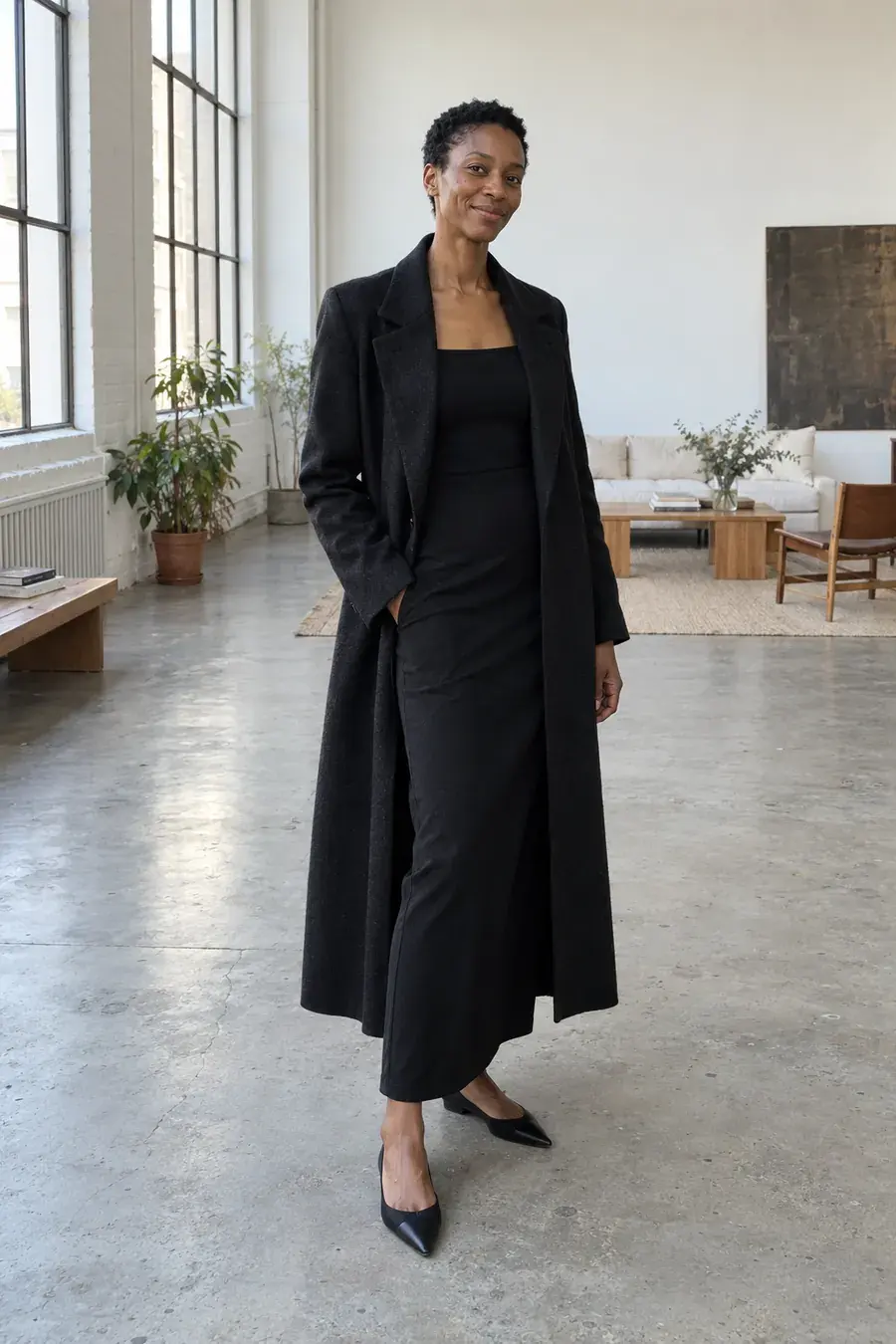
Dramatics
Sharp, elongated Yang. Long vertical lines, angular bone structure, and a striking, high-fashion presence.
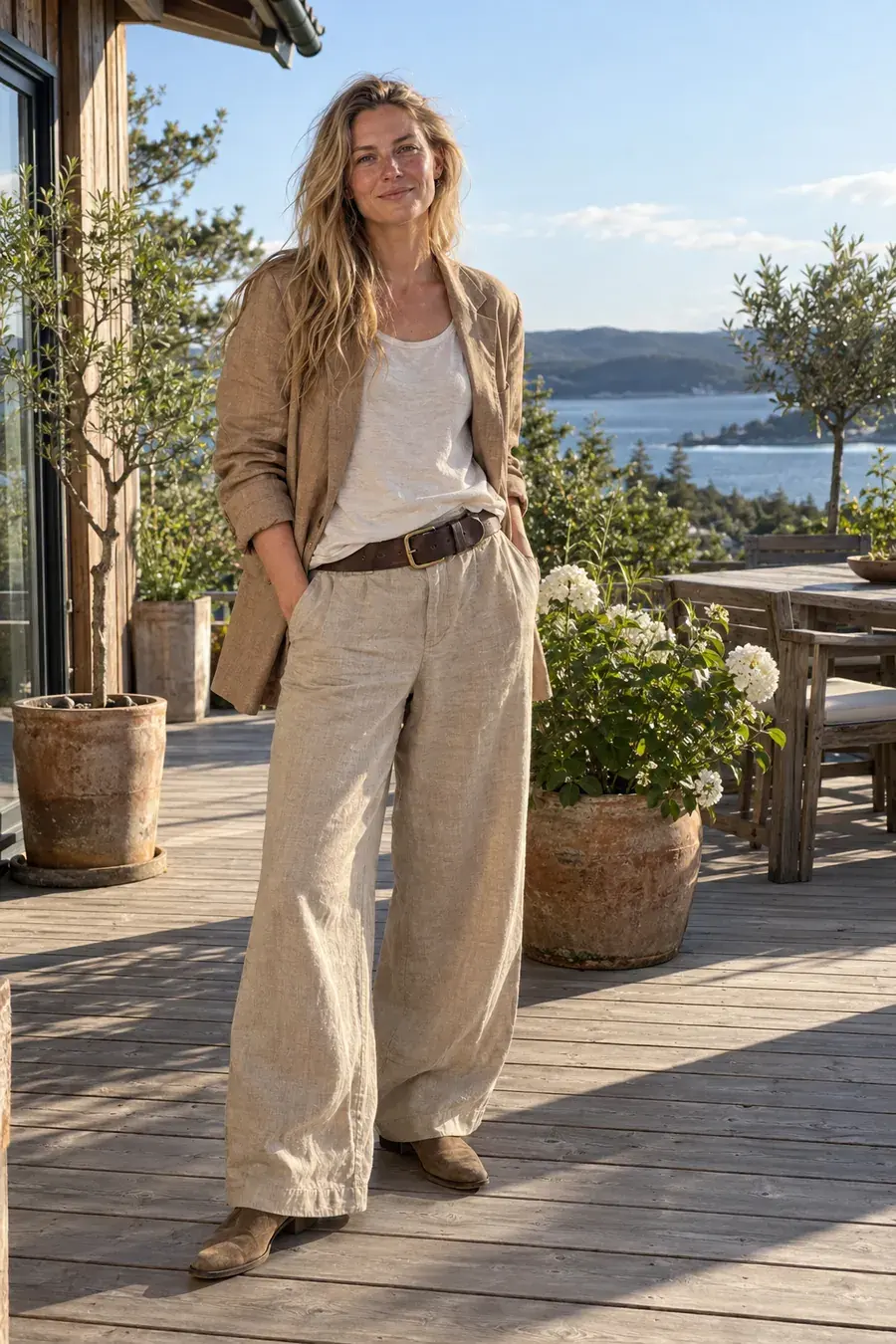
Naturals
Soft, broad Yang. Relaxed, unconstructed frames with a blunt, easy, earthy quality — nothing sharp or fussy.
 Flamboyant NaturalSharp and soft YangBroad, blunt, and relaxed Yang — a wide, easy frame that reads as effortless and grounded.
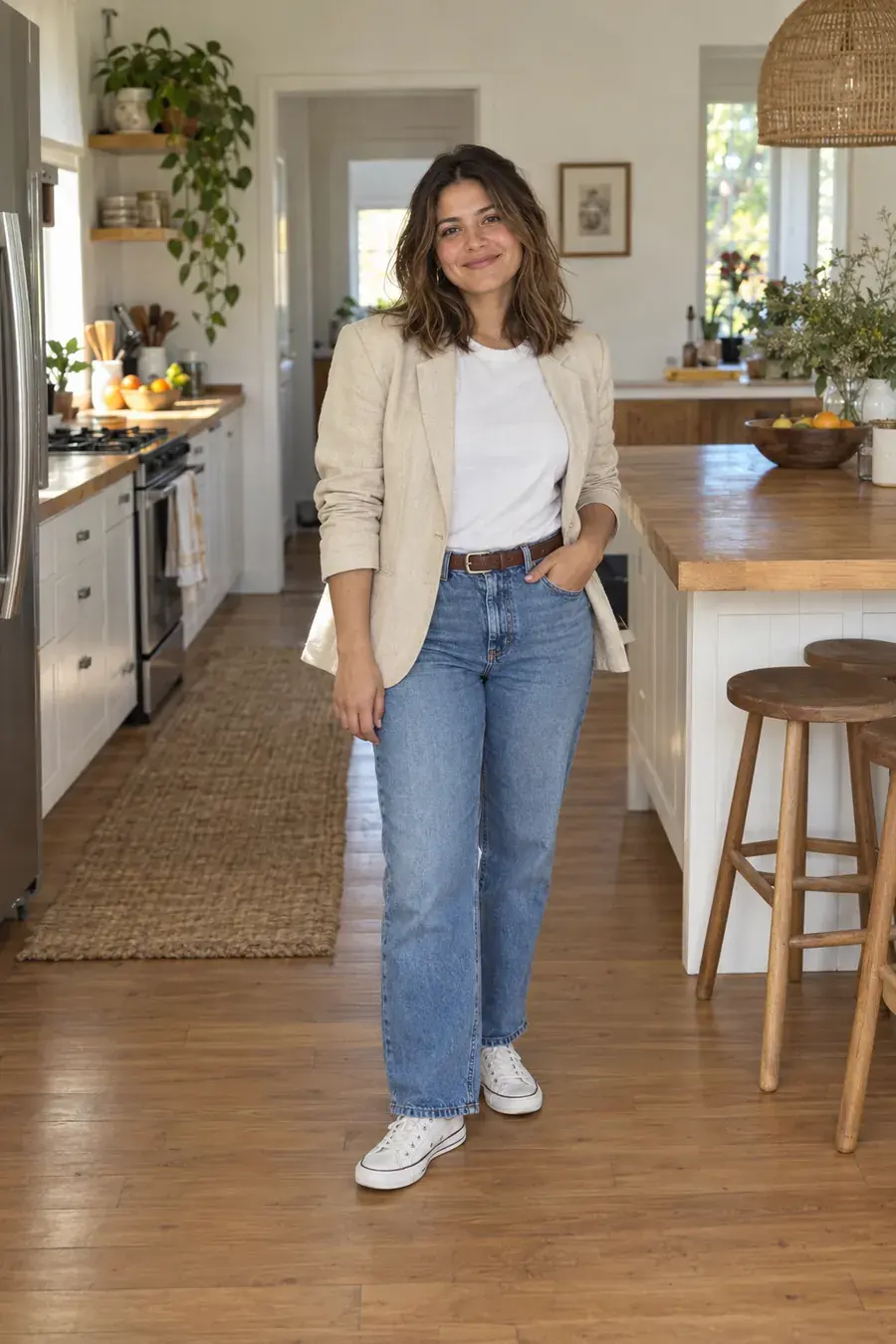 NaturalSoft YangRelaxed, even, and grounded — softly blunt Yang without extremes. Effortless is your keyword.
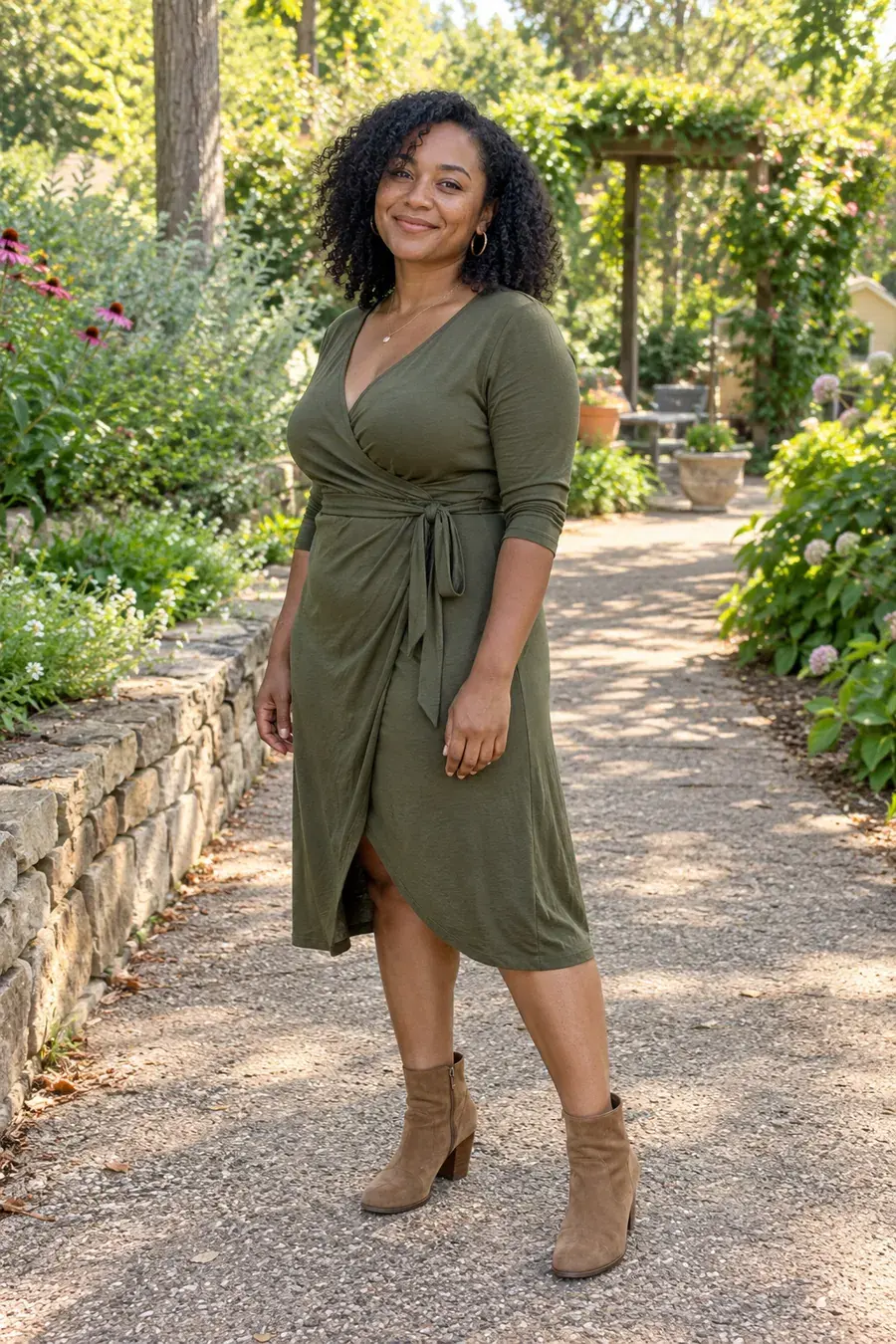 Soft NaturalSoft Yang with YinA relaxed Yang frame warmed by soft, rounded flesh — easy but curvy, casual but feminine.
Classics
Balanced Yin and Yang. Symmetrical, even, moderate proportions that thrive on refined, tailored simplicity.
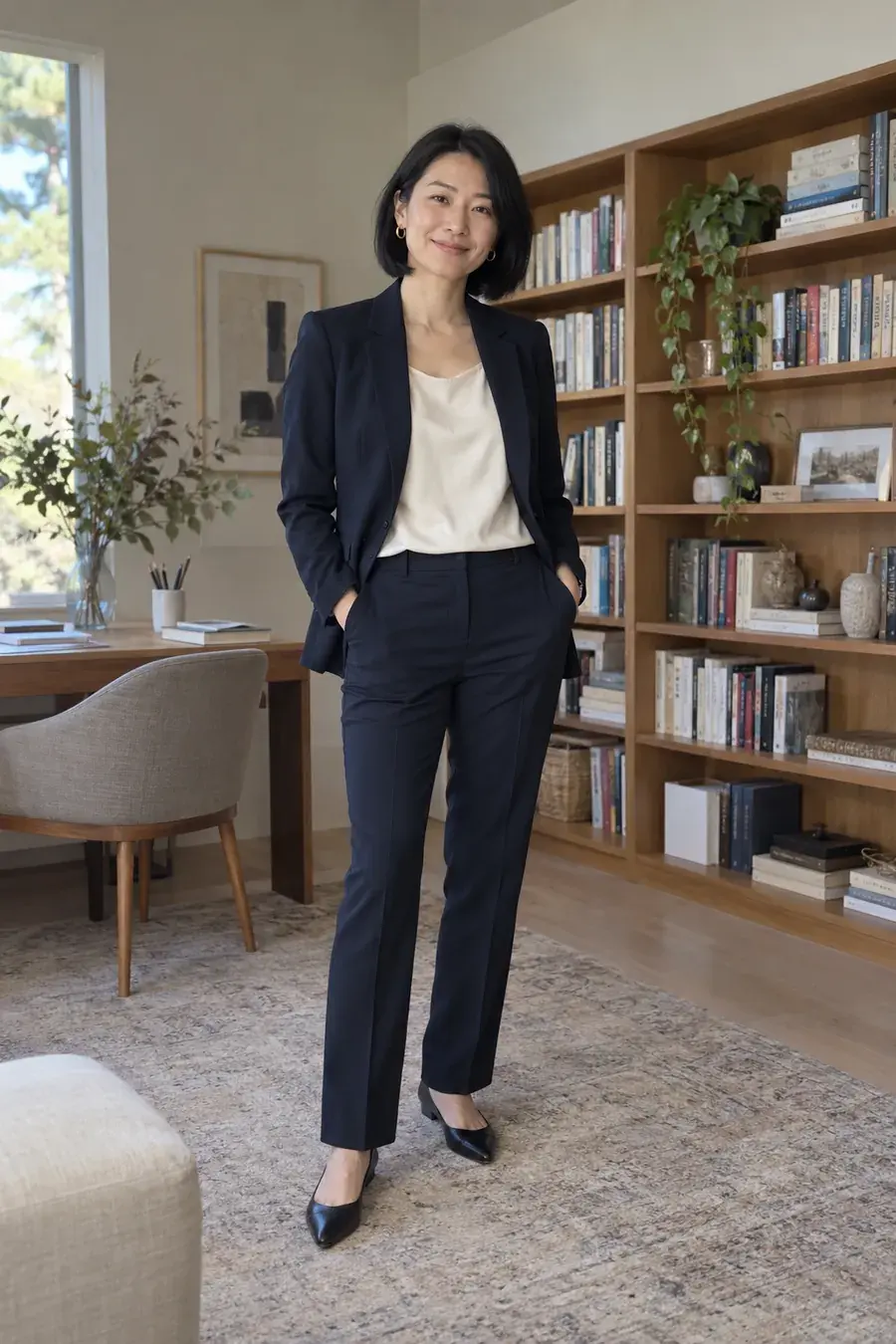 Dramatic ClassicBalanced, Yang leanBalanced and symmetrical with a Yang edge — polished, sharp, and refined. Your proportions are even and harmonious, but the impression tips toward crispness.
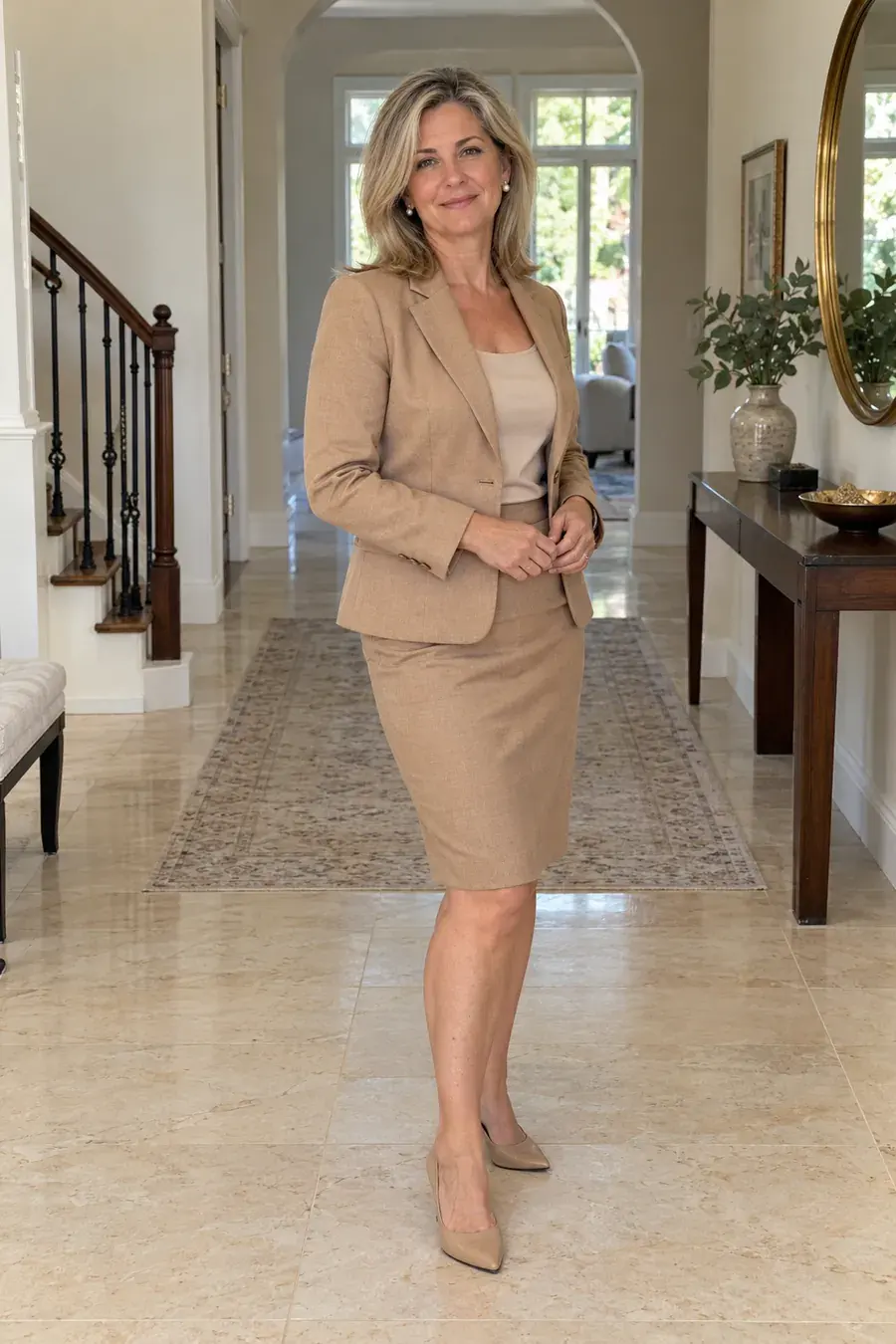 ClassicBalanced Yin/YangPerfectly balanced — neither sharp nor soft, but symmetrical and harmonious throughout. Your even, moderate proportions are the whole impression.
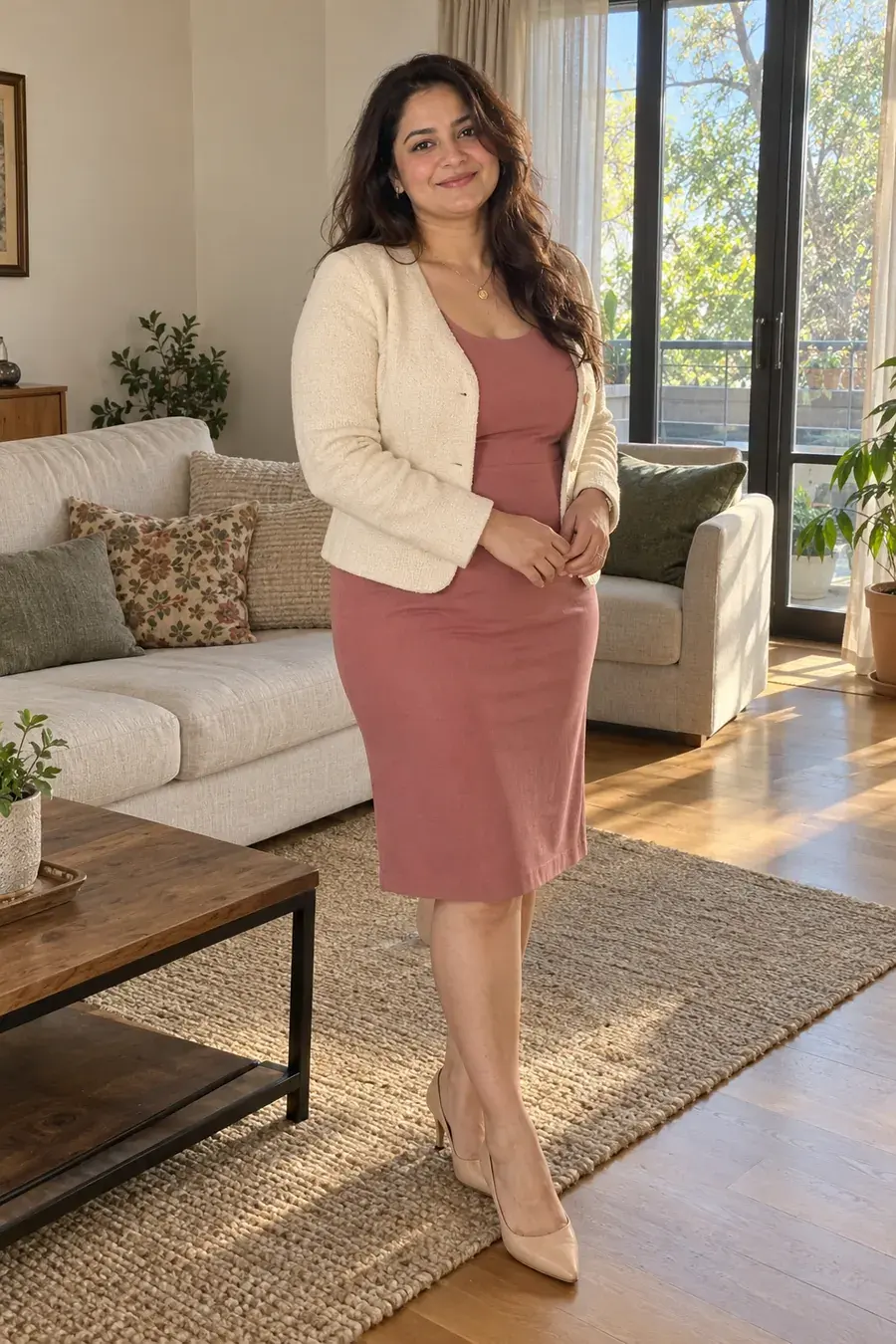 Soft ClassicBalanced, Yin leanBalanced and symmetrical with a soft, gentle finish — polished and graceful. Your proportions are even, tipped slightly toward softness.
Gamines
A vivid mix of opposite Yin and Yang. Compact, spirited frames that want bold contrast and small, sharp detail.
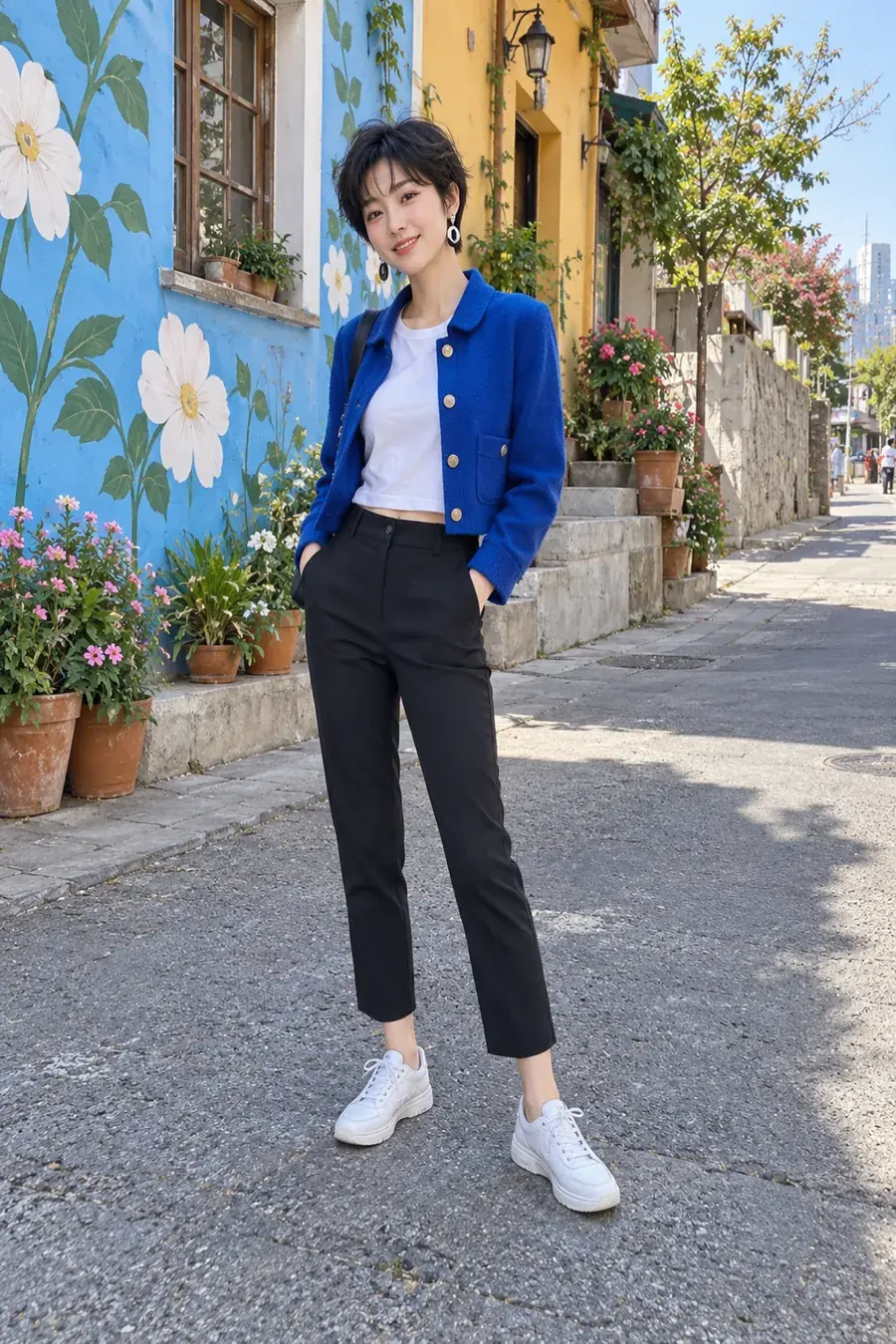 Flamboyant GamineYin/Yang mix, extra YangA vivid contrast of sharp Yang and delicate Yin on a compact frame — spirited and eclectic, with an extra edge of sharpness.
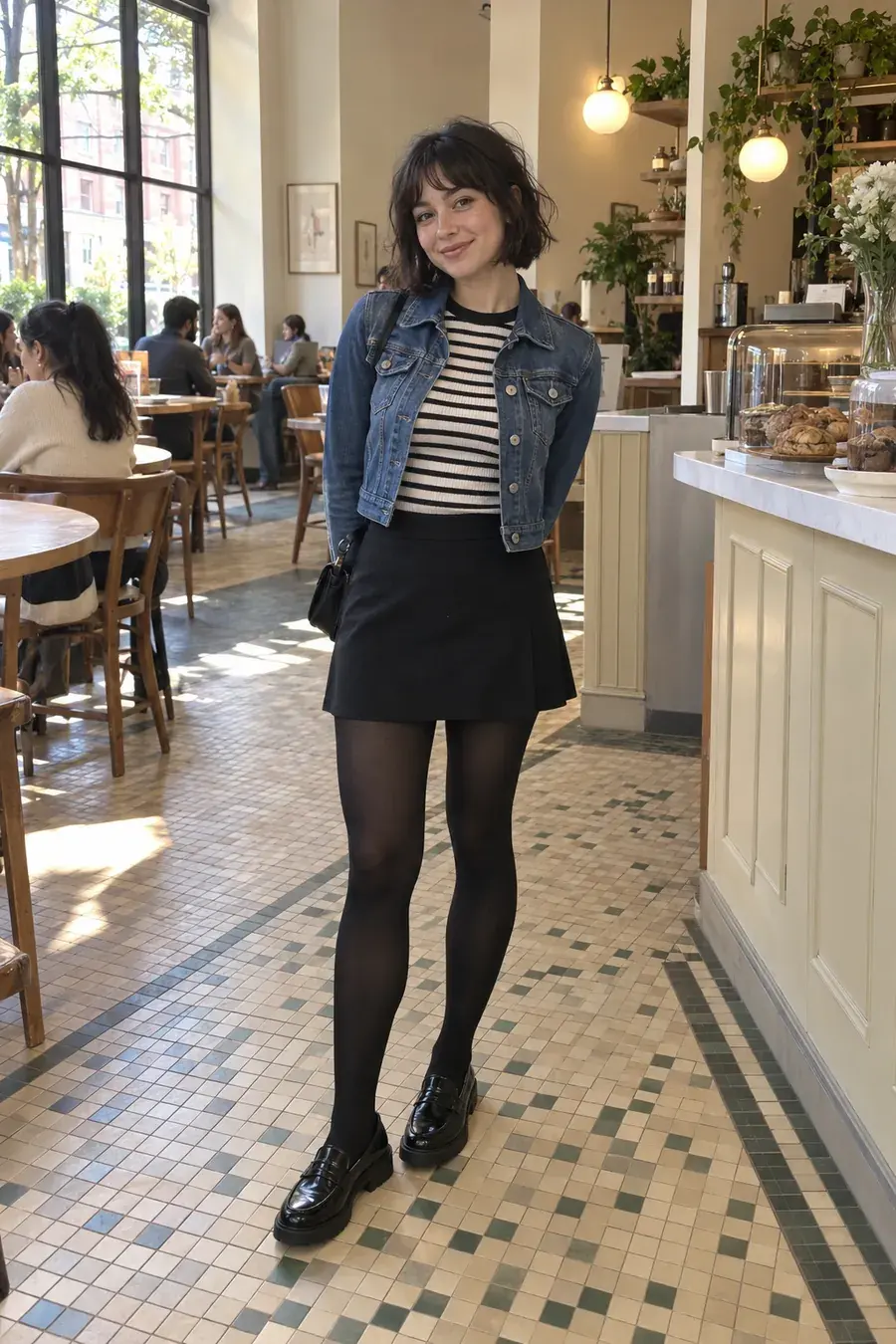 GamineEven Yin/YangAn even, lively mix of sharp and soft on a petite frame — playful, chic, and spirited. Opposites balance in equal measure, finished with crisp accents.
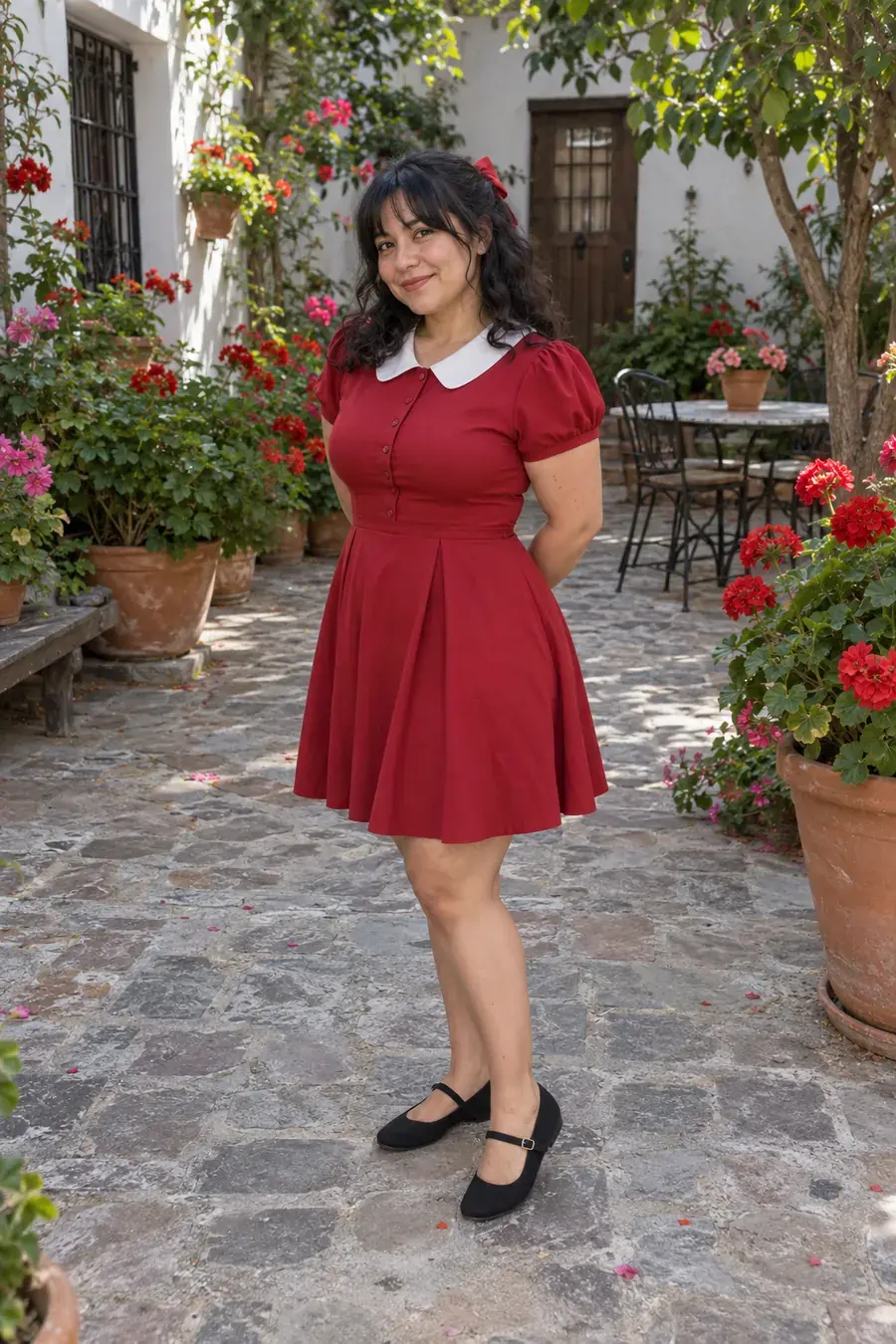 Soft GamineYin/Yang mix, extra YinA petite frame mixing sharp accents with lush softness — cute, vivid, and full of personality.
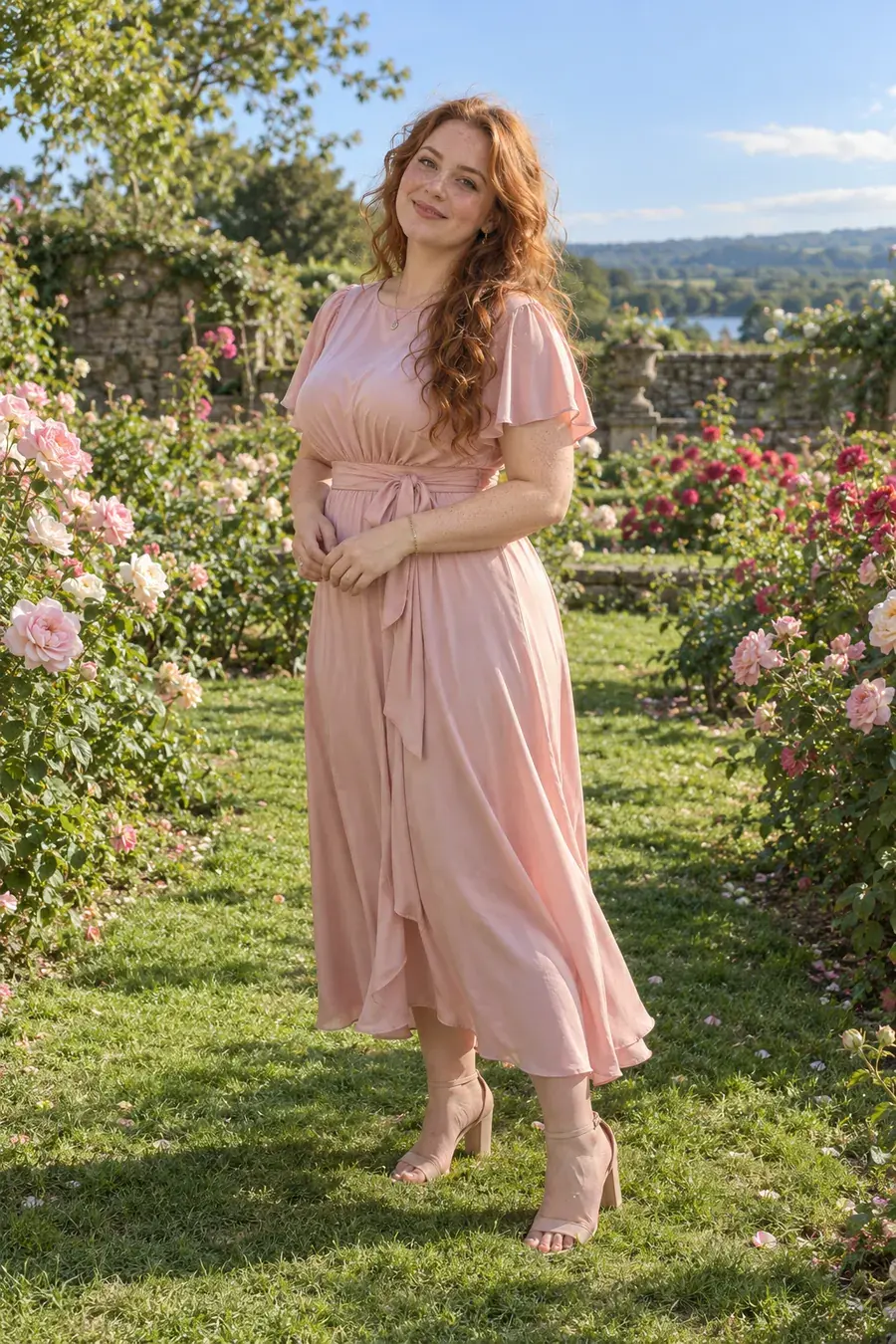
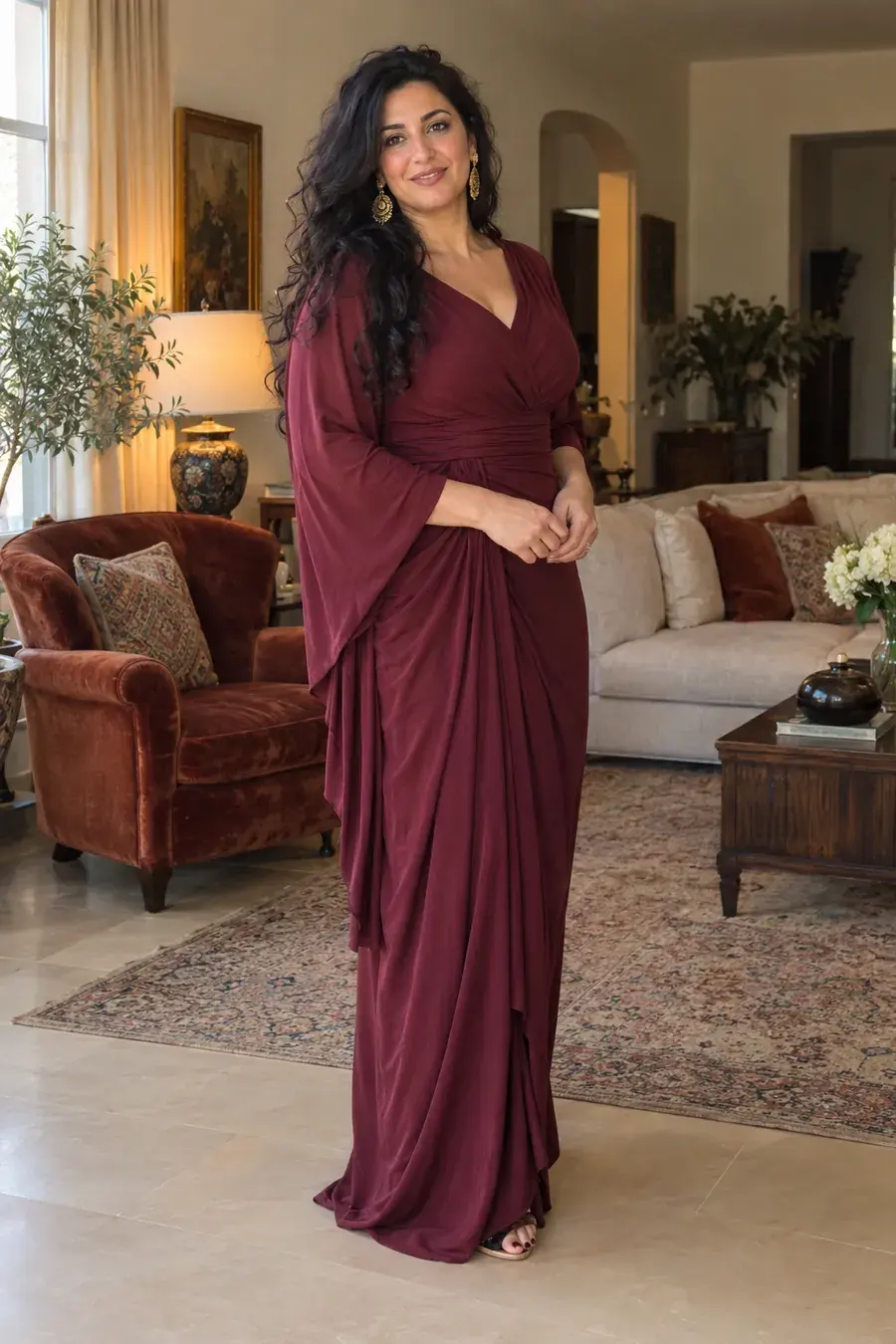
Romantics
Lush, rounded Yin. Soft flesh and delicate curves flattered by draping, rounded lines, and rich fabric.
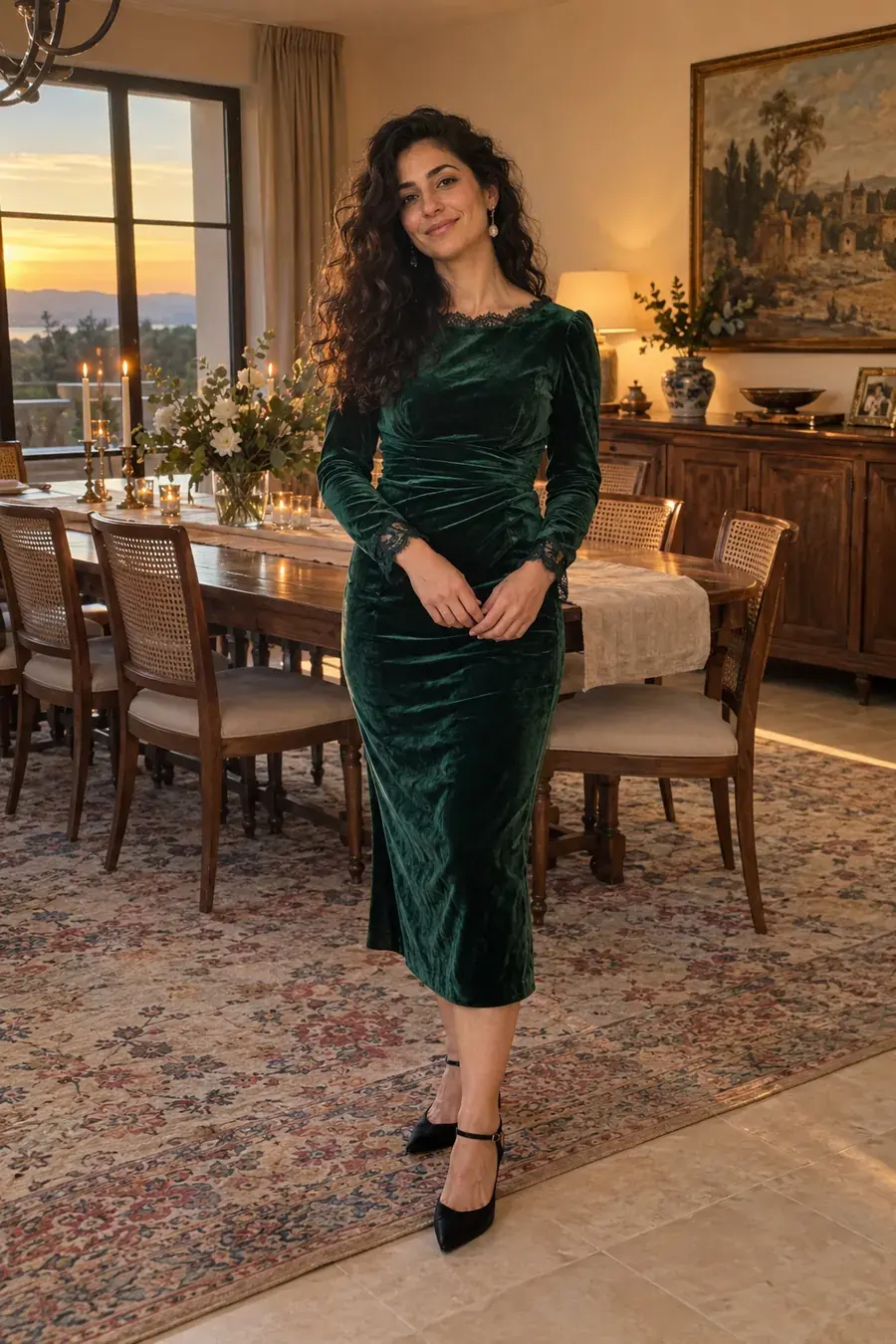
Stuck between two Kibbe types?
Compare the pairs people confuse most. Each guide shows the deciding difference across bone structure, flesh, facial features, and clothing lines.
- Dramatic vs Soft DramaticSee the deciding differences
- Flamboyant Natural vs NaturalSee the deciding differences
- Natural vs Soft NaturalSee the deciding differences
- Soft Dramatic vs Soft NaturalSee the deciding differences
- Dramatic Classic vs ClassicSee the deciding differences
- Classic vs Soft ClassicSee the deciding differences
- Soft Natural vs Soft ClassicSee the deciding differences
- Flamboyant Gamine vs GamineSee the deciding differences
- Gamine vs Soft GamineSee the deciding differences
- Theatrical Romantic vs RomanticSee the deciding differences
- Soft Natural vs RomanticSee the deciding differences
- Soft Classic vs RomanticSee the deciding differences
- Natural vs ClassicSee the deciding differences
- Soft Gamine vs RomanticSee the deciding differences
- Classic vs RomanticSee the deciding differences
- Dramatic Classic vs Soft ClassicSee the deciding differences
- Soft Dramatic vs RomanticSee the deciding differences
- Dramatic vs Dramatic ClassicSee the deciding differences
- Flamboyant Natural vs Soft NaturalSee the deciding differences
- Flamboyant Gamine vs Soft GamineSee the deciding differences
Not sure which one is yours?
Guessing from a chart is hard — most people misread their own bone structure. Our free 16-question quiz walks through bone, flesh, and facial features, then scores you into one of the 13 types and links you straight to its guide.
Kibbe is lines — colour is the other half
Your Kibbe type tells you which shapes and lines flatter you. Your colour season tells you which colours do. Put them together for a complete styling profile — see your best colours previewed on your own face in seconds.
Kibbe Body Types: Common Questions
What are the 13 Kibbe body types?
The 13 Kibbe body types are Dramatic, Soft Dramatic, Flamboyant Natural, Natural, Soft Natural, Dramatic Classic, Classic, Soft Classic, Flamboyant Gamine, Gamine, Soft Gamine, Theatrical Romantic, and Romantic. They are organised into five families — Dramatics, Naturals, Classics, Gamines, and Romantics — along a spectrum from pure Yang (sharp, vertical) to pure Yin (soft, rounded).
What is the Kibbe body type system?
Created by image consultant David Kibbe in the 1980s, the system sorts people by their balance of Yin (soft, curved, delicate) and Yang (sharp, angular, elongated) across bone structure, body flesh, and facial features. Instead of "balancing out" your shape, it seeks harmony by embracing your natural lines — each type has its own recommended clothing lines, fabrics, and silhouettes.
How do I find my Kibbe body type?
Take a Kibbe body type test that assesses your bone structure, flesh, and facial features, then reads your overall Yin/Yang pattern. Our free 16-question quiz scores you into one of the 13 types and links straight to that type's full guide with its clothing lines and styling advice.
What are the five Kibbe families?
The five families are Dramatics (sharp Yang), Naturals (soft, broad Yang), Classics (balanced Yin/Yang), Gamines (a mix of opposite Yin and Yang), and Romantics (lush Yin). Most families contain a pure type plus softened or sharpened variations, giving 13 types in total.
Is the Kibbe body type system still relevant?
Yes — Kibbe has seen a major revival online because, unlike "fruit" body shapes based only on measurements, it accounts for bone structure and facial features too, which is why two people with the same measurements can suit very different clothes. It works best as a guide to the lines and silhouettes that harmonise with your frame, not as a strict set of rules.
What is the difference between Kibbe body types and body shapes?
Body shapes (pear, hourglass, apple, rectangle, inverted triangle) sort you by measurement ratios alone. Kibbe types add bone structure and facial features, and prescribe "clothing lines" rather than balancing proportions. Many people use both — your body shape for fit, your Kibbe type for overall styling lines, and your colour season for palette.

Meet the colors made for you
Your personalized color analysis in minutes — then see yourself in every look on your real face. One-time payment, no subscription.
Meet the colors made for you
Your personalized color analysis in minutes — then see yourself in every look on your real face. One-time payment, no subscription.