Colors That Make You LookHealthier
Certain colors bring out the natural radiance in your complexion, making you look well-rested and healthy. Discover which shades flatter you most — and which to skip.
You don't need more sleep or better concealer. Sometimes the answer is simpler: the colors you're wearing near your face are draining your vitality. The right colors create a visual glow that makes your skin look alive and well-rested. The wrong ones make you look tired regardless of how you actually feel.


3,000+
happy clients
How Color Creates the Appearance of Health
You don't need more sleep or better concealer. Sometimes the answer is simpler: the colors you're wearing near your face are draining your vitality. The right colors create a visual glow that makes your skin look alive and well-rested. The wrong ones make you look tired regardless of how you actually feel.
The brain reads health signals from the face — skin tone, eye clarity, lip color, and overall luminosity all contribute to the impression of vitality. Clothing color near the face interacts directly with these signals: the right color reflects warmth and light onto the skin, making it look more alive. The wrong color absorbs warmth or reflects a competing hue that makes the complexion look dull, sallow, or shadowed.
Undertone resonance is the core mechanism. Colors that share your skin's undertone quality reflect compatible light back onto your face — this creates a complementary interaction that makes the skin look luminous. Colors that fight your undertone reflect incompatible light, creating a subtle but visible dullness or sallowness that the brain reads as tired or unwell.
The effect is most visible in the under-eye area and around the mouth — where tiredness typically shows first. The right color reduces the appearance of shadows and under-eye circles; the wrong color amplifies them. This is why the same person can look ten years younger in a camel sweater than in a grey one — not because of anything they did differently, but because of what the color is doing to their face.
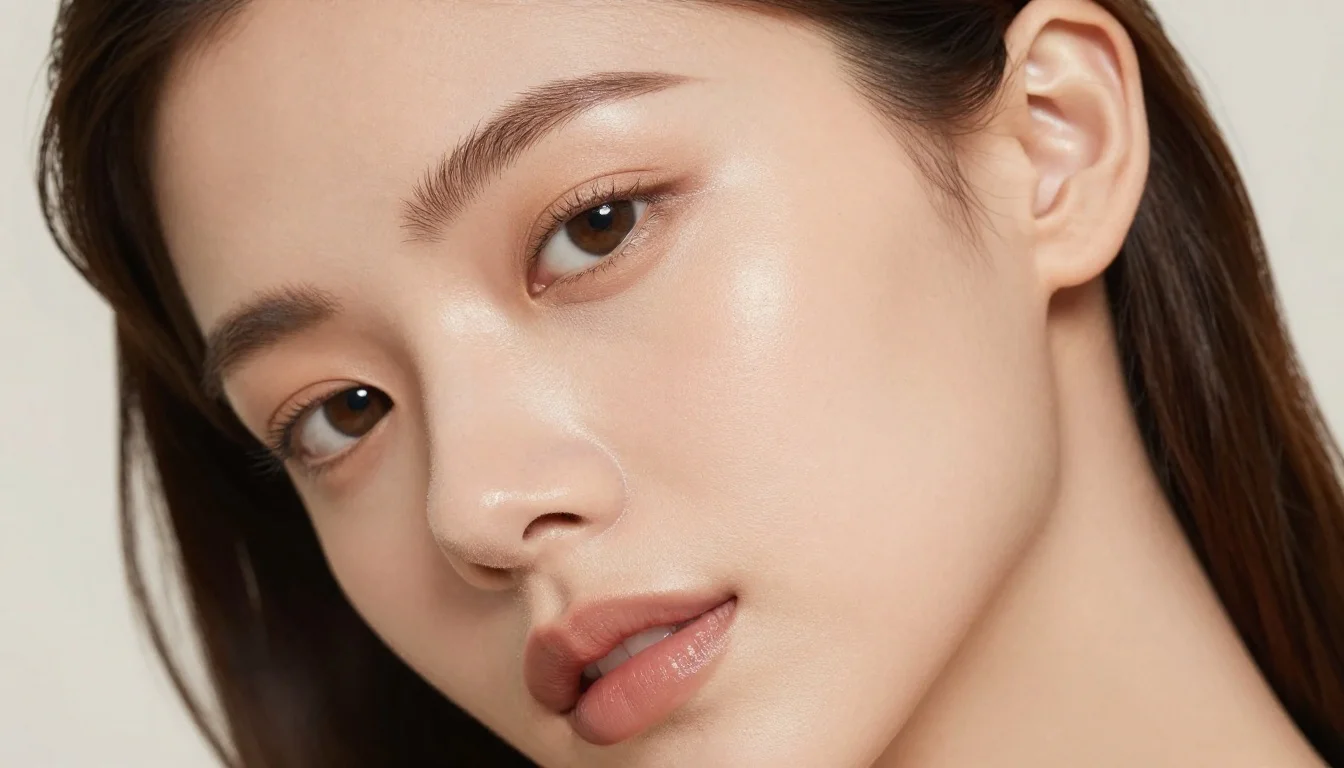
What colors make you look healthier?
Colors that share or resonate with your skin's undertone — warm peachy tones for warm undertones, soft rose-pink for cool undertones — create the most health-boosting effect. Your most vivid color that makes your eyes look most alive is also your most health-activating. Warm neutrals (camel, warm ivory) create a soft, glowing warmth near the face. The pattern: undertone resonance equals health and radiance.
Colors That Create a Healthy Glow
Your Best Undertone Color (Most Impactful)
The single most health-boosting color for any individual is their best undertone-resonant color. For warm undertones, warm peach, soft coral, and golden tones near the face create a luminous warmth that makes the skin look alive. For cool undertones, soft dusty rose, cool pink-red, and clear cool blue-pink have the same effect. When your clothing and skin undertone share the same quality, your face looks radiant.
Warm Peachy Pinks & Corals (Universal Brighteners)
Peach, coral, and warm rose tones are among the most universally health-boosting colors because they're close to the color of healthy, flushed skin. Wearing these near the face creates a warm resonance that mimics the appearance of natural color and vitality. This works most powerfully for warm undertones but has a warming effect on many neutral undertones too.
Clear Vivid Colors That Activate the Eyes
Your most vivid, clear colors make your eyes look more vivid, which the brain reads directly as vitality and health. When a color makes your eye color pop — blue looks bluer, brown looks richer, green more vivid — it creates an impression of alertness and life. Test by holding colors near your face: the one that makes your eyes most striking is your health-activating color.
Warm Neutrals (Glow Without Color)
Warm neutrals create a soft, glowing warmth near the face without requiring a statement color. Camel is particularly health-boosting for warm-to-neutral undertones — the golden warmth echoes and reflects skin's natural warmth, creating cohesive luminosity. Warm ivory creates the same effect with more lightness. These are the neutrals that make you look like you just returned from a relaxing vacation.

Ready to see peach coral & rose (cool on your face?
Start my color analysisUsing Color for Maximum Vitality
The face test for health and glow
Hold different tops near your face in natural daylight and check: under-eye area (does this color make shadows darker or lighter?), skin tone (does your skin look warm and alive or dull?), eye clarity (are your eyes more or less vivid?). The color that scores best across all three is your most health-activating color. This test is more reliable than any general rule.
Prioritize color near the face
The health-activating effect of color is most powerful within about 30cm of your face. A color at your neckline, collar, or in a scarf near your chin has far more impact than the same color on your trousers. Put your most flattering colors at your neckline and use versatile neutrals below. A bright coral scarf over a grey outfit has more health impact than coral trousers under a grey top.
When you need to look your best
For occasions when you need to look particularly well — important meetings, events, photos — wear your most health-activating color near your face. Avoid pale neutrals, flat greys, or undertone-mismatched colors on these days. The color investment in your outfit does work that no amount of concealer can fully replicate.
Using warmth in winter
Winter light is cooler and flatter, which tends to make complexions look more dull and grey. Warm neutrals (camel, warm ivory) and warm seasonal colors (terracotta for warm types, warm rose for cool types) counteract the winter light's cooling effect. This is why camel coats are so universally beloved — they add warmth and vitality in the exact season when both are most needed.

Colors That Make You Look Tired or Unwell
Muddy, dull mid-tones in the wrong undertone
Mid-toned colors that sit in the wrong undertone register — greige for warm undertones, muddy warm khaki for cool undertones — create a dullness that the brain reads as fatigue. These colors neither complement nor contrast — they absorb visual energy. If you consistently look tired in certain neutrals, undertone mismatch is usually the cause.
Very pale, low-contrast colors near pale complexions
Very pale colors near fair or low-contrast complexions create an overexposed, washed-out effect — the face and clothing blend at the same light value and the face loses definition. This registers as unwell because definition and contrast are visual signals of vitality. Adding a medium or deep color near the face resolves this instantly.
Colors that create shadow under your undertone
Cool grey, stark white (for warm undertones), and greige that matches the skin tone can create the appearance of shadows and hollow areas around the eyes and mouth — the same areas where tiredness shows first. These colors reflect shadow rather than warmth, making under-eye circles look deeper.
Colors that make your eyes look smaller or duller
Colors that don't interact with your eye color — those that neither contrast nor complement — reduce the vividness of your eyes. Since eye vividness is a primary health signal, anything that makes your eyes look smaller, duller, or less defined contributes to a less healthy appearance.
Stop guessing — preview every shade on you
See myself in my colorsHealth-Boosting Color Swaps
Replace colors that make you look tired with ones that make you look radiant.
Muddy mid-tones drain vitality. Undertone-matched neutrals reflect warmth back onto your face.
Cool grey creates shadow and flatness for warm undertones. Warm teal provides professional depth with warmth.
The colors you're drawn to aren't always the ones that make you look healthiest. The face test reveals the difference.
Same-value pale-on-pale loses definition. A medium depth creates contrast that makes fair skin look alive.
In fluorescent or cold light, a warm color near the face counteracts the light's cooling, draining effect.
Important days deserve your most health-activating color. The face test takes 60 seconds and the impact is significant.
Your Season's Health-Boosting Colors
Every seasonal palette has specific glow colors — the shades that most consistently make that season's complexion look radiant. These are the mid-depth, high-clarity colors in your seasonal range.
Light Spring
Learn moreYour health-boosting colors are warm, light, and clear: warm peach, golden coral, soft warm teal, warm ivory. These create the warm luminosity that makes Light Spring's clear, golden quality look most radiant.
Cool Summer
Learn moreYour health-boosting colors are cool, soft, and rose-adjacent: dusty rose, soft blue-green, muted lavender-pink, soft periwinkle. These reflect your cool skin's natural undertone warmth back onto the face.
Warm Autumn
Learn moreYour health-boosting colors are warm, earthy, and rich: terracotta, warm rust, cognac, deep warm teal. These create the rich golden warmth that makes Warm Autumn's complexion look most alive.
Find Your Most Health-Activating Colors
The colors that make you look healthiest are your seasonal palette's undertone-resonant mid-tones — the shades that reflect warmth onto your face and make your eyes look vivid. A personalized color analysis identifies your exact season and gives you a precise guide to your most glow-boosting colors: the specific coral, the specific teal, and the specific neutral that makes your complexion look most alive.
Stop guessing — preview every color on you
Preview Yourself In Your Palette
Get my personalized paletteStop guessing — preview every color on you
Preview Yourself In Your Palette

Related Guides for Colors That Make You Look Healthier
Explore more personalized color advice based on your features.
Want to see these colors on you? What Colors Look Good on Me — free to try.
Frequently Asked Questions About Colors That Make You Look Healthier
What colors make you look healthier?
Colors that share or resonate with your skin's undertone — warm peachy tones for warm undertones, soft rose-pink for cool undertones — create the most health-boosting effect. Your most vivid color that makes your eyes look most alive is also your most health-activating. Warm neutrals (camel, warm ivory) create a soft, glowing warmth near the face. The pattern: undertone resonance equals health and radiance.
What color makes you look less tired?
Warm, undertone-resonant colors near the face are the most powerful fatigue-reducers. For warm skin: warm peach, camel, warm coral, warm teal. For cool skin: dusty rose, soft periwinkle, cool blush. These colors reflect warmth back onto the under-eye area and soften the appearance of shadows — the main visual marker of tiredness.
Does pink make you look healthier?
The right pink can make you look healthier — specifically warm peachy-pink for warm undertones and cool dusty-rose for cool undertones. These pinks resonate with the natural flush of healthy skin. Overly bright or cold pinks can create the opposite effect — a garishness that doesn't look natural or healthy.
What colors make you look more awake?
Colors that make your eyes look more vivid create the most awake appearance. Test by holding colors near your face — the one that makes your eye color most striking is your most awake-boosting color. Any color that creates clear skin-clothing contrast adds definition that reads as alertness.
Does wearing bright colors make you look healthier?
Vivid colors can make you look healthy when they activate your eye color and resonate with your undertone. The key is the RIGHT vivid color — your best seasonal color in its most vivid form. The wrong vivid color (one that fights your undertone) can look garishly unwell even though it's bright.
What colors drain your complexion?
Colors that drain complexion share common traits: they fight your undertone (grey for warm skin, warm khaki for cool skin), they sit at the same value as your face (pale-on-pale creates no definition), or they make shadows look darker. Identifying and removing draining colors from your wardrobe improves your appearance on every day you'd otherwise wear them.