The Best Shades of Pinkfor Pale Skin
Pink and pale skin can be a perfect match or a washed-out mess depending on the shade. Discover how to find the colors that actually flatter your coloring.
Pale skin and pink have a famously tricky relationship. Because pale skin is already light in value, pale pinks can create too little contrast — the result is a washed-out, colorless look that makes the person disappear into their clothes. But saturated, vivid, or deep pinks can be spectacular on fair skin, and even softer pinks can work when they have the right undertone alignment. The secret is understanding whether your pale skin has cool, warm, or neutral undertones — because that determines which shade family of pink will look most vibrant against your complexion.


3,000+
happy clients
Why Pale Skin Needs Specific Pink Shades
Pale skin and pink have a famously tricky relationship. Because pale skin is already light in value, pale pinks can create too little contrast — the result is a washed-out, colorless look that makes the person disappear into their clothes. But saturated, vivid, or deep pinks can be spectacular on fair skin, and even softer pinks can work when they have the right undertone alignment. The secret is understanding whether your pale skin has cool, warm, or neutral undertones — because that determines which shade family of pink will look most vibrant against your complexion.
The primary challenge for pale skin in pink is value contrast. When both the skin and the clothing are light, there is no contrast to create visual interest — everything blurs together. This is why very pale pastel pinks — baby pink, light blush — often look unflattering on pale skin: the lack of contrast between a light-value color and light-value skin creates a one-note, washed-out effect.
The undertone dimension is equally important for pale skin. Fair complexions with cool, pink, or rosy undertones can look stunning in cool-toned pinks — the temperature alignment creates clarity rather than conflict. Fair skin with warm, peachy undertones is better served by warm-based pinks with some golden or peach quality. The wrong temperature pink on pale skin tends to accentuate any undertone mismatch — making cool skin look ashy or warm skin look flushed.
The solution for most pale skin types is to either go deeper in the pink family (vivid rose, hot pink, berry) or to choose pinks with enough warmth or contrast to stand out clearly against fair complexions. Both approaches work — one through color intensity, the other through temperature harmony.

What shade of pink is best for pale skin?
Vivid rose, hot pink, berry pink, and medium-depth warm blush are the most consistently flattering pinks for pale skin. These shades provide the contrast or warmth that fair skin needs. Very pale baby pink and cool grey-pink are the shades to avoid, as they create no meaningful contrast against pale complexions.
Your Best Shades of Pink
Vivid Rose and Hot Pink
Vivid, saturated pinks are some of the best choices for pale skin because they provide the value contrast that fair complexions need. A hot pink or vivid rose against pale skin creates a bold, striking color pairing with undeniable visual impact. The contrast between the intensity of the pink and the lightness of the skin is exactly what prevents the washed-out effect. For pale skin wanting to wear pink and make an impression, vivid rose and hot pink are the answer.
Cool Berry Pink and Raspberry
Berry pink and raspberry occupy the deeper end of the pink family and create beautiful contrast against pale skin. The depth of berry pink — significantly darker than the skin — prevents the value-matching problem while the cool-pink temperature aligns with the blue or neutral undertones common in pale complexions. Against fair cool skin, a raspberry or berry pink creates a sophisticated, high-contrast pairing that reads as naturally harmonious.
Warm Peach-Pink
For pale skin with warm, peachy undertones — fair skin that flushes warm in sunlight — a warm peach-pink or warm blush creates the most harmonious alignment. The key is ensuring the pink has enough warmth to resonate with peachy undertones and enough depth to avoid blending into the skin. Warm blush in a medium depth works; the very pale barely-there version does not. A clear warm peach-pink against pale warm skin looks like a deliberate, flattering choice rather than an accident.
Cool Lilac-Pink and Rose
For cool-undertoned pale skin — particularly those in the Cool Summer or Cool Winter seasonal palettes — cool dusty rose and lilac-pink can be surprisingly flattering when the depth is appropriate. The cool temperature aligns with pale skin's cool undertones, creating a refined, sophisticated look. The key is having enough depth to stand out: a medium-depth lilac-pink works, a barely-there pastel version does not.

Ready to see pink & rose on your face?
Start my color analysisHow to Wear Pink with Pale Skin
Daily wear
For daily wear on pale skin, a vivid rose or warm blush top with enough depth to stand out is the most reliable option. Avoid the very palest pinks for tops, as they disappear against pale skin. A warm blush in a clear, medium depth or a cool berry-pink in a light-to-medium saturation create the everyday pink look without the washed-out effect. Pair with mid-value bottoms — light jeans, beige, or tan — that provide some contrast.
Making an impact
Pale skin in hot pink or vivid fuchsia is genuinely striking — the contrast between fair skin and saturated pink is visually dramatic and high-fashion. If you want to make a statement in pink, choose vivid versions over pale ones. Against pale skin, a vivid hot pink dress or blouse creates unforgettable visual impact that paler options simply cannot achieve.
Evening and formal
For evening, deep berry pink, vivid rose, or a medium-depth cool rose creates elegant contrast against pale skin. Pale skin at formal events looks most striking in pinks with real depth — a berry-rose or deep raspberry gown against fair skin is sophisticated and visually powerful. Avoid pale pink formal wear, which can look underdressed or washed-out compared to more saturated choices.
Choosing between cool and warm pinks
The key decision for pale skin is undertone alignment. Pale skin with cool pink or rosy tones should lean toward cool pinks (berry, raspberry, cool rose). Pale skin with warm peachy or golden tones should lean toward warm pinks (peach-pink, warm blush, warm rose). When in doubt, a neutral-warm rose with moderate depth works for both.
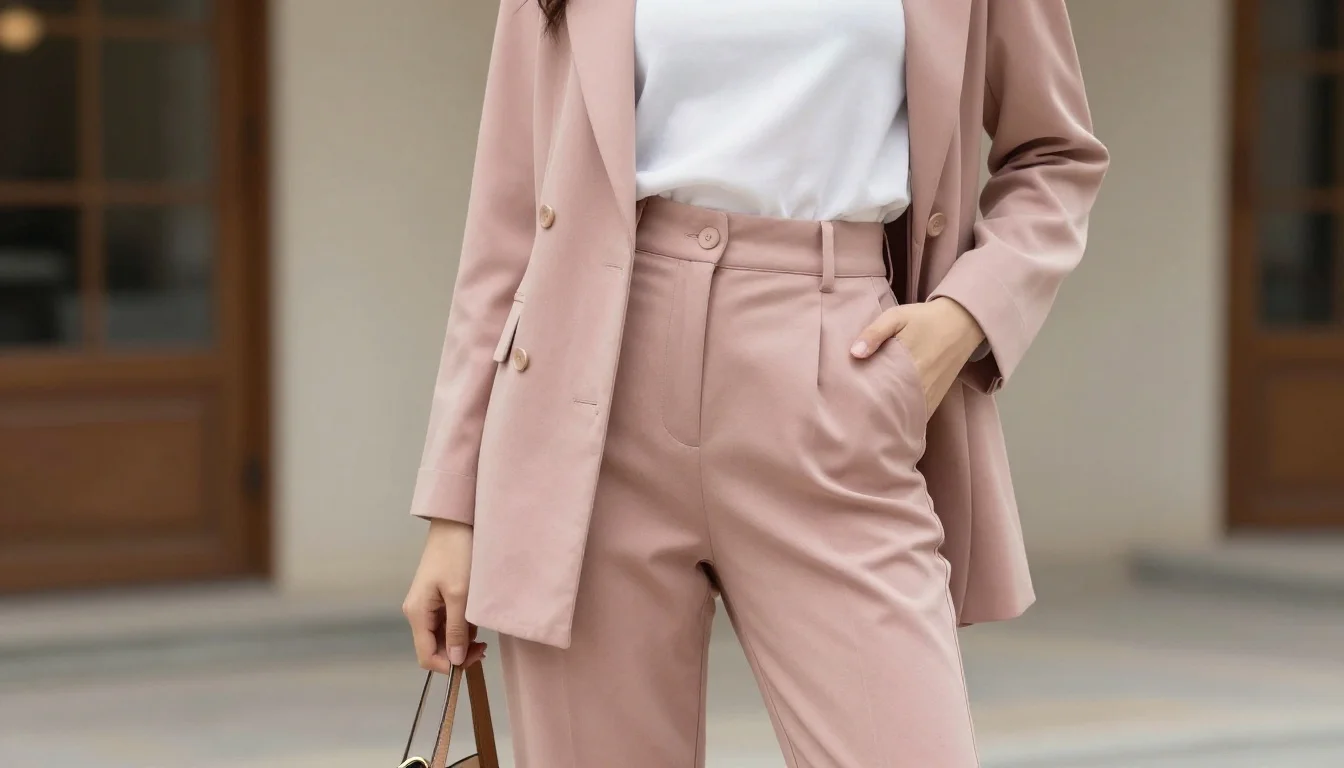
Shades of Pink to Approach Carefully
Very pale baby pink
Baby pink is the most common pink mistake for pale skin. The very light value of baby pink creates almost no contrast against a fair complexion, resulting in a washed-out, colorless look. The skin and the clothing blend together visually rather than creating any flattering combination. Pale skin needs pinks with either warmth, saturation, or depth — preferably two of the three.
Ashy cool grey-pink
Greyed or ashy pinks with a cool, grey undertone can make pale skin look lifeless. The grey quality does not provide the brightness or contrast that fair skin benefits from. Unless you have very cool, muted coloring in a Cool Summer palette, grey-pink tends to make pale skin appear dull and tired.
Orange-coral pink on cool pale skin
Warm coral-pink can clash with cool pale skin by introducing orange warmth that conflicts with the skin's cool undertones. On pink-toned fair skin, coral-pink can make the skin look flushed or ruddy. Cool pale skin is generally better served by cool or neutral pinks rather than warm coral-adjacent pink shades.
Stop guessing — preview every shade on you
See myself in my colorsPink Swaps for Pale Skin
Trading the pinks that disappear on fair complexions for those that create beautiful contrast.
Baby pink creates no contrast against pale skin — both blend together. A vivid rose or medium-depth warm blush provides enough value difference to actually look like a deliberate color choice.
Powder pink disappears on pale skin. Berry pink and raspberry have the depth to stand out clearly against fair complexions while staying in the pink family.
Ashy grey-pink makes pale skin look dull and lifeless. A cool rose with proper depth maintains the muted sophistication while providing enough contrast to flatter fair skin.
Pale blush in a formal context looks washed out on pale skin. Deep berry rose provides elegant high contrast; vivid hot pink creates dramatic, memorable impact.
A very pale pink coat creates no contrast with pale skin and looks like it is missing color. A vivid rose or deep raspberry coat gives pale skin the clear, decisive color moment it needs.
Pale accessories disappear near pale skin. Vivid or deep pink accessories create clear color pops that are visually interesting rather than lost against fair complexions.
Which Palette Might Be Yours?
Pale skin spans multiple seasonal palettes with different pink preferences. Your specific season determines whether your ideal pinks lean vivid, muted, cool, or warm.
Cool Summer
Learn moreCool Summer encompasses pale to medium fair skin with cool undertones and soft, muted quality. Your pinks are cool and softened: dusty rose, cool mauve, soft raspberry. Very vivid pinks can overpower Cool Summer's natural softness — muted cool pinks are more harmonious.
Cool Winter
Learn moreCool Winter suits pale skin with high contrast and cool, clear undertones. Your pinks can be vivid and cool: hot pink, vivid fuchsia, cool magenta, and deep berry all work beautifully. High contrast Cool Winter coloring can carry the most vivid, dramatic pinks.
Light Spring
Learn moreLight Spring suits very fair skin with warm, clear, and delicate undertones. Your pinks are warm and light but clear — warm blush, warm peach-pink, and light warm rose with clarity. The key is warmth and lightness together rather than cool or heavily saturated pinks.
Find Your Exact Colors
Pale skin in the right shade of pink can be one of the most beautiful and natural-looking color combinations — or one of the most washed-out. The difference lies in understanding the undertone direction of your specific fair complexion and choosing pinks with appropriate depth to provide real contrast. A personalized color analysis identifies precisely which pinks create the most flattering, vibrant effect for your individual fair skin tone.
Stop guessing — preview every color on you
Preview Yourself In Your Palette
Get my personalized paletteStop guessing — preview every color on you
Preview Yourself In Your Palette

Related Guides for Best Shade of Pink for Pale Skin
Explore more personalized color advice based on your features.
Want to see these colors on you? What Colors Look Good on Me — free to try.
Frequently Asked Questions About Best Shade of Pink for Pale Skin
What shade of pink is best for pale skin?
Vivid rose, hot pink, berry pink, and medium-depth warm blush are the most consistently flattering pinks for pale skin. These shades provide the contrast or warmth that fair skin needs. Very pale baby pink and cool grey-pink are the shades to avoid, as they create no meaningful contrast against pale complexions.
Why does pink wash out pale skin?
Pale pinks wash out fair skin because there is too little value contrast — both the skin and the pale pink are light, creating a colorless, indistinct look. The solution is choosing pinks with either more saturation (vivid rose, hot pink), more depth (berry, deep raspberry), or more warmth (warm blush, peach-pink). Any of these approaches creates the contrast that pale skin needs.
Can pale skin wear hot pink?
Yes — hot pink can be one of the most flattering pinks for pale skin because the vivid saturation creates exactly the contrast that fair complexions benefit from. The dramatic difference in value between bright pink and pale skin creates a striking, visually clear combination. It is one of the pink choices where being pale is actually an advantage.
What is the best blush pink for pale skin?
For pale skin, blush pink needs to have enough depth and warmth to avoid blending into the skin. Look for blush in a medium depth — not the palest barely-there version — with a warm peach quality rather than a cool grey quality. A warm, clear blush in medium saturation stands out enough to look intentional against fair skin.
Should pale skin wear cool or warm pink?
This depends on your pale skin's undertone. Cool pale skin (with pink, blue, or rosy undertones) looks most luminous in cool pinks: berry, raspberry, cool rose. Warm pale skin (with peachy, golden undertones) looks best in warm pinks: warm blush, peach-pink, warm rose. Neutral pale skin has more flexibility but generally benefits from pinks with some warmth and clear saturation.
What jewelry goes with pink on pale skin?
For cool pale skin in cool pinks, silver and white gold create a refined, cool-aligned look. For warm pale skin in warm pinks, rose gold or yellow gold complements beautifully. Delicate gold jewelry with vivid hot pink on pale skin creates a chic, modern combination. Avoid heavy yellow gold with cool, blue-toned pinks on very fair cool skin.