The Right Shade of Orangefor Warm Undertones
Warm undertones and orange have natural chemistry — but not every orange flatters. Discover how to find the colors that actually flatter your coloring.
Warm undertones — the golden, peachy, or yellow-golden quality beneath the skin's surface — should give you a head start with orange. And they do, mostly. Warm-undertoned skin and warm-toned colors share a fundamental harmony that cooler complexions cannot access. But within orange, there are still shades that maximize that harmony and shades that push the golden quality of warm undertones toward sallow or brassy. Knowing which end of the orange spectrum to inhabit is the difference between glowing and clashing.


3,000+
happy clients
Why Undertone Temperature Changes Everything with Orange
Warm undertones — the golden, peachy, or yellow-golden quality beneath the skin's surface — should give you a head start with orange. And they do, mostly. Warm-undertoned skin and warm-toned colors share a fundamental harmony that cooler complexions cannot access. But within orange, there are still shades that maximize that harmony and shades that push the golden quality of warm undertones toward sallow or brassy. Knowing which end of the orange spectrum to inhabit is the difference between glowing and clashing.
Warm undertones mean the skin has a yellow, golden, or peachy quality beneath the surface. Orange, as a warm color, should be a natural ally — and it largely is. The warmth of orange resonates with the warmth in the skin, creating harmony rather than the temperature conflict that cool-undertoned skin experiences with this color family. This is why warm-undertoned skin consistently handles the orange family better than cool-undertoned skin across all depths.
The nuance within warm undertones and orange is about which direction the warmth tilts. Some warm undertones are more golden-yellow; others are more peach-red or peachy-warm. Golden-yellow warm undertones need to be careful with very yellow-orange shades — those that tip into the yellow end of orange can amplify the yellow in the skin and push it toward sallow. Peachy-red warm undertones handle orange more broadly because the red in the undertone creates distance from the yellow-orange clash risk.
Saturation is also relevant. Warm-undertoned skin in lighter fair ranges may benefit from muted or earthy oranges rather than vivid ones. Warm-undertoned skin in deeper ranges can generally handle more saturation. But across all depths, warm undertones share the advantage of being able to access a wide portion of the orange spectrum — from soft terracotta to vibrant tangerine — with confidence that the warmth will harmonize.
What shade of orange suits warm undertones best?
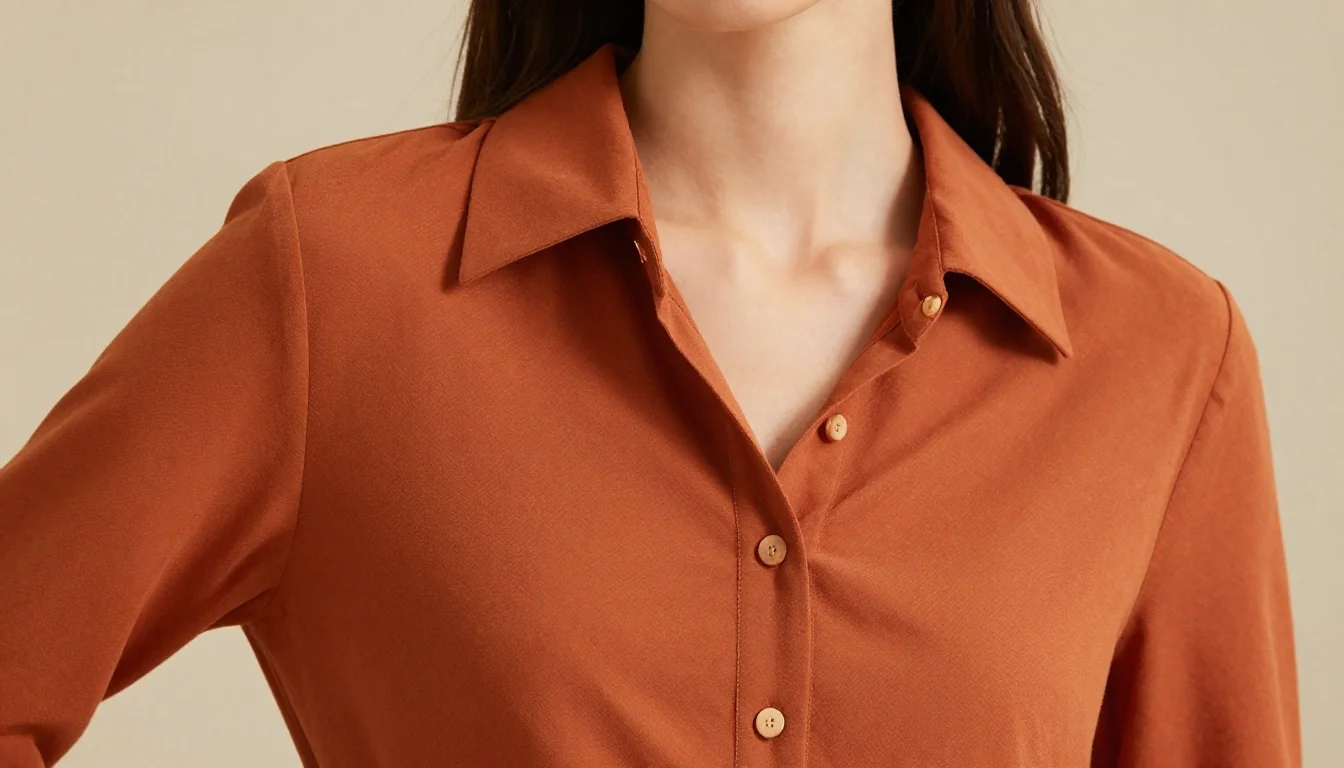
Terracotta, rust, paprika, and warm tangerine are among the best orange shades for warm undertones. The earthy warmth of terracotta and rust harmonizes naturally with the golden quality of warm undertones, while vivid warm tangerine and coral work well for lighter warm complexions. Avoid very yellow-orange shades that can amplify sallowness.
Your Best Shades of Orange
Terracotta
Terracotta is perhaps the most universally flattering orange for warm undertones across all skin depths. The earthy, red-brown warmth of terracotta aligns with the golden warmth of the undertone beautifully — the two are almost always in harmony. Terracotta has the depth and earthiness to feel sophisticated rather than costumey, and it works in casual, professional, and elevated contexts equally well. If you have warm undertones, terracotta should be a wardrobe staple.
Rust and Burnt Sienna
Rust and burnt sienna take the warmth of terracotta deeper and richer, creating particularly striking combinations with warm-undertoned skin of medium to dark depth. The red-brown richness in rust harmonizes with warm undertones while providing visual substance against the skin. Warm-undertoned skin in burnt sienna looks inherently cohesive — the warmth in both is the same quality at different saturation levels.
Paprika and Warm Red-Orange
Red-leaning oranges like paprika and warm red-orange are excellent for warm undertones, particularly those with a peachy or red-warm quality. The red component adds depth and sophistication while maintaining the overall warmth. Paprika is especially versatile — it has enough red to feel like a power color but enough orange to remain in the warm harmony zone. This is a strong choice for professional contexts where warm-undertoned skin wants to make a confident impression.
Warm Tangerine and Coral
For warm undertones with a lighter or peachy quality to the skin, tangerine and coral are excellent orange options. Warm tangerine — a vivid but warm (not neon) orange — is a natural partner for warm undertones, especially in spring and summer contexts. Coral, sitting at the orange-pink intersection, is a flattering choice for warm undertones that have a peachy quality: the pink softens the pure orange into something that harmonizes with the warm-peachy skin beautifully.

Ready to see terracotta & clay on your face?
Start my color analysisHow to Wear Orange with Warm Undertones
Building on warmth
Warm undertones can confidently build color outfits that stay entirely within the warm spectrum. Orange with camel, chocolate brown, warm cream, mustard, or olive creates a rich, cohesive warm-palette look that makes warm-undertoned skin look naturally beautiful. This monochromatic-warm approach is one of the most effortless formulas for warm undertones in the orange family.
Contrast approach
For maximum impact, pair orange with deep warm-neutrals that create contrast: dark chocolate, espresso brown, or deep olive. A terracotta or rust top with dark brown trousers and warm leather accessories on warm-undertoned skin is a highly polished combination. The contrast exists between the brightness of the orange and the depth of the neutral, unified by the warmth shared by both.
Professional context
In professional settings, warm-undertoned skin should choose the more grounded end of the orange family: terracotta, rust, or paprika in structured blazers, blouses, or tailored pieces. These earthy oranges signal confidence and warmth without the visual aggression of vivid orange. A paprika blouse with warm-toned trousers and gold jewelry is a genuinely powerful professional look for warm undertones.
Jewelry pairings
Warm undertones should always reach for warm metals with orange: yellow gold, rose gold, antique gold, copper, and warm bronze all reinforce the natural warmth of the pairing. Silver and white gold interrupt the warm harmony. Gold in particular with terracotta or rust is an iconic combination — both colors share a warmth and richness that looks cohesive and intentional.
Shades of Orange to Skip
Very yellow-orange (mango, citrus)
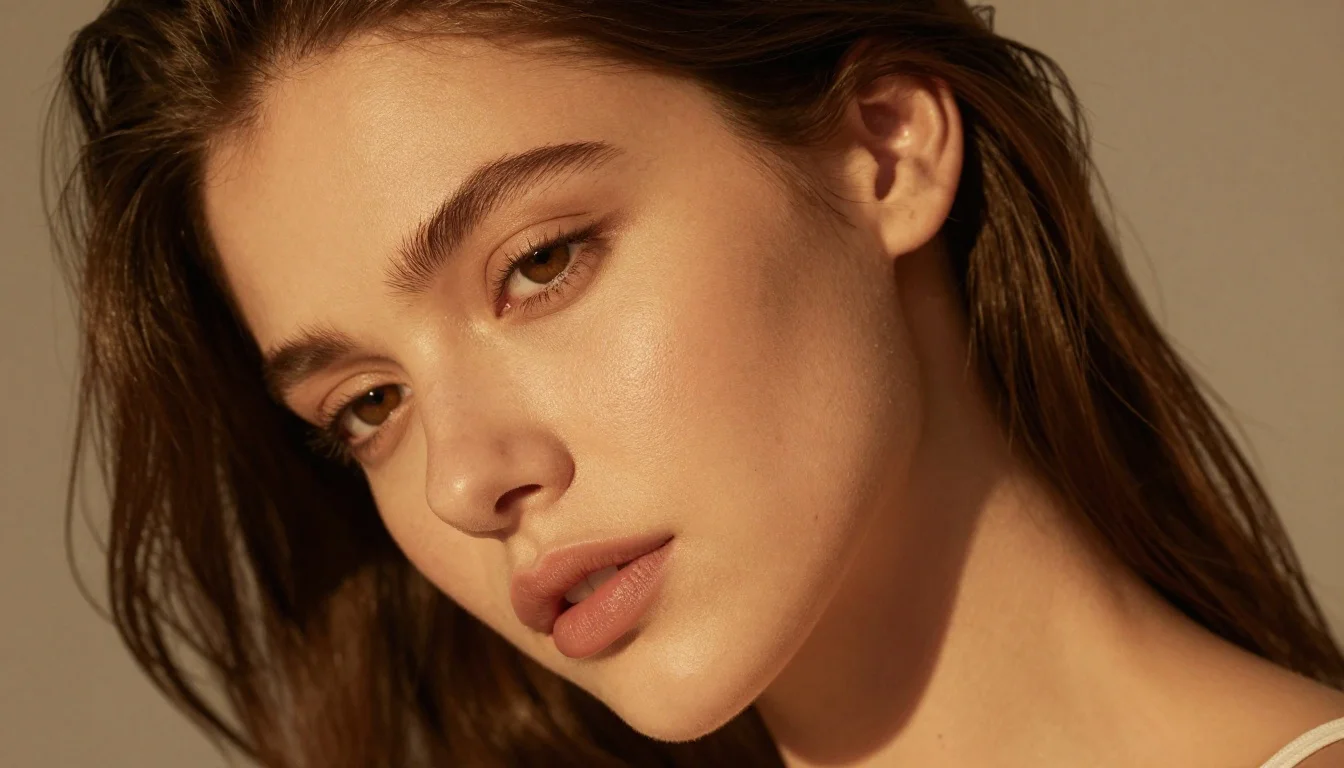
Oranges that tip heavily toward yellow can amplify the yellow quality of warm undertones, pushing the skin toward a sallow appearance. Mango and citrus orange sit too close to yellow for most warm undertones — they reinforce the golden quality of the skin without adding contrast or warmth, resulting in a washed-out or jaundiced effect.
Neon or fluorescent orange
Neon orange has an artificial brightness that even warm-undertoned skin cannot harmonize with. The flatness and intensity of neon creates a visual conflict rather than the warm resonance that earthier oranges achieve. Orange does not need to be fluorescent to be vivid — vivid true orange or tangerine achieves impact without the artificial quality.
Very pale or washed-out peach
While peach is in the orange family, very pale, desaturated peach lacks the warmth and depth to create a noticeable positive effect on warm-undertoned skin. For warm undertones at lighter depths, soft peach can work as a near-neutral; for deeper warm skin, it simply disappears. Peach without depth is not a flattering choice.
Cool-toned "orange" (bright pink-orange)
Some shades advertised as orange have a distinctly cool, fluorescent-pink quality. These cool-orange shades create a temperature conflict with warm undertones — the skin's warmth and the color's coolness fight rather than harmonize. If the orange looks like it belongs in a neon sign, it is likely cool-toned and unsuitable for warm undertones.
Stop guessing — preview every shade on you
See myself in my colorsOrange Swaps for Warm Undertones
Making the most of warm undertones' natural affinity for orange.
Mango-orange amplifies the yellow in warm undertones toward sallow. Terracotta achieves the same warmth family with earthy depth that prevents that effect.
Neon does not harmonize with any undertone. Paprika and rust deliver confident warmth in a grounded, professional-appropriate shade.
Cool-toned orange creates temperature conflict with warm undertones. Vivid tangerine and warm coral maximize the natural warm harmony.
Pale peach lacks presence for warm undertones. Burnt sienna has the depth and warmth to create a genuinely flattering, rich appearance.
Vivid pumpkin risks the yellow-clash zone. Deep rust has the same orange impact but with red depth that creates sophisticated warmth.
Silver interrupts the warm harmony between orange and warm undertones. Gold and copper reinforce the warmth at every layer of the look.
Which Palette Might Be Yours?
Warm undertones appear across the Autumn and Spring seasonal families. Your exact seasonal identity determines where within the orange family your best shades fall.
Warm Autumn
Learn moreWarm-undertoned skin with muted, golden-brown tones and warm hair and eye color often falls in Warm Autumn. Your oranges are earthy and rich: terracotta, rust, paprika, and burnt sienna are all natural palette members. Vivid oranges are possible but the earthy, grounded shades are your strongest.
Warm Spring
Learn moreWarm-undertoned skin with lighter, more delicate coloring and clear warm tones in hair and eyes often falls in Warm Spring. Your oranges should stay warm and relatively clear: peach, warm coral, light tangerine, and apricot are at home in your palette. Very dark or muted oranges are too heavy for Warm Spring.
Soft Autumn
Learn moreWarm-undertoned skin with a muted, soft quality — gentle contrast, blended tones — often falls in Soft Autumn. Your oranges should be toned down and earthy: dusty terracotta, muted adobe, soft cinnamon. Clear vivid oranges are too bright for Soft Autumn's blended palette.
Find Your Exact Colors
Warm undertones have a natural advantage with orange — the warmth in the skin and the warmth of the color create an immediate harmony that many other skin types cannot access with this challenging color family. The specific shade that works best for you depends on your depth, the exact quality of your warmth, and your seasonal identity. A personalized color analysis identifies exactly which oranges make your warm-undertoned skin glow.
Stop guessing — preview every color on you
Preview Yourself In Your Palette
Get my personalized paletteStop guessing — preview every color on you
Preview Yourself In Your Palette
Related Guides for Best Shade of Orange for Warm Undertones
Explore more personalized color advice based on your features.
Want to see these colors on you? Skin Undertone Test — free to try.
Frequently Asked Questions About Best Shade of Orange for Warm Undertones
What shade of orange suits warm undertones best?
Terracotta, rust, paprika, and warm tangerine are among the best orange shades for warm undertones. The earthy warmth of terracotta and rust harmonizes naturally with the golden quality of warm undertones, while vivid warm tangerine and coral work well for lighter warm complexions. Avoid very yellow-orange shades that can amplify sallowness.
Can warm undertones wear any shade of orange?
Warm undertones have the broadest access to the orange family compared to other undertone types. Most shades of orange — from earthy terracotta to vivid tangerine — will work to some degree. The exceptions are very yellow-orange (sallow risk), neon orange (artificial quality), and cool-toned orange (temperature conflict).
Do warm undertones look good in orange?
Yes — orange is one of the most naturally flattering color families for warm undertones. The warmth in the skin and the warmth of orange create a resonance that appears effortless and harmonious. Warm undertones consistently look glowing and radiant in earthy oranges, and can access vivid oranges more freely than cool-undertoned complexions.
Is terracotta always good for warm undertones?
Terracotta is one of the most universally reliable choices for warm-undertoned skin across all depths and seasonal types. The earthy red-brown warmth of terracotta aligns with the golden quality of warm undertones in a way that is rarely unflattering. It works in casual, professional, and formal contexts.
Should warm undertones avoid yellow-orange?
Generally yes. Very yellow-toned oranges — mango, citrus, some tangerines — sit so close to the yellow in warm undertones that they risk amplifying sallowness rather than creating the rich warmth that the right orange delivers. Warmth should lean red-golden (terracotta, rust, paprika) rather than yellow-golden for the best effect on warm-undertoned skin.