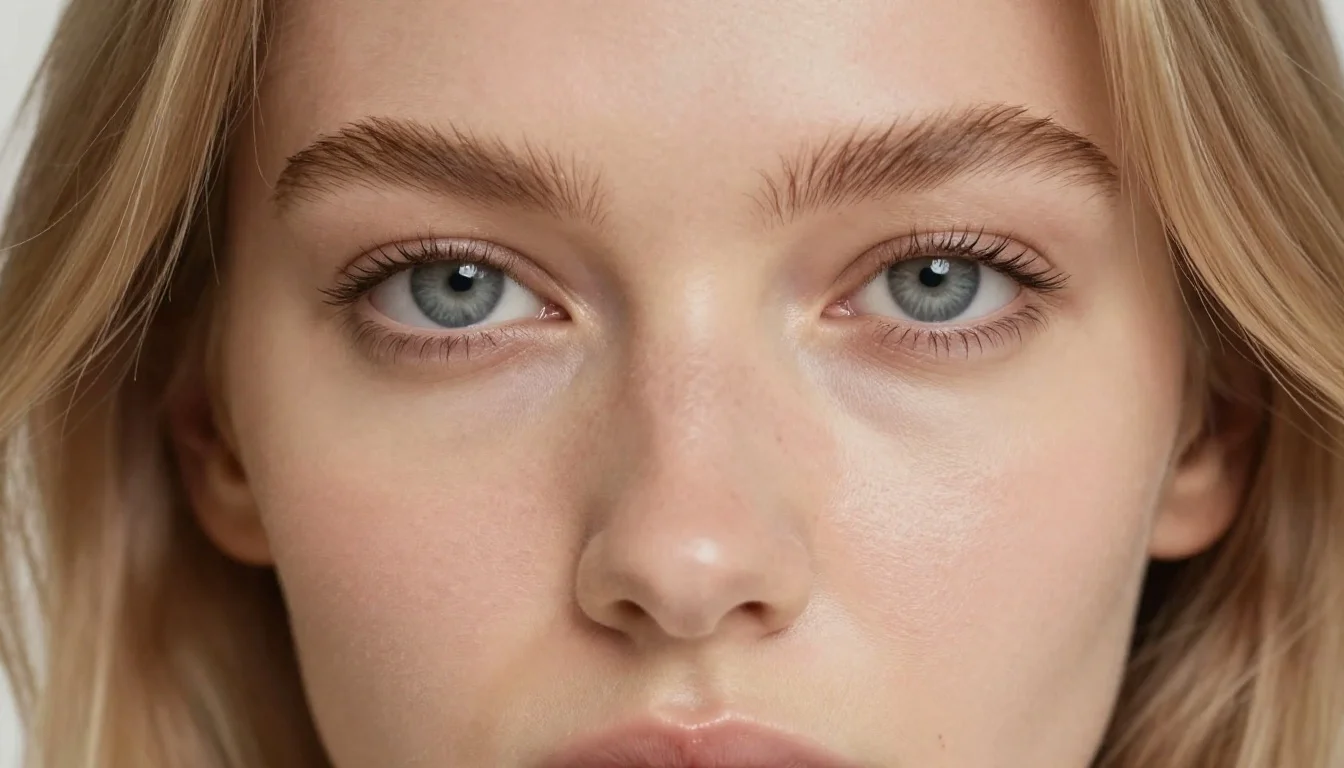
Pale skin has a delicate, often translucent quality that makes it uniquely responsive to hair colour — both positively and negatively. The right ombre can make a pale complexion look porcelain and luminous; the wrong choice can make it appear washed out, sallow, or stark. Pale skin comes in two main undertone families — cool pink-pale and warm peachy-pale — and each responds to different ombre palettes. The key is identifying which quality of paleness you have and choosing ombre transitions that enhance rather than drain your natural complexion.
Pale skin has relatively little melanin, which means it shows colour relationships with hair in a heightened way. On deeper skin tones, the contrast between hair and skin absorbs some of the tonal difference and creates natural visual interest. On pale skin, there is less natural contrast, which means the colour temperature of the hair becomes the dominant visual element around the face. A cool ombre on cool-pale skin can make the complexion look stark or even bluish; a warm ombre on warm-pale skin can make it glow as if lit from within.
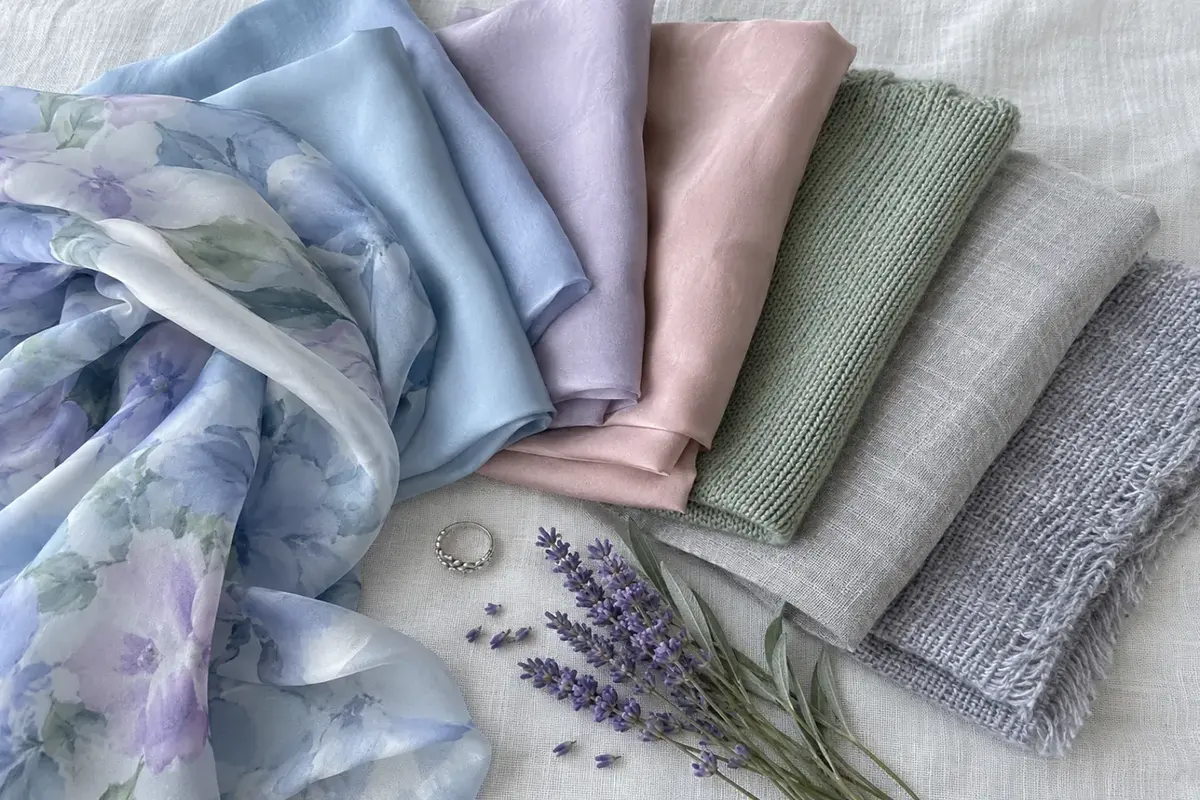
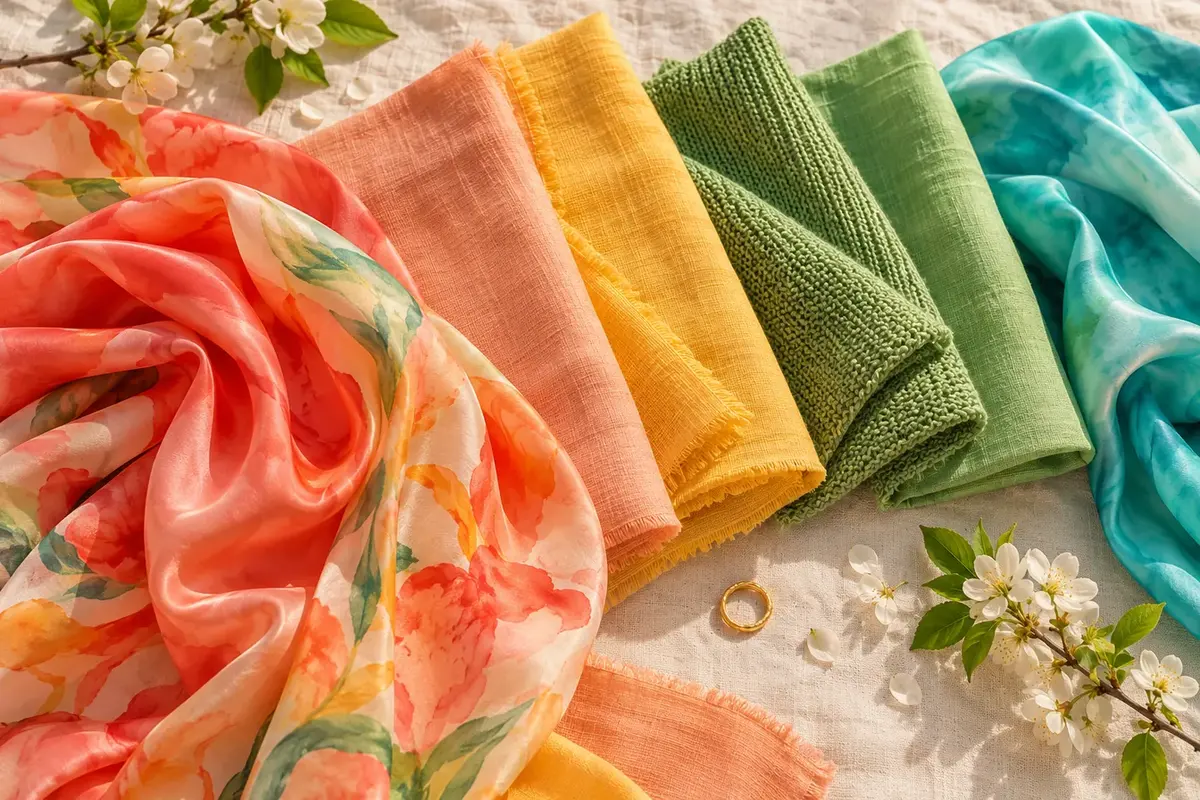
The undertone distinction within pale skin is crucial. Cool-pale skin with pink or bluish undertones belongs in the cool-season palettes (cool summer, cool winter, or light summer) and responds to ombre shades that are cool, ashy, or neutral-cool — think platinum blonde, cool ash, or beige-blonde. Warm-pale skin with peachy or golden undertones belongs in warm-season palettes (light spring, warm spring) and responds to warm, golden, and strawberry-toned ombre shades instead.
Avoiding "washing out" is the primary challenge for pale skin with ombre. This happens when the ombre end shade is too close to the skin tone in both depth and temperature — a very light, cool blonde ombre on cool-pale skin can make face and hair blur together without definition. Adding a slightly warm quality to the ends, or ensuring there is sufficient depth at the roots, gives pale skin the contrast it needs to appear defined and glowing rather than flat and washed out.