Best Colors forMediterranean Skin
Warm golden-olive skin from Southern Europe, North Africa, and the Levant looks luminous in a sun-drenched palette. See which shades to wear — and which to skip.
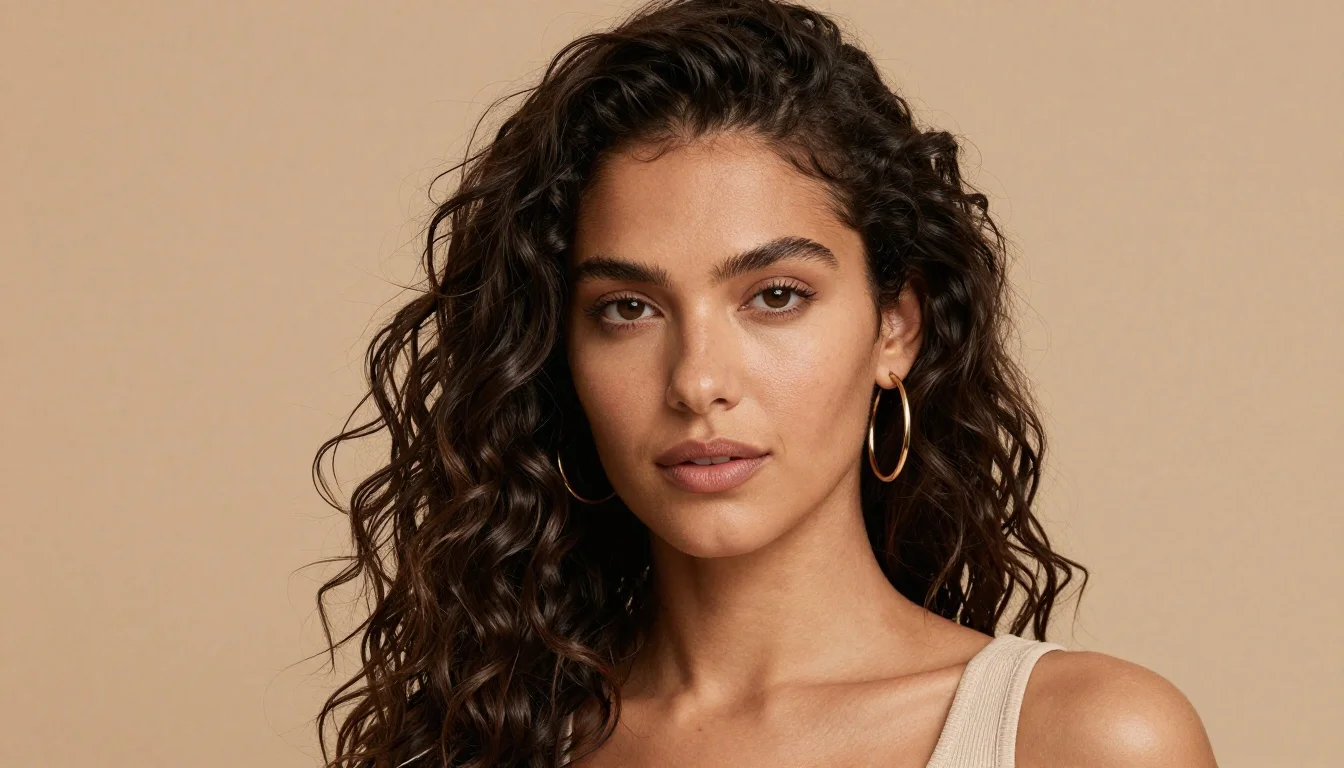
Mediterranean skin is the warm, golden-olive complexion of Southern Europe, North Africa, and the Levant — the kind of skin you see across Italy, Greece, Spain, Portugal, Lebanon, and Morocco. It tans easily, rarely burns, and carries a sun-warmed glow even in winter. There's a beautiful logic to dressing it: the colors that flatter Mediterranean skin are, almost uncannily, the colors of the region itself — terracotta rooftops, olive groves, sun-bleached stone, teal water, coral, and bronze. This guide gives you that sun-drenched Riviera palette, covering both the lighter and the deeper ends of Mediterranean skin.


3,000+
happy clients
Why the Mediterranean Palette Works
Mediterranean skin is the warm, golden-olive complexion of Southern Europe, North Africa, and the Levant — the kind of skin you see across Italy, Greece, Spain, Portugal, Lebanon, and Morocco. It tans easily, rarely burns, and carries a sun-warmed glow even in winter. There's a beautiful logic to dressing it: the colors that flatter Mediterranean skin are, almost uncannily, the colors of the region itself — terracotta rooftops, olive groves, sun-bleached stone, teal water, coral, and bronze. This guide gives you that sun-drenched Riviera palette, covering both the lighter and the deeper ends of Mediterranean skin.
Mediterranean skin shares a defining quality across its enormous range: warmth with a golden-olive depth. From the lighter Northern Italian or coastal Spanish complexion to the deeper Levantine, Maghrebi, or Southern Greek tone, the common thread is skin that holds warmth and pigment well — it tans to a rich golden-bronze and rarely turns pink. That warm, sun-receptive quality is exactly why the colors of the Mediterranean landscape suit it so naturally. Terracotta, olive, ochre, and bronze don't fight this skin; they echo it.
Think about where you actually see this complexion thriving on color. A Sicilian market in mustard and rust, a Greek island in white-washed ivory against a teal sea, a Moroccan medina in saffron, clay, and deep blue tile. These pairings aren't coincidences — warm golden-olive skin has the depth and warmth to carry saturated, earthy, sun-baked color without being overwhelmed by it. The same palette that looks at home against a Riviera backdrop looks at home against Mediterranean skin.
The flip side matters just as much. Because this skin runs warm and golden, cool and ashy colors create a visible mismatch. Cool baby-pink, icy pastels, and pure cool grey sit at the opposite temperature to golden-olive warmth, and the contrast tends to grey the skin out — draining the glow and leaving the complexion looking tired or sallow. Understand the warm-golden foundation and you can predict almost any color: warm, sun-soaked, and saturated will flatter; cool, chalky, and ashy will fight.
What colors look best on Mediterranean skin?
Warm, sun-baked colors flatter Mediterranean skin best: terracotta, olive, mustard, saffron, coral, teal, bronze, and warm ivory. These are essentially the colors of the Mediterranean landscape, and they harmonize with the skin's golden-olive warmth to create a luminous, sun-kissed glow. Warm denim and camel make ideal everyday neutrals.
Your Most Flattering Color Families
Sun-Baked Earth Tones
This is the heart of the Mediterranean palette — the colors of clay roofs, olive groves, and warm stone. Terracotta is the standout: its warm red-orange clay tone resonates directly with golden-olive skin, giving an instant sun-kissed glow rather than a flat one. Olive green creates a tonal, harmonious effect with the green-gold depth in the skin, while bronze and burnt ochre pick up and amplify the natural warmth. These earth tones feel rooted and intentional on both lighter and deeper Mediterranean complexions.
Warm Golden Yellows
Golden yellows are made for this skin. Mustard and saffron carry the warm, slightly muted gold that harmonizes with sun-warmed complexions instead of clashing the way a cold lemon would. Honey gold and amber are especially flattering on deeper Mediterranean skin, where they read as rich and luminous. These are the colors of saffron stalls and golden afternoon light — warm, earthy yellows that flatter where bright cool yellows would not.
Sea & Sky Blues with Teal
The blues of the Mediterranean lean warm and rich rather than icy, and that's exactly what flatters golden-olive skin. Teal and petrol blue play beautifully against warm skin, offering cool relief without the temperature clash of an ashy pale blue. Warm denim blue is a perfect everyday neutral — it reads relaxed and coastal against this complexion. These sea-and-sky tones provide contrast and freshness while still respecting the skin's warmth.
Coral, Warm Ivory & Bronze Neutrals
Coral is one of the single most flattering colors on Mediterranean skin — its blend of warm pink and orange mirrors the skin's own warmth and brings the cheeks to life. For neutrals, warm ivory and cream replace stark white, sharing the golden quality instead of contrasting with it. Warm camel and caramel build an effortless, sun-bleached base that works year-round. Bronze metallics and accessories catch the light against this skin like nothing else.

Ready to see terracotta & teal on your face?
Start my color analysisHow to Wear the Riviera Palette
Lighter vs deeper Mediterranean skin
Mediterranean skin spans a wide range, and depth shifts the emphasis. Lighter complexions — coastal Spanish, Northern Italian, Aegean Greek — glow in slightly clearer, brighter versions: warm coral, golden honey, fresh teal, light olive. Deeper complexions — Levantine, Maghrebi, Southern Greek — carry the richest, most saturated end of the palette beautifully: deep terracotta, bronze, saffron, petrol blue, and warm burgundy. The temperature stays warm across the whole range; what changes is how much depth and saturation you can carry.
Building a sun-bleached everyday wardrobe
Make your neutrals warm and your base relaxed. Warm ivory, camel, caramel, and warm denim are the everyday workhorses for Mediterranean skin — they create a coastal, lived-in foundation that always flatters. Layer your color on top: a terracotta linen shirt, an olive overshirt, a coral knit, a teal scarf. A warm camel or olive jacket will almost always do more for this complexion than a cool grey or black one.
Leaning into the landscape
The most reliable styling trick is to dress in the colors of the Mediterranean itself. Terracotta and olive together. Saffron with teal. Coral against warm ivory. Bronze with denim blue. These combinations aren't just evocative — they're optically correct for warm golden-olive skin, because every color in them shares or complements the skin's warmth. When in doubt, picture a Mediterranean coastline and pull your outfit from it.
Metals, makeup, and accessories
Gold is your metal — yellow and rose gold both amplify the golden warmth of the skin, while silver can read disconnected unless paired with cooler clothing. For makeup, lean on bronze and copper eyes, warm terracotta-rose or warm berry lips, and peach or apricot blush rather than cool pink. For accessories, warm cognac leather, bronze hardware, and deep teal or rust scarves all reinforce the sun-drenched effect.

Colors That Fight Mediterranean Skin
Cool baby pink
Cold, blue-based baby pink sits at the opposite temperature to golden-olive warmth, and the mismatch tends to make the skin look greyish or sallow rather than fresh. It reads as if it belongs to a cool-toned complexion entirely. If you love pink, reach for coral, warm rose, or terracotta-pink — warm pinks that share the skin's golden quality and flatter instead of fight.
Icy pastels
Chalky, cool pastels — ice blue, frosty lavender, pale mint — have an ashy quality that drains warmth from Mediterranean skin and leaves it looking washed out. They lack the warmth and saturation this complexion thrives on. Swap them for warm pastels with some sun in them: peach, warm coral, soft apricot, or buttery honey rather than the icy versions.
Pure cool grey
Flat, cool-toned grey is one of the most reliably unflattering colors on golden-olive skin. With no warmth to connect to, it greys the complexion out and creates a tired, ashy contrast right where it's most visible — near the face. If you want a grey, choose warm greige, taupe, or a deep charcoal with body rather than a cold mid-grey.
Stark optical white
Bright, blue-white optical white creates a harsh temperature clash with warm golden skin, often making it look sallow by comparison and emphasizing any unevenness. Warm ivory, cream, and off-white give you the same crisp, clean feeling while sharing the skin's warmth. Stark white can occasionally work as bold contrast on the very deepest Mediterranean skin, but for most, warm white is the smarter default.
Stop guessing — preview the whole Riviera palette on you
See myself in my colorsSwaps for a Sun-Drenched Glow
Trading cool, ashy colors that grey out golden skin for warm, Mediterranean ones that make it glow.
Optical white clashes with warm golden skin and can make it look sallow. Warm ivory shares the glow and looks effortlessly coastal.
Cool grey greys the complexion out near the face. Olive and terracotta echo the skin's warmth; warm denim keeps it relaxed and flattering.
Baby pink fights golden warmth. Coral and warm rose mirror the skin's tone, and honey gold adds a sun-warmed richness.
Icy pastels wash this skin out. Teal offers cool freshness without the clash, while saffron and coral bring the Mediterranean glow.
Cool grey reads ashy against golden-olive skin. Warm camel and olive build a sun-bleached base that flatters head to toe.
Black and cool grey drain warmth from Mediterranean skin. Camel and bronze keep it luminous; deep teal adds rich, coastal contrast.
Which Palette Might Be Yours?
Mediterranean skin's warm golden-olive quality places it most often in the warm seasonal families — usually one of the Autumns, occasionally Warm Spring for lighter, brighter complexions. Your exact match depends on depth, hair and eye color, and how muted or clear your warmth runs.
Warm Autumn
Learn moreThe most common home for Mediterranean skin. If your complexion is golden-olive with a muted, earthy warmth, dark hair, and warm brown or hazel eyes, Warm Autumn likely fits. Your palette is the Mediterranean landscape itself: terracotta, olive, mustard, warm teal, bronze, and burnt ochre.
Soft Autumn
Learn moreIf your Mediterranean skin runs lighter and softer — a gentle golden-olive without high contrast, with light-to-medium brown hair and soft warm eyes — Soft Autumn may be your match. Your palette is the muted, dusty end of warm: soft terracotta, sage olive, warm taupe, dusty coral, and muted teal.
Deep Autumn
Learn moreIf your Mediterranean skin is on the deeper, richer end — Levantine, Maghrebi, or Southern Greek, with very dark hair and dark eyes — Deep Autumn often fits. Your palette is the most saturated, sun-baked warmth: deep terracotta, bronze, saffron, petrol blue, forest green, and warm burgundy.
Find Your Exact Colors
Mediterranean skin spans an enormous range — from lighter coastal complexions to deep Levantine and Maghrebi tones — and the sun-drenched palette here is a strong starting point for all of it. But your precise best colors depend on your exact depth, how muted or clear your warmth runs, and your hair and eye contrast. A personalized color analysis pinpoints your exact season and hands you a palette built around your individual complexion rather than a regional generalization.
Stop guessing — preview every color on you
Preview Yourself In Your Palette
Get my personalized paletteStop guessing — preview every color on you
Preview Yourself In Your Palette

Related Guides for Best Colors for Mediterranean Skin
Explore more personalized color advice based on your features.
Want to see these colors on you? What Colors Look Good on Me — free to try.
Frequently Asked Questions About Best Colors for Mediterranean Skin
What colors look best on Mediterranean skin?
Warm, sun-baked colors flatter Mediterranean skin best: terracotta, olive, mustard, saffron, coral, teal, bronze, and warm ivory. These are essentially the colors of the Mediterranean landscape, and they harmonize with the skin's golden-olive warmth to create a luminous, sun-kissed glow. Warm denim and camel make ideal everyday neutrals.
Is Mediterranean skin warm or cool toned?
Mediterranean skin is warm, with a golden-olive depth. It's the complexion typical of Southern Europe, North Africa, and the Levant — skin that tans easily, rarely burns, and holds a sun-warmed glow. Because it runs warm and golden, it flatters warm, earthy, saturated colors and tends to be greyed out by cool, ashy ones.
What colors should Mediterranean skin avoid?
Cool baby pink, icy pastels, pure cool grey, and stark optical white tend to work against Mediterranean skin. Each sits at the opposite temperature to golden-olive warmth, so instead of brightening the complexion they grey it out or make it look sallow. Reach for warm equivalents — coral instead of baby pink, warm ivory instead of stark white, warm greige instead of cool grey.
Can lighter and deeper Mediterranean skin wear the same colors?
Largely yes — the warm golden-olive temperature is shared across the range, so the same family of terracotta, olive, coral, teal, and bronze flatters both. The difference is saturation and depth. Lighter Mediterranean skin glows in brighter, clearer versions (warm coral, fresh teal, honey gold), while deeper Mediterranean skin carries the richest, most saturated end (deep terracotta, bronze, saffron, petrol blue) beautifully.
Is gold or silver better for Mediterranean skin?
Gold is the more flattering metal for most Mediterranean skin because it shares and amplifies the golden warmth of the complexion. Yellow gold creates the strongest harmony, and rose gold adds warmth with a soft pink note. Silver can look slightly disconnected unless it's paired with cooler clothing, so gold is the safer default near the face.
What color season is Mediterranean skin?
Mediterranean skin most often falls in the Autumn family because of its warm golden-olive quality — usually Warm Autumn, Soft Autumn for lighter softer complexions, or Deep Autumn for the deepest tones. Lighter, brighter Mediterranean skin can occasionally fit Warm Spring. The exact season depends on depth, contrast, and how muted your warmth runs, which a personalized color analysis can determine precisely.