Soft Autumn vsDeep Autumn
Soft Autumn and Deep Autumn are both warm and earthy — but they need very different palettes. Discover how to find the colors that actually flatter your coloring.
Both Soft Autumn and Deep Autumn share the earthy, warm-muted quality of the Autumn palette — but they sit at opposite ends of the Autumn spectrum. Soft Autumn is one of the most delicate seasons: muted, neutral-warm, and easily overwhelmed by depth or vividness. Deep Autumn is one of the richest: dark, saturated within the warm family, and powerful enough to carry very deep and intense colors. Getting them confused means wearing either too light or too heavy for your coloring.


3,000+
happy clients
Why These Two Autumn Types Need Such Different Approaches
Both Soft Autumn and Deep Autumn share the earthy, warm-muted quality of the Autumn palette — but they sit at opposite ends of the Autumn spectrum. Soft Autumn is one of the most delicate seasons: muted, neutral-warm, and easily overwhelmed by depth or vividness. Deep Autumn is one of the richest: dark, saturated within the warm family, and powerful enough to carry very deep and intense colors. Getting them confused means wearing either too light or too heavy for your coloring.
Soft Autumn sits at the cool-warm border — it has warm undertones but they're gentle, almost neutral in quality. The coloring is medium in depth, with blended, low-contrast features. Colors need to be muted, warm, and never heavy. Deep, saturated, or very dark colors overwhelm Soft Autumn's delicate quality.
Deep Autumn sits at the dark end of the warm spectrum — close to Deep Winter, actually. The coloring is rich and deep: dark hair, dark eyes, warm-toned skin with enough depth to carry significantly darker colors than the typical Autumn. For Deep Autumn, pale or medium colors look washed out. The richness of the coloring needs rich, deep colors to match it.
Both avoid cool colors, both avoid stark white, and both do best in earthy warm tones. But Soft Autumn's version of those tones is muted and medium, while Deep Autumn's version is dark and saturated-within-the-warm-family. The distinction between 'dusty terracotta' and 'deep burnt sienna' is the kind of precision that separates these two seasons.
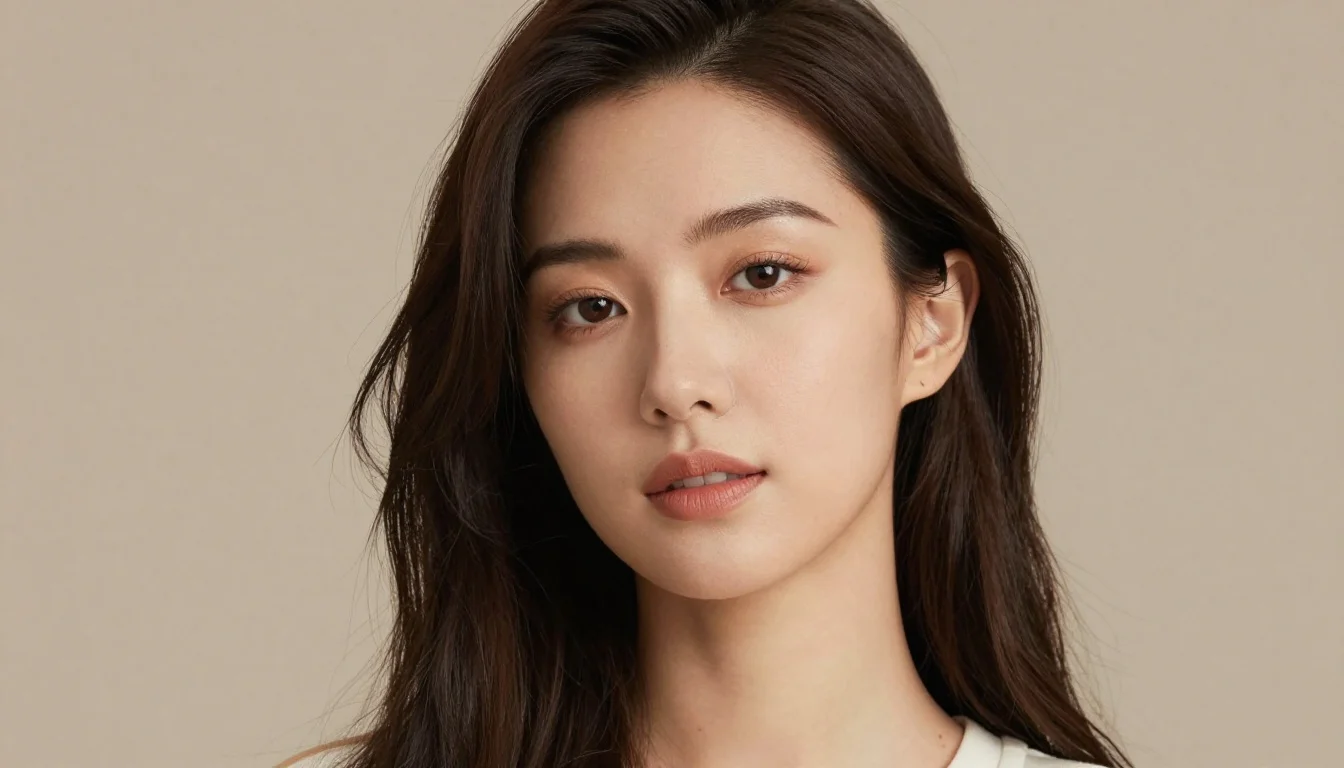
What is the difference between Soft Autumn and Deep Autumn?
Both are warm-toned Autumn sub-seasons, but they differ in depth and contrast. Soft Autumn has muted, medium-depth, low-contrast warm coloring and needs gentle, dusty, medium-warm colors. Deep Autumn has rich, deep, higher-contrast warm coloring and needs darker, richer versions of the same earthy palette — dark chocolate, deep olive, warm burgundy.
Colors That Work Across Both — and Where They Diverge
Soft Autumn: Muted, Medium-Warm, Blended
Soft Autumn colors are muted, warm, and never heavy. Think of them as warm-neutral: dusty terracotta not vivid rust, soft sage not bold forest, warm taupe not dark chocolate. These colors share Soft Autumn's blended, low-contrast quality. Depth should stay medium — not pale (too delicate) and not dark (too overwhelming). The dusty, slightly grey-warm quality is the signature.
Deep Autumn: Rich, Dark, Warm-Saturated
Deep Autumn colors are warm but dark — the deepest, richest versions of Autumn's earthy palette. Dark chocolate, warm burgundy, deep olive, rich forest green, and charcoal-brown are all at home. Deep Autumn can wear the darkest warm colors without looking heavy — their rich natural coloring demands that depth. Pale or medium colors look faded against Deep Autumn's strong features.
Shared Autumn Territory
Mid-depth warm earthy tones sit in the shared zone — camel, warm brown, classic terracotta, warm khaki. Both Soft and Deep Autumn can often wear these, though Soft Autumn needs the lighter-muted version and Deep Autumn can go darker and richer within the same color family.
The Neutrals Reveal the Difference
The clearest single indicator: look at which neutrals look best. If warm beige and oatmeal look grounding and harmonious, you're Soft Autumn. If dark chocolate, warm black-brown, and rich mahogany look proportionate and natural, you're Deep Autumn. If medium camel is the sweet spot and anything very dark feels heavy, that's Soft. If anything too light looks washed out, that's Deep.
Not sure yet? See it on your face
Start my color analysisHow to Determine Which Autumn Sub-Season You Are
Look at your overall coloring depth
Soft Autumn typically has medium-depth coloring: hair that's medium brown, chestnut, or soft auburn; eyes in warm hazel, medium brown, or soft green; skin that's fair to medium with a warm, golden, or neutral quality. Deep Autumn typically has much darker coloring: dark brown or near-black hair, dark brown or nearly black eyes, medium to deep warm skin. If you have very dark features in a warm register, Deep Autumn is more likely.
Test with dark vs medium warm colors
Hold a deep, dark warm color near your bare face — dark chocolate, deep burgundy, or rich forest green. Then try a medium-warm muted version — dusty terracotta, warm mushroom, or soft sage. If the dark version looks proportionate and the medium version looks faded, you're Deep Autumn. If the medium version harmonizes and the dark version overwhelms, you're Soft Autumn.
Check your contrast level
Soft Autumn tends toward lower contrast — skin and hair are in a similar medium-depth range, features blend together softly. Deep Autumn tends toward higher contrast — very dark hair or eyes against relatively lighter (or deeper warm) skin, creating a more striking effect. High contrast in a warm register points strongly toward Deep Autumn.
Notice your relationship with black
Soft Autumn typically looks washed out or harshened in black — the cool starkness competes with their gentle muted coloring. Deep Autumn can often wear deep warm black-brown or very dark brown near successfully, and sometimes genuine black better than most warm seasons, because their depth gives them more flexibility at the dark end. If dark brown reads as a reasonable substitute for black on you, Deep Autumn is likely.
Not sure which Autumn you are?
Soft and Deep Autumn call for different shades. The fastest way to find your exact sub-season is the free color analysis quiz — it places you in minutes.
What Happens When You Wear the Wrong Autumn Sub-Season
Soft Autumn in deep/dark colors
Deep burgundy, dark forest green, or rich chocolate brown overwhelm Soft Autumn's muted, blended coloring. The heaviness competes with the face rather than harmonizing — you look like the color is wearing you rather than the reverse. If Autumn-family colors feel heavy and make you look tired, you're Soft Autumn and need to soften the depth.
Deep Autumn in pale or muted-light colors
Warm beige, soft sage, or dusty terracotta look washed out against Deep Autumn's rich coloring. Light colors don't have enough visual weight to match the depth in Deep Autumn's features — the coloring overpowers the clothes. If Autumn-family colors feel flat and lifeless on you, go deeper and richer.
Both in vivid or cool colors
Neither Soft nor Deep Autumn suits vivid, clear colors (they lack the muddiness both need) or cool colors (both have warm undertones). Bright orange, vivid teal, or cool jewel tones all clash with warm undertones in different ways. Autumn in general needs warmth and earthiness — the sub-season question is only about how dark and rich.
Stop guessing — discover your exact palette
See myself in my colorsSoft Autumn vs Deep Autumn Color Swaps
The same color family, at the right depth for each sub-season.
Soft Autumn needs lighter, more muted warm neutrals. Deep Autumn can handle medium-to-darker warm neutrals that would overwhelm a Soft Autumn.
Terracotta exists at every depth. Soft Autumn needs the dusty, medium version. Deep Autumn needs the rich, saturated-dark version.
Both seasons do well in warm greens, but Soft Autumn needs the softer, lighter version while Deep Autumn needs depth — forest green and dark olive harmonize with their richer coloring.
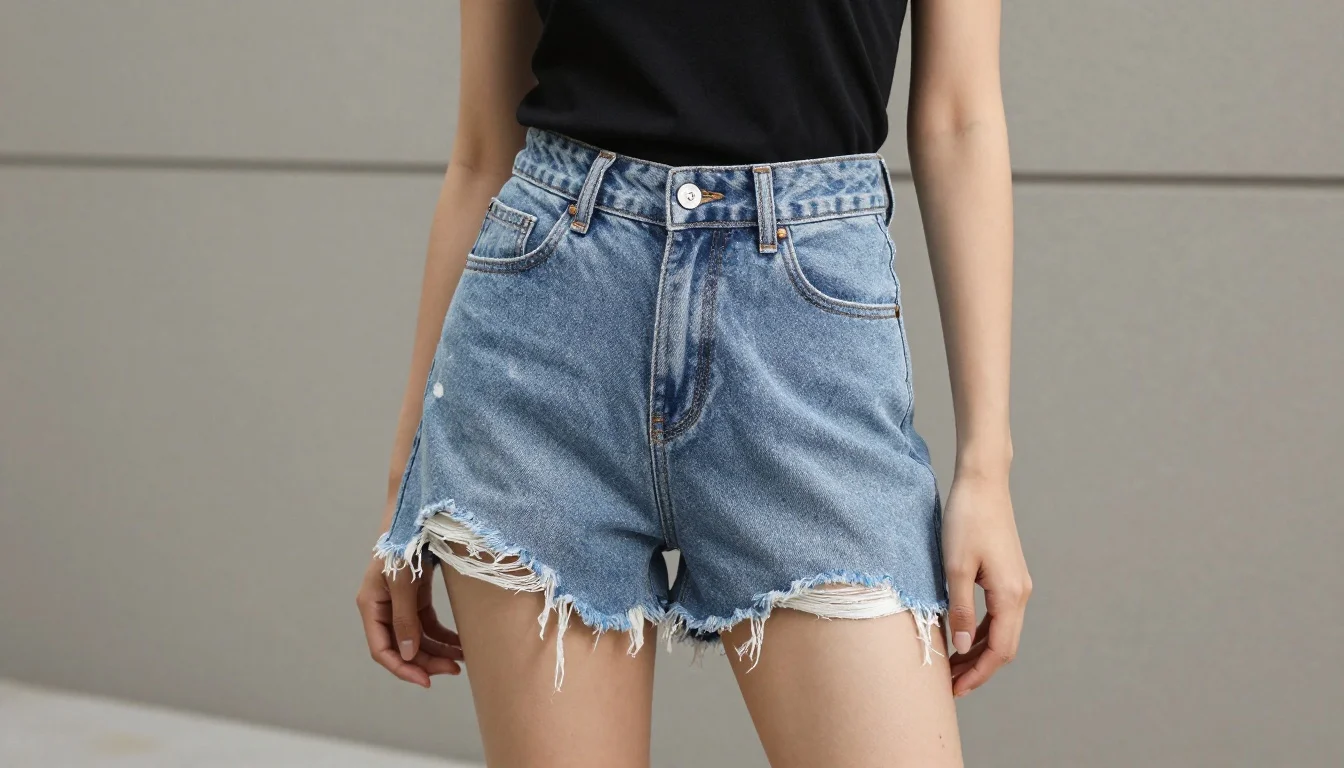
Soft Autumn's depth range stops at medium. Deep Autumn can carry the darkest warm brown blazers with ease.
Rust at its deepest and richest is a Deep Autumn color. Soft Autumn needs a muted, lighter version that doesn't overwhelm.
Neither season wears true black easily, but Deep Autumn can wear warmer near-blacks. Soft Autumn needs to stay in charcoal-brown or dark taupe territory.
Which Palette Might Be Yours?
If you are between these two Autumn sub-seasons, your depth and contrast level will point you toward one.
Soft Autumn
Learn moreMedium depth, neutral-to-warm undertones, low contrast between features, muted natural coloring. Colors should be muted, warm, and medium — never stark, vivid, or very dark. Adjacent to Soft Summer at the cool-warm neutral boundary.
Deep Autumn
Learn moreRich, dark, high-depth warm coloring. Dark hair, dark warm eyes, medium to deep warm skin. Colors should be rich and warm but dark — the deepest earth tones, dark browns, warm burgundy, forest green. Adjacent to Deep Winter at the dark boundary.
Warm Autumn
Learn moreThe 'classic' Autumn — medium-depth, clearly warm (not neutral) undertones, moderate contrast. Sits between Soft and Deep Autumn. Colors are the classic Autumn earthy palette at mid-depth: terracotta, camel, olive, warm rust.
Find Your Exact Colors
Whether you're Soft Autumn or Deep Autumn, the specific palette within your sub-season is what makes the difference between 'pretty good' and genuinely transformative color choices. A personalized analysis identifies exactly which depth and saturation of warm earthy tones work best for your particular combination of coloring.
Stop guessing — preview every color on you
Preview Yourself In Your Palette
Get my personalized analysisStop guessing — preview every color on you
Preview Yourself In Your Palette

Related Guides for Soft Autumn vs Deep Autumn
Explore more personalized color advice based on your features.
Want to see these colors on you? What Colors Look Good on Me — free to try.
Frequently Asked Questions About Soft Autumn vs Deep Autumn
What is the difference between Soft Autumn and Deep Autumn?
Both are warm-toned Autumn sub-seasons, but they differ in depth and contrast. Soft Autumn has muted, medium-depth, low-contrast warm coloring and needs gentle, dusty, medium-warm colors. Deep Autumn has rich, deep, higher-contrast warm coloring and needs darker, richer versions of the same earthy palette — dark chocolate, deep olive, warm burgundy.
Can Soft Autumn wear dark colors?
Dark colors in the warm family — very dark brown, deep forest green, rich burgundy — tend to overwhelm Soft Autumn's gentle, blended coloring. Soft Autumn does best staying in the medium-depth range of warm earthy tones. If a warm color feels heavy against your face, it's probably too dark for Soft Autumn.
Can Deep Autumn wear light or pale colors?
Pale and light colors in the warm family — soft peach, light warm beige, cream — tend to look washed out against Deep Autumn's rich, deep coloring. Deep Autumn needs colors with real visual weight. If warm colors feel flat and lifeless on you, you need more depth — go richer and darker within the warm family.
Is Deep Autumn close to Deep Winter?
Yes — Deep Autumn and Deep Winter both have deep, rich coloring, and the dividing line is undertone: Deep Autumn is warm (cream wins over white, gold over silver), Deep Winter is cool (white wins over cream, silver over gold). People close to this boundary may feel they can wear colors from both, and they often look good in deep, rich jewel tones that are near-neutral in temperature.
What does Soft Autumn coloring look like?
Soft Autumn coloring tends to be medium-depth, muted, and gently warm — soft auburn, warm medium brown, or dusty golden hair; warm hazel, golden-brown, or soft green eyes; skin with a warm-neutral quality that's neither strikingly golden nor strongly pink. The overall impression is soft, blended, and warm without strong contrast.
Is Soft Autumn the same as Dark Autumn?
No. Dark Autumn (also called Deep Autumn) is the deeper, more saturated neighbour of True Autumn — rich, warm, and high in contrast. Soft Autumn is the muted, blended neighbour shared with Summer, with lower contrast and gentler colors. They sit at opposite ends of the Autumn family.
What is the difference between Deep Autumn and Soft Autumn palettes?
A Deep Autumn palette runs to dark chocolate, forest green, burgundy, and deep teal — saturated and warm. A Soft Autumn palette is hazy and earthy: soft olive, dusty terracotta, warm taupe, and muted teal. Depth and saturation are the dividing line.