Colors That UnlockGreen Eyes
Green eyes are rare and striking — but only the right colors bring out their full depth. Discover which shades flatter you most — and which to skip.
Green eyes are among the rarest in the world — and the most responsive to color. The right shade near your face can make them look vivid and alive. The wrong one can make them go flat or disappear. The difference comes down to complementary contrast and understanding which register of green your eyes sit in.


3,000+
happy clients
Why Green Eyes React So Dramatically to Color
Green eyes are among the rarest in the world — and the most responsive to color. The right shade near your face can make them look vivid and alive. The wrong one can make them go flat or disappear. The difference comes down to complementary contrast and understanding which register of green your eyes sit in.
Green eyes aren't a single color — they span a wide spectrum. Yellow-green (chartreuse-toned) to true emerald to teal-green to grey-green. Each registers differently against surrounding colors. A dusty rose that makes emerald eyes look vivid may make grey-green eyes look muddy. Your specific shade matters.
The color wheel explains the core principle. Red sits opposite green — so red-family colors (rose, wine, plum, burgundy, dusty pink) create maximum contrast against green irises, making them appear more intense. This is why rose-toned clothing consistently makes green eyes look striking in photographs and natural light.
The most common mistake is dressing in greens, teals, or blues that are too similar to your eye color. When the clothing and the eyes are close on the color wheel, the eye color reads as part of the outfit rather than as a feature. Distance on the wheel creates the contrast that makes eyes stand out.
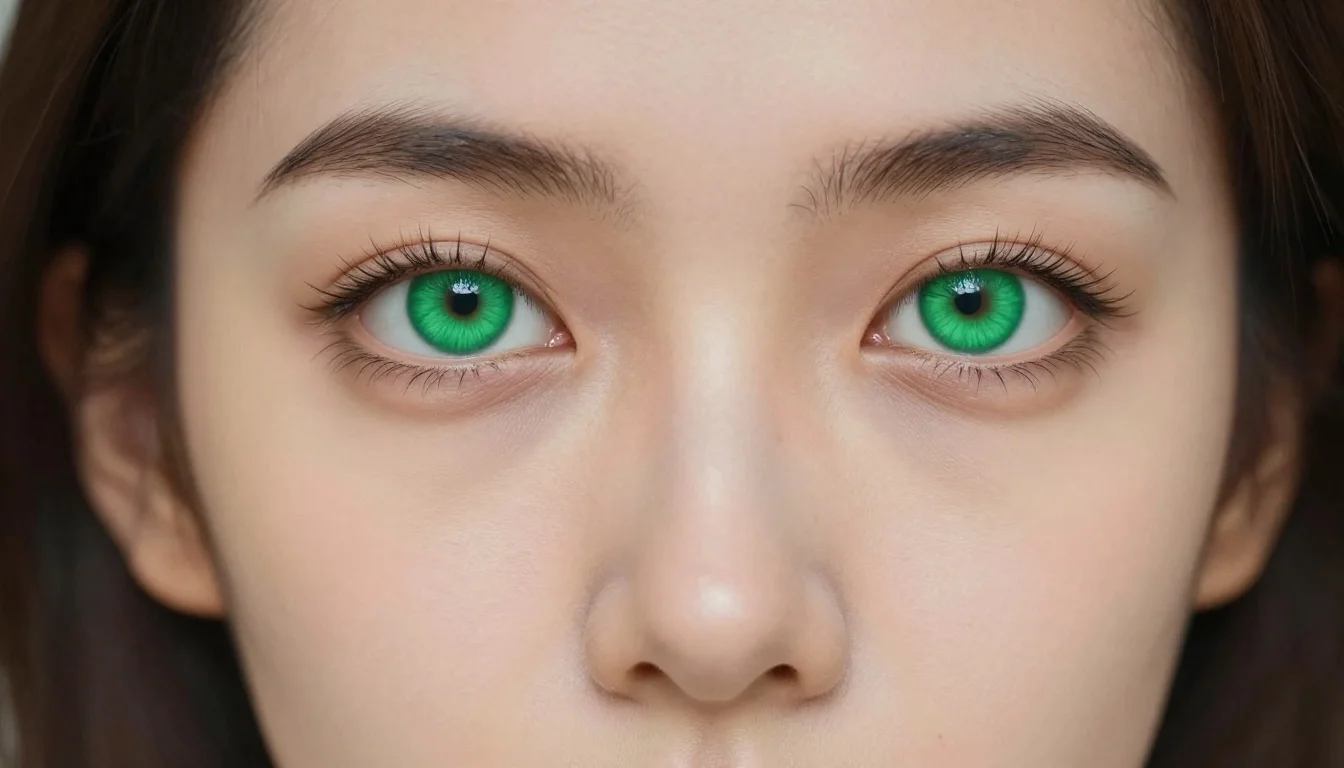
What colors make green eyes pop?
Dusty rose, mauve, plum, wine, and burgundy are the strongest colors for green eyes — they sit in the red-pink family opposite green on the color wheel, creating maximum contrast. Deep navy and charcoal also work well as framing darks. The common thread is complementary contrast: the further the color is from green on the color wheel, the more it makes your eyes stand out.
Your Most Flattering Color Families
Dusty Rose, Mauve & Wine
These red-family muted tones create maximum contrast against green eyes without the harshness of vivid red. Dusty rose has enough pink to contrast the green without feeling costume-like. Mauve sits between pink and purple — both directions contrast beautifully against green. Deep wine is a rich, dark version that frames green eyes with drama. These are the single most effective color family for green eyes.
Plum, Violet & Purple
Purple has both red and blue in its base — both contrast against green. Plum is the most vivid and dramatic option; it makes green eyes look almost jewel-bright. Deep purple creates maximum dark contrast. Softer lavender works on lighter, grey-green eyes where the overall coloring is more delicate. The purple-green relationship is one of the most reliable in color styling.
Warm Earthy Reds & Terracotta
Earthy warm reds contain the red-orange that sits opposite green on the color wheel. Terracotta and burnt sienna have the warmth to complement golden-green or hazel-adjacent green eyes specifically. Warm rust creates a strong contrast without the formality of a true red. These colors work particularly well on green eyes with warm golden undertones in the iris.
Deep Contrast Darks
Deep darks create frame contrast that makes green eyes stand out by visual competition. Navy is particularly effective — its cool darkness makes any light or warm-toned eye color appear more vivid. Deep charcoal reads similarly but with slightly warmer grey undertones. These are fail-safe power colors that guarantee your green eyes read as a feature rather than blending into your overall look.

Ready to see rose & mauve on your face?
Start my color analysisHow to Wear These Colors in Real Life
Everyday colour strategy
A dusty rose or mauve top is your single highest-impact everyday choice for green eyes. It requires no thought — any shade in the dusty rose to wine spectrum creates immediate contrast. For a more neutral everyday wardrobe, choose navy or deep charcoal near the face. Both create the distance from green that makes your eyes register as a striking feature rather than a background detail.
Work and professional settings
Deep plum or dusty rose blouses under a navy or charcoal blazer is your professional formula. The blouse creates the complementary contrast; the outer layer grounds the look. Avoid the temptation to wear forest green or teal for work — they're stylish but they compete with your eyes rather than letting them lead. A burgundy scarf near the face also works well for cooler months.
Evening and occasions
Deep wine or jewel plum for evening creates maximum impact with green eyes in warm, artificial lighting. A plum dress against green eyes in candlelight is genuinely striking. For a lighter evening look, dusty rose is romantic and consistently flattering. True red is a bolder option — the contrast is vivid, but it works best on green eyes with warm golden undertones rather than cooler grey-green.
Understanding your green register
To find your most flattering colors, first identify where your green sits: yellow-green (more olive-golden) suits warm-toned rose and terracotta. True emerald suits every shade in the plum-to-wine range equally. Grey-green (blue-tinted) suits cooler lavender and dusty pink over warm terracotta. Your eye's temperature — warm, cool, or neutral — guides which end of the rose-to-plum spectrum you should favor.
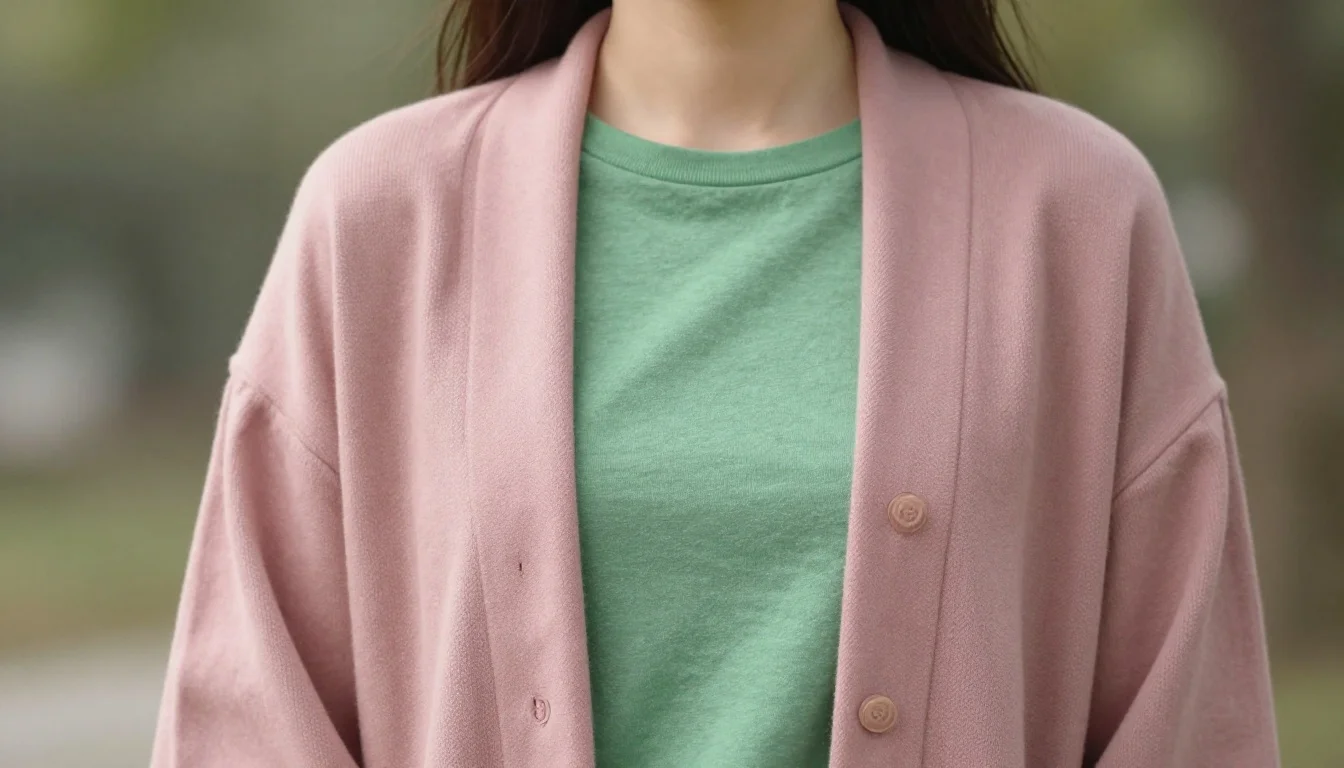
Colors That Work Against Green Eyes
Matching greens and teals
Emerald green, forest green, teal, and olive near the face compete with green eyes instead of contrasting them. Your eyes and your clothing read as the same color, making the eyes look flatter and less distinct. If you love green, wear it on the bottom half as trousers or shoes — keep the contrast zone near your face in the opposite color family.
Vivid cool orange
While warm earthy reds work beautifully, very bright cool orange is too close to yellow on the spectrum and can create a muddy, unflattering interaction with green eyes that contain yellow undertones. The result is an orange-green clash that neither complements nor contrasts cleanly. Shift toward terracotta or rust for the warm-contrast effect without the clash.
Flat mid-tone grey
Dull mid-grey without warmth or depth creates no contrast with grey-green eyes and drains color from purely green eyes. The flatness of grey matches the potential flatness risk for green eyes. Choose charcoal (deep enough to contrast) or warm greige (tonal warmth) instead of the flat zone in between.
Washed-out yellow-green
Chartreuse, yellow-green, and lime-adjacent colors mirror the yellow undertones in many green irises and create a muddled, monochromatic effect. There's not enough contrast between the color and the eye, and the warmth can make the skin look sallow simultaneously. These are among the hardest colors for green eyes to wear near the face.
Stop guessing — preview every shade on you
See myself in my colorsYour Wardrobe, Upgraded
These swaps replace the colors that compete with or drain green eyes with the contrasting shades that make them vivid.
Teal and green compete with green eyes. Dusty rose creates complementary contrast that makes eyes look vivid.
Olive is too similar to green eyes in warmth and hue. Burgundy creates the red-family contrast that makes green eyes stand out.
Flat grey creates no contrast with green eyes. Plum and antique rose immediately activate the complementary contrast that makes green eyes pop.
Yellow-green creates a muddling effect with green eyes. Deep plum creates vivid, photogenic contrast.
Forest green competes directly with green eyes for attention. Navy and charcoal frame your eyes as the focal point.
Grey and teal both dilute green eyes. Rose and terracotta bring them out — especially when worn as the outermost layer near your face.
Which Palette Might Be Yours?
Green eyes appear across several seasonal palettes — the key variables are your skin's undertone, your hair color, and the overall warmth or coolness of your coloring. Green eyes alone don't determine your season.
Soft Summer
Learn moreIf your green eyes have a grey or muted quality — cool-toned, subtle — and your skin is light with cool or neutral undertones, Soft Summer is a common fit. Your palette uses muted, cool colors: dusty rose, soft teal, muted lavender, cool grey. Nothing too vivid.
Warm Spring
Learn moreIf your green eyes have a golden, yellow-green quality — warm and clear — and your skin is fair with warm peachy undertones, Warm Spring may be your palette. Your colors are warm, bright, and clear: coral, warm aqua, peach, golden ivory. The vibrancy in your eyes matches the brightness of your palette.
Soft Autumn
Learn moreIf your green eyes are warm but muted — more olive or hazel-adjacent than vivid emerald — and your skin has golden or warm neutral undertones, Soft Autumn is worth exploring. Your palette uses warm-muted tones: sage, terracotta, dusty gold, warm olive. The natural earthiness of Soft Autumn works beautifully with the warmth in your eyes.
Find Your Exact Colors
Green eyes are among the most striking features in personal coloring — but they only reach their full potential when you're wearing colors in the contrasting rose-to-plum range. Your specific shade of green, your skin's undertone, and your hair color all refine the palette further. A personalized color analysis identifies exactly which shades make your specific green eyes look most alive.
Stop guessing — preview every color on you
Preview Yourself In Your Palette
Get my personalized paletteStop guessing — preview every color on you
Preview Yourself In Your Palette

Related Guides for Best Colors for Green Eyes
Explore more personalized color advice based on your features.
Want to see these colors on you? What Colors Look Good on Me — free to try.
Frequently Asked Questions About Best Colors for Green Eyes
What colors make green eyes pop?
Dusty rose, mauve, plum, wine, and burgundy are the strongest colors for green eyes — they sit in the red-pink family opposite green on the color wheel, creating maximum contrast. Deep navy and charcoal also work well as framing darks. The common thread is complementary contrast: the further the color is from green on the color wheel, the more it makes your eyes stand out.
What colors should green eyes avoid?
Avoid wearing green, teal, olive, or yellow-green near your face — they compete with green eyes rather than contrasting them. Flat mid-tone grey also drains color from green eyes without creating any contrast. The goal is distance from green on the color wheel: rose, pink, plum, and wine all achieve this.
Does the shade of green eyes matter for color choices?
Yes. Yellow-green eyes suit warm-toned rose and terracotta better. Grey-green (blue-tinted) eyes suit cooler lavender and dusty pink over warm earthy reds. True emerald eyes suit the full plum-to-wine range equally. Identifying the temperature of your particular green eyes helps you find the most flattering end of the contrasting color spectrum.
Can green eyes wear red?
True red works well on green eyes with warm golden undertones — the red-green complementary contrast is very vivid and photogenic. On cool-toned grey-green eyes, softer options like dusty rose or wine are more flattering than vivid red. If you're drawn to red, brick red and warm rust are the most universally flattering versions for green eyes.
What makeup colors suit green eyes?
For eye makeup, warm copper and bronze eyeshadow enhance golden-green eyes beautifully. Purple and plum eyeshadow creates maximum contrast with any shade of green. Avoid green and teal eyeshadow near the eye — they blend into the iris rather than making it stand out. Mascara in brown-black softens the look while keeping contrast. Rose and peach blush complements the overall warm-contrast effect on the cheeks.
What season am I if I have green eyes?
Green eyes appear in multiple seasonal palettes — they're not unique to any one. Soft Summer and Warm Spring are the most common, but Soft Autumn and Light Summer also feature green eyes. Your season depends on your skin tone, hair color, and overall warmth or coolness of your coloring — not just your eye color. A full personal color analysis looks at all three features together.