Hair Colors That Work WithNeutral Undertones
Neutral undertones are the most flexible skin type for hair color. Discover which shades complement your coloring — and which to avoid.
Neutral undertones sit at the balance point between warm and cool — you have neither a distinctly yellow-orange warmth nor a pink-blue coolness. This makes you the most flexible of all skin types for hair color. Both warm honey blondes and cool ash blondes can work. Both warm chocolate browns and cool ash browns can work. The question is which register makes your skin look most luminous — and which specific tones within each family create the most flattering result.


3,000+
happy clients
Why Neutral Undertones Have the Most Hair Color Options
Neutral undertones sit at the balance point between warm and cool — you have neither a distinctly yellow-orange warmth nor a pink-blue coolness. This makes you the most flexible of all skin types for hair color. Both warm honey blondes and cool ash blondes can work. Both warm chocolate browns and cool ash browns can work. The question is which register makes your skin look most luminous — and which specific tones within each family create the most flattering result.
Neutral undertones mean your skin has balanced yellow and pink pigment without dominance of either. You'll notice this when testing makeup: both slightly warm and slightly cool foundations can look natural. In natural light, your skin has no strong color cast — it reads as balanced, versatile, and adaptable. This adaptability extends directly to hair color.
With neutral undertones, the hair color choice becomes less about "avoiding clashes" and more about choosing what feeling you want. Warm golden-brown creates a warmer, sunnier version of you. Cool ash brown creates a more sophisticated, edgier version. Both look natural — neither will fight your skin. The key is understanding what flatters within each range.
The one consideration for neutral undertones: very extreme tones on either end can push your skin temporarily toward that direction. Platinum blonde can make neutral skin look cooler and sometimes more sallow. Very vivid orange-copper can make it look artificially warm. The sweet spot is mid-range warmth or coolness — warm honey rather than vivid orange-gold, ash brown rather than platinum grey.
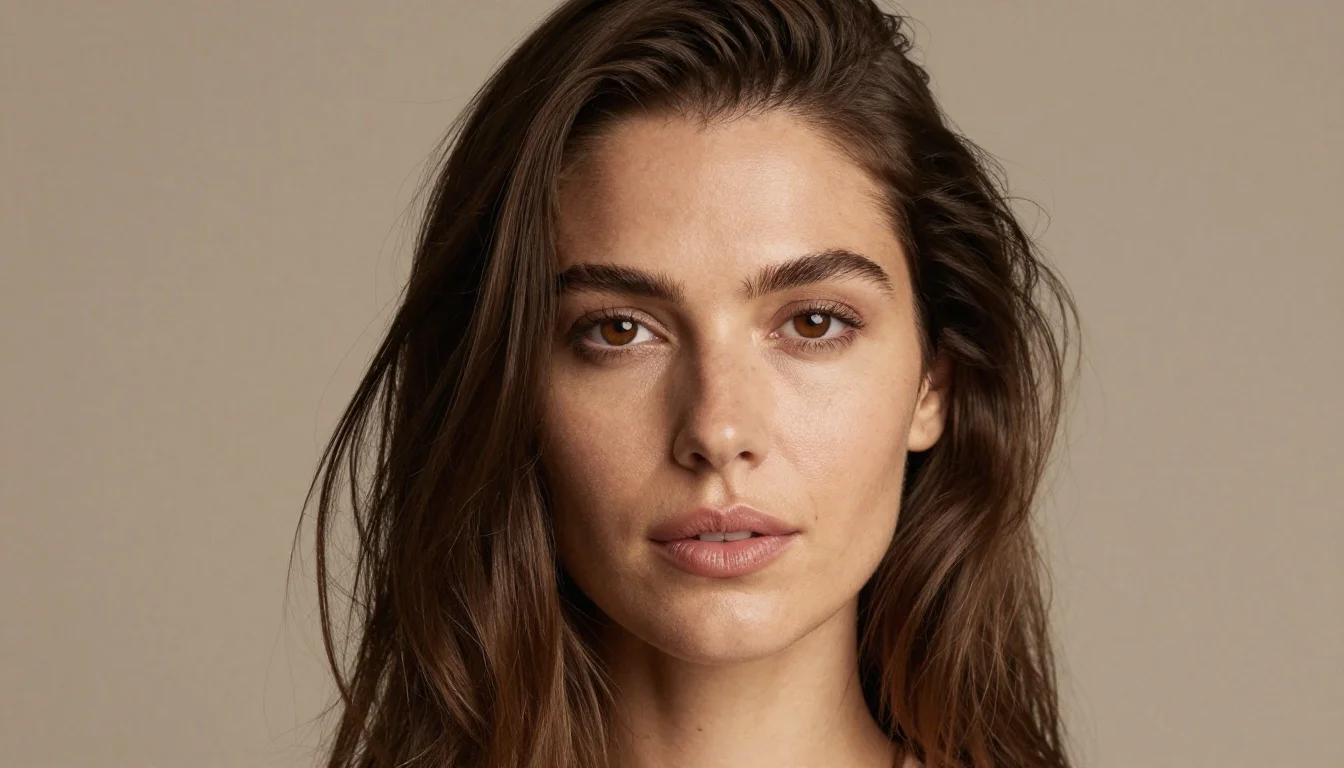
What hair color suits neutral undertones?
Neutral undertones can wear both warm and cool hair colors, making them the most flexible skin type. Natural chocolate brown, honey blonde, warm chestnut, ash medium brown, and balanced balayage all work well. The most universally flattering choices are mid-range tones with subtle warmth or natural neutral quality — honey rather than platinum, chocolate rather than flat black. Both warm and cool extremes are less flattering than their mid-range versions.
Your Best Hair Color Families
Natural Brown & Warm Chocolate
Natural and warm chocolate brown is the most universally flattering hair color for neutral-undertone skin — it harmonizes without the need for warmth or coolness to dominate. Natural medium brown at or near your natural shade is effortless. Rich chocolate adds depth and sophistication. Warm chestnut brings in subtle warmth that makes neutral skin look a touch more glowing. These shades require minimal adjustment and work across all occasions.
Honey & Golden Blonde
Neutral undertones handle honey and golden blonde beautifully because the warmth doesn't conflict with cool skin tones and the gold doesn't overpower warm ones. Honey blonde sits in the ideal middle zone — warm enough to be luminous, not so warm it reads as brassy. Sandy blonde is a slightly cooler variation that still has warmth: lighter than honey but warmer than ash. Caramel balayage adds dimension without the commitment of all-over color.
Ash & Cool Brown
Where warm neutrals get away with cool hair colors, neutral undertones can wear ash and mushroom tones without the grey-sallow effect that cool shades create on warm skin. Ash medium brown creates a sophisticated, cool-leaning look. Mushroom brown (grey-beige brown) works for neutral skin when it would look flat on warm skin. Neutral ash blonde has a balanced temperature that suits neutral skin — less obviously cool than platinum, with enough grey-silver quality to look modern.
Highlights & Balayage
Neutral undertones are uniquely suited to multi-tonal highlight techniques because you can mix warm and cool tones without one fighting your skin. A balayage that includes both honey and slightly cooler pieces looks naturally sun-kissed and dimensional. Face-framing highlights slightly lighter than the base create an instant brightening effect. For neutral skin, the ideal balayage is "neutral highlighted" — neither ash nor golden, but a mix that reads as naturally lightened by sun.

Ready to see yourself in natural medium & chocolate?
Start my color analysisHow to Choose Hair Color for Neutral Undertones
Warm vs. Cool: The Decision
Even within neutral undertones, most people have a slight lean — tested in natural light, your skin often reads as very slightly warm or very slightly cool rather than perfectly neutral. To find your lean: hold a warm golden fabric and an ash grey fabric near your face in natural light. If the golden makes you look healthier, you have a slight warm lean — choose honey, caramel, and warm browns. If both look similar, you're truly neutral — choose freely, or opt for natural dimensional color that blends both. If the ash looks more refined, go slightly cool. Neutral undertones are honest: the fabric test reads clearly.
Highlights for Maximum Flexibility
Neutral undertones get the most from dimensional highlight techniques because you can use a mix of warm and cool tones without one fighting your skin. A colorist can create a natural-looking result using both warmer face-framing pieces and slightly cooler mid-lengths for dimension. This approach looks effortlessly natural on neutral skin and suits every formality level. Request "natural, sun-kissed, mixed-tone balayage" — both warm and cool incorporated together for the most natural dimensional effect.
Going Dark: Natural or Rich
Darker hair on neutral undertones is most flattering when it has either natural richness (deep chocolate, natural espresso) or subtle warmth (warm dark brown with chestnut undertone). Pure flat black can look very stark on neutral skin — the contrast between very dark, one-dimensional hair and neutral skin can look severe. Adding subtle warmth — a very dark chocolate rather than pure black — maintains depth while avoiding the stark flat-black effect.
Toning and Maintenance
Neutral-undertone hair benefits from neutral or balanced toners after coloring — not too warm, not too cool. After bleaching, a neutral or slightly warm toner keeps the tone from going brassy while avoiding the grey-cool effect of strong violet toners. Ask your colorist for a "neutral or warm-natural toner" after any lightening. Maintain with a balanced shampoo rather than a strong purple one — purple over-toners can push neutral skin slightly cooler over time.
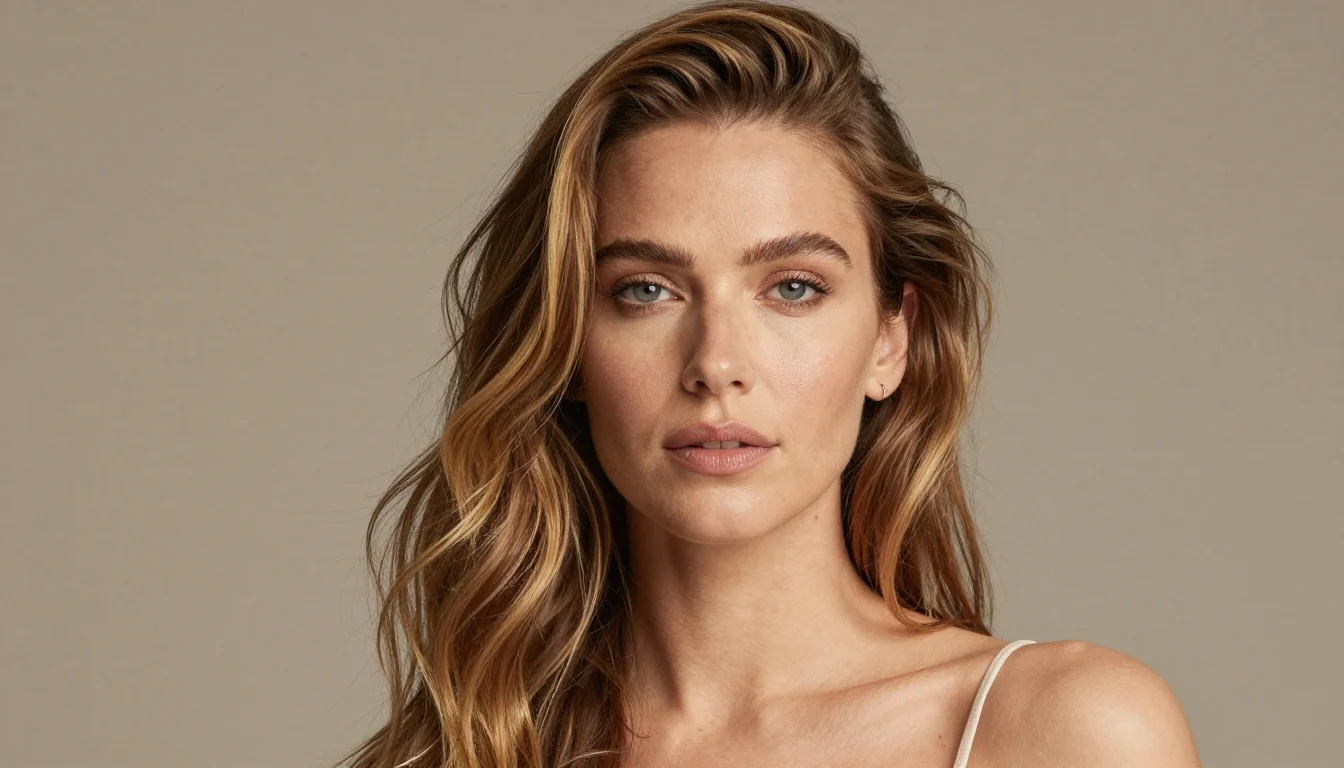
Hair Colors That Push Neutral Undertones Too Far
Vivid orange or very brassy gold
Even neutral-undertone skin has limits with very vivid orange or extremely brassy tones. These push the skin temporarily toward warmth, creating a slightly artificial look even on neutral skin. Warm honey and golden brown both work; vivid copper-orange and very brassy gold are one step too far in most cases. If you love copper tones, aim for a warm auburn-copper with brown undertone rather than vivid orange.
Platinum or icy silver
Platinum and very icy silver-toned hair can push neutral undertones to look slightly cooler and occasionally sallow — the very pale, cool quality of platinum tends to affect even neutral skin. If you want to go very light, a warm champagne blonde or neutral blonde with minimal ash reads more naturally on neutral skin than true platinum.
Very vivid fashion colors near the face
Vivid unnatural hair colors — electric blue, vivid rose pink, bright violet — create a strong temperature push on even neutral skin. The color interaction between vivid hair and neutral skin depends entirely on the specific combination. If exploring fashion colors, testing against your face before committing saves regret.
Stop guessing — preview every shade on you
See myself in my shadesHair Color Swaps for Neutral Undertones
Choosing within the wide range available to neutral undertones for maximum flattery.
Flat single-process brown looks uniform and lacks the natural variation that makes hair look healthy and vivid. Subtle dimension reads as more naturally beautiful on neutral skin.
Platinum pushes neutral skin slightly cool. Honey and warm champagne blonde sit at the ideal warm-neutral balance that flatters neutral undertones most.
Flat black can look stark on neutral skin. Rich chocolate or dark warm brown provides similar depth with enough warmth to look more naturally flattering.
All-ash highlights can look slightly flat on neutral skin. Mixed-tone balayage with warm and cool pieces looks naturally sun-kissed — a unique advantage of neutral undertones.
Strong purple toners over-cool even neutral skin. Neutral or warm-neutral toners maintain the balanced quality that suits neutral undertones most naturally.
Vivid orange-copper pushes neutral skin too warm. Warm auburn with brown grounding creates warm richness without the brassy orange quality that fights neutral balance.
Which Seasonal Palette Might Be Yours?
Neutral undertones appear across multiple seasonal palettes. Your specific season depends on the depth of your natural coloring and the clarity or mutedness of your overall look.
Soft Summer
Learn moreIf your neutral undertones lean slightly cool-muted, your hair is naturally medium-to-light with no strong warmth, and cool-muted colors feel most natural on you, Soft Summer is likely. Best hair colors: neutral ash brown, soft mushroom, neutral blonde without warm or cool extremes.
Soft Autumn
Learn moreIf your neutral undertones lean slightly warm-muted, your hair has subtle golden quality, and earthy warm colors feel most natural even if muted, Soft Autumn may fit. Best hair colors: warm honey-brown, soft chestnut, warm neutral brown with golden quality.
Light Summer
Learn moreIf you have neutral-cool undertones with light, delicate overall coloring — naturally light hair, soft features, and cool-muted colors that feel gentle rather than overpowering — Light Summer may fit. Best hair colors: soft neutral blonde, cool light brown, subtle ash highlights.
Find Your Perfect Hair Color
Neutral undertones give you the widest range of hair color options of any skin type — but "wide range" still has flattering peaks. A personalized colour analysis identifies your exact seasonal palette and the specific warm or cool lean within your neutral undertones, mapping it to the exact honey-to-ash, chocolate-to-espresso shade that makes your complexion look most luminous.

Related Guides for Hair Color for Neutral Undertones
Explore more personalized color advice based on your features.
Want to see these colors on you? Skin Undertone Test — free to try.
Frequently Asked Questions About Hair Color for Neutral Undertones
What hair color suits neutral undertones?
Neutral undertones can wear both warm and cool hair colors, making them the most flexible skin type. Natural chocolate brown, honey blonde, warm chestnut, ash medium brown, and balanced balayage all work well. The most universally flattering choices are mid-range tones with subtle warmth or natural neutral quality — honey rather than platinum, chocolate rather than flat black. Both warm and cool extremes are less flattering than their mid-range versions.
Can neutral undertones go blonde?
Yes — neutral undertones handle both honey blonde and ash blonde well. Honey blonde is the most universally flattering because it sits in the warm-neutral zone. Sandy and neutral blonde work too. Platinum and very icy blonde can push neutral skin slightly cool. Warm caramel balayage is one of the most consistently beautiful choices for neutral-undertone skin.
What is the difference between neutral and warm undertones for hair?
Warm undertones need warmth in their hair color and should avoid ash and cool tones, which look grey on them. Neutral undertones can wear both — they don't clash with cool tones the way warm skin does, but they also look great with warm tones. The practical difference: neutral skin has more flexibility, but still looks best in mid-range rather than extreme warm or cool.
Should neutral undertones use purple shampoo?
Use purple shampoo sparingly. A small amount prevents brassiness without over-cooling. Too much purple shampoo on neutral undertones pushes the hair (and visually the skin) slightly cooler, which can look a touch grey. Alternate with a regular moisturizing shampoo, and use the purple version only when visible brassy tones appear.
What highlights suit neutral undertones?
Dimensional balayage or highlights that mix warm and cool tones work best for neutral skin — this blended technique creates the most naturally sun-kissed result. You're one of the only undertone types that can successfully mix warm face-framing pieces with cooler mid-length tones. Honey and caramel highlights are the most flattering single-tone choice.