The Best Blush Shades forNeutral Undertones
Neutral undertones can wear both warm peach and cool rose blush — a unique advantage. Discover which tones look natural on you — and which to skip.
Neutral undertones — a mix of warm and cool with neither dominating — are the most versatile blush canvas. You can wear both sides of the blush spectrum: warm peach and soft coral from the warm side, cool rose and soft berry from the cool side, plus the universally flattering middle ground of watermelon pink, medium rose, and soft coral. The only shades to avoid are the temperature extremes — very warm orange or very cool blue-purple. Everything in between is yours.


3,000+
happy clients
Why Neutral Undertones Have the Widest Blush Range
Neutral undertones — a mix of warm and cool with neither dominating — are the most versatile blush canvas. You can wear both sides of the blush spectrum: warm peach and soft coral from the warm side, cool rose and soft berry from the cool side, plus the universally flattering middle ground of watermelon pink, medium rose, and soft coral. The only shades to avoid are the temperature extremes — very warm orange or very cool blue-purple. Everything in between is yours.
Neutral undertones have a balanced mix of warm and cool pigmentation — no strong yellow-golden quality (warm) and no strong pink-rosy quality (cool). This balance is what makes neutral undertones the most flexible blush canvas. When you apply warm peach blush, the warm element in your undertone echoes it. When you apply cool rose, the cool element echoes it. Neither creates a stark temperature clash because neither is in direct opposition to your undertone.
The practical benefit is a much wider blush wardrobe. Warm and cool undertones each have a defined good-side and a wrong-side for blush — neutral undertones simply have fewer restrictions. Watermelon pink, soft coral, medium rose, and warm mauve all sit in the middle zone that works with both warm and cool elements, making them particularly flattering on neutral skin. They're balanced shades for a balanced undertone.
The caution for neutral undertones is the extremes: very warm orange-based blush (like strong terracotta) and very cool blue-purple blush (like lavender or vivid fuchsia) can look slightly off because they tip strongly into one temperature territory. Everything in between — the wide middle ground of pinks, roses, corals, and soft berries — works harmoniously on neutral skin.
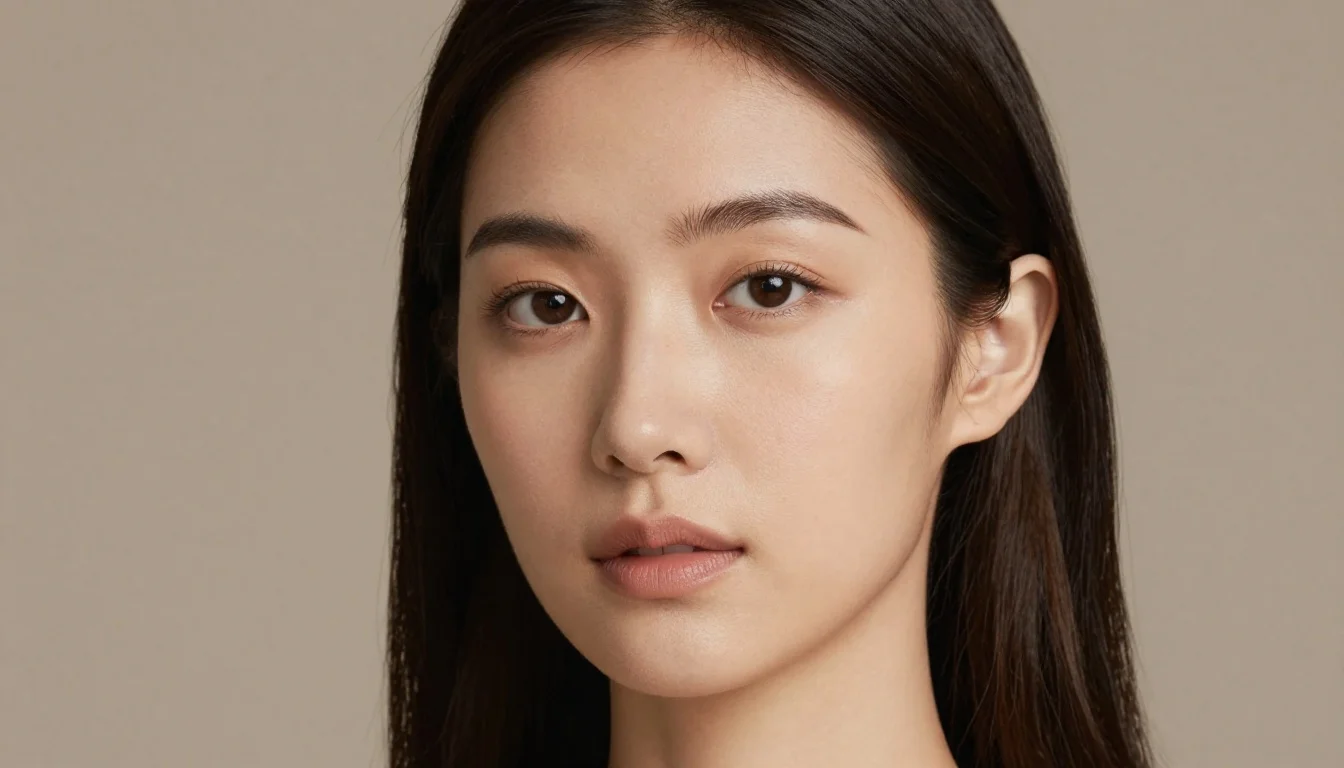
What blush color is best for neutral undertones?
Watermelon pink, medium rose, and soft coral are the most universally flattering blush shades for neutral undertones. All three sit in the middle of the warm-to-cool spectrum, which is exactly where neutral undertones sit. Neutral undertones can also successfully wear soft peach from the warm side and cool rose from the cool side — you have the widest blush range of any undertone.
Your Best Blush Shades for Neutral Undertones
Watermelon Pink: The Ultimate Neutral-Undertone Blush
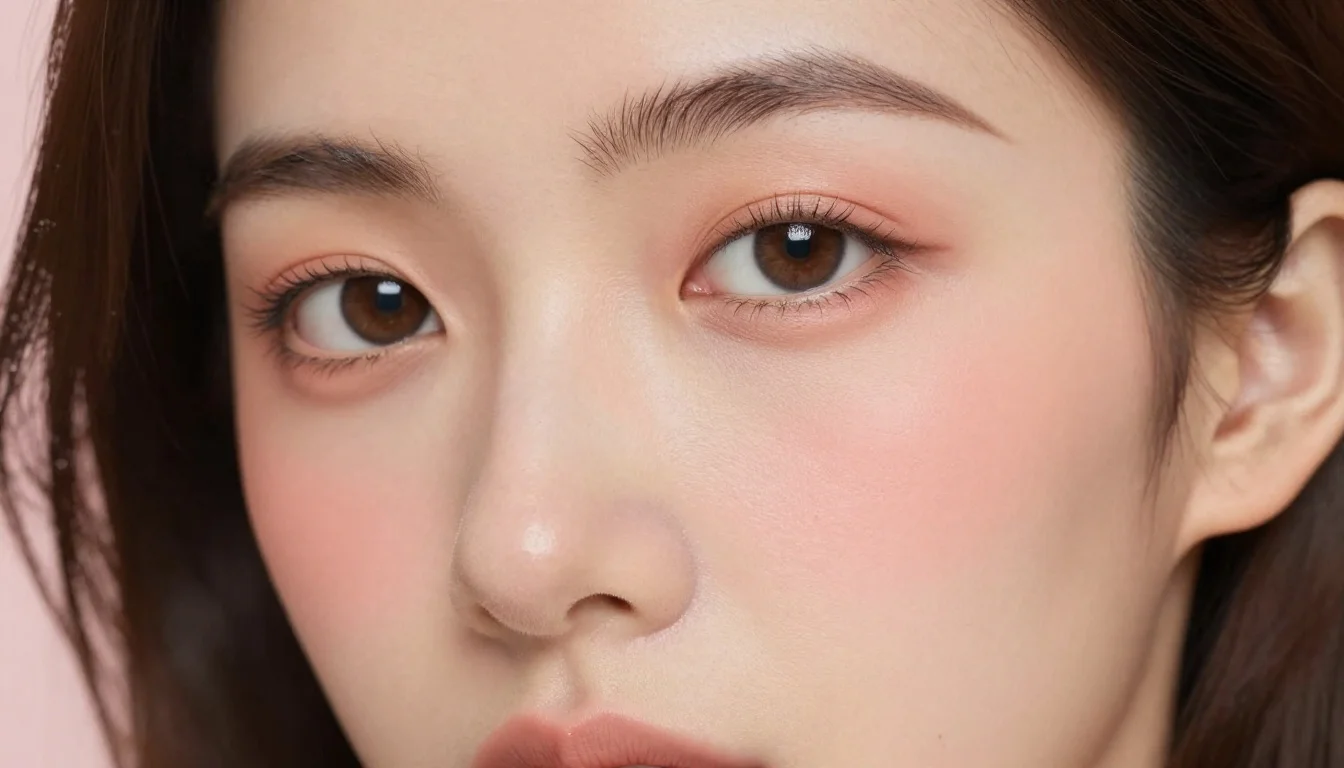
Watermelon pink — a vibrant, juicy mix of pink and coral that sits exactly between warm and cool — is arguably the most flattering blush shade for neutral undertones. Its balance of warm coral and cool pink means it harmonizes equally with both elements of a neutral undertone. Applied sheerly, watermelon pink reads as an incredibly natural, healthy flush. At medium intensity, it reads as vivid and striking without looking incongruous. It's the blush that looks effortless on neutral skin precisely because it sits in the middle of the color temperature spectrum.
Soft Coral: Warm Enough, Not Too Warm
Soft coral sits slightly on the warm side of center — it has an orange base but blended with enough pink to stay balanced. On neutral undertones, soft coral reads as warmth and energy without the orange-clash that it would create on distinctly cool skin. Neutral undertones can absorb the warmth of coral because they have warm elements to echo it. The key is soft coral rather than saturated or strong coral — the moderate warmth works, the extreme doesn't.
Medium Rose: Classic, Clean, Universal
Medium rose — a pink that sits between warm rosy-pink and cool blue-pink — is the most universally flattering blush family, and neutral undertones are its ideal canvas. Neither warm nor cool, medium rose resonates with the balanced quality of neutral skin without being pulled in either direction. It reads as a natural flush on almost any neutral-undertone skin tone from fair to deep. This is the safest, most consistently flattering choice for neutral undertones.
Warm Mauve: Depth and Sophistication
Warm mauve — a dusty rose with slight warm undertones — sits on the warm side of muted blush and works particularly well on medium-to-deep neutral undertones. The warmth in the mauve resonates with the warm element of neutral undertones; the cool-leaning pink resonates with the cool element. The result is sophisticated, dimensional color that reads as natural. Warm mauve works where purely cool dusty mauve might look too ashy on neutral skin.

Ready to see yourself in watermelon & fleshy pink?
Start my color analysisHow to Apply Blush for Neutral Undertones
Experiment across the warm-to-cool spectrum
Your neutral undertone gives you access to both sides of the blush family — use that access deliberately. For days when you want a warm, sun-kissed look, reach for the soft coral or peach blush. For days when you want a cooler, more polished look, use the cool rose or soft berry. For everything-works everyday, watermelon pink and medium rose are your home base. Neutral undertones are the only group with this kind of blush flexibility.
Use the lip-blush monochromatic technique
Neutral undertones are particularly well-suited to the monochromatic beauty look: matching your blush and lip color in the same family. A watermelon blush with a watermelon-pink lip gloss. A soft coral blush with a sheer coral lip. A medium rose blush with a rosy nude lip. Because neutral undertones harmonize across the middle of the color spectrum, these monochromatic pairings look effortlessly coordinated rather than matchy-matchy.
Layer across the warm-cool border for dimension
An advanced technique that works particularly well on neutral undertones: layer a warm-based blush and a cool-based blush together. Apply soft peach first, then layer sheer cool rose on top. The two temperatures create a complex, dimensional flush that looks extremely natural — almost exactly like the mixed-temperature flush your actual cheeks produce. Neutral undertones are uniquely positioned to make this layered technique look seamless.
Match blush depth to skin depth as usual
Even with the expanded blush range of neutral undertones, the depth-matching principle still applies. Light neutral skin: soft, sheer shades of watermelon, medium rose, and soft coral. Medium neutral skin: medium-depth rose, warm mauve, and soft coral. Deep neutral skin: deeper warm rose, warm mauve-brown, and soft terracotta (on the lighter end of terracotta). The hue flexibility is wide; the depth flexibility follows the same rules as other undertones.
Blush Shades to Approach With Caution
Very warm terracotta or strong orange blush
While neutral undertones can wear warm shades, strong terracotta and orange-based blush tip too far into the warm register. Because neutral undertones don't have a strongly warm quality to echo the orange, a very orange blush creates more conflict than harmony. Soft coral works; strong terracotta pushes past the neutral range into warm territory.
Cool lavender or blue-purple blush
Lavender and blue-purple blush are cool-extreme shades that sit on the opposite end of warm-extreme terracotta. Neutral undertones don't have the cool quality to harmonize with these blue-purple tones, so they read as an obvious mismatch — slightly bruise-colored or artificially purple against neutral skin.
Very bright, saturated fuchsia
Highly saturated fuchsia leans strongly cool and vivid in a way that can overwhelm neutral undertones. While neutral skin can handle more blush saturation than cool skin, very vivid fuchsia tips into the cool-extreme that doesn't integrate as naturally. A softer, slightly more muted version of fuchsia — one with more pink and less blue — works better.
Strongly ashy or very muted cool blush
Ashy, very muted cool blush (a grey-rose) designed for Cool Summer palettes can read slightly dull on neutral undertones because the cool grey quality isn't echoed in the undertone. Neutral undertones look better in muted shades that have some warmth in them — dusty rose-brown rather than grey-rose.
Stop guessing — preview every shade on you
See myself in my shadesBlush Swaps for Neutral Undertones
Exploring the full blush range available to neutral undertones.
Neutral undertones have the range to support multiple blush families. Rotating lets you use the full advantage of your versatile undertone.
Terracotta tips too warm for neutral undertones. Soft coral and warm peach deliver warmth while staying in the workable range.
Blue-pink extremes are too cool for neutral undertones. Medium rose and soft rose give you the cool side without going beyond what neutral skin can support.
Ashy cool mauve reads dull on neutral skin. Warm mauve delivers the same sophistication with warmth that integrates better.
Watermelon sits exactly between warm and cool, making it the most natural, universally-flattering choice for neutral undertones.
Neutral undertones can wear berry but look best in versions with some warmth rather than pure cool berry.
Which Seasonal Palette Has Neutral Undertones?
Neutral undertones appear in soft and bright seasonal palettes. Your specific season depends on whether your coloring is muted or clear, and your overall depth.
Soft Autumn
Learn moreMedium-to-deep skin with a soft, muted neutral-warm undertone and low-to-medium contrast belongs to Soft Autumn. Your blush: warm mauve, soft terracotta-rose, and dusty peach-pink. Soft palettes use muted, slightly greyed versions of warm colors — your blush reflects that with soft, earthy warmth.
Soft Summer
Learn moreFair to medium skin with a soft, muted neutral-cool undertone and low contrast belongs to Soft Summer. Your blush: dusty rose, muted warm mauve, and soft watermelon-pink. Soft palettes lean slightly cool but muted — your blush is in the softened middle ground, not vivid on either end.
Bright Spring
Learn moreLight skin with a vivid, clear neutral undertone and high contrast belongs to Bright Spring. Your blush: vivid watermelon, bright coral-pink, and clear medium rose. Bright palettes use clear, saturated colors — your blush can handle more vibrancy than soft palettes while staying in the balanced middle zone.
Find Your Exact Neutral-Undertone Blush
Neutral undertones have the widest blush range of any undertone family — and a personalized color analysis helps you understand exactly where in that range your coloring sits. Whether you fall into Soft Summer, Soft Autumn, or Bright Spring shapes which specific shades of coral, rose, and watermelon make your complexion look most luminous.

Related Guides for Best Blush for Neutral Undertones
Explore more personalized color advice based on your features.
Want to see these colors on you? Skin Undertone Test — free to try.
Frequently Asked Questions About Best Blush for Neutral Undertones
What blush color is best for neutral undertones?
Watermelon pink, medium rose, and soft coral are the most universally flattering blush shades for neutral undertones. All three sit in the middle of the warm-to-cool spectrum, which is exactly where neutral undertones sit. Neutral undertones can also successfully wear soft peach from the warm side and cool rose from the cool side — you have the widest blush range of any undertone.
Can neutral undertones wear both peach and pink blush?
Yes — this is one of the advantages of neutral undertones. Warm peach blush resonates with the warm element of your undertone; cool rose resonates with the cool element. Neither creates a strong temperature clash because neither is directly opposed to your undertone. The shades to avoid are the extremes: very orange terracotta (too warm) and blue-purple lavender (too cool).
What is the difference between neutral undertones and having no undertone preference?
Neutral undertones is a specific quality — you have a mix of warm and cool undertone pigmentation. It doesn't mean you have no undertone preference or that any blush works. The extreme warm (orange, terracotta) and extreme cool (lavender, blue-pink) ends of the blush spectrum still don't work as well. The wide middle ground — watermelon, medium rose, soft coral, warm mauve — works particularly well.
How do I know if I have neutral undertones?
Neutral undertones often appear in people who look good in both gold and silver jewelry. Wrist veins may appear blue-green rather than distinctly blue (cool) or green (warm). Both warm-toned foundations and cool-toned foundations can work, though you may need to adjust for depth. You often look good in a wide variety of colors without obvious flattering or unflattering reactions.
What season palette has neutral undertones?
Neutral undertones appear most often in Soft palettes (Soft Summer, Soft Autumn) and Bright Spring. Soft Autumn tends toward neutral-warm; Soft Summer toward neutral-cool; Bright Spring has a clear neutral quality. The specific season determines whether your neutral undertone leans slightly warm, slightly cool, or perfectly balanced.