Makeup forPale Skin
Pale skin needs specific makeup shades to avoid looking washed out or clown-like. Discover which tones look natural on you — and which to skip.
Makeup for pale skin isn't about covering your skin — it's about working with its lightness. The wrong blush turns clown-pink. The wrong foundation leaves a grey cast or floats on the surface. The wrong lip color either disappears into your skin or overpowers your face. But find the right shades, and pale skin becomes a canvas where color reads with extraordinary clarity and precision.


3,000+
happy clients
Why Pale Skin Has Its Own Makeup Logic
Makeup for pale skin isn't about covering your skin — it's about working with its lightness. The wrong blush turns clown-pink. The wrong foundation leaves a grey cast or floats on the surface. The wrong lip color either disappears into your skin or overpowers your face. But find the right shades, and pale skin becomes a canvas where color reads with extraordinary clarity and precision.
Pale skin has less melanin, which means the undertone beneath the surface is more visible. That undertone — pink-cool, neutral, or warm-peachy — determines which makeup shades complement rather than clash. On deeper skin, a slightly off-tone foundation blends into the depth. On pale skin, it sits on the surface and announces itself. Getting the undertone right is non-negotiable.
The other defining characteristic of pale skin: high contrast. A strong lip color, a bold eyeshadow, or a vivid blush creates dramatic contrast against a pale face. This is an advantage — you don't need much product to make an impact. But it also means the wrong shade reads more harshly. Cool pink blush on cool pale skin creates an unintended redness. Warm orange-brown bronzer on cool pale skin looks smudged rather than sun-kissed.
Pale skin tends toward two common undertone categories: cool-pink or neutral-cool (common in northern European complexions and those with visible blue veins at the wrist) and warm-peachy (visible golden or peachy warmth, often in fairer olive-leaning skin). Each has different sweet spots for foundation undertone, blush, and lip color. Most of what follows covers both, with notes on which applies where.
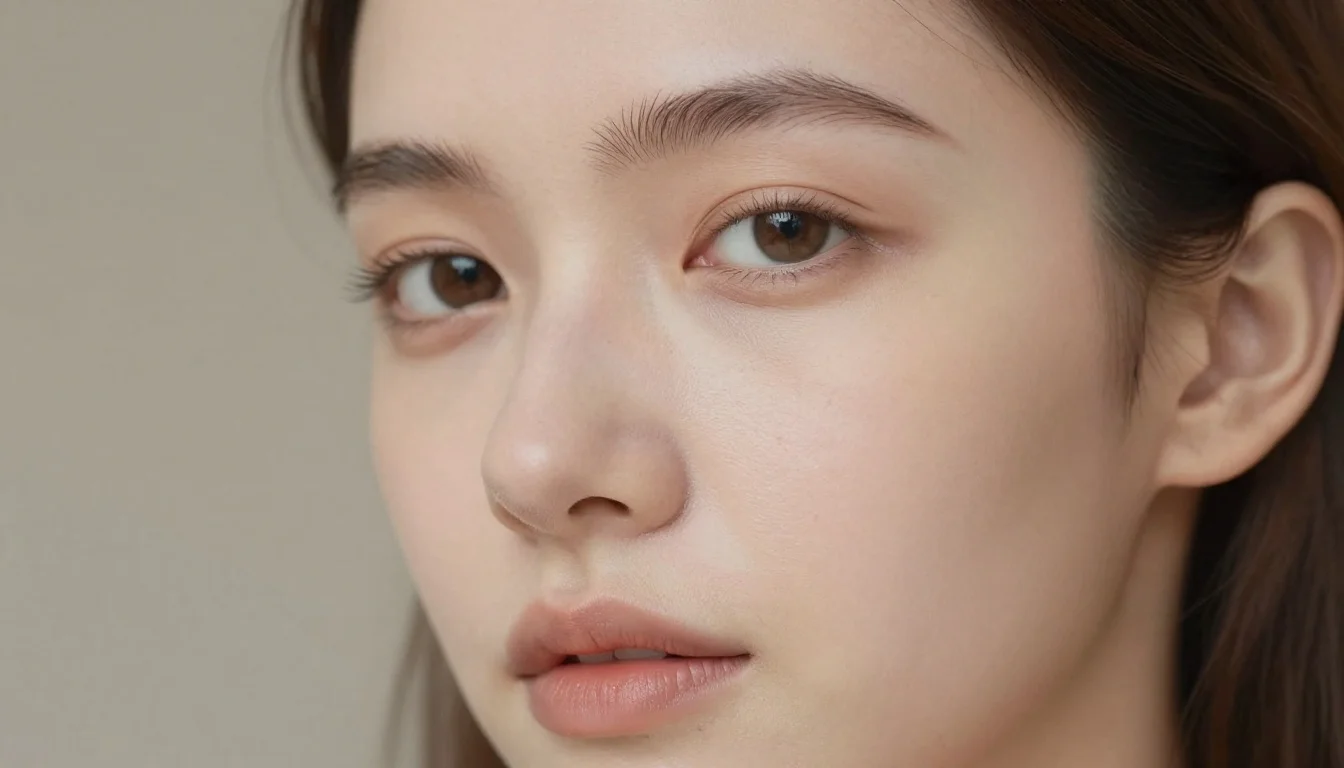
What blush colors are best for pale skin?
Soft dusty rose, warm peach-pink, sheer coral, and light berry are the most flattering blush shades for pale skin. They add natural flush without looking artificial. Avoid hot pink and fuchsia, which create theatrical redness against pale skin's high contrast. Cool pale skin does best with dusty rose; warm pale skin does best with peach-pink.
Your Best Makeup Shades
Foundation: Porcelain to Ivory with Correct Undertone
The most common foundation mistake on pale skin is going too warm (resulting in an orange cast) or too cool (grey or ashy on the skin). Cool pale skin needs foundations with a pink or neutral-cool undertone — look for descriptors like porcelain, cool ivory, or light with pink. Warm pale skin needs a peachy-neutral or warm ivory — not straight beige, which tends cool. Always test on your jaw, not your hand. The jaw match is what you'll see in photos.
Blush: Soft Rose, Warm Peach & Light Berry
Blush on pale skin has high contrast — a little goes further than you expect. Soft dusty rose works for cool-undertone pale skin: it adds flush without reading as artificial redness. Warm peach-pink is the most universally flattering on pale skin because it mimics natural warmth without temperature conflict. Light berry works as an evening escalation — deeper but not overpowering. Avoid pure cool pinks and hot pinks, which exaggerate natural redness or look theatrical.
Lip Colors: Rosy Nudes, Berry, and Classic Red
Pale skin carries lip color exceptionally well — the high contrast makes it one of the most striking feature pairings available. Cool-undertone pale skin looks best in cool rosy nudes (one shade deeper than the lips, with a pink quality), deep berry, and blue-based classic red. Warm pale skin suits warm peachy nudes, warm coral-red, and warm rose. Both types do beautifully with a classic red — it's one of the most timeless combinations in beauty precisely because pale skin and red lip create an iconic contrast.
Eyeshadow: Smoke, Taupe & Soft Contrast
Pale skin creates the backdrop for eyeshadow to show up with precision. Warm taupe is your most universal eye shade — it adds definition without looking harsh, bridges cool and warm undertones, and works for every occasion. Cool grey-brown creates a natural smoky effect that doesn't fight cool pale skin. Soft champagne or icy pink picks up the coolness in fair skin and amplifies it into something ethereal. Deep plum works particularly well on pale skin because it creates vivid contrast with the light skin while resonating with any pink undertone.

Ready to see yourself in porcelain neutral & ivory?
Start my color analysisHow to Apply Makeup on Pale Skin
Foundation: less coverage, more skin
Pale skin benefits from lighter coverage than you might expect. Heavy full-coverage foundation sits on pale skin and looks unnatural precisely because the skin is light enough to show the product's texture and weight. A skin-tint, light coverage foundation, or serum foundation with a few drops of full-coverage on problem areas creates a skin-like finish that photographs well and looks natural in real light. Build up only where needed — under eyes, around nostrils, any redness — rather than applying heavy coverage everywhere.
Blush placement and intensity
Apply blush to the apples of your cheeks and blend upward toward your temples — this creates the most natural flush effect on pale skin. Start with less than you think you need. Tap the brush on your hand first to remove excess. On pale skin, blush placement shows up immediately; it's much easier to add than to remove. For a softer look, blend a little highlighter over the blush rather than adding more blush. The glow creates the appearance of warmth without adding more color saturation.
The classic red lip payoff
If you have pale skin and have been hesitant about a classic red lip, the contrast is working in your favor. Pale skin and red lip is one of the most striking combinations in beauty because the high contrast creates impact with just one product. Choose your undertone correctly: cool pale skin looks best in blue-based red (vivid, true red with cool depth); warm pale skin looks best in warm red (slightly orange-warm, tomato-adjacent). Line the lips first to avoid bleeding — pale skin makes any feathering visible. Keep the rest of the face minimal: the lip does the work.
Avoiding the ghost effect
The 'ghost' effect on pale skin happens when you wear no warm products at all — foundation alone with no blush, no bronzer, and no lip color makes pale skin look flat and drained in artificial lighting. The fix isn't orange bronzer. It's adding warmth selectively: a warm-toned blush gives the face dimension, a peachy or rosy lip provides contrast, and even a very light dusting of peach-toned bronzer on the temples and hairline gives the face depth without looking fake. Minimal product with the right warmth beats heavy product with the wrong warmth.
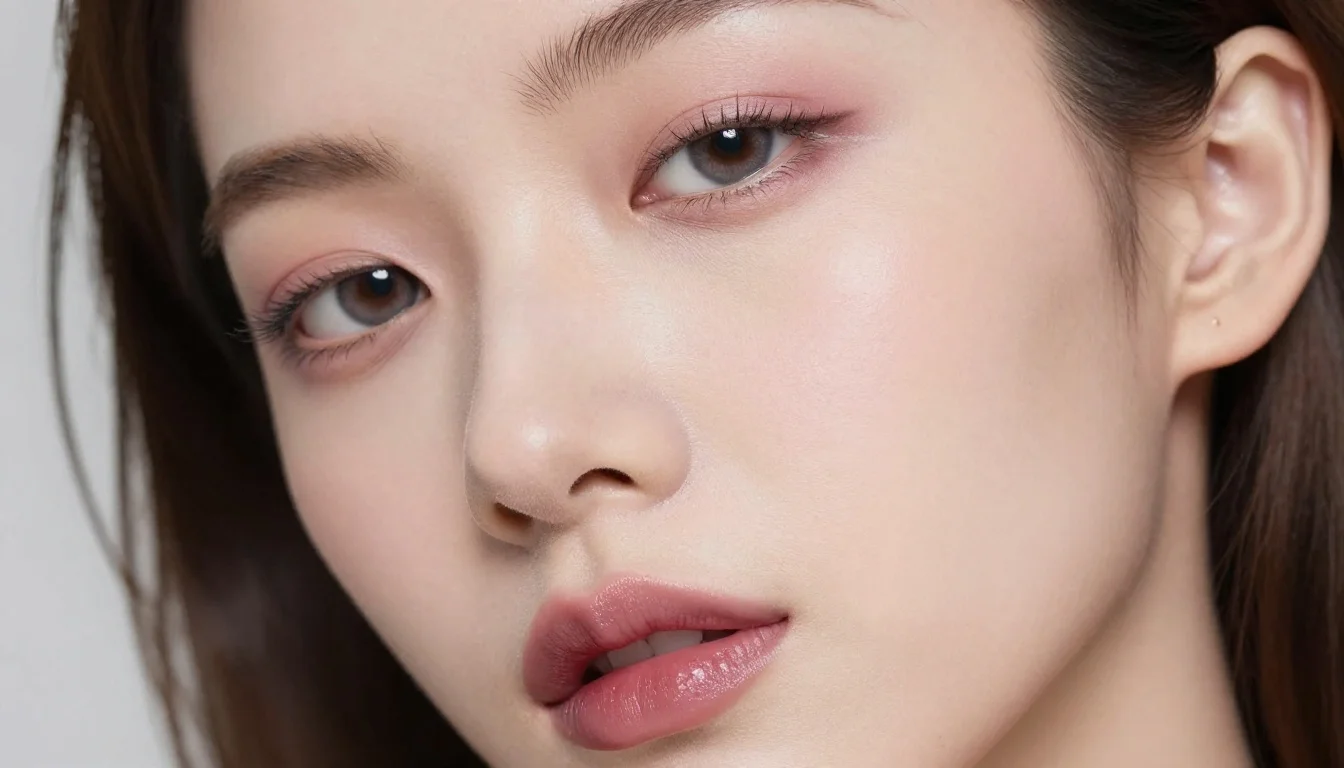
Makeup Shades That Fight Pale Skin
Orange-brown bronzer
Bronzer formulated for medium or deeper skin tones — which are often orange-brown — looks muddy or fake on pale skin. There's no warmth in the skin to blend the orange into, so it sits on the surface as an obvious stripe. If you want to add warmth to pale skin, use a light-handed, peach-toned or golden bronzer, not a terracotta bronzer built for tan complexions.
Hot pink or fuchsia blush
Hot pink blush on pale skin creates a theatrical redness that can look clown-like or as though you're flushed with fever. Pale skin's high contrast means blush reads more intensely. Dusty rose, soft peach-pink, and sheer coral all achieve the flush effect without the intensity conflict.
Yellow-based or very warm foundation
A foundation with strong yellow or orange undertones applied to cool-pale or neutral-pale skin creates an obvious mask effect — the face reads as warmer than the neck and chest, with a visible makeup line. If you have cool pale skin, neutral-to-cool foundation undertones are essential. If you have warm pale skin, choose a light peachy-warm, not an orange-warm.
Nude lip shades that match your skin tone
A true skin-matching nude on pale skin makes lips disappear. You lose your lip line entirely. The "my lips but better" effect requires going one to two shades deeper than your lips, with a slightly rosier or peachy quality. A truly skin-matched nude on pale skin reads as no lips — not effortless, just absent.
Stop guessing — preview every shade on you
See myself in my shadesMakeup Swaps for Pale Skin
Replace the products that fight your skin tone with ones that flatter it.
Warm-beige on cool pale skin creates an obvious mask. Lighter coverage in the right undertone reads as skin, not product.
Hot pink reads as artificial redness on pale skin. Dusty rose or peach adds natural flush without temperature conflict.
Orange bronzer looks muddy on pale skin with no warm base to blend into. A peach-gold or champagne adds warmth and glow without the clash.
Skin-match nude on pale skin erases your lips entirely. A slightly deeper rosy nude maintains the effect while keeping your lip shape visible.
Jet black creates very high contrast on pale skin that reads as dramatic for everyday wear. Soft brown or grey defines the lash line without the theatrical edge.
Warm gold highlighter on cool pale skin looks artificial — there's no warmth in the skin to blend it naturally. Cool champagne or pearl resonates with pale skin's undertone and looks luminous, not fake.
Which Seasonal Palette Might Be Yours?
Pale skin appears across several seasonal palettes depending on your undertone, eye color, and contrast level. These are the most common placements for pale skin tones.
Cool Summer
Learn moreIf your pale skin has a cool-pink or rosy undertone, your overall coloring is soft and medium-contrast, and you look best in muted, dusty colors rather than vivid ones, Cool Summer is likely your season. Your makeup sweet spot is dusty rose blush, muted berry lip, and cool taupe or grey eyeshadow.
Light Summer
Learn moreIf your pale skin is very fair, soft rather than vivid in coloring, and you have light eyes and hair, Light Summer may be your season. Your makeup approach is light-handed and delicate: barely-there foundation, sheer peach or pink blush, and soft rose lip rather than bold color.
Cool Winter
Learn moreIf your pale skin has a clear, cool quality and you have high contrast features — dark hair or vivid eyes against fair skin — Cool Winter may be yours. Your makeup works in bold, high-contrast applications: deep berry lip, vivid plum eyeshadow, and precise black liner are all at home with your coloring.
Find Your Exact Makeup Shades
Makeup for pale skin depends not just on the lightness of your complexion but on whether your undertone is cool-pink, neutral, or warm-peachy — and how much contrast your features create. A personalized color analysis identifies your seasonal palette and gives you specific shade families for foundation, blush, lip, and eyeshadow that work with your exact undertone rather than a general pale-skin guide.

Related Guides for Makeup for Pale Skin
Explore more personalized color advice based on your features.
Want to see these colors on you? What Colors Look Good on Me — free to try.
Frequently Asked Questions About Makeup for Pale Skin
What blush colors are best for pale skin?
Soft dusty rose, warm peach-pink, sheer coral, and light berry are the most flattering blush shades for pale skin. They add natural flush without looking artificial. Avoid hot pink and fuchsia, which create theatrical redness against pale skin's high contrast. Cool pale skin does best with dusty rose; warm pale skin does best with peach-pink.
What lip colors look good on pale skin?
Classic red is the most iconic choice — pale skin and red lip creates striking high-contrast impact. For everyday wear, rosy nudes one to two shades deeper than your lip color prevent the disappearing-lip effect. Deep berry and plum work for evening. Avoid skin-matching nudes, which make lips invisible on pale skin.
How do I find the right foundation for pale skin?
Match your undertone first, not just your depth. Cool pale skin needs foundations with pink or neutral-cool undertones — look for descriptors like porcelain, cool ivory, or alabaster with pink. Warm pale skin needs light peachy-warm undertones. Test on your jaw in natural light. Heavy warm-beige foundations on cool pale skin create an obvious mask effect.
Can pale skin wear bronzer?
Yes, but avoid orange-brown bronzers built for medium and deeper skin tones — they look muddy on pale skin with no natural warmth to blend them into. Choose a very light peach-gold or golden-champagne bronzer and apply sparingly to temples, hairline, and under cheekbones. Light-handed application with a soft fan brush gives warmth without looking fake.
What eyeshadow colors work for pale skin?
Warm taupe, cool grey-brown, soft champagne, and deep plum are consistently flattering on pale skin. Taupe is the most universal — it defines without harshness. Cool grey-brown creates a natural smoky effect. Deep plum creates vivid contrast with pale skin that photographs beautifully. Avoid very light pastel eyeshadows, which can make pale skin look washed out.
What foundation shade am I if I have pale skin?
Pale skin typically falls in foundation shade ranges described as porcelain, alabaster, fair, ivory, or light. The descriptor matters less than the undertone. Try a neutral-cool or pink-undertone shade if your wrist veins look blue-purple. Try a peachy-warm or neutral-warm shade if your veins look green or your skin has a peachy quality. Most brands offer both in their lightest shades.