Best Colors forPale Skin and Red Hair
See which clothing colors make pale skin look luminous and red hair appear richer — from forest green and teal to navy and ivory.
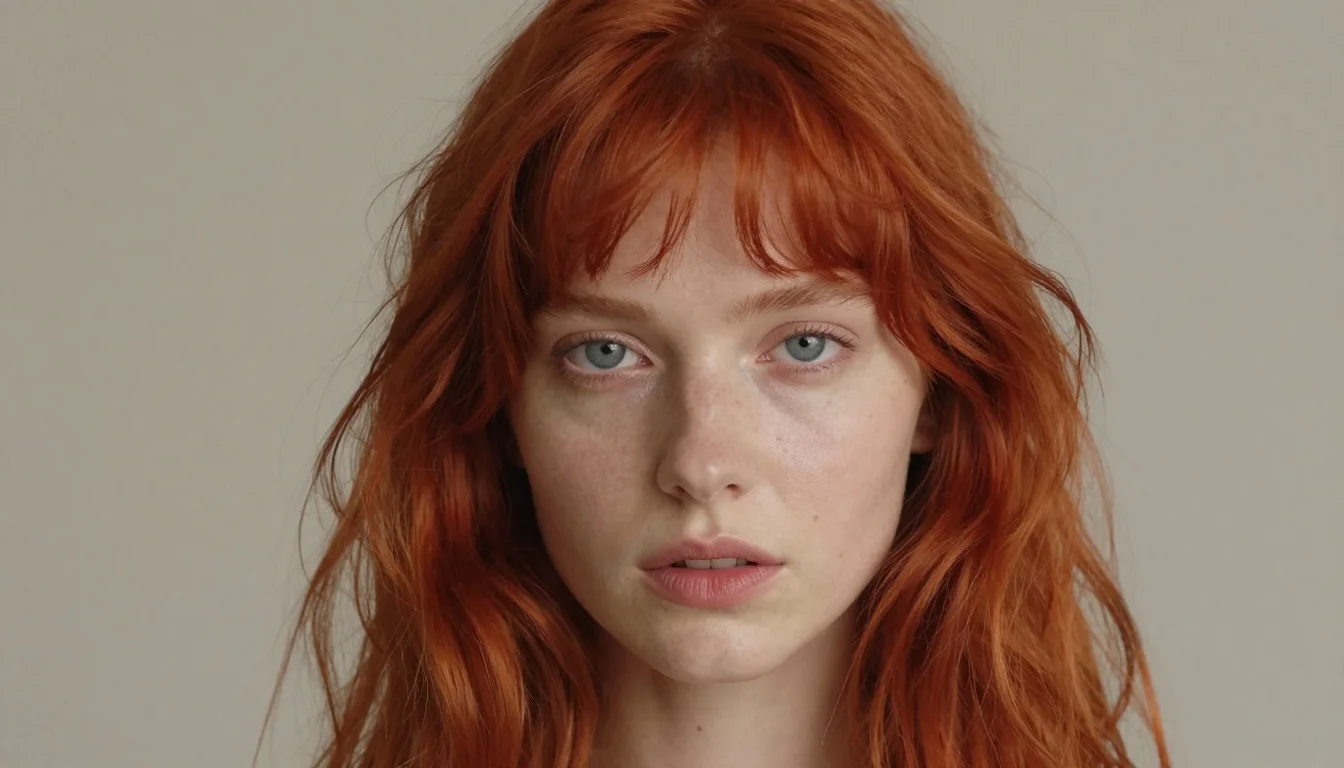
Pale skin with red hair is one of the most visually distinctive feature combinations. The warm, vivid copper of red hair against the cool, light canvas of pale skin creates natural contrast — and that contrast becomes a style asset when you choose colors that amplify rather than compete with it. The right colors make this combination look striking and intentional; the wrong ones flatten it.


3,000+
happy clients
What colors look best on pale skin and red hair?
Forest green, hunter green, teal, deep navy, cobalt, warm ivory, and cream are the best clothing colors for pale skin and red hair. Greens create complementary contrast that makes red hair look richer, while navy gives fair skin clean depth. Bright orange, cool magenta, lemon yellow, and very pale pink are usually less flattering near the face.
Why Red Hair Changes Color Rules for Pale Skin
Pale skin with red hair is one of the most visually distinctive feature combinations. The warm, vivid copper of red hair against the cool, light canvas of pale skin creates natural contrast — and that contrast becomes a style asset when you choose colors that amplify rather than compete with it. The right colors make this combination look striking and intentional; the wrong ones flatten it.
Red hair is the most visually dominant hair color — it draws the eye, sets the warmth of your overall palette, and interacts with nearby colors more dramatically than any other. Against pale skin, it creates a warm-cool contrast within your own features: the hair is warm and vivid, the skin is cool and light. This built-in contrast is both distinctive and demanding — the colors you wear need to work with it, not against it.
Green is red's complementary color on the color wheel. When you wear green near red hair, the complementary contrast makes the hair look more vivid and saturated. This is the single most powerful color relationship for redheads — a forest green or teal worn at the neckline makes red hair look like it's lit from within. Earthy warm tones create a different effect: they harmonize with red hair's warmth, creating cohesion rather than contrast.
Pale skin adds a layer of complexity. The skin itself is cool, which means very warm colors can conflict at the face level even when they harmonize with red hair. The best choices for this combination work at both levels: colors that complement or harmonize with red hair while still flattering the cool, fair skin beneath it.
Your Most Flattering Color Families
Forest & Teal Greens
Green is the complementary color to red — and this relationship is at its most vivid when worn near red hair. Forest green and hunter green create the most dramatic effect: the complementary contrast makes red hair look more saturated and vivid while creating depth contrast against pale skin. Teal adds a blue note that cools the contrast slightly. Sage works softly. This is the color family that most uniquely flatters redheads — no other hair color benefits from green the way red hair does.
Warm Earth Tones
Warm earths in the orange-red range create harmonious warmth that echoes red hair's tone without competing with it. Terracotta and rust are particularly effective — they share the warm register of red hair while being distinct enough in hue. Against pale skin, these colors need to be worn with awareness: at the neckline they can amplify warmth against cool skin, but as outerwear or bottoms they create beautiful cohesion with red hair. Warm ivory is your best warm neutral — it harmonizes with red hair without the temperature conflict of camel.
Deep Navy & Cobalt
Deep navy is a classic pairing for red hair and pale skin. It creates cool-warm contrast against both features simultaneously: against pale skin it provides depth and contrast, against red hair it creates a cool-warm pop that makes the hair color look vivid. Cobalt is more electric and creates a similar effect with more vibrancy. Navy at the neckline frames both red hair and pale skin with equal elegance. This is your most reliable professional and everyday foundation.
Ivory & Warm White
Warm ivory and cream are the most flattering light neutrals for pale skin with red hair. Unlike cool bright white (which can make pale skin look washed out in this combination), warm ivory has just enough warmth to harmonize with red hair's tone while creating a soft, luminous contrast against pale skin. An ivory linen shirt or cream blouse near red hair creates a fresh, clean look that suits both features.
Ready to see green & hunter green on your face?
Start my color analysisHow to Dress for Pale Skin and Red Hair
Making the most of green
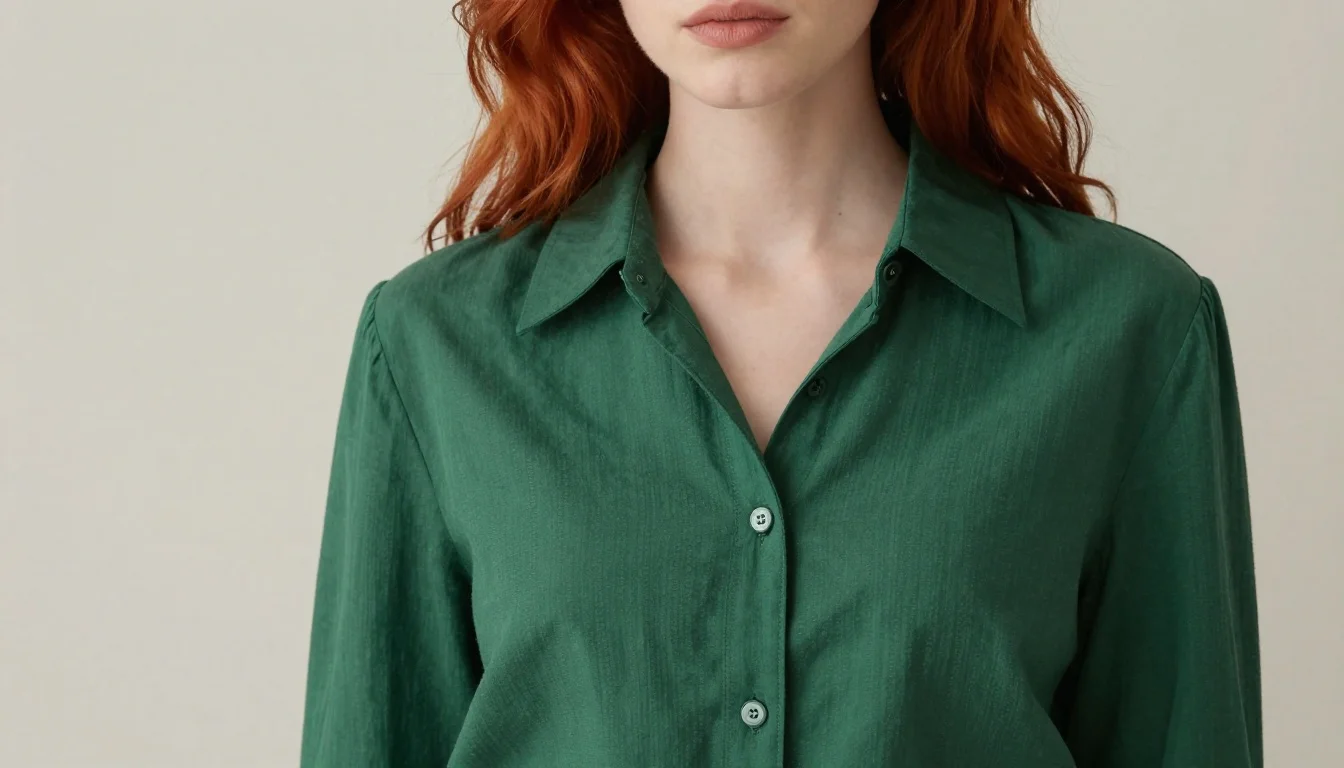
No other feature combination benefits from green the way pale skin and red hair does. A forest green wool blazer, an emerald silk blouse, or a hunter green turtleneck near red hair creates an immediate complementary contrast that makes hair color look more vivid and the overall look more striking. Start with one green piece at the neckline and watch what happens — the effect is immediate and dramatic. This is your signature color family.
Navy as your everyday backbone
Navy works year-round for pale skin and red hair. It creates cool contrast against pale skin while providing a deep, clear backdrop that makes red hair look vivid rather than garish. A navy blazer with warm ivory shirt is a classic combination. Navy dress with silver jewelry is polished and flattering. Navy trousers with a forest green blouse amplifies both the hair and the complementary contrast. Build your base wardrobe around navy and warm ivory.
Warm earths in the right register
If you love warm tones, reach for the deeper, more complex versions rather than bright orange or golden yellow. Terracotta, cognac, and rust all have the warmth to harmonize with red hair while having enough depth to contrast against pale skin. These work best in outerwear and statement pieces. At the neckline, keep warm earths from getting too orange — opt for the brown-adjacent range (cognac, rust) rather than true orange.
Avoiding the clash zones
The two biggest clash zones for pale skin and red hair are: (1) cool vivid pink and magenta near the face, and (2) bright warm orange. Both fight red hair for attention at the same warmth level. The fix isn't to avoid these color families entirely — it's to change their register. Dusty rose instead of bright pink. Burnt terracotta instead of bright orange. Depth and complexity solve most of the clashes.
Make red hair work with your exact season
Red hair gives strong clues, but your skin undertone and contrast decide the palette. Confirm it with AI color analysis before building around greens, navy, cream, or rust.
Colors That Fight Pale Skin and Red Hair
Cool bright pink and magenta
Cool, vivid pink and magenta fight red hair directly — they clash in the same warmth register without harmonizing. Near pale skin, this clash is even more visible. The pink competes with red hair's orange-warmth and can make pale skin look flushed. Warm, earthy rose or deep berry work better than cool pink — they're in the complementary or harmonious range.
Orange and warm coral
Orange sits adjacent to red on the spectrum — too similar in warmth to create useful contrast with red hair, and too warm for pale cool skin. The effect is a muddying where hair and clothing read as the same color family without distinction. If you love warm tones, rust and terracotta (darker and more complex than pure orange) create warmth with enough contrast.
Bright cool yellow and lime
Very bright, cool yellow creates a jarring conflict with red hair — the cool-warm tension without complementary color theory isn't flattering. Against pale skin, bright lemon yellow can also make the skin look sallow. Golden, honey, or amber yellows — which are in the warm family — work much better and harmonize with red hair's warmth.
Very pale, cool pink at the neckline
Very pale, chalky pink near pale skin creates a monochrome effect that has no visual weight against the natural contrast of red hair. The pink doesn't do enough against either pale skin or red hair — it just blends into the former and fights the latter at a low level. Deep rose and warm dusty pink work; very pale cool pink doesn't.
Stop guessing — preview every shade on you
See myself in my colorsYour Wardrobe, Upgraded
Swaps that let red hair be the statement and pale skin look luminous.
Bright pink clashes with red hair in the same warmth register. Forest green is complementary — it makes red hair look more vivid and striking.
Orange sits too close in warmth to red hair and can overwhelm pale skin. Navy creates cool-warm contrast; emerald creates complementary contrast — both serve this combination.
Cool white can make pale skin look washed out next to warm red hair. Warm ivory harmonizes with red hair's warmth and creates a luminous, soft contrast against fair skin.
Cool vivid pink competes with red hair without complementary payoff. Deep teal or forest green creates the complementary contrast that makes red hair the most vivid element in the room.
Camel harmonizes with red hair but can be too warm at the largest visible level. Forest green creates complementary contrast; navy creates cool drama against both red hair and pale skin.
Bright yellow gold can fight red hair at close range. Rose gold has warm-pink warmth that harmonizes with red hair; antique bronze echoes its earthiness more subtly.
Which Seasonal Palette Fits Pale Skin and Red Hair?
Red hair with pale skin appears most commonly in Spring seasonal palettes — the specific warmth and saturation of your red hair determines which Spring season fits best.
Light Spring
Learn moreIf your red hair is warm but light — strawberry blonde or bright copper — paired with very fair skin and light, warm-toned eyes, Light Spring is likely your season. Your palette is warm, clear, and light: warm peach, golden yellow, warm ivory, and bright teal. Colors that are clear and warm without being too deep.
Warm Spring
Learn moreIf your red hair is vivid and warm — true copper, bright auburn, or flame red — paired with fair-to-medium warm skin and golden or warm brown eyes, Warm Spring may be your season. Your palette is clear and warm: coral, warm peach, golden yellow, and emerald. Colors that have energy and warmth without muting.
Bright Spring
Learn moreIf your red hair is bright and vivid with high contrast against your pale skin, Bright Spring is worth exploring. You suit clear, bright, warm colors with high saturation: vivid coral, clear warm green, golden yellow, and bright warm teal. The vibrancy of your red hair calls for colors that can match its energy.
Find Your Exact Colors
Pale skin and red hair is one of the most distinctive feature combinations — but the specific shade of your red (copper, auburn, flame, strawberry), your skin's undertone, and your eye color all shape which palette makes you look most radiant. A personalized color analysis maps your precise seasonal type and identifies the exact shades that work with both your vivid hair and your fair skin simultaneously.
Stop guessing — preview every color on you
Preview Yourself In Your Palette
Get my personalized paletteStop guessing — preview every color on you
Preview Yourself In Your Palette

Related Guides for Best Colors for Pale Skin and Red Hair
Explore more personalized color advice based on your features.
Want to see these colors on you? Virtual Hair Color Try-On — free to try.
Frequently Asked Questions About Best Colors for Pale Skin and Red Hair
What colors look best on pale skin and red hair?
Forest green and teal are the most striking — green is red's complementary color, creating an immediate vivid contrast that makes red hair look more saturated. Deep navy creates cool-warm contrast that suits both pale skin and red hair. Warm ivory and cream harmonize with red hair's warmth. Warm earth tones like cognac and terracotta create harmonious depth. The clearest pattern: complementary greens and cool deep neutrals.
What colors should redheads with pale skin avoid?
Cool vivid pink and magenta clash with red hair in the same warmth register without complementary benefit. Bright orange is too similar to red hair and can overwhelm pale skin. Very bright, cool yellow creates a jarring conflict with red's warmth. Very pale cool pink near the face has no visual weight against this combination's natural contrast. The problem is always warmth that competes rather than complements.
Does pale skin with red hair suit warm or cool colors?
Both work but through different mechanisms. Warm colors (earthy tones, ivory, cognac) harmonize with red hair's warmth and work well from the shoulder down. Cool-deep colors (navy, forest green, teal) create complementary or contrasting effects that make red hair pop and provide depth against pale skin. The combination works best with either cool-deep or carefully chosen warm-earth tones — not bright warm or pale cool.
Why does green look so good with red hair?
Green is the complementary color to red on the color wheel. When two complementary colors appear near each other, each makes the other look more vivid — this is called simultaneous contrast. Forest green near red hair makes the red look more saturated; the red makes the green appear more vivid. Against pale skin, the green also provides depth contrast. This complementary relationship is unique to red hair and is the single most reliable way to make this feature combination look most striking.
What are the best neutrals for pale skin and red hair?
Midnight navy is the strongest neutral — it creates cool-warm contrast against both pale skin and red hair. Warm ivory and cream are the best light neutrals — they harmonize with red hair without the conflict of cool white. Forest green functions as a neutral-adjacent for redheads — versatile and universally flattering. Avoid warm camel and beige as primary neutrals near the face — they harmonize with red hair but can overwhelm pale skin.