Colors for Pale Skinand Green Eyes
Pale skin and green eyes is one of the most striking combinations. Discover which shades flatter you most — and which to skip.
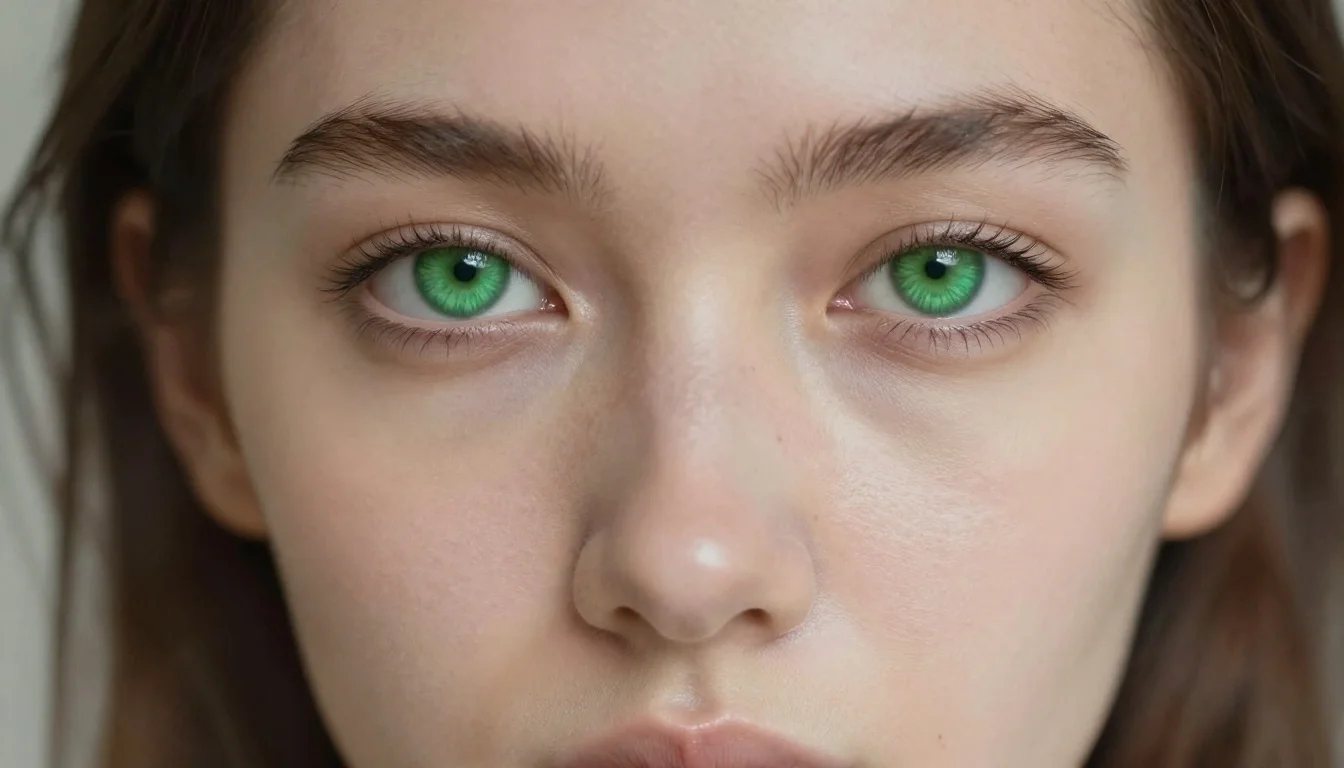
Pale skin and green eyes share something unusual — both features are optically reactive. Pale skin picks up color from everything around it. Green eyes intensify or dull depending on what's nearby. The colors that work best for this combination do two jobs at once: they give pale skin the depth or warmth it needs while activating the complementary contrast that makes green eyes vivid.


3,000+
happy clients
Why This Combination Has Its Own Color Logic
Pale skin and green eyes share something unusual — both features are optically reactive. Pale skin picks up color from everything around it. Green eyes intensify or dull depending on what's nearby. The colors that work best for this combination do two jobs at once: they give pale skin the depth or warmth it needs while activating the complementary contrast that makes green eyes vivid.
Green eyes and pale skin often appear together — the same low-melanin genetics that produce fair skin also tend to produce light, colorful irises. What makes this combination distinctive is how both features respond to nearby color. Pale skin reflects light and picks up color temperature visibly. Green eyes contain subtle amber, gold, and grey registers that shift under different colors — the right color brings out the green; the wrong one makes irises look muddy.
The color science for green eyes is straightforward: red-adjacent colors sit opposite green on the color wheel, creating complementary contrast that makes green irises look more saturated. Burgundy, plum, wine, and warm copper all do this. But those same colors also need to work against pale skin — and fortunately, they do. Deep red-purples add the depth that pale skin needs. Warm copper creates warmth that prevents pale skin from looking cold and grey.
The mistake most people with pale skin and green eyes make is wearing too many cool, low-saturation colors — dusty pastels, flat greys, washed-out blues — because they feel 'safe' for fair skin. They're not wrong that pale skin handles these tones. But nothing in that palette activates green eyes. You end up with a look where the face is technically fine but the coloring lacks any focal point. Green eyes are your focal point — choose colors that treat them that way.
What colors look best with pale skin and green eyes?
Deep burgundy and plum are the most impactful — they add depth to pale skin while creating complementary contrast that makes green eyes look vivid. Warm copper and amber do the same job with more earthy warmth. Deep forest and hunter greens create tonal contrast that frames lighter green irises. All these colors do double duty — they flatter both pale skin and green eyes simultaneously.
Your Most Flattering Color Families
Deep Burgundy and Plum
This is the highest-impact color family for pale skin and green eyes — it does double work. Burgundy and plum sit in the red-purple range, which is directly complementary to green on the color wheel. Wearing them near your face makes green irises look more saturated and vivid. At the same time, their depth creates the contrast that pale skin needs to look luminous rather than washed out. Deep burgundy against pale skin and green eyes is one of the most striking natural color combinations in fashion.
Warm Copper and Amber
Many green eyes contain amber or golden flecks — and warm copper tones harmonize with those flecks while still sitting in the warm-complementary range for green. Burnished copper near pale skin creates a radiant, warm glow: it warms up fair complexions without making them look overdone. Warm rust brings the complementary contrast mechanism in a slightly more muted, earthy form. These are your most wearable everyday colors — complementary without being dramatic.
Deep Forest and Hunter Tones
Very dark, deeply muted greens create a sophisticated tonal contrast with the lighter green of your irises — the difference in depth is what makes this work. A hunter green knit next to green eyes doesn't blend them in; it frames them by contrast, making your iris color look lighter and more vivid by comparison. This only works with very deep, muted versions — bright or mid-range greens create competition. Pale skin gives these deep tones a beautiful grounded quality.
Soft Rose and Deep Raspberry
Pinks that lean toward red — raspberry, deep rose, berry — carry enough of the red-complementary energy to gently intensify green eyes without the full drama of burgundy. They're the everyday version of the complementary contrast effect. Dusty mauve with a warm note works particularly well on pale skin: it has enough depth to contrast without clashing, and its warmth prevents pale skin from looking sallow. Think of these as your soft power colors.

Ready to see burgundy & wine on your face?
Start my color analysisHow to Make Both Features Work Together
Your single best daily choice
A deep burgundy or wine piece near your face — a knit, a button-down, a scarf — is the single most efficient colour choice you can make with pale skin and green eyes. It adds depth that makes pale skin glow and creates the complementary contrast that makes green eyes vivid. This works on a Tuesday morning commute as powerfully as it does on a Friday night. A burgundy crewneck over simple dark jeans requires no other styling to look striking.
Using copper and amber strategically
Warm copper and amber tones work particularly well in the colder months, when pale skin can look grey and flat under indoor lighting. A deep copper or cognac-toned layer near your face adds warmth to pale skin and creates the warm complementary contrast that brings out amber flecks in green irises. A burnt amber scarf at your neckline in November does more for this coloring than almost any other single accessory choice.
Professional settings
Deep burgundy or dark plum isn't always the right fit for formal work environments, but deep navy and charcoal work well as dark professional anchors for pale skin and green eyes. For the days when colour is appropriate, a deep raspberry or berry-pink blouse under a navy blazer creates a subtle complementary note for green eyes while remaining completely professional. Avoid the standard grey suit — pale skin under grey office lighting looks grey, not polished.
Evening dressing
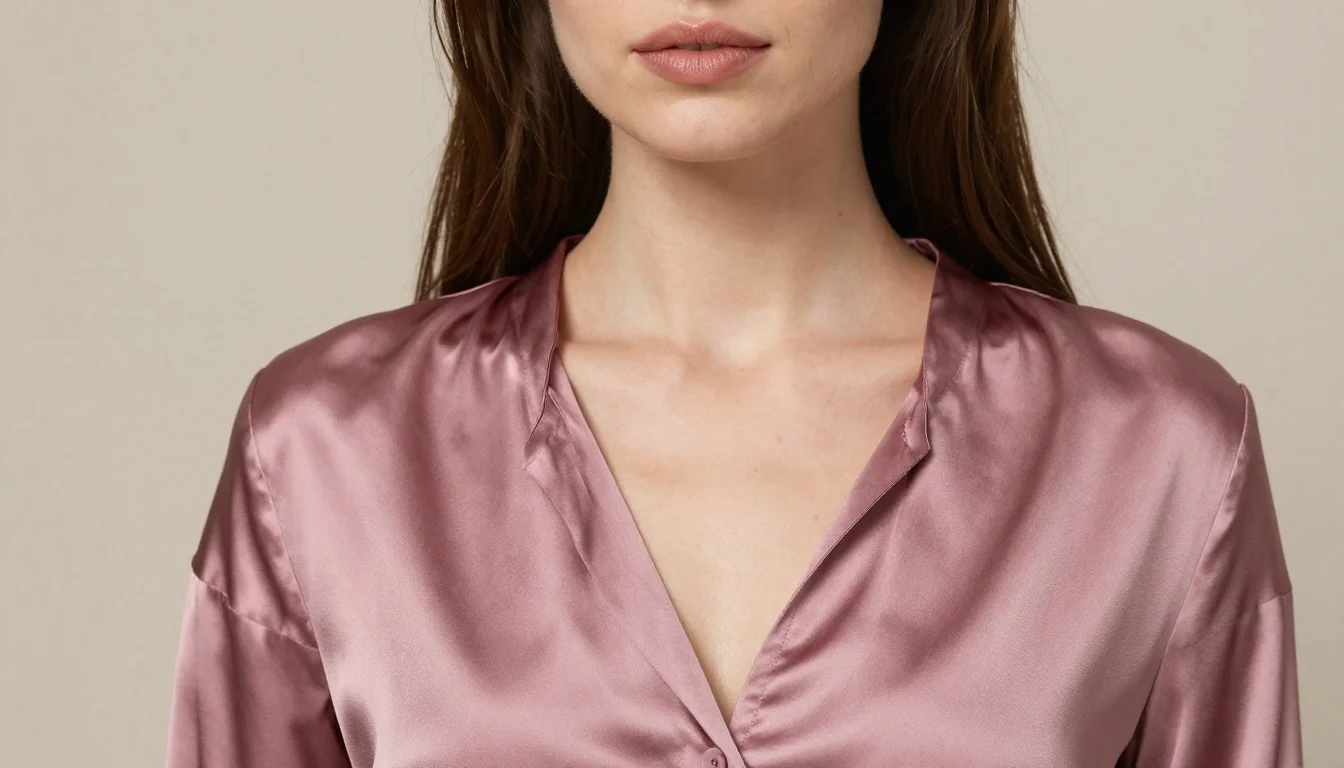
For special occasions, lean into what this combination does best. A deep plum or rich burgundy silk dress against pale skin and green eyes in candlelit or warm lighting looks genuinely stunning. The depth of the colour against fair skin creates luminosity; the red-purple complementary contrast makes green eyes appear vivid without any effort from makeup alone. Champagne and nude evening looks work against you — they blend into pale skin and leave green eyes with no frame.
Cool porcelain or warm ivory?
Pale skin splits into two camps, and your palette depends on which one you are. The color analysis quiz tells you in six questions.
Colors That Dull Both Features at Once
Bright or medium-toned green
A green outfit at a similar depth to your iris color creates a blending effect — the eye color and the clothing compete rather than contrast. The result is that both look less vivid. Very dark, deeply muted greens escape this problem. If you want to wear green, go deep (hunter, forest) or go olive. Mid-range brights and medium greens are the ones that cause the most muddying.
Chalky, low-energy pastels
Faded pastels — powder blue, pale mint, chalky lavender — are a common choice for pale skin because they feel low-risk. But they have no visual energy near green eyes. They neither create complementary contrast nor add warmth to pale skin. They create a look where everything is pale and quiet, with no focal point. If you want pastels, choose ones with depth: a dusty mauve rather than a powder pink, a muted sage rather than a pale mint.
Warm beige and sandy khaki
Warm beige tones often fight the undertone of pale skin — many fair complexions run cool, and warm beige against cool pale skin creates a grey, washed-out effect. They also contribute nothing to green eyes. It's the double-fail color for this combination: does nothing for the skin, does nothing for the eyes. Rich camel with depth is different — it has enough warmth and contrast to work. Flat sandy khaki does not.
Bright yellow-green and chartreuse
Yellow-green tones create a sharp, discordant note against pale skin — they accentuate any sallowness — and create a murky, conflicting effect near green eyes rather than complementary contrast. Pale skin and green eyes look their worst in yellow-green. If you want something with warmth and a yellow register, warm ochre and deep amber are where to look — they have richness, not the acidic quality that causes the clash.
Stop guessing — preview every shade on you
See myself in my colorsSwaps That Do Double Duty
Replacing colours that neutralise both features with ones that activate both at once.
Grey and dusty sage have no complementary relationship with green eyes and add no depth to pale skin. Burgundy creates both contrast for pale skin and vivid complementary contrast for green eyes.
Pale pastels lack visual energy near green eyes and blend into pale skin. Deep rose sits in the complementary range for green and has the depth pale skin needs.
Grey and beige create a flat, undefined look against pale skin and do nothing for green eyes. Navy adds depth; plum adds the complementary contrast that makes green irises vivid.
Medium green competes with your eye color at too-similar a depth. Very deep hunter or forest green creates enough tonal contrast to frame your lighter irises instead.
Warm sand fights the undertone of most pale skin. Deep amber has the warmth without the flatness — it adds richness and creates warm complementary contrast for green eyes.
A scarf at face level is your most impactful styling choice. Copper and rust warm pale skin and activate the amber in green eyes; dusty wine creates the strongest complementary effect.
Which Palette Might Be Yours?
Pale skin with green eyes spans several seasonal palettes. The deciding factors are whether your green eyes are cool-toned, warm-toned, or neutral, and how much contrast your hair adds to the overall picture.
Light Summer
Learn moreIf your pale skin is soft with a cool or neutral undertone, your green eyes are grey-green or blue-green rather than vivid, and your overall coloring feels gentle and low-contrast — light hair, no strong drama — Light Summer is likely your season. Your palette is cool and muted: dusty rose, soft mauve, cool sage, and muted teal. These complement pale skin and bring out the subtle green in soft irises.
Cool Summer
Learn moreIf your pale skin has a rosy-cool quality and your green eyes are clear and vivid — brighter than soft sage, more distinct than grey-green — Cool Summer may be yours. Your palette is cool and medium-depth: rose berry, soft raspberry, dusty blue-green, cool plum. There's more colour energy here than Light Summer while remaining sophisticated and cool.
Light Spring
Learn moreIf your pale skin has a warm, peachy quality and your green eyes are bright and warm-toned — golden-green, hazel-green, or clear warm green — Light Spring is worth exploring. Your palette is warm, clear, and delicate: warm peach, coral, golden aqua, and soft warm rose. The warmth makes pale skin glow and brings out the warm register in your green irises.
Find Your Exact Colors
Pale skin and green eyes can look ethereal, striking, or romantic — the exact direction depends on whether your green eyes lean cool, warm, or neutral, and what your hair and overall contrast add to the picture. A personalised color analysis identifies your specific seasonal type and the precise shades within each complementary family that make your pale skin look luminous and your green eyes look vivid at the same time.
Stop guessing — preview every color on you
Preview Yourself In Your Palette
Get my personalized paletteStop guessing — preview every color on you
Preview Yourself In Your Palette

Related Guides for Best Colors for Pale Skin and Green Eyes
Explore more personalized color advice based on your features.
Want to see these colors on you? What Colors Look Good on Me — free to try.
Frequently Asked Questions About Best Colors for Pale Skin and Green Eyes
What colors look best with pale skin and green eyes?
Deep burgundy and plum are the most impactful — they add depth to pale skin while creating complementary contrast that makes green eyes look vivid. Warm copper and amber do the same job with more earthy warmth. Deep forest and hunter greens create tonal contrast that frames lighter green irises. All these colors do double duty — they flatter both pale skin and green eyes simultaneously.
What colors make green eyes pop on pale skin?
Burgundy, wine, and deep plum are the most powerful — they're complementary colors to green, sitting opposite on the color wheel, which makes green irises appear more saturated. Warm copper and rust create a warmer version of the same complementary effect. Get any of these near your face, at your neckline, and the contrast with pale skin creates an amplifying backdrop that makes green eyes the focal point.
Can pale skin and green eyes wear bright colors?
Yes — with the right ones. Deep, saturated colours like rich burgundy, vivid teal, and deep plum look striking against pale skin and activate complementary contrast for green eyes. The colours to avoid are mid-range or bright greens (too similar to eye colour) and very warm brights like yellow-green or chartreuse. Saturated red-purples and deep jewel tones are your most reliable bright choices.
What should pale skin with green eyes avoid wearing?
The biggest fails for this combination are: bright or medium green (competes with eye colour), chalky low-energy pastels (no effect on either feature), warm sandy beige (clashes with cool pale skin and does nothing for green eyes), and yellow-green or chartreuse (creates sallowness in pale skin and muddiness near green eyes). Choose colours with clear depth, warmth, or complementary energy.
What season is pale skin with green eyes?
Pale skin with green eyes most commonly falls in the Summer or Spring seasonal families. Light Summer fits best when the overall look is cool, soft, and low-contrast. Cool Summer fits when the colouring is cool with slightly more vividity. Light Spring fits when pale skin has peachy warmth and green eyes are bright and warm-toned. Your hair colour and the specific warmth or coolness of your green eyes determine the closest fit.
Is burgundy always a good choice for pale skin and green eyes?
Almost always yes — deep burgundy is the strongest complementary colour for green eyes while also adding the depth that pale skin needs to look luminous. The only variation is if your pale skin has very strong pink undertones and very cool-toned green eyes — in that case, a slightly softer plum or deep raspberry may feel more harmonious than a strong warm burgundy. Generally though, deep burgundy is the most reliably flattering choice for this combination.