Most Flattering Colorsfor Dark Hair
Find the colors that look genuinely beautiful with dark hair. Discover which shades complement your coloring — and which to avoid.
Dark hair is one of the most striking natural features you can have — it creates high contrast and visual drama that most other hair colors simply don't offer. That's something genuinely beautiful to work with. The question is: which colors honor that natural drama instead of fighting it? This guide gives you the shades that look truly flattering against dark hair, and explains why they work so well for your coloring.


3,000+
happy clients
Why Dark Hair Creates a Unique Color Opportunity
Dark hair is one of the most striking natural features you can have — it creates high contrast and visual drama that most other hair colors simply don't offer. That's something genuinely beautiful to work with. The question is: which colors honor that natural drama instead of fighting it? This guide gives you the shades that look truly flattering against dark hair, and explains why they work so well for your coloring.
Dark hair — whether black, near-black, or very deep brown — creates natural high contrast at the top of your coloring. Your hair is one of the most visually prominent features you have, and its depth and darkness set the visual context for everything else about your appearance. Colors that don't hold their own against that natural visual weight tend to disappear or look mismatched.
The upside of this contrast is significant: you can wear colors with real intensity and saturation that would overwhelm fairer or lighter hair types. Vivid jewel tones, deep rich darks, and high-contrast bright colors all look genuinely intentional and polished against dark hair rather than jarring. Your hair gives you visual anchoring that makes bold color choices look deliberate rather than overwhelming.
Your skin undertone — whether it runs warm, cool, or neutral — works in concert with your dark hair to create your specific coloring. Dark hair spans an enormous range of skin tones and undertones, which is why the most flattering colors vary within this group. But what remains consistent: dark hair looks best with colors that have real visual presence, not soft or faded shades that lack the strength to stand alongside it.
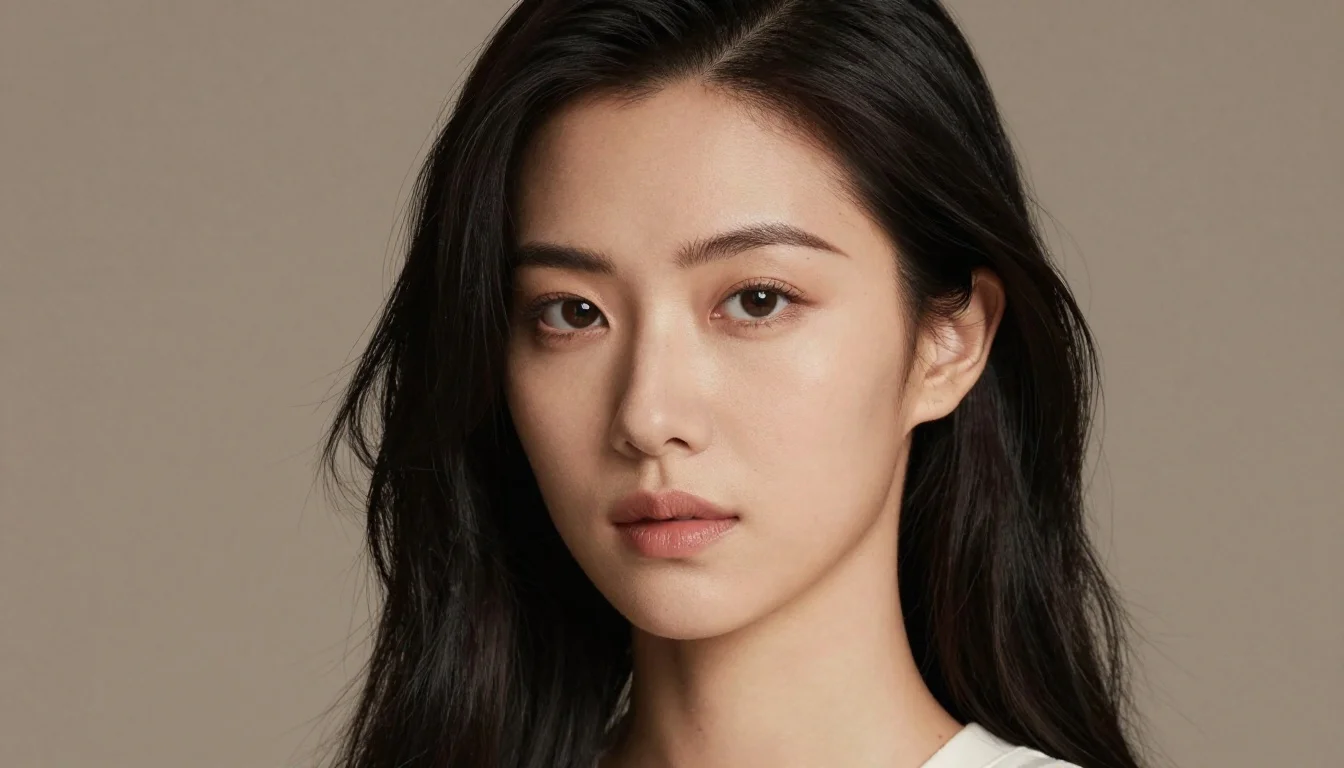
What colors look most flattering with dark hair?
Vivid jewel tones — emerald, sapphire, amethyst, teal — are consistently flattering with dark hair because they have enough visual presence to complement its natural depth and drama. Deep, rich darks like burgundy, forest green, and navy are also excellent. Vivid red creates one of the most classic and striking color combinations with dark hair. Crisp white creates beautiful high contrast. The key is choosing colors with real saturation or depth.
Your Most Flattering Color Families
Vivid Jewel Tones
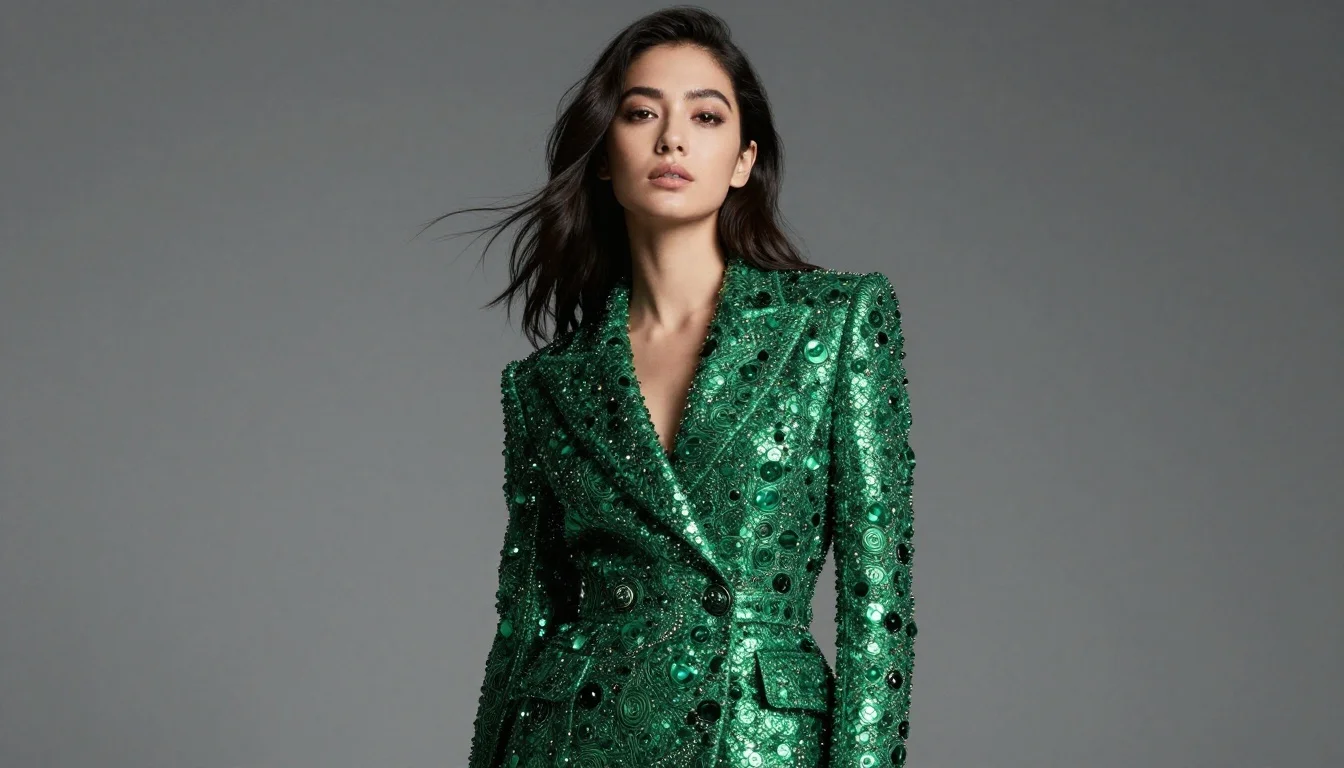
Vivid jewel tones are among the most flattering colors for dark hair because the depth and saturation of the colors hold their own beautifully against dark hair's natural visual weight. Emerald green creates a particularly striking effect — its richness and depth create a dramatic, luxurious contrast. Sapphire and cobalt blue create a stunning complement to near-black and very dark brown hair. Amethyst and vivid teal are equally powerful. The key quality they all share: genuine color saturation.
Deep, Rich Darks
Deep, rich dark colors complement dark hair by extending and echoing the natural depth of your coloring. Burgundy and oxblood red create a warm, sophisticated contrast against dark hair that looks polished and intentional. Deep navy is universally flattering — it's cool and authoritative without the starkness of black. Forest green and deep plum add richness and interest. These colors don't fight dark hair; they work with its natural drama.
Warm Reds and Berries
Red is one of the most classic and flattering colors for dark hair — the contrast between vivid red and dark hair is one of the most striking color combinations in fashion. Cherry red and vivid true red are the strongest choices. Cranberry and deep rose work across more conservative settings while maintaining the drama. For warm-undertoned dark hair, hot coral creates a gorgeous warmth. These colors are striking precisely because dark hair creates the ideal dark backdrop for them.
Crisp White and Ivory
White and ivory work for dark hair for the opposite reason to jewel tones — it's maximum contrast rather than tonal resonance. The contrast between very dark hair and crisp white creates a clean, dramatic, high-fashion effect. Bright white is particularly striking. Warm ivory works better for warm-undertoned skin. These are most flattering when the garment is near your face, where the contrast between dark hair and bright fabric is most dramatic.
Ready to see emerald & sapphire blue on your face?
Start my color analysisHow to Make the Most of Dark Hair
Lead with contrast
Dark hair gives you natural high contrast at the top of your look. Work with it: a vivid emerald blouse, a crisp white shirt, a rich burgundy top — all of these create the kind of visual drama that dark hair makes possible and that looks genuinely intentional. Avoid soft, faded garments near your face; they can't hold their own against the visual weight of dark hair.
Professional power dressing
Dark hair looks exceptionally polished in deep jewel-tone professional wear. A deep sapphire blazer with dark trousers, or a rich emerald blouse under a charcoal blazer, reads as sophisticated and deliberately considered. Deep navy is the most reliable professional color for dark hair across all skin tones. For high-stakes presentations or interviews, the combination of dark hair and a vivid jewel-toned top is quietly commanding.
Evening drama
Evening wear is where dark hair truly shines. A vivid red or emerald dress with dark hair creates one of fashion's most reliably stunning combinations. Deep jewel tones in silk or satin against dark hair look luxurious in evening lighting. The high-contrast pairing of dark hair with a vivid or bright color has a drama that photographs exceptionally well. If you're wearing black for evening, make it dramatic — deep neckline, interesting fabric — rather than understated.
Using white strategically
The contrast between dark hair and white or ivory is one of the strongest visual effects available to you. A crisp white shirt or dress near dark hair looks clean, fresh, and high-contrast in a way that isn't possible with lighter hair colors. Use bright white for a sharp, modern effect; warm ivory for a softer, more approachable version. This contrast works in any setting from casual to formal.
Colors That Can Work Against Dark Hair
Murky, desaturated mid-tones
Colors that are neither vivid nor deep — muddy khaki, flat mid-brown, dull army green, washed-out taupe — don't have the visual presence to complement dark hair's natural drama. The result is a look where the clothes seem underconfident compared to the hair, creating visual imbalance. If you love these color families, choose the richest, most saturated version rather than the flat, desaturated ones.
Very pale, chalky pastels
Faded, chalky pastels — pale dusty blue, chalky lavender, washed-out sage — lack the visual energy to work alongside dark hair. They create an odd contrast: your hair has dramatic visual weight while your clothing is visually absent. Clear, saturated pastels can work well on dark hair; it's specifically the faded, low-saturation versions that are problematic.
Shades that clash with your undertone
This matters more than hair color alone. If you have warm undertones, very cool or blue-grey shades can wash out your complexion regardless of your dark hair. If you have cool or neutral undertones, very yellow-orange shades can look harsh against your skin. Your undertone should guide the warm-cool direction of your palette even within the dark-hair-flattering range.
Stop guessing — preview every shade on you
See myself in my colorsSwaps That Work With Your Natural Drama
Trading colors that underserve dark hair for ones that make your coloring sing.
Flat khaki has no presence against dark hair's visual weight. Rich green echoes and complements it with depth and saturation.
Mid-grey is flat next to dark hair. Deep navy and sapphire have the richness to look polished and deliberately coordinated.
Pale blue lacks presence next to dark hair. Vivid cobalt creates the kind of striking, clean contrast that dark hair makes possible.
Soft champagne retreats against dark hair. Vivid red and emerald create the high-contrast drama that dark hair is uniquely positioned to carry.
Chalky rose is too pale to register against dark hair. Deep berry has the saturation and warmth to glow next to it.
Grey-cast white is neither neutral nor vibrant — it muddles the contrast. Crisp white maximizes the dramatic contrast that dark hair creates.
Which Seasonal Palette Might Be Yours?
Dark hair appears across several seasonal palettes, from warm deep autumns to vivid bright winters. Your specific season depends on your skin undertone, eye color, and overall contrast level.
Deep Winter
Learn moreIf your dark hair is near-black or very deep, your skin has cool or neutral undertones (porcelain, olive, or deep), and your eyes are dark and striking, Deep Winter is likely your season. Your palette features vivid, cool jewel tones: icy brights, deep jewels, and crisp white. You carry more color intensity than most types.
Deep Autumn
Learn moreIf your dark hair has warm undertones — very dark brown with reddish or chestnut tones — and your skin has a warm golden or olive quality, Deep Autumn may be your season. Your palette is rich and warm: deep rust, golden olive, warm burgundy, and dark cognac. Everything is warm and saturated.
Bright Winter
Learn moreIf your dark hair creates very high contrast against your skin — dramatically dark hair against lighter, clear skin — and your overall look has a vivid, striking quality, Bright Winter may fit. Your palette features the most vivid, high-contrast colors of any season: electric blue, bright magenta, vivid emerald, and pure white.
Find Your Most Flattering Palette
Dark hair gives you one of the most powerful natural color foundations possible — the contrast and depth it creates allows you to wear colors that look genuinely stunning rather than merely acceptable. The exact shades that flatter you most depend on whether your dark hair runs warm or cool, your skin undertone, and the specific contrast level in your overall coloring. A personalized color analysis takes all of these factors into account and gives you a precise palette that works with your natural drama rather than against it.
Stop guessing — preview every color on you
Preview Yourself In Your Palette
Get my personalized paletteStop guessing — preview every color on you
Preview Yourself In Your Palette

Related Guides for Most Flattering Colors for Dark Hair
Explore more personalized color advice based on your features.
Want to see these colors on you? Virtual Hair Color Try-On — free to try.
Frequently Asked Questions About Most Flattering Colors for Dark Hair
What colors look most flattering with dark hair?
Vivid jewel tones — emerald, sapphire, amethyst, teal — are consistently flattering with dark hair because they have enough visual presence to complement its natural depth and drama. Deep, rich darks like burgundy, forest green, and navy are also excellent. Vivid red creates one of the most classic and striking color combinations with dark hair. Crisp white creates beautiful high contrast. The key is choosing colors with real saturation or depth.
Can people with dark hair wear pastels?
Yes, but the key is saturation. Clear, vivid pastels — a genuinely blue sky blue, a real lavender with depth — work with dark hair by providing clean contrast without being too pale to register. Chalky, faded pastels that look washed out tend to look lost next to dark hair's visual weight. If you love pastels, choose the most vivid, clear version of each shade rather than the softest.
Does red really look that good with dark hair?
Yes — red and dark hair is one of fashion's most reliably striking combinations. The high contrast between vivid red and dark hair creates a dramatic, intentional effect. Cherry red and true vivid red work best; warm corals and berry shades also flatter. This pairing photographs exceptionally well and looks powerful in person. It's one of the cases where a color truly 'belongs' to a hair color.
What colors should people with dark hair avoid?
Colors that tend not to flatter dark hair include muddy, desaturated mid-tones that lack visual presence alongside dark hair's natural drama, and very pale, chalky pastels. More important to avoid are colors that clash with your skin undertone — if you're warm-toned, very icy cool shades can wash out your complexion; if you're cool-toned, very yellow-orange shades can look harsh.
What are the most flattering colors for dark hair at work?
Deep navy, forest green, rich burgundy, and deep sapphire are excellent professional colors for dark hair — they read as polished and intentional while working with rather than against your natural coloring. A deep jewel-toned blazer or top is a standout professional look for dark hair. Avoid very pale neutrals near the face in professional settings; they often look flat against the drama of dark hair.
Should I wear black if I have dark hair?
Black can work well for dark hair, especially if you have high contrast between your hair and skin. However, it's worth knowing that rich, deep colors like navy, forest green, or burgundy often look even more flattering — they add color interest while maintaining the same depth and formality. All-black next to very dark hair can sometimes look flat; a rich jewel-toned top with black bottoms gives you the best of both.