Office Colors That FrameDark Hair
Dark hair creates vivid contrast potential in professional dressing. Discover how to build looks with shades that actually flatter you.
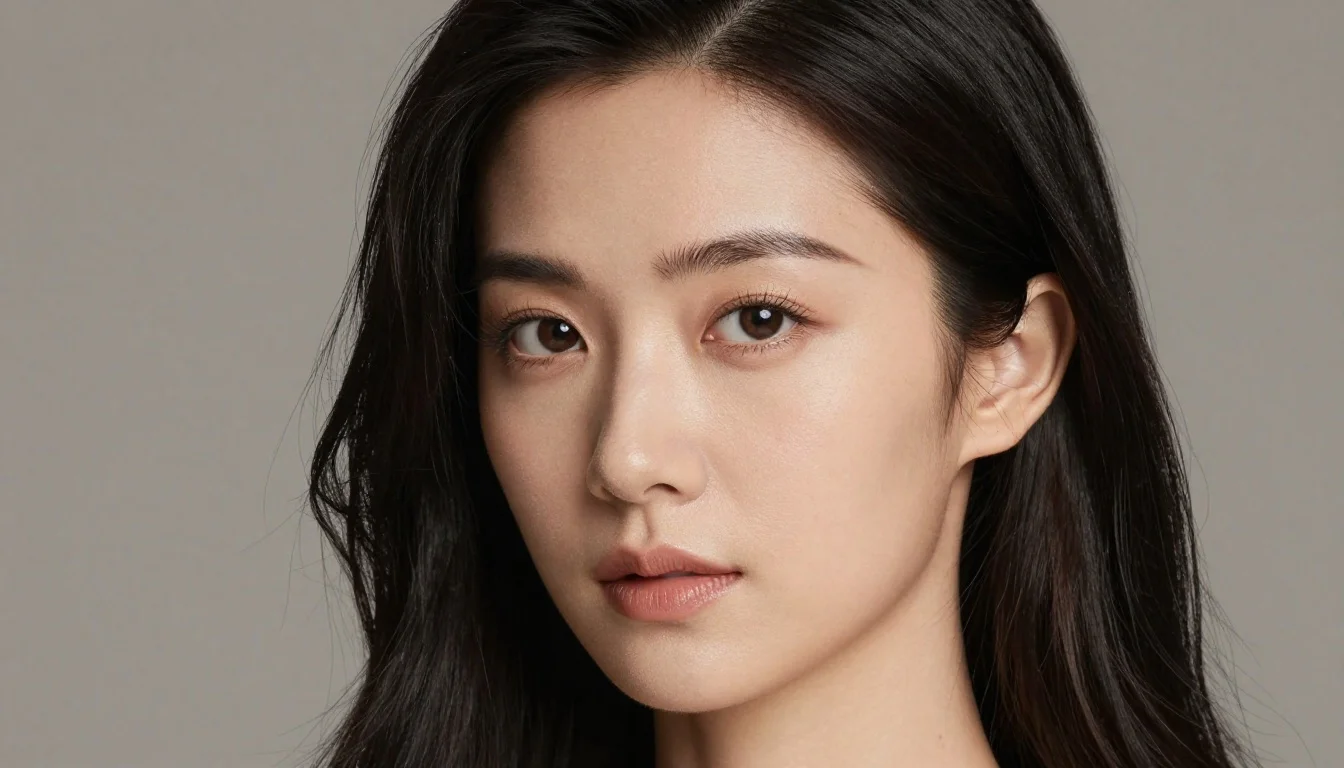
Dark hair has a natural advantage in professional dressing: its depth creates vivid contrast with almost any color worn near the face. The right work wardrobe amplifies this contrast potential — making dark hair look rich, defined, and striking. The wrong choices (dark clothing that matches hair depth, muddy midtones) lose the contrast advantage and let dark hair become a background rather than a feature.


3,000+
happy clients
Why Dark Hair Has Unique Professional Power
Dark hair has a natural advantage in professional dressing: its depth creates vivid contrast with almost any color worn near the face. The right work wardrobe amplifies this contrast potential — making dark hair look rich, defined, and striking. The wrong choices (dark clothing that matches hair depth, muddy midtones) lose the contrast advantage and let dark hair become a background rather than a feature.
Dark hair — whether deep brown, black-brown, or jet black — absorbs more light than lighter hair colors. This high light absorption means dark hair creates maximum contrast against lighter clothing colors. The contrast dynamic is a professional asset: white near dark hair creates a vivid, graphic look. Bright jewel tones against dark hair look more saturated and vivid than the same color against lighter hair. This contrast principle is the foundation of dark-hair professional dressing.
The depth of dark hair also means it benefits from color at both extremes — very light (white, cream, bright pastels) and very vivid (jewel tones, saturated colors) both create effective contrast, while mid-range colors can blend into the overall look without clear differentiation. Mid-grey, flat olive, and muddy brown clothing against dark hair creates visual confusion rather than polish.
The undertone of dark hair — whether warm (warm brown-black, mahogany-black) or cool (pure black, blue-black, ash-brown) — adds a refinement layer. Warm dark hair responds beautifully to warm colors (terracotta, burgundy, camel). Cool or pure black hair can wear both warm and cool colors effectively, with cool jewel tones creating the most striking professional combination.
What work colors look best with dark hair?
Bright white and warm ivory create the most vivid contrast near dark hair — the light-against-dark combination is the most striking professional look. Vivid jewel tones (sapphire, emerald, burgundy) appear more saturated against dark hair than any other hair color. Warm earth tones (terracotta, camel) flatter warm dark brown hair with resonance. The principle: either high contrast (light or vivid) or warm resonance — mid-range neutrals are the weakest choice.
Your Work Wardrobe Color Families
High Contrast Light Colors
Light colors near dark hair create the most vivid contrast combination in professional dressing. Bright white against very dark or black hair creates a graphic, high-fashion look with professional authority. Warm ivory creates similar contrast with a warmer, softer quality suited to warm-undertone skin. A white or ivory blouse under any blazer creates clean, vivid contrast with dark hair at the neckline. This light-near-dark combination is the foundation of the dark-hair professional look.
Vivid Jewel Tones
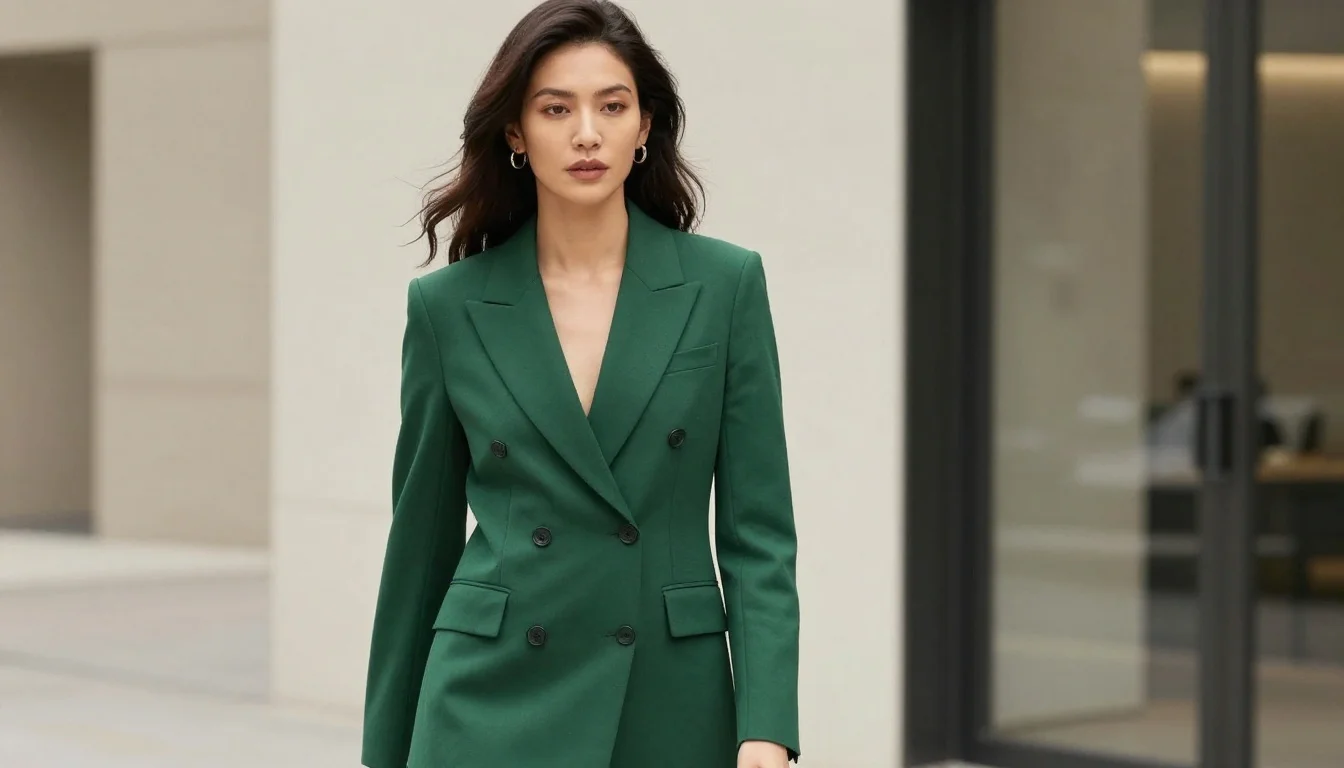
Vivid jewel tones look more saturated and intentional against dark hair — the deep backdrop makes colors appear more vivid and striking. A sapphire blazer on dark hair looks like a deliberate, powerful choice rather than simply a blue blazer. Emerald green creates a rich contrast. Vivid burgundy resonates with warm undertones in dark hair. Dark hair is the ideal backdrop for jewel tone statements — the contrast amplifies the color's impact. These tones make professional dressing feel authoritative.
Warm Earthy Tones
For dark hair with warm undertones (warm dark brown, mahogany-tinged black), earth tones create resonance alongside contrast — the warmth in the hair and the warmth in the clothing create a cohesive, glowing look. Terracotta on warm-dark hair is particularly striking. Camel creates the most versatile warm-professional contrast. Rust adds vivid warm color. These tones are most effective for dark brown hair; pure black hair may look more striking with higher-contrast or cooler colors.
Dark Anchors with Contrast
Dark hair can wear head-to-toe dark when the outfit has internal contrast — black blazer with white blouse creates a vivid black-and-white look that frames dark hair as part of a high-contrast total look. Deep charcoal with a bright jewel-tone accent works similarly. Navy with white detailing creates crisp professional contrast. The principle: dark anchor pieces work for dark hair when paired with a contrasting accent — they don't need warm or light colors to succeed.
Ready to see white & ivory on your face?
Start my color analysisHow to Build a Work Wardrobe for Dark Hair
The Dark Hair Contrast Principle
The most powerful professional rule for dark hair: always include one high-contrast element near the face. White blouse under any blazer. Bright jewel-tone blazer over a neutral outfit. A vivid scarf at the neckline with otherwise dark clothing. The contrast principle is what activates dark hair's depth — without contrast near the face, dark hair blends into the background. Apply this to every professional outfit.
Building a High-Contrast Core
Dark hair's professional core is built on maximum contrast: deep navy blazer with bright white blouse, black blazer with sapphire blouse, charcoal suit with warm ivory shirt. Each pairing has a deep anchor that provides professional authority paired with a contrasting element that activates the contrast with dark hair. Start with two or three contrast pairings and rotate them across the week. The impact is consistent and powerful.
Jewel Tones as Power Moves
A single vivid jewel-toned blazer is the most effective professional investment for dark hair — it transforms the contrast dynamic from dark-and-neutral to dark-and-vivid. Emerald green, sapphire blue, or deep teal blazer over white or ivory creates an immediately striking professional look. The jewel tone appears more saturated against dark hair than it would on any lighter hair color. Use it for high-stakes days — the impression is intentional authority.
Warm Dark Hair vs. Cool Dark Hair
Warm dark brown hair (with golden or mahogany warmth): prioritize warm contrast (camel, warm ivory) and warm jewel tones (burgundy, teal, forest green). Cool black or ash-black hair: both warm and cool contrast work — white, bright cool jewel tones (sapphire, plum), or warm contrasts (camel, terracotta) all create striking looks. Pure black hair has maximum flexibility. Dark brown hair benefits from warmth in the contrast color to avoid a too-cool, washed look.
Office Colors That Undermine Dark Hair
Dark clothing matching hair depth without contrast
All-dark outfits without contrast elements can make dark hair blend into the clothing — the lack of differentiation at the neckline creates a heavy, undefined look. Dark blazer over dark blouse over dark trousers loses the contrast advantage that dark hair provides. Always add one contrast element near the face: a white blouse under a dark blazer, a bright scarf, or a vivid jewel-tone accent at the neckline.
Flat mid-range browns and olive
Medium brown clothing near dark brown hair creates a tonal muddle — not enough contrast to frame the hair clearly, not enough warmth differentiation to create resonance. The same issue applies to flat olive and khaki near dark hair. If you want warm tones, go richer (deep burgundy, terracotta) or lighter (camel, warm ivory) rather than the flat mid-brown zone.
Muddy or muted colours with no depth
Very muted, low-saturation colors — dusty mauve, washed-out olive, dirty grey — lack the energy to interact effectively with dark hair's depth. They neither contrast nor resonate, creating a flat look that wastes dark hair's natural contrast potential. Choose either vivid colors (jewel tones, bright white) or rich deep ones (navy, forest green, deep burgundy).
Stop guessing — preview every look on you
See these looks on my photoWork Wardrobe Swaps for Dark Hair
Replacing contrast-wasting choices with ones that activate dark hair's depth.
Dark-on-dark loses contrast near the face. A contrasting blouse activates dark hair's depth for a more vivid, professional look.
Mid-range brown and olive blend with dark hair without contrast payoff. Deep navy and sapphire create the vivid contrast that frames dark hair with authority.
Muted colors lack energy next to dark hair. Vivid burgundy and teal have the depth and richness to create visible impact against dark hair's depth.
All-dark blends dark hair into the outfit. One contrast element near the face (white blouse, bright scarf) activates the contrast that makes dark hair striking.
Medium depth creates midtone blur with dark hair. Deep jewel tones or contrast prints have the energy to interact with dark hair's depth for a polished look.
Neutral scarves add little. A vivid or bright accent scarf near dark hair creates the contrast effect with minimal outfit change.
Which Seasonal Palette Are You?
Dark hair appears across warm-deep and cool-deep seasonal palettes. Your undertone and skin depth determine your specific season.
Deep Autumn
Learn moreDeep Autumn has very dark warm-brown hair with rich warm skin. Work palette: warm ivory contrast, terracotta, deep burgundy, forest green, cognac. Maximum warm depth.
Deep Winter
Learn moreDeep Winter has very dark or black hair with cool or neutral skin and high contrast. Work palette: bright white contrast, sapphire, cool plum, emerald, black. Maximum cool contrast.
Cool Winter
Learn moreCool Winter often has very dark hair with pale cool skin — the highest contrast combination. Work palette: stark white, true navy, sapphire, cool plum. Vivid contrast is your signature.
Build Your Perfect Work Wardrobe
Dark hair's depth is a professional asset — one that rewards the right color strategy with an immediately striking, intentional look. A personalized colour analysis identifies whether your dark hair sits in a warm or cool seasonal palette and maps it to the exact contrast colors and work wardrobe shades that maximize dark hair's natural depth and impact.
Stop guessing — preview every color on you
Preview Yourself In Your Palette
Get my personalized paletteStop guessing — preview every color on you
Preview Yourself In Your Palette
Related Guides for Work Outfits for Dark Hair
Explore more personalized color advice based on your features.
Want to see these colors on you? Virtual Hair Color Try-On — free to try.
Frequently Asked Questions About Work Outfits for Dark Hair
What work colors look best with dark hair?
Bright white and warm ivory create the most vivid contrast near dark hair — the light-against-dark combination is the most striking professional look. Vivid jewel tones (sapphire, emerald, burgundy) appear more saturated against dark hair than any other hair color. Warm earth tones (terracotta, camel) flatter warm dark brown hair with resonance. The principle: either high contrast (light or vivid) or warm resonance — mid-range neutrals are the weakest choice.
Should dark hair wear black to work?
Black works for dark hair when paired with a contrasting element near the face — white blouse under black blazer creates a powerful look. All-black without contrast can make dark hair blend into the outfit. The rule: always add contrast at the neckline. Black blazer + white blouse + dark trousers is a classic dark-hair professional formula.
What blazer works best for dark hair in the office?
Deep navy with a white blouse underneath is the most universally polished look for dark hair. Vivid jewel-tone blazers (sapphire, emerald, burgundy) create the most striking impact — dark hair makes jewel tones appear more vivid. Camel and warm ivory blazers create warm contrast for warm-dark-hair professionals. Avoid medium brown and flat olive blazers, which create midtone blur rather than contrast.
What patterns work for dark hair professionally?
High-contrast patterns — black and white, navy and white, vivid stripes, bold geometric — look particularly striking on dark hair because the hair provides a defined dark frame. The contrast in the pattern echoes the contrast between dark hair and lighter elements. Muted or tonal patterns in medium values blend into dark hair without the same impact.