Capsule Wardrobe forLow Contrast Coloring
Low contrast coloring looks best in harmonious, tonal palettes rather than sharp contrasts. Discover how to build looks with shades that actually flatter you.
Low contrast coloring — features that blend together softly rather than striking dramatically — has a quiet, harmonious quality. That quality is an asset, but it needs a wardrobe strategy that honors it. Stark color contrasts and graphic patterns look disconnected from low contrast features. Your capsule should be built around tonal harmony: colors that relate to each other as gently as your features relate to each other.


3,000+
happy clients
Why Low Contrast Coloring Needs a Tonal Approach
Low contrast coloring — features that blend together softly rather than striking dramatically — has a quiet, harmonious quality. That quality is an asset, but it needs a wardrobe strategy that honors it. Stark color contrasts and graphic patterns look disconnected from low contrast features. Your capsule should be built around tonal harmony: colors that relate to each other as gently as your features relate to each other.
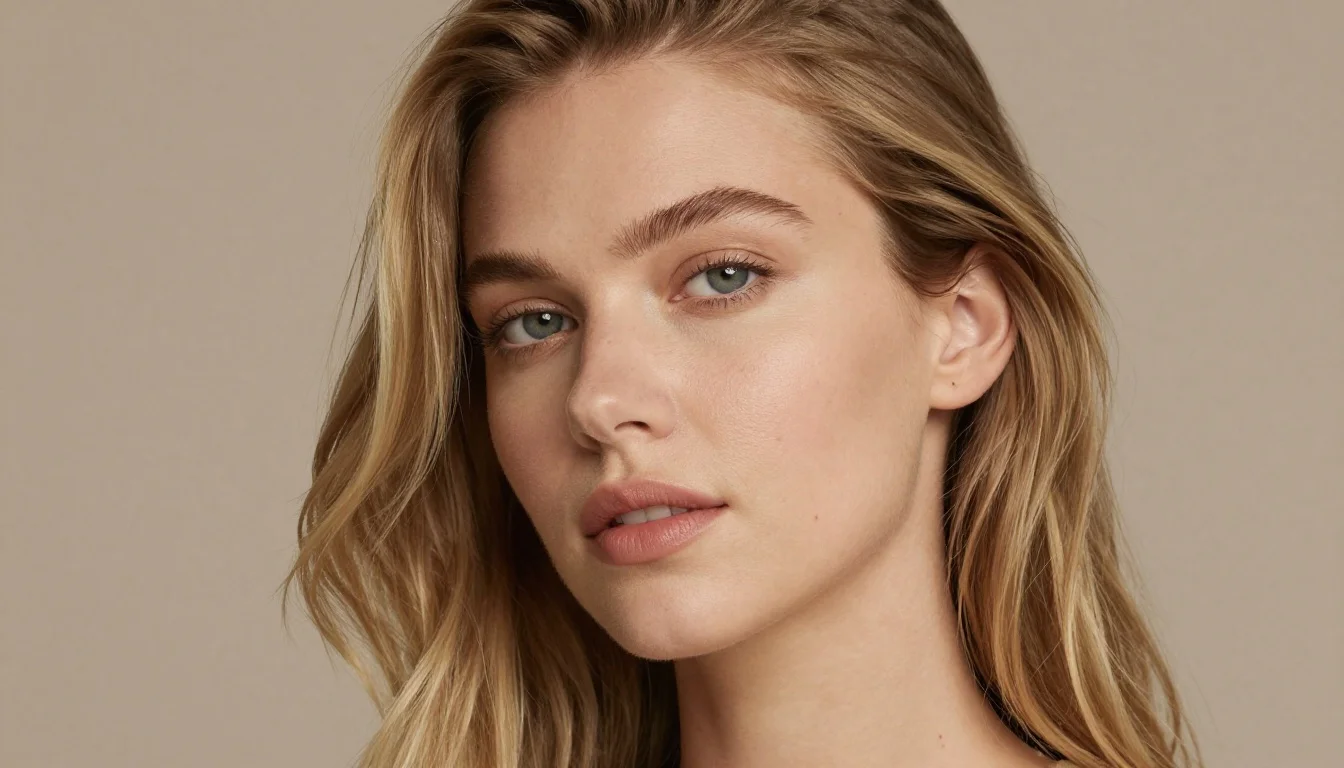
Low contrast coloring exists when the value difference between your hair, skin, and eyes is small. Blonde hair with light skin and light eyes. Warm brown hair with medium warm skin and hazel eyes. Features that exist in the same tonal range rather than opposing ends of the spectrum.
The wardrobe error low contrast people make most often is trying to add drama through stark color contrasts — black and white, very dark and very light, high-contrast patterns. These combinations feel disconnected because they introduce a graphic element that your natural coloring doesn't have.
Your best wardrobe speaks the language your coloring already speaks: tonal, harmonious, blended. This doesn't mean boring — tone-on-tone dressing in beautiful colors, softly layered palettes, and textured fabrics are all incredibly sophisticated. It means knowing what visual language you are fluent in.
What colors look best on low contrast coloring?
Low contrast coloring looks best in soft, muted colors in the same tonal family — dusty rose, warm cream, camel, powder blue, soft sage. The goal is tonal harmony rather than graphic contrast. Your 'bold' is a richly muted color, not a saturated bright.
Capsule Color Families for Low Contrast Coloring
Soft Warm Neutrals
Warm neutrals are the ideal foundation for a low contrast wardrobe — they create the blended, harmonious quality that your coloring already has. Cream and camel worn together feel tonal and intentional. Warm taupe provides depth without creating visual jumps. These work as standalone pieces or as the base of a layered look.
Muted Color Accents
Muted, softened colors are low contrast coloring's version of bold. Dusty rose is softer than hot pink but still registers as color. Soft terracotta has warmth and depth without sharpness. Muted sage is earthy and grounded. Choose these as your statement pieces — they add visual interest without the graphic punch that overwhelms your features.
Soft Cool Tones
If your low contrast coloring runs cool — ash or light blonde hair, cool or fair skin, blue or grey eyes — soft cool tones harmonize beautifully. Powder blue, soft grey-blue, and lavender all have the blended quality your coloring has. Choose them in flowing, soft fabrics that enhance the gentle quality.
Light to Medium Tones
The lighter end of your palette keeps your look fresh. Warm ivory is softer than crisp white — it doesn't create the same stark contrast with your features. Soft gold and pale peach add warmth and light without graphic intensity. These are best near the face, in tops and blouses that interact with your natural coloring.
Ready to see cream & camel on your face?
Start my color analysisBuilding Your Low Contrast Capsule
Tonal Foundation
Build your capsule base in a family of related warm or cool neutrals. For warm low contrast coloring: cream, camel, warm taupe, and soft sand. For cool low contrast coloring: warm white, soft grey, powder blue, and muted lavender. These pieces create the tonal foundation that your coloring responds to best.
Monochromatic Layering
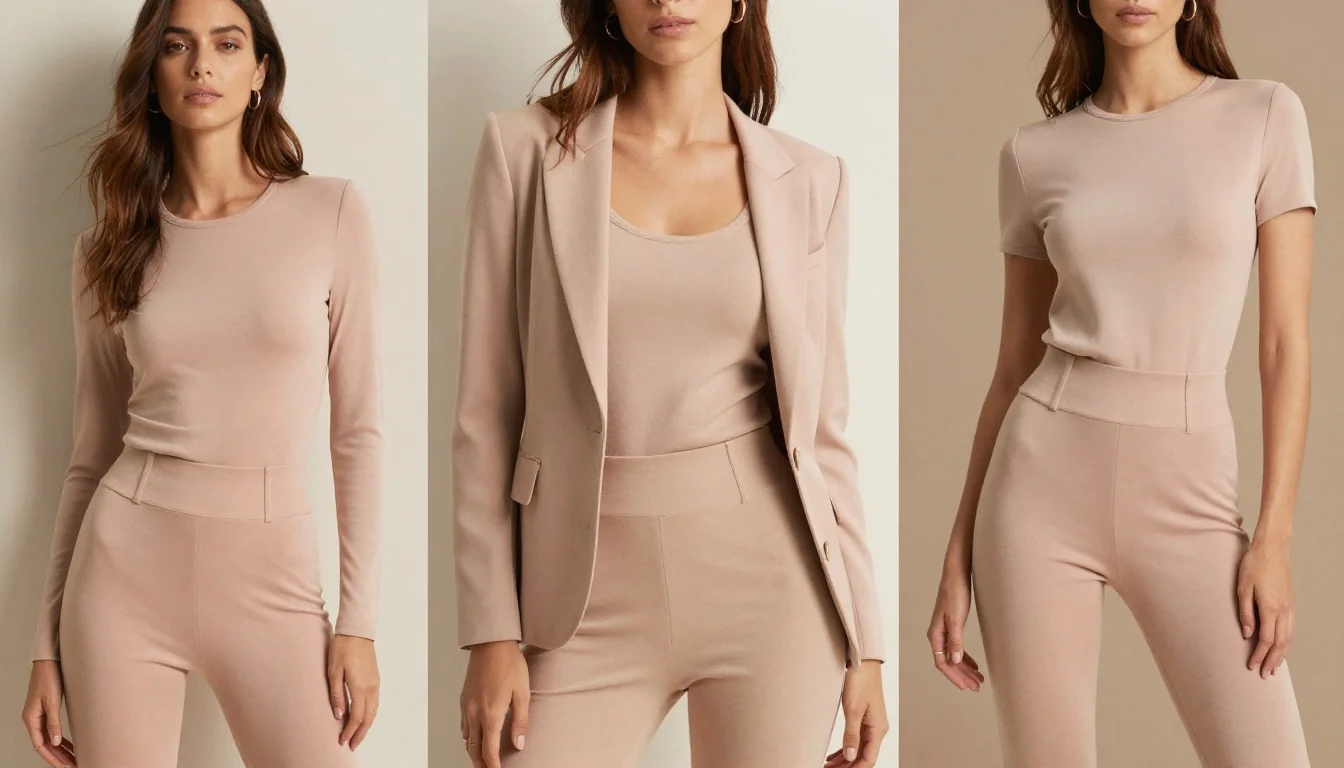
Tone-on-tone dressing — slightly different shades of the same color family — is your most powerful technique. Cream top with camel trousers. Soft sage blouse with deeper muted green trousers. Powder blue shirt with greyer blue jeans. The subtle depth creates interest while maintaining the tonal harmony your coloring already has.
Pattern Strategy
Choose patterns with soft internal contrast: subtle tone-on-tone weaves, watercolor-style prints, ditsy florals on a soft ground, and blended stripes in adjacent colors. These add visual interest without introducing the graphic sharpness that conflicts with low contrast coloring.
Accessories and Depth
Use accessories to deepen your look without introducing harsh contrast. A warm camel bag grounds a cream outfit without jumping visually. Soft gold or rose gold jewelry adds luminosity. A slightly deeper scarf in the same color family adds dimension. Avoid stark silver near the face if your coloring is warm-toned.
Colors That Fight Low Contrast Coloring
Stark black and crisp white combined
The most graphic combination — black and white together — introduces value contrast that low contrast coloring doesn't naturally have. Your features become a backdrop to the outfit rather than its focus. Use dark navy with ivory, or charcoal with warm white, for similar depth without the harshness.
Neon and fully saturated brights
Neon yellow, electric blue, and hot pink have a graphic intensity that overwhelms soft features. Your coloring becomes the backdrop to the color rather than the focus of the outfit. Muted, softened versions of the same hues — dusty rose instead of hot pink, sage instead of bright green — serve you far better.
High-contrast graphic patterns
Bold black-and-white stripes, graphic geometric prints, and high-contrast animal prints introduce visual noise that conflicts with low contrast coloring's harmony. Tone-on-tone patterns, subtle florals on soft backgrounds, and texture within a single color are far more effective.
Very dark with very light
Pairing very dark bottoms with very light tops — or vice versa — creates a visual cut that feels disconnected from low contrast features. The jump between tones is too large. Instead, pair pieces that exist closer together in value: medium with light, or deep with medium.
Stop guessing — preview every look on you
See these looks on my photoCapsule Color Swaps for Low Contrast Coloring
Replace harsh contrasts with harmonious alternatives that honor your natural coloring.
Black-and-white is the starkest combination. Camel and ivory create similar visual depth in a tonal palette that your coloring finds harmonious.
Crisp white creates a stark boundary against most low contrast skin tones. Warm cream sits closer to your natural tone and reads as softer and more harmonious.
Fully saturated red has high contrast intensity that overwhelms soft features. Rust and dusty rose carry warmth and interest with a muted quality that harmonizes.
High-contrast stripes fight the harmony of low contrast coloring. Subtle stripes within the same color family add interest while staying within your visual language.
True black over white is too graphic a combination. Navy and ivory, or charcoal and soft blush, create evening depth without the stark visual cut.
Silver has a cool sharpness that can feel disconnected from warm low contrast coloring. Soft gold harmonizes with warmth in skin and hair, adding luminosity rather than contrast.
Which Palette Might Be Yours?
Low contrast coloring appears in several seasonal palettes — your specific season depends on whether your coloring is warm or cool, and where your features fall in the tonal range.
Soft Summer
Learn moreLow contrast with cool or neutral undertones. Soft muted colors in the cool spectrum: dusty rose, soft mauve, greyed-out blue, and cool taupe. Features are harmonious and cool.
Soft Autumn
Learn moreLow contrast with warm undertones. Muted earthy warm colors: dusty peach, warm taupe, muted rust, and soft olive. Features blend warmly with visible warmth in skin.
Light Spring
Learn moreLow to medium contrast with warm, clear coloring. Light, warm, gentle colors: peach, warm white, light coral, and soft golden yellow. Features are light and gently warm.
Find Your Exact Colors
Knowing your coloring is low contrast is a helpful starting point — understanding your specific season unlocks the precise colors that work best for your unique combination. A personalized color analysis identifies your exact palette so you can build a wardrobe with confidence.
Stop guessing — preview every color on you
Preview Yourself In Your Palette
Get my personalized paletteStop guessing — preview every color on you
Preview Yourself In Your Palette
Related Guides for Capsule Wardrobe for Low Contrast Coloring
Explore more personalized color advice based on your features.
Want to see these colors on you? What Colors Look Good on Me — free to try.
Frequently Asked Questions About Capsule Wardrobe for Low Contrast Coloring
What colors look best on low contrast coloring?
Low contrast coloring looks best in soft, muted colors in the same tonal family — dusty rose, warm cream, camel, powder blue, soft sage. The goal is tonal harmony rather than graphic contrast. Your 'bold' is a richly muted color, not a saturated bright.
Can low contrast people wear dark colors?
Yes, but with care. Very dark colors can work when paired with medium rather than very light tones — the jump should not be too extreme. Deep navy with warm ivory is workable; true black with bright white creates too much visual jump for most low contrast coloring.
Is low contrast coloring the same as looking washed out?
No. Low contrast coloring refers to the relationship between your features — hair, skin, and eyes — not whether you look washed out. The right colors for low contrast coloring look harmonious and polished, not washed out. Looking washed out happens when the wrong colors (very harsh contrasts or very draining colors) are worn, not when your natural coloring is low contrast.
What patterns work for low contrast coloring?
Patterns with soft internal contrast work best: tone-on-tone weaves, watercolor florals, subtle ditsy prints on a soft background, and stripes in adjacent related colors. Avoid stark black-and-white or high-value-contrast patterns, which introduce a graphic element your coloring doesn't have.
How do I add visual interest without high contrast?
Texture is your best tool — richly textured fabrics like boucle, ribbed knits, linen, and woven patterns create visual depth without color contrast. Monochromatic layering in slightly different shades of the same color adds dimension. Small doses of a muted accent color also create interest within a harmonious palette.