Build a Wardrobe Around YourLow Contrast Coloring
Build a wardrobe that honors low contrast coloring — soft, refined, and intentional. Discover how to build looks with shades that actually flatter you.
Low contrast coloring — where your hair, skin, and eyes sit in a similar range of lightness and saturation — creates a naturally soft, harmonious look. This coloring type isn't a problem to solve; it's a design system. The wardrobe challenge is understanding what low contrast coloring needs: not high drama and bold contrast (which overwhelm it), but refined, tonal dressing that amplifies its inherent softness into something that looks deliberately elegant. This guide covers exactly that.


3,000+
happy clients
Why Low Contrast Coloring Needs Its Own Wardrobe Strategy
Low contrast coloring — where your hair, skin, and eyes sit in a similar range of lightness and saturation — creates a naturally soft, harmonious look. This coloring type isn't a problem to solve; it's a design system. The wardrobe challenge is understanding what low contrast coloring needs: not high drama and bold contrast (which overwhelm it), but refined, tonal dressing that amplifies its inherent softness into something that looks deliberately elegant. This guide covers exactly that.
Low contrast coloring means your natural features — hair, skin, eyes, eyebrows — don't have dramatic differences in light and dark. A blonde with fair skin and light eyes, a medium brunette with medium-olive skin and hazel eyes, or a person with warm dark hair and warm dark skin all can have low contrast coloring if the overall visual range is narrow rather than wide.
This coloring type is frequently misunderstood. People with low contrast coloring are often told they look washed out — but the issue isn't their coloring, it's that they're wearing the wrong contrast level. High contrast outfits (black blazer with white shirt, bright jewel tones against neutral base) overwhelm low contrast coloring. The features get lost in the outfit's drama rather than being framed by it.
Low contrast coloring is at its most striking in outfits that match its harmony: tonal dressing in the same value family, soft-depth colors rather than extremes, and pattern with low contrast rather than graphic high-contrast prints. The result — when done intentionally — looks refined, elegant, and entirely deliberate.
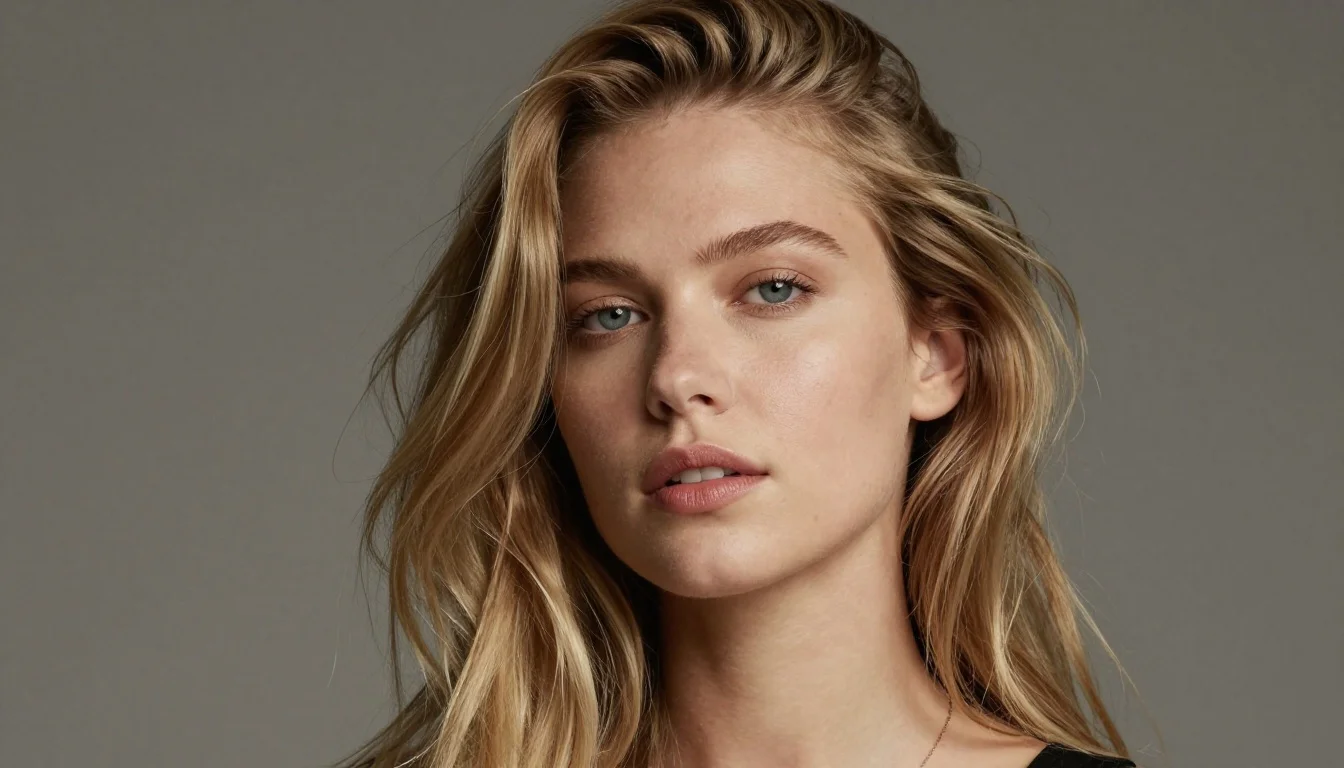
What outfits work best for low contrast coloring?
Low contrast coloring looks most polished in tonal outfits within a harmonious color range, muted pastels and mid-depth colors in the undertone direction (warm or cool), medium-depth anchors like slate blue or dusty olive, and subtle pattern or texture rather than graphic high-contrast prints. The core principle: your outfit's contrast level should match your coloring's contrast level — softer and more harmonious rather than bold and dramatic.
Your Core Wardrobe Colors
Tonal Neutrals in Your Natural Value Range
Tonal dressing — wearing pieces in similar values and undertones — is the signature strategy for low contrast coloring. A warm stone blazer over an ivory blouse with camel trousers creates a cohesive, tonal look where the outfit's harmony echoes the natural harmony of your coloring. The warmth within these neutrals keeps the look from going flat. These are your foundational pieces: use them to build outfits that feel effortlessly coordinated rather than trying to create contrast.
Soft, Muted Colors in Your Undertone Direction
Soft, muted colors in the mid-depth range work beautifully for low contrast coloring because they have enough presence to be seen without jarring contrast. The key word is 'muted' — these are not bright or vivid versions, but softened, slightly grayed versions that have personality without intensity. A dusty rose blouse, a sage blazer, a soft periwinkle dress all add color to a look without overwhelming low contrast features. Choose colors in your undertone direction: warm muted tones for warm low-contrast coloring, cool muted tones for cool.
Medium-Depth Anchors
Low contrast coloring can use medium-depth anchors — not the darkest darks, but colors with enough depth to provide gentle structure without dramatic contrast. Slate blue as a blazer provides more definition than the lightest tones without the harshness of black or vivid navy. Dusty olive trousers add grounding. Warm medium grey works as a neutral anchor. These medium-depth pieces are your outerwear and structured layers — they provide enough contrast to define the outfit shape without overwhelming your coloring.
Texture and Subtle Pattern
When color contrast isn't your primary tool, texture and subtle pattern add visual interest without disrupting tonal harmony. A fine herringbone blazer in tonal grey-and-camel, a tone-on-tone blouse with subtle texture, or a soft stripe in harmonious tones all create visual interest appropriate for low contrast coloring. The texture adds depth; the tonal palette keeps the harmony. These pieces are the low-contrast alternative to bold prints.
Ready to see stone & camel on your face?
Start my color analysisHow to Build Outfits for Low Contrast Coloring
The Tonal Dressing Formula
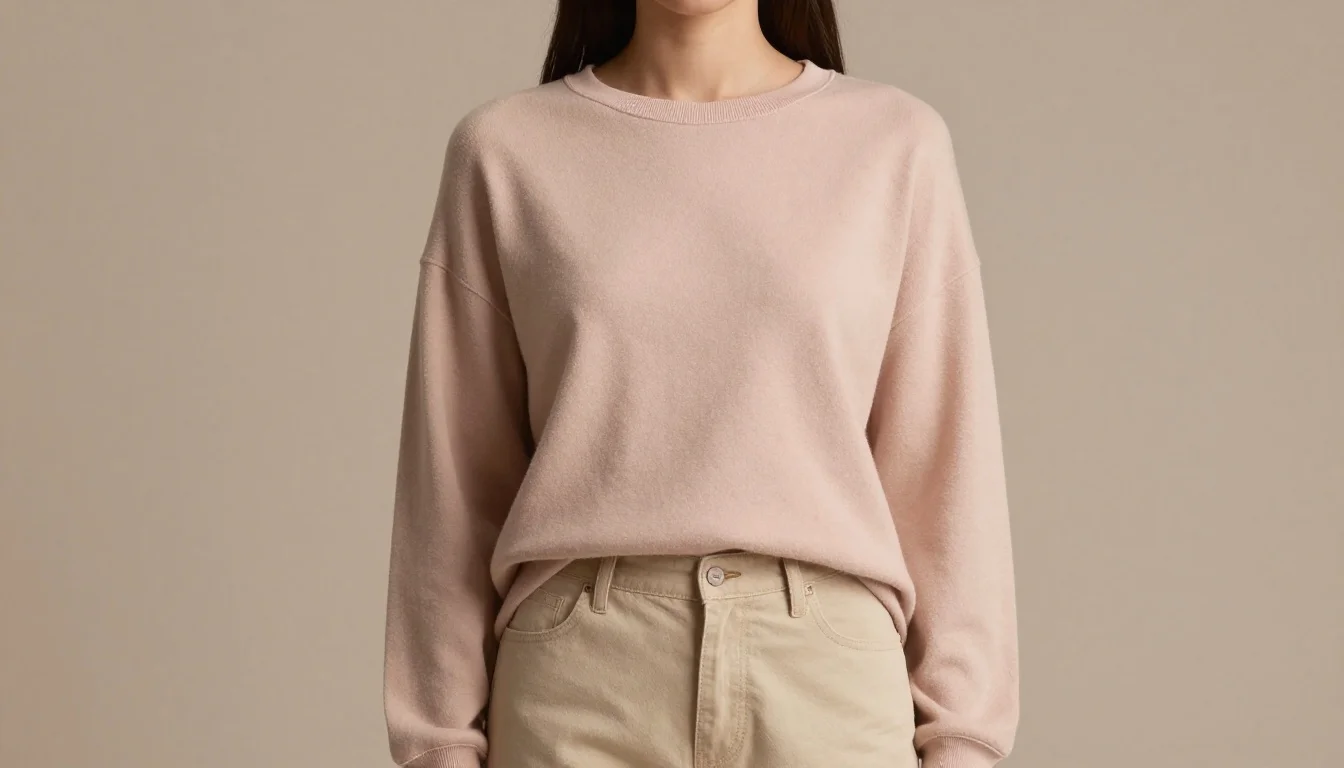
Low contrast coloring is made for tonal dressing. Choose a color family — warm neutrals, cool dusty pastels, soft earth tones — and build an entire outfit within that family, varying the depth slightly from piece to piece. A warm ivory blouse, soft camel cardigan, and oat-colored wide-leg trousers is a complete tonal outfit that looks intentional and elegant on low contrast coloring. The outfit's harmony echoes your coloring's harmony rather than fighting it.
Adding Definition Without Drama
The way to add definition to a low contrast outfit without high contrast: use medium-depth pieces as anchors. A slate blue blazer over an ivory blouse with stone trousers adds enough depth to structure the outfit without jarring contrast. A dusty olive coat over a similar-value blouse and trousers creates definition through depth. The medium-depth piece provides the structure; the rest of the outfit stays within a harmonious range. This creates outfit architecture without drama.
Color as Accent, Not Statement
Low contrast coloring uses color differently than high contrast coloring. Where high contrast coloring can wear a vivid jewel tone as a full dress, low contrast coloring uses that color as a soft accent — a dusty rose scarf with a stone outfit, a sage cardigan over cream pieces, a muted periwinkle as one layer in a tonal look. Color adds personality and warmth to tonal dressing without creating the jarring contrast that overwhelms low contrast features.
Accessories and Jewelry Strategy
Accessories and jewelry should stay in the tonal family for low contrast coloring. Gold in warm yellow-gold, silver-grey for cool coloring — choose based on undertone rather than stark contrast. Avoid jet-black accessories or very bright, highly saturated bags and shoes, as these create the same high-contrast problem as bold outfit colors. A warm camel bag, soft stone shoes, or a delicate gold-tone necklace completes a tonal look without adding jarring contrast.
Colors That Work Against Low Contrast Coloring
Stark black-and-white combinations
High-contrast color combinations — particularly stark black and stark white together — overwhelm low contrast coloring. The outfit becomes the visual statement and the person wearing it disappears inside it. Low contrast features look small and undefined against very high-contrast outfit contrast. Avoid all-black as a top layer, stark white-and-black combinations, and any outfit where the color contrast in the clothes significantly exceeds the contrast in your natural coloring.
Vivid saturated brights
Vivid, highly saturated colors — neon, vivid jewel tones, bright red, electric blue — have too much intensity for low contrast coloring. They overpower the face rather than framing it. If you want color, choose the muted, dusty version of the same hue: dusty teal instead of electric teal, wine instead of vivid red, dusty periwinkle instead of electric blue. The saturation level in your palette should roughly match the saturation level in your natural coloring.
Bold graphic high-contrast prints
Bold graphic prints with high color contrast — black-and-white stripes, vivid geometric patterns, high-contrast florals — create the same problem as black-and-white color combinations. The print overwhelms low contrast features. Choose prints with tonal, low-contrast color relationships: a tone-on-tone stripe, a subtle floral in muted colors, a soft geometric in harmonious mid-tones.
Stop guessing — preview every look on you
See these looks on my photoYour Wardrobe, Upgraded
Specific swaps that make low contrast coloring look refined and intentional rather than washed out
Black creates too much contrast against low contrast coloring, overwhelming the face. Slate or dusty olive provide structure and depth at a contrast level that works with soft coloring.
Vivid colors overwhelm low contrast coloring. Muted, softened versions of the same colors have personality without the intensity that drowns soft features.
Black-and-white has too much contrast for low contrast coloring. Ivory-and-stone creates outfit harmony that mirrors and amplifies natural coloring rather than fighting it.
A black coat creates a high-contrast dark anchor that overwhelms soft coloring. A camel or slate coat provides depth at an appropriate contrast level that works with low contrast features.
Graphic high-contrast print creates visual noise that overwhelms low contrast features. A tonal or muted scarf adds interest through texture and subtle color rather than contrast.
High-contrast graphic outfits overwhelm low contrast coloring. A muted, mid-depth single color dress creates enough presence without the contrast issue.
Which Seasonal Palette Fits Low Contrast Coloring?
Low contrast coloring most commonly aligns with Summer or Autumn seasonal palettes, and specifically with the 'Soft' and 'Light' sub-seasons that emphasize muted, harmonious color relationships. Your exact season depends on the temperature direction of your coloring.
Soft Summer
Learn moreCool or neutral-toned low contrast coloring — medium-cool hair, medium-light skin, soft eyes — often fits Soft Summer. Your palette is cool and muted throughout: dusty rose, muted teal, soft lavender, greyed navy, dusty periwinkle. Warm or vivid tones feel harsh — your strength is in cool-muted harmony.
Light Summer
Learn moreVery fair, cool-toned, low-contrast coloring — ash blonde hair, light cool skin, pale eyes — often fits Light Summer. Your palette is cool, soft, and light: powder blue, muted lavender, soft rose, light grey-blue, pale mint. Depth and warmth both overwhelm — your palette is delicate and cool.
Soft Autumn
Learn moreWarm-toned low contrast coloring — medium warm-brown hair, medium warm skin, soft hazel or brown eyes — often fits Soft Autumn. Your palette is warm and muted: dusty teal, muted olive, warm dusty rose, soft camel, sage. Your warmth comes through in softer, dustier earth tones rather than vivid ones.
Light Spring
Learn moreFair, warm-toned low contrast coloring — light golden hair, warm fair skin, light warm eyes — often fits Light Spring. Your palette is warm, light, and clear rather than muted: warm ivory, peach, warm aqua, light gold, warm coral. More warmth and brightness than Summer, but still light and not overly deep.
Find Your Exact Low Contrast Palette
These recommendations are built for low contrast coloring as a category — but your exact palette depends on whether your coloring is warm or cool and how light or medium the overall range is. A personalized color analysis identifies your seasonal palette and shows you the precise muted, harmonious shades within each color family that work best for your specific coloring.
Stop guessing — preview every color on you
Preview Yourself In Your Palette
Get my personalized paletteStop guessing — preview every color on you
Preview Yourself In Your Palette
Related Guides for Outfits for Low Contrast Coloring
Explore more personalized color advice based on your features.
Want to see these colors on you? What Colors Look Good on Me — free to try.
Frequently Asked Questions About Outfits for Low Contrast Coloring
What outfits work best for low contrast coloring?
Low contrast coloring looks most polished in tonal outfits within a harmonious color range, muted pastels and mid-depth colors in the undertone direction (warm or cool), medium-depth anchors like slate blue or dusty olive, and subtle pattern or texture rather than graphic high-contrast prints. The core principle: your outfit's contrast level should match your coloring's contrast level — softer and more harmonious rather than bold and dramatic.
Why do bold colors overwhelm low contrast coloring?
Vivid, saturated colors and high-contrast combinations overwhelm low contrast coloring because the outfit's drama significantly exceeds the natural drama of the coloring. The face gets lost inside the visual statement of the clothing. Low contrast coloring needs colors with enough presence to be seen but enough softness to stay in the same visual register as the natural features — muted mid-depths rather than vivid extremes.
Should low contrast coloring avoid black?
Black as an accent — shoes, belt, bag — works fine for low contrast coloring. Black as a top-layer garment closest to the face creates too much contrast. A black blazer over a white blouse (high contrast combination) overwhelms low contrast features. If you want a dark anchor, choose medium-depth alternatives: slate grey, dusty olive, soft navy — these provide structure without the stark contrast that black creates.
What seasonal palette is low contrast coloring?
Low contrast coloring most commonly belongs to Summer or Soft/Light Autumn palettes. Soft Summer and Soft Autumn are the classic low-contrast seasonal palettes — both emphasize muted, harmonious color relationships. Light Summer and Light Spring fit low contrast coloring that is also very light overall. High contrast seasonal palettes (Winter seasons, Bright Spring) are not typical for low contrast coloring.
How can low contrast coloring look more defined?
Add definition without drama by using medium-depth pieces as anchors (slate blue blazer instead of black), choosing the deeper version of your natural color range rather than the lightest (soft navy instead of powder blue), and adding texture and subtle pattern rather than high-contrast prints. Accessories near the face — a well-chosen scarf, jewelry in a warm metal — also add definition. Good fit and tailoring add structure independent of color.