Best Colors forTan Skin
Tan skin has rich warm undertones and natural radiance. Discover which shades flatter you most — and which to skip.
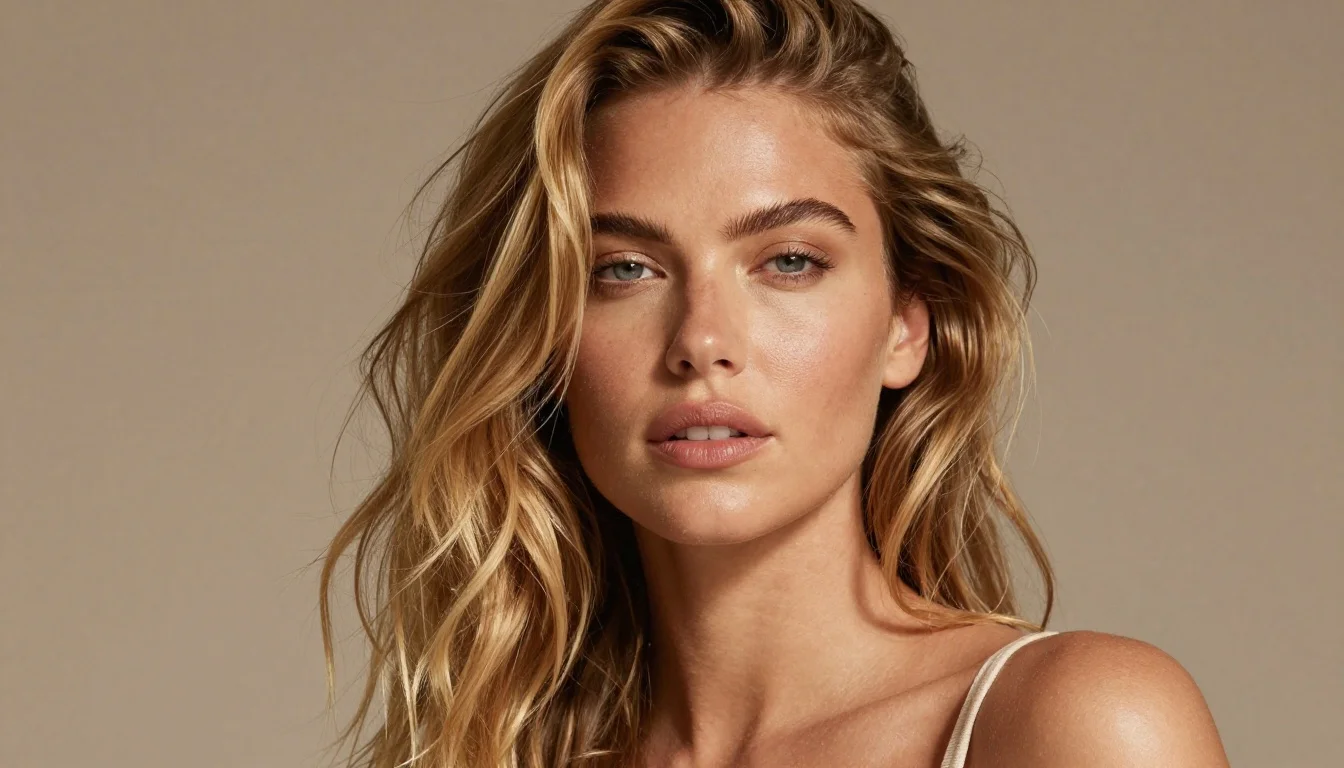
Tan skin sits in the warm-medium range of the complexion spectrum — rich enough to carry depth, light enough to show contrast. The best colors for tan skin either amplify its warmth or create a vivid complementary contrast. Get it right and your skin looks sun-kissed and radiant. Get it wrong and even the most beautiful tan looks washed-out or muddy.


3,000+
happy clients
Why Tan Skin Has Specific Color Needs
Tan skin sits in the warm-medium range of the complexion spectrum — rich enough to carry depth, light enough to show contrast. The best colors for tan skin either amplify its warmth or create a vivid complementary contrast. Get it right and your skin looks sun-kissed and radiant. Get it wrong and even the most beautiful tan looks washed-out or muddy.
Tan skin typically has warm to neutral undertones — golden, olive, or peachy — with medium depth. That warm quality is its defining feature. Colors that harmonize with warmth create a glowing, cohesive look. Colors that clash with warmth create a muddy, off-key appearance.
Unlike very fair or very dark skin, tan skin occupies the middle-depth range where both contrast strategies work. You can go vivid-and-warm for a cohesive glow, or cool-and-vivid for striking contrast. The mid-depth means neither strategy overwhelms — tan skin has enough pigment to hold its own against bold colors.
The common mistake is choosing colors that are too close in warmth and depth to tan skin itself — camel, warm beige, sandy yellows. These colors sit in the same warmth register as tan skin without creating meaningful contrast or amplifying warmth, resulting in a flat, undifferentiated look.
What colors look best on tan skin?
Warm earth tones (terracotta, rust, cognac), vivid jewel tones (cobalt, emerald, violet), warm brights (coral, red, fuchsia), and deep rich darks (chocolate, burgundy, forest green) all look excellent on tan skin. The common factor is either warmth resonance or vivid contrast — both strategies amplify tan skin's natural glow.
Your Most Flattering Color Families
Warm Earth Tones
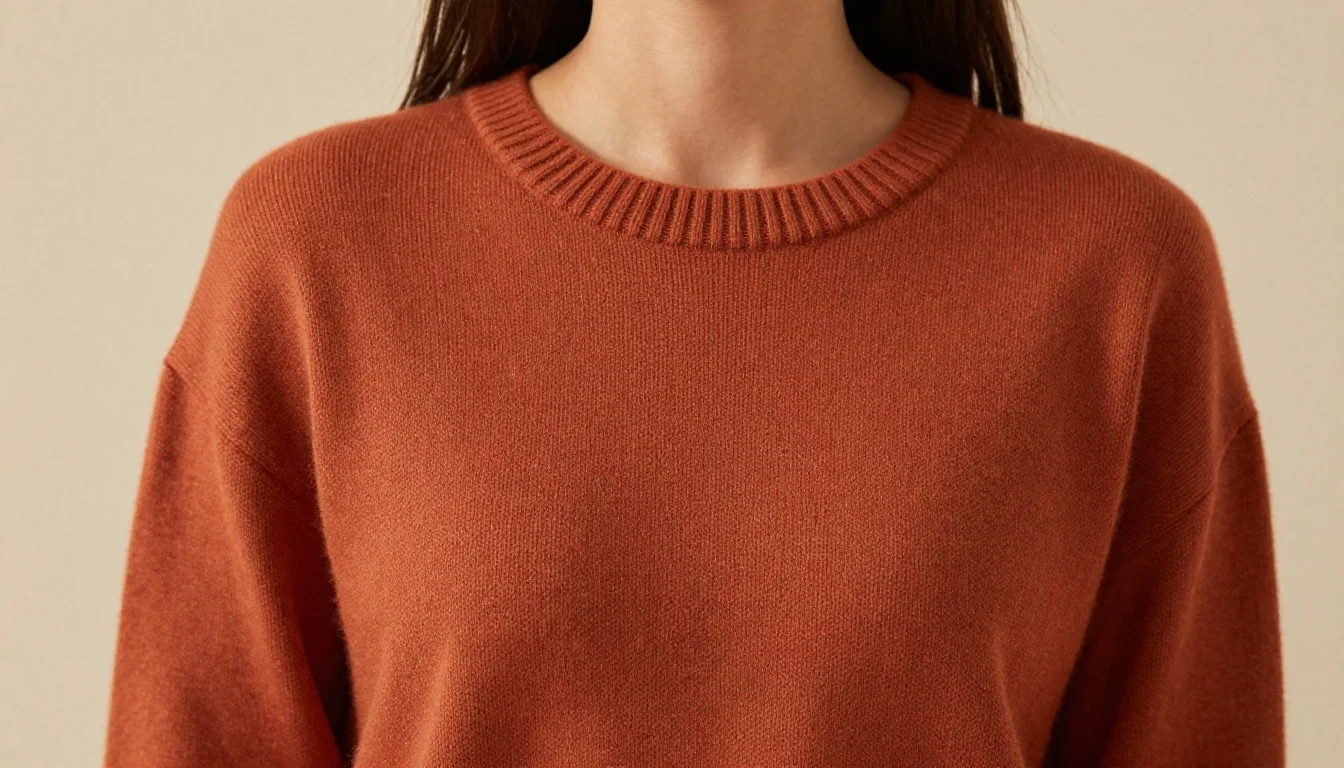
Warm earth tones create a resonant, cohesive glow against tan skin by harmonizing with its natural warmth. Deep terracotta is particularly powerful — it amplifies the golden-warm quality in tan skin while remaining distinct from it. Rich rust and warm cognac work similarly. These colors don't compete with tan skin; they make it look more intentional, more vibrant, and more luminous.
Vivid Jewel Tones
Vivid jewel tones create maximum cool-warm contrast against tan skin's warmth, making the skin appear more golden and radiant by comparison. Cobalt blue next to tan skin creates a striking visual tension that makes both the skin and the color more vivid. Deep emerald adds richness and contrast simultaneously. These work because they're saturated enough to stand out against tan skin's warmth without fighting it.
Warm Brights
Warm brights amplify tan skin's natural warmth through resonance. Vivid coral sits at the intersection of orange and pink, harmonizing perfectly with golden-tan undertones while providing saturation and contrast. Warm red creates a glow effect — tan skin next to a warm red looks sun-kissed and luminous. These colors work because they share tan skin's warm register while being more vivid and saturated than the skin itself.
Deep Rich Darks
Deep, rich darks create the depth contrast that makes tan skin appear glowing and luminous by comparison. Chocolate brown creates a tonal richness that resonates with warm tan skin while providing real contrast. Deep burgundy — warm and dark simultaneously — is especially powerful: the warm-dark quality amplifies tan skin's warmth while creating visual weight. Forest green provides cool-dark contrast that makes tan skin look golden.

Ready to see terracotta & rust on your face?
Start my color analysisHow to Dress Tan Skin for Maximum Glow
Warm-toned days
Lead with terracotta, rust, or warm coral near your face for an effortless, cohesive warmth that makes tan skin appear radiant. A rich terracotta knit with dark denim is one of the most flattering casual combinations for tan skin — the color amplifies the skin's warmth while the dark denim adds contrast at the bottom. Warm earth tones near the face do the most work for the skin with the least effort.
High-contrast looks
For maximum visual impact, pair tan skin with vivid cobalt blue or deep emerald. The cool-warm contrast makes the skin appear more golden and the colors more vivid. A cobalt blue silk blouse against tan skin is one of the most striking combinations in color dressing — the temperature contrast is immediate and powerful. This approach works especially well for evenings and occasions.
Professional settings
In professional environments, deep burgundy or rich forest green blazers create a polished look that works beautifully with tan skin. Burgundy reads as sophisticated and warm-elegant — the depth provides authority while the warmth resonates with tan skin. Avoid standard beige or camel blazers which create a flat, colorless professional look. Navy works when it's deep and vivid rather than dusty or faded.
White and bright accents
Stark white creates striking contrast against tan skin — more so than against lighter complexions. A crisp white shirt or blouse near tan skin looks clean and luminous, providing maximum light-dark contrast. Bright ivory also works, though pure white has more visual punch. White near tan skin is one of the most effortless wardrobe choices: it always looks intentional and creates an immediate glow effect.
Colors That Dull Tan Skin
Warm sandy yellow and camel
Warm sandy tones sit in the same warmth register as tan skin without providing meaningful contrast. The result is a low-contrast, monochromatic look where skin and clothing blend into one undifferentiated warm zone. Tan skin needs either a deeper version of warmth (terracotta, rust) or complementary contrast (jewel tones) — sandy yellow provides neither.
Chalky pale pastels
Very pale, chalky pastels — powder pink, pale lavender, dusty peach — lack the saturation to show distinctly against tan skin. They create a washed-out, faded effect where the clothing lacks visual presence against the richness of tan skin. If you want pastels, choose saturated, clear versions with real color depth rather than chalky, faded ones.
Warm beige and greige
Beige and greige are the neutrals that disappear most completely against tan skin. They share enough warmth with tan skin to blend in without providing any contrast or amplification. Tan skin in warm beige looks flat and dull — there's no visual story to tell. Choose white for a light neutral (maximum contrast) or terracotta for a warm neutral (depth and resonance).
Stop guessing — preview every shade on you
See myself in my colorsSwaps That Make Tan Skin Glow
Trading the colors that dull tan skin for ones that amplify its natural warmth and radiance.
Sandy yellow blends into tan skin's warmth without contrast. Terracotta deepens and amplifies the warm glow; coral creates vivid warm resonance.
Camel creates zero contrast against warm tan skin. Burgundy adds depth and warm resonance; forest green creates cool-warm contrast that makes tan skin appear golden.
Dusty beige disappears against tan skin. Cognac and rust amplify warmth with depth, creating a rich, intentional look.
Pale lavender lacks saturation for tan skin. Cobalt creates striking cool-warm contrast that makes tan skin look luminous; violet adds dramatic depth.
Champagne blends into warm skin tones. Emerald creates vivid contrast; deep copper resonates with tan skin's warmth in evening light beautifully.
Warm ivory is too close to tan skin's warmth. Stark white creates maximum contrast and makes tan skin look radiantly golden beside it.
Which Palette Might Be Yours?
Tan skin appears across several seasonal palettes. Your exact season is determined by your undertone (warm, cool, or neutral), your hair and eye colors, and the depth and quality of your tan.
Warm Autumn
Learn moreIf your tan skin has a distinctly golden or bronze undertone, your hair is warm brown or dark, and earth tones feel most alive on you, Warm Autumn may be your palette. Your colors are warm, rich, and muted-deep: cognac, rust, warm olive, deep terracotta, and warm burgundy.
Warm Spring
Learn moreIf your tan skin is warm with a clear, light quality — golden but not deeply pigmented — your hair is warm medium-brown or warm blonde, and warm brights feel most alive, Warm Spring may fit. Your palette is warm and clear: coral, peach, warm gold, clear olive, and bright warm teal.
Deep Autumn
Learn moreIf your tan skin is deep and richly pigmented with warm undertones, your hair is dark brown or black, and you look most powerful in deep warm colors, Deep Autumn may be your season. Your palette is warm and deep: dark rust, deep cognac, rich forest green, and warm wine.
Find Your Exact Colors
Tan skin responds powerfully to color — the difference between the right and wrong shades is immediately visible. Your specific palette depends on whether your tan runs warm-golden, olive-neutral, or warm-peachy, what your hair and eye colors contribute, and your exact depth. A personalized color analysis identifies the shades that make your tan skin look its most radiant and intentional.
Stop guessing — preview every color on you
Preview Yourself In Your Palette
Get my personalized paletteStop guessing — preview every color on you
Preview Yourself In Your Palette

Related Guides for Best Colors for Tan Skin
Explore more personalized color advice based on your features.
Want to see these colors on you? What Colors Look Good on Me — free to try.
Frequently Asked Questions About Best Colors for Tan Skin
What colors look best on tan skin?
Warm earth tones (terracotta, rust, cognac), vivid jewel tones (cobalt, emerald, violet), warm brights (coral, red, fuchsia), and deep rich darks (chocolate, burgundy, forest green) all look excellent on tan skin. The common factor is either warmth resonance or vivid contrast — both strategies amplify tan skin's natural glow.
What colors should tan skin avoid?
Sandy yellow, warm beige, camel, and chalky pale pastels all tend to flatten tan skin. These colors either sit too close to tan skin's own warmth (creating a monochromatic, low-contrast look) or lack the saturation to show up distinctly against the skin's richness.
Does white look good on tan skin?
Absolutely — stark white is one of the most flattering choices for tan skin. The maximum contrast between white and warm-tan skin creates an immediate glow effect, making the skin appear more golden and radiant. Crisp white shirts, blouses, and dresses look striking against tan skin.
What jewel tones work for tan skin?
Vivid cobalt blue, deep emerald, rich violet, and bold teal all create beautiful cool-warm contrast against tan skin. The vividness is key — these colors need to be saturated and clear rather than muted or dusty. The temperature contrast between cool jewel tones and warm tan skin makes both elements appear more vivid.
What season is tan skin?
Tan skin most commonly appears in Warm Autumn, Warm Spring, or Deep Autumn seasonal palettes. Warm Autumn suits golden-tan skin with muted-warm preferences. Warm Spring suits lighter golden-tan with clear warm colors. Deep Autumn suits deeply pigmented warm-tan. Your hair color, eye color, and exact undertone determine the specific season.
Do earth tones work for tan skin?
Deep, rich earth tones — terracotta, rust, cognac, burnt sienna — work beautifully for tan skin by resonating with and amplifying its warmth. The key is depth: pale or sandy earth tones blend into tan skin without contrast, but deep, saturated earth tones create warmth with visual weight. Think deep terracotta, not sandy tan.