High Contrast vs Low Contrast:What It Means for Your Wardrobe
High contrast and low contrast coloring determine how much visual difference you can handle in an. Discover how to find the colors that actually flatter your coloring.
Contrast level is the second most important axis of color analysis after undertone — and the most frequently ignored. It describes the degree of difference between your skin, hair, and eye colors. High contrast coloring features strong, distinct differences between these features: think jet black hair with very fair skin. Low contrast coloring features features that are all in a similar tonal range. The contrast level of your natural coloring determines how much color contrast your outfits can handle before it overwhelms or underwhelms you.


3,000+
happy clients
Why Contrast Level Changes What Looks Intentional vs Overwhelming
Contrast level is the second most important axis of color analysis after undertone — and the most frequently ignored. It describes the degree of difference between your skin, hair, and eye colors. High contrast coloring features strong, distinct differences between these features: think jet black hair with very fair skin. Low contrast coloring features features that are all in a similar tonal range. The contrast level of your natural coloring determines how much color contrast your outfits can handle before it overwhelms or underwhelms you.
When you wear an outfit, the contrast level within your clothing creates a frame around your face. If that contrast level is much higher than your natural coloring, the outfit dominates and your face can look washed out or overwhelmed — people see the clothes before they see you. If the contrast level is much lower, the outfit can look flat and forgettable against more vivid coloring.
High contrast coloring — vivid eyes against fair skin, or dark features against light skin — creates its own visual drama. These people can wear high-contrast outfits (black and white, deep color with bright accent) without the clothes overpowering them. Low contrast coloring — where hair, skin, and eyes are all in a similar tonal range — creates a softer, more harmonious look. These people look best in tonal or analogous outfits, not sharp contrast.
This is why some people look stunning in stark black and white, while others look washed out in the same combination. It's not about the colors being good or bad — it's about matching outfit contrast to natural contrast. The rule is simple: dress at approximately your own contrast level.
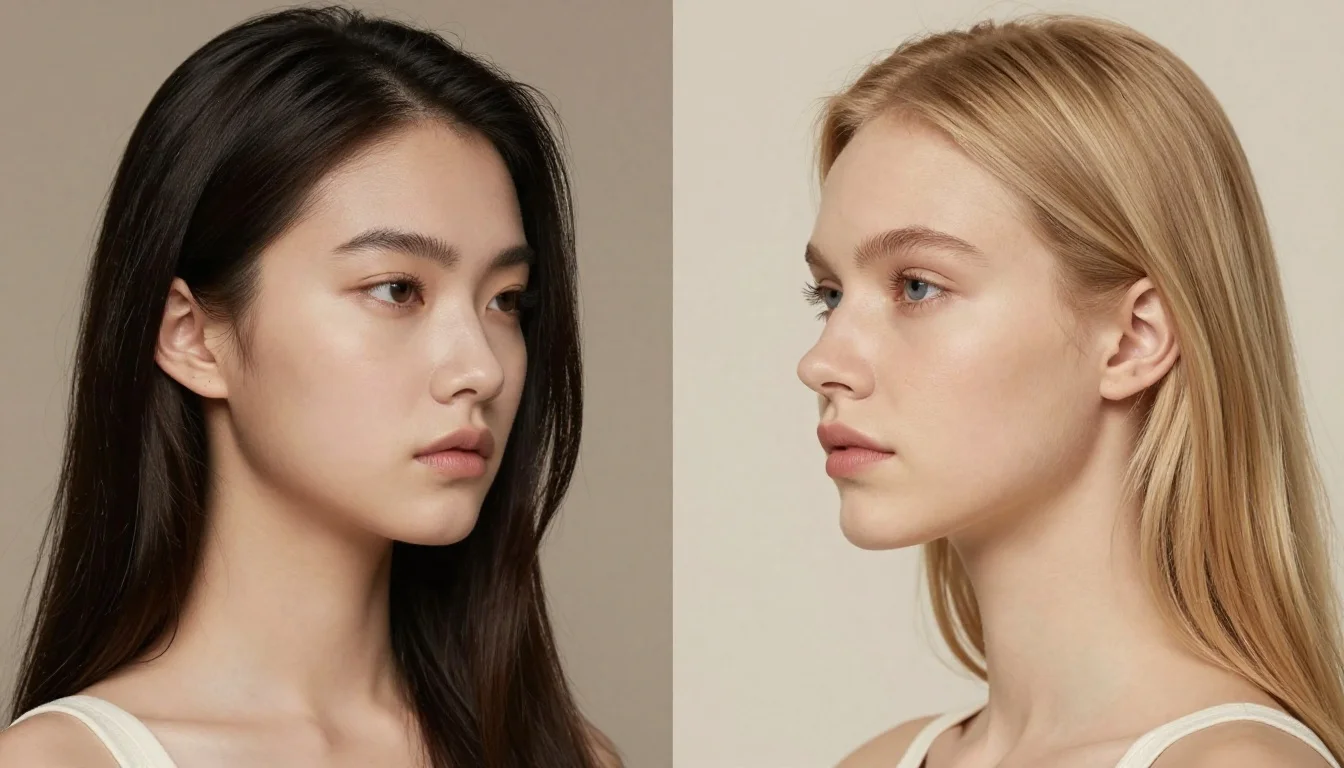
What is high contrast coloring?
High contrast coloring means a significant visual difference between your skin tone, hair color, and/or eye color. Classic examples: jet black hair with very fair or light skin, or very vivid eyes against a deep skin tone. The more distinct the difference between your features, the higher your contrast level.
What Your Contrast Level Means for Outfits
High Contrast: Bold Color Blocking and Strong Pairings
High contrast coloring — often associated with Cool Winter, Bright Spring, and Deep seasons — thrives in outfits with strong value differences. Black and white is the classic high-contrast combination. Bold color blocking with deep and light tones works. Even within a single color family, moving from very deep to very light (dark navy shirt with light grey trousers) matches the high-contrast energy of the coloring.
Medium Contrast: Tonal with Some Interest
Medium contrast coloring — common across Warm Spring, Soft Autumn, Cool Summer — suits outfits where there's some tonal variation but not extreme jumps. A darker version of a color paired with a lighter version works well. Complementary colors in similar value (dusty mauve and slate blue) are another approach — different hues, similar depth. The look is sophisticated without being sharp.
Low Contrast: Tonal and Monochromatic Dressing
Low contrast coloring — typically Light Spring, Light Summer, and Soft Summer — looks most sophisticated and intentional in tonal or monochromatic outfits. Wearing three shades of the same color from deep to light looks rich and deliberate. Head-to-toe soft neutrals look elegant. Sharp contrast — a stark black jacket over a white shirt — sits uneasily on low contrast coloring, where it can look costume-like or overwhelming.

Not sure yet? See it on your face
Start my color analysisHow to Apply Contrast Thinking to Your Outfits
Identify your contrast level
Stand in front of a mirror in good lighting and squint until your features blur slightly. Note the degree of difference between your skin tone, hair color, and eye color. If there's a dramatic jump — very light skin, very dark hair — you're high contrast. If everything blurs into a similar tonal range, you're low contrast. Medium is everything in between. This subjective assessment is more useful than trying to categorize rigidly.
High contrast people: embrace the drama
If you have high contrast coloring, don't shy away from bold color combinations. Black and white works. Deep jewel tones with bright accent work. High contrast prints and color blocking work. The clothing contrast matches your natural drama and creates coherence rather than competition. The mistake high contrast people make is dressing too softly — their features look stark and the clothes look timid.
Low contrast people: master the tonal approach
Tonal dressing — wearing different shades of the same or adjacent colors — is the natural home of low contrast coloring. Three shades of dusty rose from pale to medium. A head-to-toe cream look with texture variation. Soft blue with grey and slate. This approach looks like considered, elevated style rather than an inability to handle color. Low contrast people wearing their contrast level look sophisticated, not safe.
Accessories and contrast
Accessories offer a low-stakes way to calibrate contrast. High contrast coloring benefits from high-contrast accessories: a bold dark bag with a light outfit, or a bright statement piece against a dark base. Low contrast coloring is served by accessories that are one or two shades deeper or lighter than the main outfit — subtle shifts rather than sharp pops. The consistent rule is to match the accessory contrast level to the coloring contrast level.
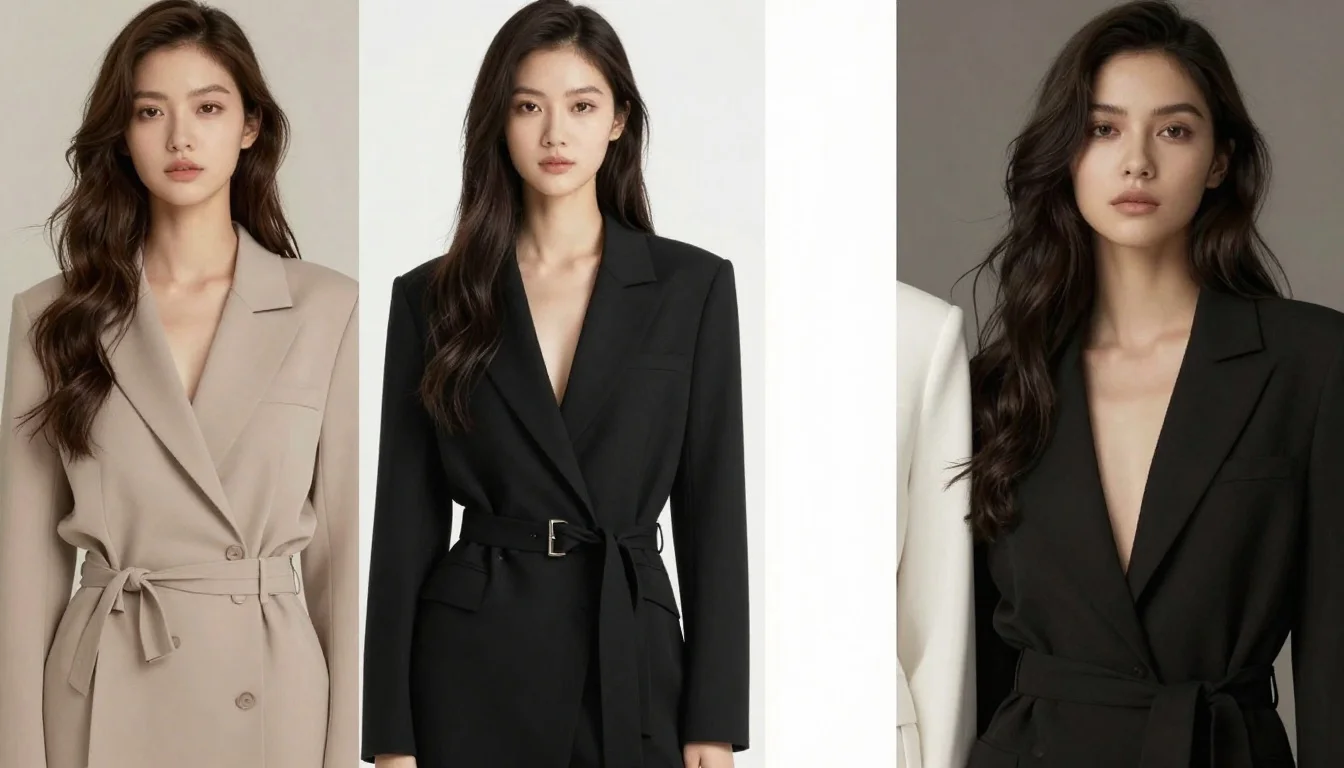
Am I high or low contrast?
Your contrast level decides which combinations flatter you most. Pin yours down with the free color analysis quiz — it maps your season and contrast together.
Common Contrast Mistakes
High contrast outfits on low contrast coloring
The most common mistake for low-contrast people is reaching for dramatic, high-contrast combinations — black and white, deep color with bright pop — because these combinations look good on others. On low contrast coloring, this level of outfit drama overwhelms the natural subtlety of the coloring. The clothes become the focal point; the person disappears into them.
Low contrast outfits on high contrast coloring
High contrast people who dress in soft, tonal, low-contrast outfits often look underdressed or their coloring looks muted. Their natural drama needs to be matched by their clothing. A all-soft-grey outfit on someone with vivid black hair and clear blue eyes makes the coloring look flat — like the features are trying to overcome the clothes rather than being framed by them.
Confusing contrast with color saturation
Contrast (light-dark value difference) and saturation (color intensity) are different things. You can have a high-contrast outfit in muted colors (deep dusty mauve with light grey). You can have a low-contrast outfit in vivid colors (cobalt blue tonal look). For high contrast coloring, value difference matters more than saturation. For low contrast coloring, keeping value differences small matters even in vivid colors.
Ignoring contrast at the face
Contrast matters most at the neckline — the point closest to the face. A high-contrast person can wear a low-contrast outfit on the lower body without issue, but needs at least some contrast at the neckline to frame their face correctly. Similarly, a low-contrast person's neckline should avoid sharp value jumps even if the rest of the outfit has more play.
Stop guessing — discover your exact palette
See myself in my colorsContrast-Correcting Swaps
Moving from outfit contrast that fights your coloring to contrast that matches it.
Black and white is maximum contrast and overwhelms soft, low-contrast coloring. Ivory and camel create gentle tonal contrast that matches the natural coloring.
All-grey is too low contrast for high-contrast coloring and makes features look flat. Adding stark white creates the value jump that matches the natural drama.
High contrast accessories fight low-contrast coloring. Dusty mauve with soft gold keeps the tonal harmony while still looking dressed up.
Tonal soft pink on high-contrast coloring looks washed out and underpowered. Navy and cream provide the value contrast that matches the natural coloring.
High contrast prints overwhelm low contrast coloring. Tonal prints add visual interest at the right contrast level.
The coat is the largest piece and sets the contrast frame. High contrast coloring benefits from the coat providing a definite light-dark difference with the rest of the outfit.
Contrast and the Seasonal System
Contrast level is the second axis of the 12-season system, layered on top of warm/cool undertone. Each major season has typical contrast qualities that its palettes are designed around.
Deep Winter / Deep Autumn
Learn moreDeep seasons have the highest contrast in their coloring — typically rich, dark features with a clear skin tone beneath. Their palettes include deep, saturated colors and the high-contrast combinations their features can carry. Both benefit from bold value contrasts in outfits.
Bright Spring / Bright Winter
Learn moreBright seasons have high contrast combined with vivid, clear coloring. They suit high-contrast outfits with vivid rather than just deep colors — not just dark and light but vivid and clear. These are the people who look incredible in bold color blocking.
Light Spring / Light Summer
Learn moreLight seasons have the lowest contrast — fair skin, light or blonde hair, and soft eyes all in a gentle tonal range. Their palettes are light and soft, and their best outfits are tonal and gentle rather than sharp and contrasted. High contrast combinations look overwhelming on these types.
Soft Autumn / Soft Summer
Learn moreSoft seasons have medium-low contrast with a muted quality — features that are all slightly blended and without sharp edges. Their palettes are muted and soft, and their best outfits avoid high saturation as well as high contrast. Dusty, tonal combinations look most harmonious.
Dress at Your Contrast Level
Understanding your contrast level removes the confusion of 'why doesn't this outfit look right on me?' The outfit that looks amazing on someone else may be at the wrong contrast level for your coloring — not the wrong colors, but the wrong relationship between light and dark. A personalized color analysis identifies your exact contrast level along with your undertone and seasonal palette, giving you a complete framework for outfit decisions.
Stop guessing — preview every color on you
Preview Yourself In Your Palette
Get my personalized analysisStop guessing — preview every color on you
Preview Yourself In Your Palette
Related Guides for High Contrast vs Low Contrast Coloring
Explore more personalized color advice based on your features.
Want to see these colors on you? What Colors Look Good on Me — free to try.
Frequently Asked Questions About High Contrast vs Low Contrast Coloring
What is high contrast coloring?
High contrast coloring means a significant visual difference between your skin tone, hair color, and/or eye color. Classic examples: jet black hair with very fair or light skin, or very vivid eyes against a deep skin tone. The more distinct the difference between your features, the higher your contrast level.
What is low contrast coloring?
Low contrast coloring means your skin, hair, and eyes are all in a similar tonal range with minimal difference between them. Examples: blonde hair with light skin and blue-grey eyes, or medium brown hair with medium skin. Everything blends together without sharp distinctions.
How do I know if I am high or low contrast?
Squint at yourself in a mirror or look at a photo — does everything blur into a similar tonal range (low contrast) or do distinct light and dark areas stand out clearly (high contrast)? You can also look at photos of yourself: do your features create obvious distinction, or do they all sit in the same range?
Can low contrast people wear black and white?
Yes, but it can overwhelm. Stark black and white is maximum contrast and can make low contrast coloring look small and lost inside the outfit. If you love the combination, soften it: off-white instead of stark white, dark charcoal instead of true black, or add a mid-tone piece to bridge the gap.
Can high contrast people wear tonal outfits?
They can, but it often looks slightly flat or underpowered on them. High contrast people's features have built-in drama, and very soft tonal outfits can look like they're trying to calm down that drama rather than frame it. Adding at least some value contrast at the neckline — a light shirt under a dark blazer — helps.
Is contrast the same as color season?
Contrast is one element of the seasonal system, not the whole thing. The seasonal system considers undertone (warm/cool), value (light/deep), chroma (vivid/muted), and contrast together. Knowing your contrast level is helpful on its own, but a full color analysis gives you the complete picture.
What are high contrast colors?
High-contrast color combinations pair light and dark values with a big gap between them — black and white, navy and cream, deep plum with icy pink. They suit people whose own coloring is high contrast, such as dark hair with fair skin.
What is low contrast coloring?
Low contrast coloring means your hair, skin, and eyes sit close together in value — like blonde hair with fair skin, or dark hair with deep skin. Blended, tonal outfits flatter low-contrast people more than stark light-dark pairings.
Am I high or low contrast?
Take a grayscale photo of yourself: if your hair, skin, and eyes read clearly light, medium, and dark apart, you are high contrast; if they blur into similar greys, you are low contrast. A color analysis pins this down along with your season.