Best Colors forDark Eyes
Dark eyes — deep brown, near-black, or very dark hazel — have natural depth and richness. Discover which shades flatter you most — and which to skip.
Dark eyes have extraordinary depth — but without the right colors, that depth can read as flat. The best colors for dark eyes work through contrast and warmth: they provide enough visual separation from the deep iris to let the eye's natural richness glow. This is a different challenge from lighter eyes, and it rewards different color choices.


3,000+
happy clients
How Dark Eyes Interact with Color Differently
Dark eyes have extraordinary depth — but without the right colors, that depth can read as flat. The best colors for dark eyes work through contrast and warmth: they provide enough visual separation from the deep iris to let the eye's natural richness glow. This is a different challenge from lighter eyes, and it rewards different color choices.
Dark eyes — deep brown, near-black, and very dark hazel — get their color from high melanin concentration in the iris. That richness means they absorb and reflect light differently than lighter eyes. Where blue or green eyes rely on contrast to pop, dark eyes can create drama through both contrast and through warm harmony with their surroundings.
The key dynamic with dark eyes is luminosity. Without intentional color choices, deep irises can appear flat — particularly against mid-toned neutrals that have no real visual relationship with the eye. The fix is either high contrast (stark white, vivid jewel tones, deep navy) or warm echo (copper, gold, rich earths that reflect the warmth inside dark irises).
Dark eyes also tend to disappear with heavy, dark neutrals worn wall-to-wall. Charcoal head-to-toe with near-black eyes reads as uniform darkness. A bright accent piece near the face — vivid jewel, crisp white — creates the separation that lets dark eyes read as a distinct, luminous feature rather than blending into the look.
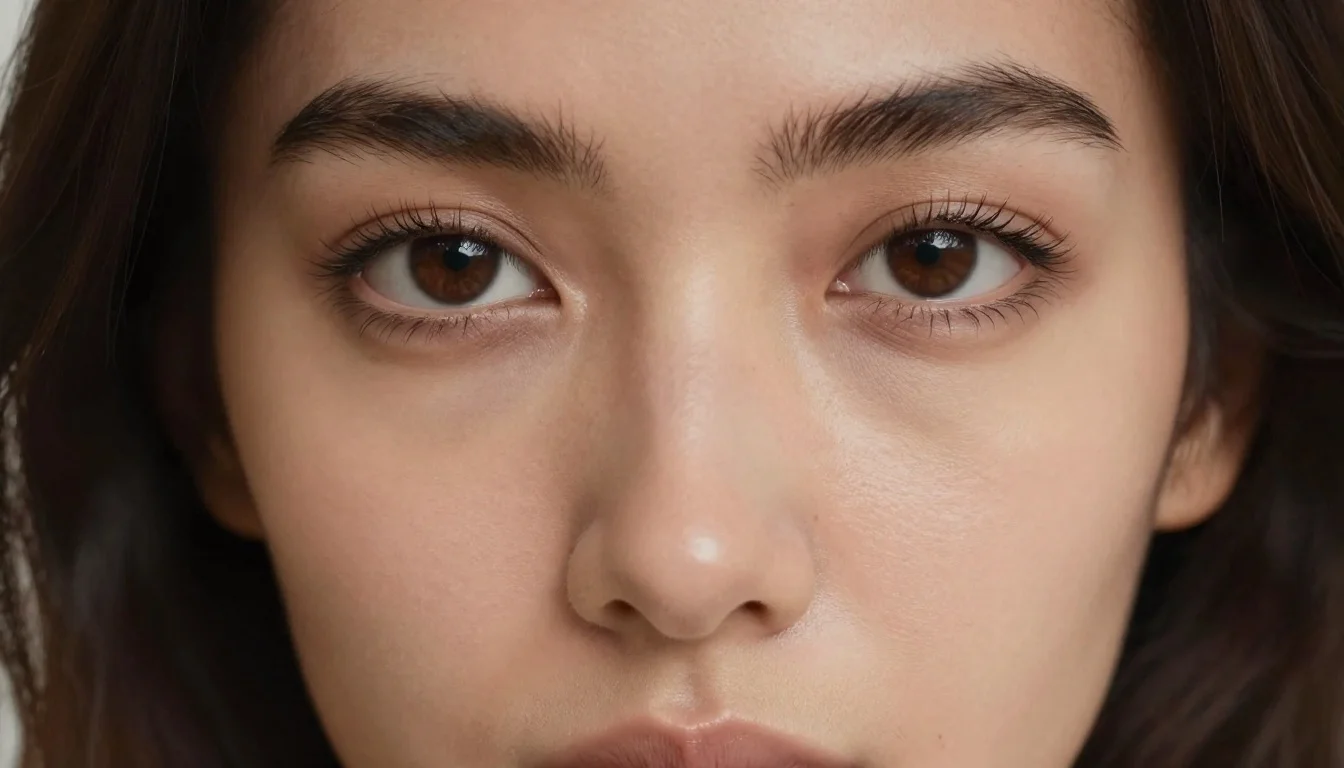
What colors make dark brown eyes pop?
Bright white creates the most immediate contrast against dark brown eyes — the visual separation is instant and striking. Vivid jewel tones like royal blue, emerald, and fuchsia provide high-impact color contrast. Warm copper and gold echo the warmth inside dark irises and make them look richly luminous. Deep plum and burgundy offer sophisticated contrast. Get any of these colors at your neckline for the strongest effect.
Your Most Flattering Color Families
Vivid Jewel Tones
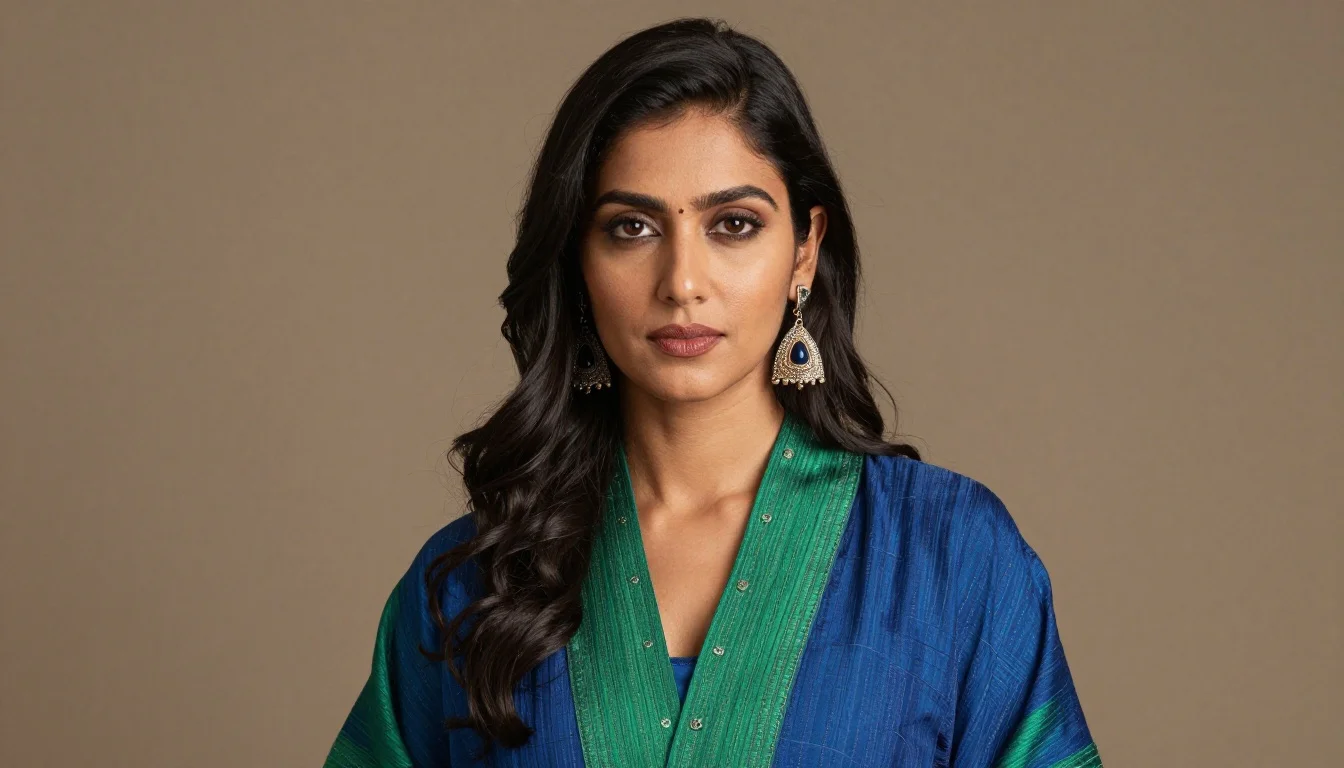
Vivid jewel tones create the high contrast that dark eyes need to look luminous rather than flat. Royal blue is particularly powerful — it sits at the opposite end of the warm-cool spectrum from the reddish-brown of dark irises, creating striking visual contrast. Emerald and deep teal add rich green contrast. Fuchsia provides warm-cool contrast in a vivid pink register. These are your most impactful colors at the neckline.
Crisp White & Bright Neutrals
Bright white is the most powerful neutral for dark eyes — it creates the maximum contrast that dark irises need to look vivid and separated from the outfit. Against dark eyes and hair, a crisp white shirt or blouse creates an elegant, graphic effect that instantly elevates the look. Ivory and cream work similarly with slightly more warmth. Silver grey adds cool contrast without the starkness of pure white.
Warm Coppers & Golds
Warm coppers and golds work through a different mechanism than contrast — they echo and amplify the warmth that lives inside dark brown irises. Dark eyes contain reddish and amber pigments; copper and warm gold reflect those tones back in a way that makes the eyes look richly warm and glowing. This is particularly flattering for dark brown eyes with warm undertones. A copper silk blouse makes dark eyes look intensely warm rather than simply dark.
Rich Berry & Deep Plum
Deep berry and plum tones are sophisticated choices that provide contrast without the harshness of stark white or electric blue. They work by offering both depth and color — dark enough to let your eyes read as luminous by contrast, but rich enough to feel opulent rather than stark. Burgundy has a warm reddish quality that echoes dark eye warmth while still creating tonal separation. Eggplant adds deep purple contrast.

Ready to see blue & emerald on your face?
Start my color analysisHow to Dress for Maximum Dark Eye Impact
White as your power neutral
Bright white is the single most effective neutral for dark eyes — the contrast effect is immediate and dramatic. A white linen shirt, a crisp white turtleneck, or a white structured blouse near your face creates the visual separation that makes dark eyes look sharp and vivid. Pair white with bold colors or dark bottoms for a high-contrast look, or wear it as the entire top half for a clean, editorial effect that lets dark eyes anchor the whole outfit.
Jewel tones for impact
Royal blue, emerald, and fuchsia are your highest-impact statement choices. These colors create both contrast and saturation against dark eyes — they're vivid enough to create visual energy, different enough in temperature to create separation. A royal blue blazer over a white shirt makes dark eyes look striking. Fuchsia in a silk blouse at the neckline creates an immediate focal point. These aren't quiet colors — they're designed to draw the eye upward.
Using warm gold and copper
When you want to emphasize the warmth inside dark brown eyes rather than contrast them, reach for copper, warm gold, or burnt amber. A copper-toned satin blouse catches light in a way that echoes the amber warmth in dark irises. Gold jewelry near the face amplifies this effect. Warm gold eyeshadow on dark eyes is one of the most universally flattering beauty choices — it makes the eye look richly warm rather than simply deep.
Breaking up all-dark dressing
If you love wearing dark colors (which dark-eyed people often do), the key is always having one contrasting element near your face. A white collar peeking from a dark blazer. A fuchsia scarf with a navy coat. A vivid jewel-toned earring against a charcoal outfit. That single bright element creates the visual contrast your dark eyes need to register as a distinct, luminous feature rather than blending into the overall darkness of the look.
Colors That Flatten Dark Eyes
Mid-toned warm brown
Mid-range warm browns — camel, tan, warm khaki — sit in the same tonal register as many dark brown irises. The result is blending rather than contrast: the eye color and outfit become indistinguishable in terms of depth and warmth. Very deep chocolate brown creates enough tonal distance, and bright clear caramel in accessories can work, but mid-toned warm brown at your neckline diminishes dark eye luminosity.
Muted, greyed-out tones
Desaturated, muddy tones — greige, warm grey, dusty mauve — have neither the richness nor the contrast to activate dark eyes. They provide a backdrop with no visual energy, which makes dark irises look equally flat. If you love muted tones, go deeper and richer: charcoal instead of pale grey, wine instead of dusty mauve. Saturation and depth matter more for dark eyes than for lighter eye colors.
All-dark monochrome dressing
Wearing very dark colors head-to-toe — navy suit, charcoal everything, all-black — without any bright accent near the face creates a uniform darkness that makes near-black eyes blend into the look. One bright or contrasting piece near the face (white collar, vivid scarf, jewel-toned blouse) provides the contrast that lets dark eyes read as luminous rather than disappearing into the palette.
Pale, washed-out pastels
Very chalky, de-saturated pastels — pale blush, faded lavender, milky mint — have enough warmth to muddy against dark eyes but not enough depth or contrast to activate them. They create an indistinct relationship with dark irises. Pastels with saturation (deep dusty rose, true lavender) work much better. It's the washed-out versions that fail to interact meaningfully with the richness of dark eyes.
Stop guessing — preview every shade on you
See myself in my colorsYour Wardrobe, Upgraded
Swaps that create the contrast dark eyes need to look luminous.
Tan blends into dark eyes without contrast. Bright white creates immediate separation; royal blue adds vivid complementary contrast.
Mid-brown sits in the same tonal register as dark eyes and muddies. Navy and emerald create rich contrast that makes dark irises look luminous.
Greige has no visual energy against dark eyes. Burgundy provides warm contrast; deep plum creates rich tonal separation.
Pale blush is too washed out to interact with dark eyes. Fuchsia creates vivid contrast; copper echoes the warm richness inside dark irises.
Camel blends with dark eyes. Deep plum provides rich tonal contrast; cobalt creates vivid, cool-warm contrast that makes dark eyes look striking.
Rose gold reads as pale against dark features. Yellow gold and copper echo the warm richness in dark eyes and glow against dark skin and hair.
Which Seasonal Palette Fits Dark Eyes?
Dark eyes appear across multiple seasonal palettes — your undertone, hair color, and skin depth determine which season is yours. These are the most common seasonal homes for people with very dark eyes.
Deep Winter
Learn moreIf your dark eyes have a cool or neutral quality — near-black, deep blue-brown, or cool espresso — and you have dark hair with cool or neutral skin, Deep Winter is a strong fit. You suit high contrast, clarity, and cool jewel tones: cobalt, icy white, true black, deep plum, and fuchsia. Your dark eyes anchor dramatic color choices effortlessly.
Deep Autumn
Learn moreIf your dark eyes are warm-toned — rich chocolate, warm espresso, or dark hazel-brown — paired with dark brunette hair and warm skin, Deep Autumn may be your season. Your palette is richly saturated and warm: cognac, forest green, warm burgundy, burnt sienna, and deep teal. Dark eyes with warmth look most alive in warm, deep, earthy tones.
Warm Autumn
Learn moreIf your dark eyes are warm and medium-depth — rich brown rather than near-black — with warm golden or olive skin, Warm Autumn is worth exploring. You suit deep, warm, earth-toned colors: warm rust, burnt orange, olive, and cognac. Your warmth mirrors these tones and creates a richly cohesive look.
Find Your Exact Colors
Dark eyes are one of the most powerful and versatile features for dressing — but the specific undertone of your eyes, hair color, and skin depth all shape which colors make yours look most luminous. A personalized color analysis maps your precise seasonal type and identifies the exact shades that unlock the full richness of your dark eyes.
Stop guessing — preview every color on you
Preview Yourself In Your Palette
Get my personalized paletteStop guessing — preview every color on you
Preview Yourself In Your Palette

Related Guides for Best Colors for Dark Eyes
Explore more personalized color advice based on your features.
Want to see these colors on you? What Colors Look Good on Me — free to try.
Frequently Asked Questions About Best Colors for Dark Eyes
What colors make dark brown eyes pop?
Bright white creates the most immediate contrast against dark brown eyes — the visual separation is instant and striking. Vivid jewel tones like royal blue, emerald, and fuchsia provide high-impact color contrast. Warm copper and gold echo the warmth inside dark irises and make them look richly luminous. Deep plum and burgundy offer sophisticated contrast. Get any of these colors at your neckline for the strongest effect.
What eyeshadow is best for dark eyes?
Warm gold and copper eyeshadow are universally flattering on dark eyes — they echo and amplify the amber warmth inside dark irises. Deep plum and navy liner create tonal contrast that makes dark eyes look defined rather than uniform. For a dramatic look, vibrant teal or electric blue shadow creates striking complementary contrast. Shimmery eyeshadows in gold and copper tones particularly flatter dark brown eyes.
Do dark eyes suit warm or cool colors?
Both work, for different effects. Warm colors — copper, burnt sienna, gold, warm burgundy — create harmony with the warmth inside dark brown irises. Cool colors — royal blue, icy white, emerald, deep plum — create high-contrast drama. If your dark eyes have warm undertones, warm tones create a richly cohesive look. If your eyes are very near-black and cool-toned, cool jewel tones and crisp white tend to be most flattering.
What colors should people with dark eyes avoid?
Mid-toned warm browns at your neckline blend into dark irises without contrast. Muted, greyed-out tones lack visual energy to activate dark eyes. Very pale, washed-out pastels don't have enough depth to interact with dark eye richness. All-dark monochrome dressing without any bright accent near your face makes dark eyes disappear into the look rather than standing out as a feature.
What colors look best on dark eyes and dark hair?
Dark eyes with dark hair is a naturally high-contrast, rich combination. Bright white creates the most striking contrast — one of the most elegant pairings in fashion. Vivid jewel tones like royal blue, fuchsia, and emerald look dramatic and intentional. Warm copper and gold create a sun-drenched warmth. Deep plum and burgundy add sophisticated depth. Avoid mid-toned warm neutrals that muddy against both your hair and eye color.
Can dark eyes wear black?
Yes — but dark eyes need at least one bright or contrasting element near the face when wearing black. All-black with near-black eyes creates a uniform darkness that makes the eyes disappear. A white collar, a vivid jewel-toned scarf, or a bright lip color creates the contrast that lets dark eyes register as luminous against the dark outfit. Black is one of your best backdrop colors as long as you break it up near your face.