Lipstick forPale Skin
Pale skin and lipstick have a unique relationship: the contrast is dramatic and striking. Discover which tones look natural on you — and which to skip.
Pale skin and lipstick have a relationship most people underestimate. The high contrast between a saturated lip and a fair complexion creates impact that deeper skin tones simply cannot replicate in the same way. This is your advantage. Classic red on pale skin — the Snow White effect — is one of the most iconic looks in beauty precisely because the contrast is so clean and dramatic. But choosing the right family matters: the wrong warmth, wrong depth, or wrong undertone can look muddy, washed out, or simply off. Get it right, and a single swipe of lipstick transforms your face.


3,000+
happy clients
Why Pale Skin Has a Unique Relationship With Lipstick
Pale skin and lipstick have a relationship most people underestimate. The high contrast between a saturated lip and a fair complexion creates impact that deeper skin tones simply cannot replicate in the same way. This is your advantage. Classic red on pale skin — the Snow White effect — is one of the most iconic looks in beauty precisely because the contrast is so clean and dramatic. But choosing the right family matters: the wrong warmth, wrong depth, or wrong undertone can look muddy, washed out, or simply off. Get it right, and a single swipe of lipstick transforms your face.
Pale skin has less melanin, which means the undertone beneath the surface is more visible — and more reactive to lip color temperature. On deeper skin, a slightly off-tone lipstick blends with the warmth or depth in the complexion. On pale skin, there is no buffering warmth or depth. An orange-red on cool pale skin doesn't blend — it clashes. A too-pale nude doesn't read as effortless — it disappears entirely. The lack of depth in pale skin means that lip color temperature has to be chosen precisely.
The high contrast that pale skin creates with saturated lip colors is a distinct advantage. A vivid berry on medium-toned skin is pleasant. The same berry on very pale skin becomes a statement. Deep wine, classic red, plum, fuchsia — all of these create the kind of striking, editorial contrast on pale skin that is genuinely harder to achieve on other tones. Rather than fighting this feature, dressing for it means choosing lip colors that use the contrast intentionally.
Undertone within pale skin matters enormously. Cool or neutral-cool pale skin (typical of northern European complexions, visible blue-purple veins at the wrist) is flattered by cool-toned lip colors: berry, wine, blue-based red, plum, mauve. Warm pale skin with peachy-golden undertones (visible green veins, a peach warmth in the cheeks) is flattered by warm lip colors: warm red, terracotta rose, warm nude-pink, warm raspberry. Wearing the wrong temperature creates a muddy quality — the lip and skin fight rather than complement each other.
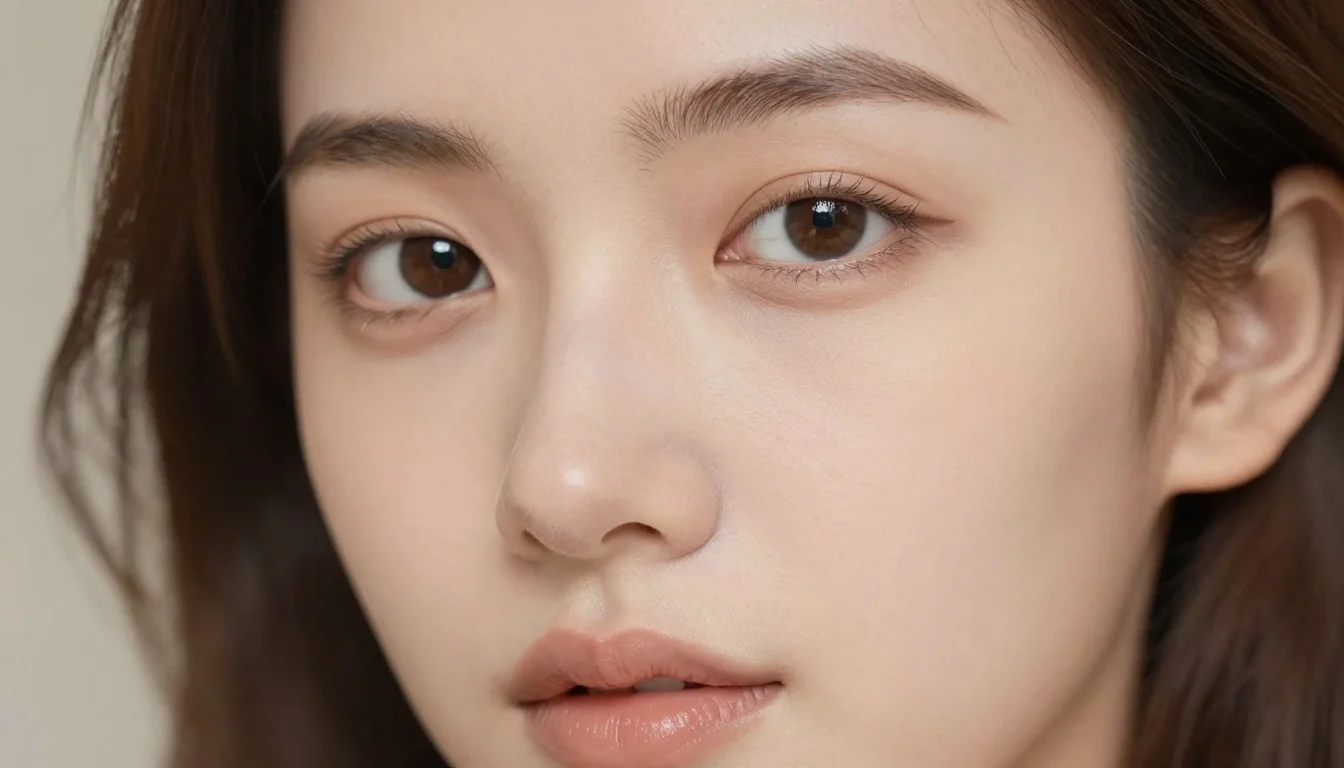
What lipstick looks best on pale skin?
Classic red is the most iconic lipstick choice for pale skin — the high contrast between a vivid red and a fair complexion is one of the most striking combinations in beauty. For cool or neutral pale skin, choose a blue-based or true red. Deep berry, cool plum, and burgundy are also exceptional on pale skin. Avoid skin-matching nudes (they erase your lips) and orange-reds (they clash with cool undertones).
Your Most Flattering Lipstick Families
Classic Red & Cherry
Classic red is the signature look for pale skin. Blue-based red (vivid, cool true red) works on cool and neutral-cool pale skin and creates the most iconic contrast. Warm classic red suits warm pale skin and has a slightly orange-adjacent quality that prevents the "cold face" effect. Cherry red sits between the two and has broad flattery. All three create the high-contrast Snow White effect that pale skin is uniquely positioned to carry.
Cool Berry, Wine & Plum
Cool-toned pale skin looks exceptional in berry-to-plum family shades. Deep wine creates sophisticated high contrast without the obviousness of red. Cool berry sits between red and plum and works for day as well as evening. Dusty mauve is the everyday version: sophisticated, understated, and distinctly more interesting than a nude on pale skin. Deep cool plum is the most dramatic option — it creates extreme contrast that photographs beautifully.
Warm Nude-Rose & Terracotta Pink
For warm pale skin specifically, warm-toned nudes and rose shades provide the everyday counterpart to more dramatic lip colors. Warm nude-rose — not a skin-matching nude, but a rose-adjacent nude with warmth — gives a "my lips but elevated" effect without disappearing. Terracotta pink and warm peach-rose add color while staying in temperature harmony with warm pale undertones. Warm raspberry sits between nude and berry and has wide appeal on warm pale complexions.
Bold Statement: Burgundy, Fuchsia & Oxblood
The boldest lipstick shades create the most dramatic contrast on pale skin — which is exactly when pale skin's high-contrast advantage is at its peak. Deep burgundy and oxblood are among the most flattering shades across all skin tones, but they look particularly striking on very pale skin because the contrast is absolute. Vivid fuchsia creates a modern, editorial statement. Dark plum-berry in a sheerer formula gives a stained effect that is less overwhelming but equally striking.

Ready to see yourself in red & cherry red?
Start my color analysisHow to Wear Lipstick on Pale Skin
Foundation undertone before anything else
The foundation you wear under your lip color dramatically affects how the lip color reads. Pale skin is unforgiving of undertone mismatches in foundation — a warm-toned foundation under a cool red creates temperature confusion at the mouth area that makes both look wrong. Match your foundation undertone correctly first: cool or neutral-cool foundation for cool pale skin, light peachy-warm for warm pale skin. The lip color can then work on a neutral, matched base rather than fighting an off-tone foundation.
Lining pale lips for precision
Pale skin shows any feathering of lipstick immediately — the high contrast between a vivid lip and fair skin makes any bleeding visible. Use a lip liner in the same family as your lipstick (a touch deeper works well) and line precisely before applying color. This is especially important with deep shades: deep wine, burgundy, and oxblood on pale skin have maximum contrast, and feathering is very visible. For a softer effect, line just inside the lip edge rather than on the outer edge.
The red lip formula for pale skin
Apply a lip balm, let it absorb for 60 seconds, then blot. Line with a matching red liner, staying inside the natural lip line at the outer corners if your lips are thin — this prevents feathering without reducing fullness. Apply your red in two thin layers rather than one thick layer for better color adhesion. Keep the rest of your face minimal: a light foundation, soft blush, mascara. The lip is the focal point — everything else should support rather than compete. This formula creates the classic pale-skin-and-red-lip look that works in any context.
Making nudes work on pale lips
If you prefer neutral everyday lips, the solution on pale skin is not a skin-matching nude but a deliberately chosen rosy or peachy nude that creates subtle contrast. Look for nudes described as rosy nude, pink nude, or barely-there berry. These add definition and shape to the lips without dramatic color commitment. A lip liner one shade deeper than your chosen nude, applied precisely, adds further definition. Avoid any nude that matches your cheek or chin color — at that point, you've lost your lip shape.
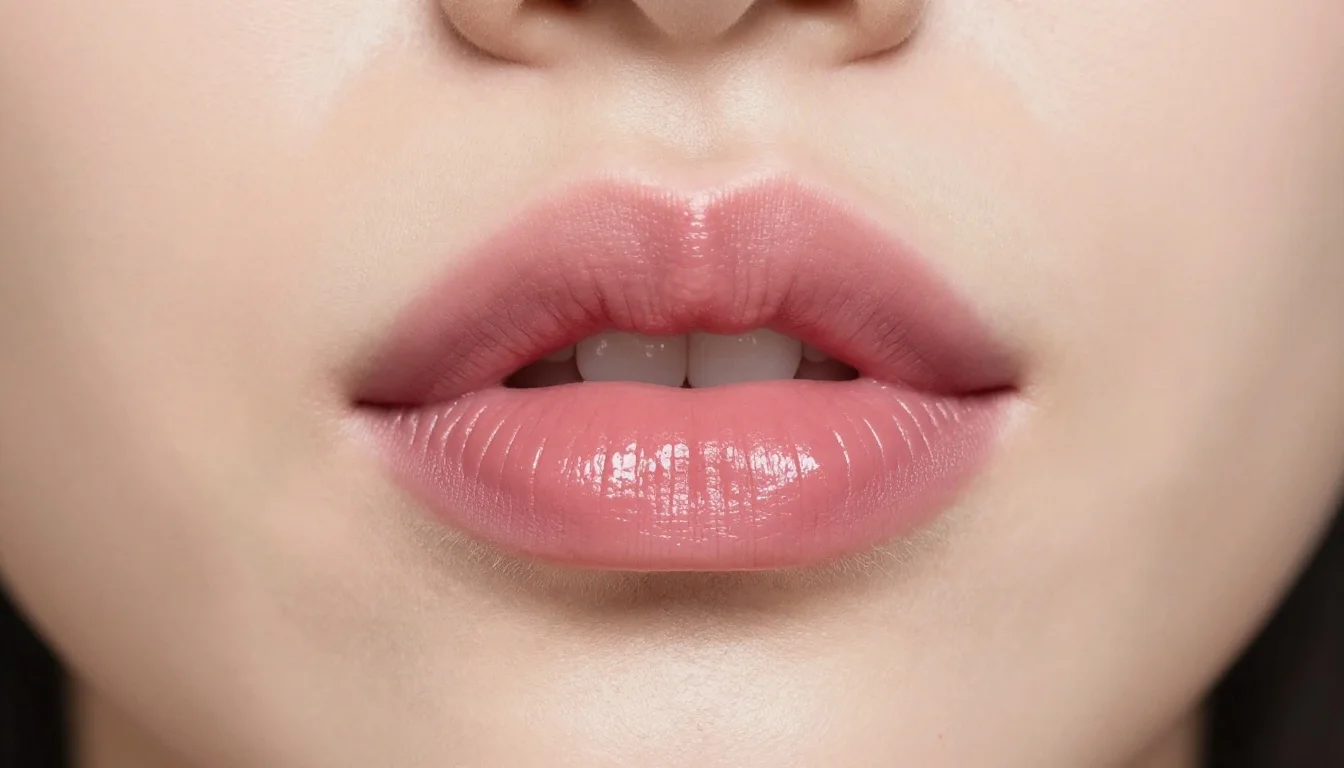
Lipstick Shades That Fight Pale Skin
Very warm orange-red lipstick
Orange-based reds look muddy on cool or neutral-cool pale skin because there is no warmth in the complexion to bridge the gap between the orange lip and the fair skin. The result is a temperature clash that reads as 'something is wrong' even if you can't pinpoint why. Unless your pale skin has distinctly warm peachy undertones, choose true red or blue-based red instead.
Skin-matching pale nude
A nude that precisely matches pale skin makes your lips disappear entirely — you lose the lip line, the shape, and the contrast that defines the lower face. On pale skin, a "my lips but better" nude needs to be at least one to two shades deeper than your natural lip color, with some pink or rosy quality. A true skin-match nude on pale skin reads as no lips at all.
Brown-toned nudes without pink
Cool-toned brown nudes — the kind that are brown with no pink or warmth — look sallow on pale skin. They introduce a muddy quality at the lip that drains the complexion rather than lifting it. If you want a neutral everyday lip on pale skin, choose a nude with visible rosy or peachy undertones, not a flat cool-brown nude.
Very matte, dry-finish lipstick without lip prep
Pale lips tend to have more visible texture and dryness than pigmented lips, and a very matte formula applied without primer or balm emphasizes every line and flake. This isn't about the color itself but the finish interaction with pale skin. If you love a matte lip, prime with a light balm layer, blot it, and apply your matte formula — the color reads beautifully; the dryness disappears.
Stop guessing — preview every shade on you
See myself in my shadesLipstick Swaps for Pale Skin
Small changes in lip color temperature that make a significant difference on fair complexions.
Orange-red clashes with cool or neutral pale skin. True red or blue-based red creates clean high-contrast impact with no temperature conflict.
A skin-match nude erases pale lips entirely. A rosier nude maintains the "effortless" effect while keeping lip shape visible and lifting the face.
Warm brick-red tones can make cool pale skin look sallow. Burgundy and oxblood stay in the cool-deep register that creates dramatic, clean contrast on fair skin.
Brown nudes without any pink or warmth make pale skin look drained. Dusty mauve adds subtle color; warm nude-rose adds warmth — both lift rather than flatten.
Hot pink on pale skin reads as theatrical rather than striking. Cool berry or deep raspberry create the vivid contrast pale skin carries well, but with sophistication.
Dry matte on unprimed pale lips emphasizes texture and lines. Balm prep creates a smooth base so the color reads beautifully and the finish looks intentional.
Which Seasonal Palette Might Be Yours?
Pale skin appears across several seasonal palettes depending on your undertone, eye color, and overall contrast level. These are the most common seasonal placements for pale-skinned people, with their corresponding lip color sweet spots.
Cool Winter
Learn moreIf your pale skin is very clear and cool, you have high contrast features (vivid or dark features against fair skin), and you naturally look striking in bold, saturated colors, Cool Winter is likely your season. Your lip sweet spot is the boldest: vivid fuchsia, deep oxblood, blue-based red, cool berry. High saturation and cool temperature are your signature.
Cool Summer
Learn moreIf your pale skin has a soft, rosy quality, your overall coloring is medium-contrast rather than high-contrast, and you look better in dusty or muted versions of cool colors than in vivid ones, Cool Summer fits. Your lip sweet spot is dusty rose, muted berry, soft mauve, and cooled-down red rather than vivid fuchsia.
Light Summer
Learn moreIf your pale skin is very fair and delicate, you have light-toned hair and eyes, and your overall appearance is soft and low-contrast, Light Summer may be your season. Your lip approach is gentle: sheer rosy nudes, soft pinks, barely-there berries. Bold dark lips overpower your coloring; softness and sheerness are your tools.
Find Your Perfect Lipstick Shades
The lipstick colors that look most striking on you depend not just on how pale your skin is but on whether your undertone is cool-pink, neutral, or warm-peachy — and how much overall contrast your features create. A personalized color analysis identifies your seasonal palette and gives you a specific lip color roadmap: the exact red family, the nude temperature, the evening statement shade that works with your undertone rather than against it.

Related Guides for Lipstick for Pale Skin
Explore more personalized color advice based on your features.
Want to see these colors on you? What Colors Look Good on Me — free to try.
Frequently Asked Questions About Lipstick for Pale Skin
What lipstick looks best on pale skin?
Classic red is the most iconic lipstick choice for pale skin — the high contrast between a vivid red and a fair complexion is one of the most striking combinations in beauty. For cool or neutral pale skin, choose a blue-based or true red. Deep berry, cool plum, and burgundy are also exceptional on pale skin. Avoid skin-matching nudes (they erase your lips) and orange-reds (they clash with cool undertones).
Can pale skin wear dark lipstick?
Yes — pale skin actually carries dark lipstick exceptionally well because the high contrast creates dramatic impact. Deep burgundy, oxblood red, dark plum, and deep berry all look striking on pale skin. The key is keeping the rest of your makeup minimal so the lip is the focal point, and choosing cool-toned dark shades (rather than warm brown-dark shades) for cool or neutral pale skin.
What is the best nude lipstick for pale skin?
The best nude lipstick for pale skin is not a skin-matching nude but a rosy or peachy nude that is one to two shades deeper than your natural lip color. Look for nudes described as rosy nude, pink nude, or dusty mauve. A skin-matching nude on pale skin makes lips disappear entirely — you need some contrast with a slightly deeper or rosier tone to maintain lip definition.
What red lipstick suits pale skin?
For cool or neutral-cool pale skin, a blue-based red or true classic red creates the most flattering high-contrast look. For warm pale skin with peachy undertones, a warm red or tomato-adjacent red works better. Avoid orange-based reds on cool pale skin — they create a temperature clash between the lip and complexion. Cherry red is a broadly flattering middle-ground that works across most pale skin undertones.
Should pale skin avoid orange lipstick?
Cool or neutral-cool pale skin should generally avoid orange-based lipsticks because there is no warmth in the complexion to bridge the gap between the orange tone and the fair skin — it reads as a clash rather than a complement. Warm pale skin (with visible peachy or golden undertones) can wear warm-adjacent reds and terracotta pinks more successfully. When in doubt, test in natural daylight: if the lip looks muddy or disconnected from the face, it's a temperature conflict.
What lip colors make pale skin look healthy?
Lip colors that add warmth and contrast without fighting pale skin's undertone make fair skin look most healthy and alive. Dusty rose, warm nude-rose, and soft berry are flattering everyday options. For more impact, a warm raspberry or muted warm red adds life to the face. Avoid stark blue-pink nudes and very dry matte formulas — these can make pale skin look flat or drained. A sheer or satin finish in a warm-rose or berry family gives the most naturally healthy effect.