Hair Color forWarm Undertones
Warm undertones glow with hair colors that share their warmth. Discover which shades complement your coloring — and which to avoid.
Warm undertones — golden, peachy, yellow-based skin — have a specific relationship with hair color that makes some shades feel cohesive and others feel jarring. The hair colors that flatter warm skin are the ones that share its warmth register: honey blonde, caramel, warm chestnut, auburn, and copper. These shades create a unified warmth across your face and hair, making your complexion look luminous. The trap that many warm-undertoned people fall into is choosing ashy, platinum, or cool-toned hair — shades that create a temperature mismatch that makes warm skin read as sallow and dull. The fix is not complicated: match the warmth in your hair to the warmth in your skin.


3,000+
happy clients
Why Hair Color Temperature Matters for Warm Undertones
Warm undertones — golden, peachy, yellow-based skin — have a specific relationship with hair color that makes some shades feel cohesive and others feel jarring. The hair colors that flatter warm skin are the ones that share its warmth register: honey blonde, caramel, warm chestnut, auburn, and copper. These shades create a unified warmth across your face and hair, making your complexion look luminous. The trap that many warm-undertoned people fall into is choosing ashy, platinum, or cool-toned hair — shades that create a temperature mismatch that makes warm skin read as sallow and dull. The fix is not complicated: match the warmth in your hair to the warmth in your skin.
Your skin undertone is the fixed quality beneath your skin's surface — whether it reads as golden, peachy, or yellow-warm. Unlike your surface tone, which tans and changes, your undertone is constant. And because your hair frames your face, its color sits in direct conversation with your undertone every single day. When your hair's warmth register matches your skin's warmth register, they create visual harmony — you look cohesive, radiant, and put-together. When the temperatures conflict, even beautiful hair can make your complexion look tired or sallow.
For warm undertones, the critical quality in hair color is warmth. Warm honey blonde has golden tones that echo golden skin. Caramel brown has the same yellow-warm frequency as peachy or olive complexions. Auburn and copper have a warm red-orange base that resonates with warm undertones rather than fighting them. These hair colors work because they speak the same color language as your skin. The cohesion is not accidental — it is the result of matching temperature registers between two surfaces.
The common misconception is that "warm" hair means dark hair. It does not. Warm undertones can be beautifully light — honey blonde and golden blonde are both warm shades. The distinguishing factor is not darkness but the presence or absence of warmth. A warm blonde is full of golden, honey, or amber tones. A cool blonde is ashy, platinum, or icy. Warm undertones thrive with the former and struggle with the latter, regardless of depth. This is the insight that separates a good hair color result from an extraordinary one.
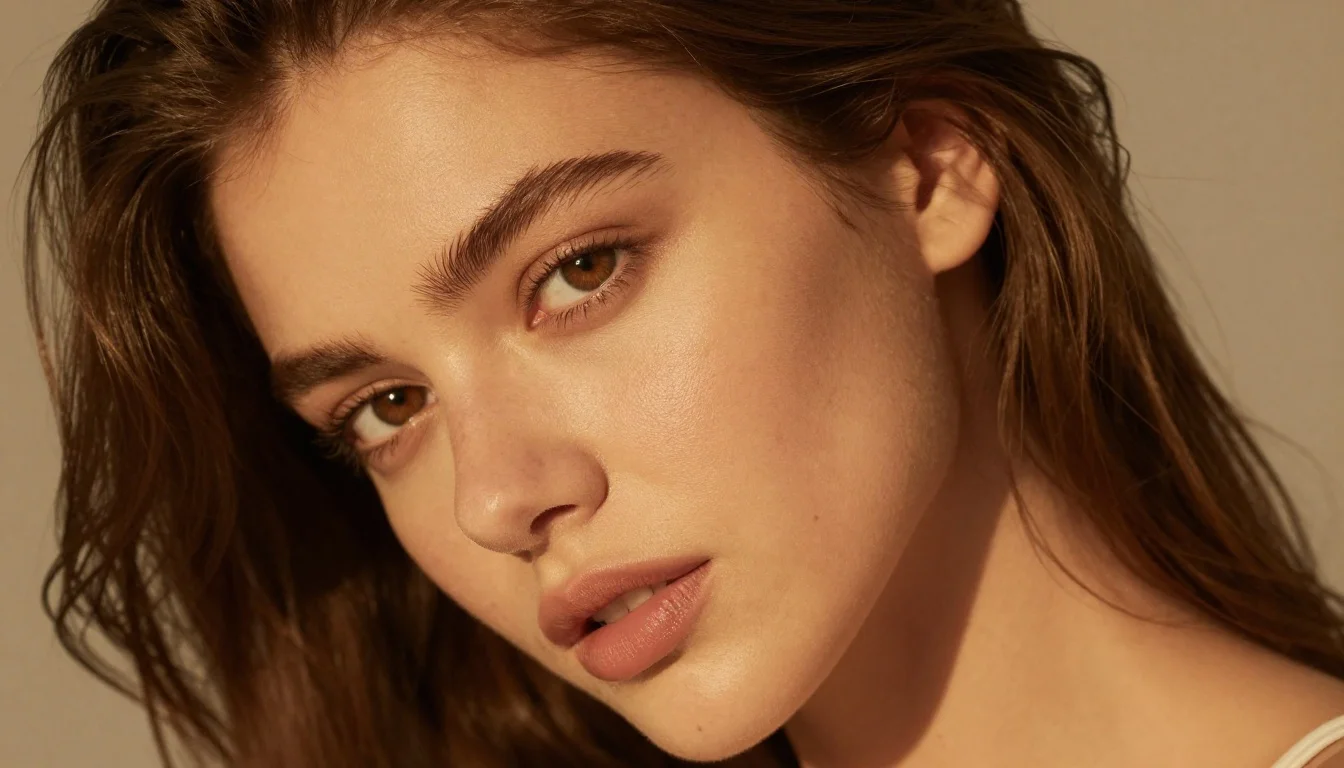
What hair color is best for warm undertones?
The best hair colors for warm undertones share a warm base: honey blonde and golden blonde for light hair, caramel brown and warm chestnut for medium hair, auburn and warm mahogany for deeper shades, and copper for a bold statement. All of these shades carry golden, amber, or orange-warm tones that harmonize with the yellow, golden, or peachy quality of warm skin. The key is to avoid ashy, platinum, or cool-toned versions of any color family.
Your Best Hair Color Families
Honey Blonde
Honey blonde is the signature warm light hair color — it carries golden, amber, and yellow warmth that harmonizes naturally with golden or peachy skin. Unlike ashy or platinum blonde, honey blonde does not create temperature conflict; it amplifies the natural warmth of your complexion. Golden blonde lightens to warm butter and amber tones rather than icy white. Butterscotch blonde sits between honey and caramel, giving you warmth with medium depth. If you want to go light as a warm-undertoned person, honey blonde or golden blonde is your most flattering direction.
Caramel & Warm Brown
Caramel and warm brown shades are among the most naturally flattering hair colors for warm undertones across all depth levels. Caramel — with its golden-amber base — creates a warm glow that plays beautifully against golden or peachy skin. Warm chestnut has a reddish-brown warmth that deepens the palette without losing the warmth signature. Golden brown adds a sun-touched quality. Toffee brown is a muted, earthy warm brown for those who want richness without brightness. All of these shades live in the same warmth register as warm undertones.
Auburn & Warm Red
Auburn and warm red hair colors are exceptional for warm undertones because red itself is a warm hue — and these shades are grounded in warm, orange-red or red-brown tones rather than cool violet-reds. Auburn sits in the warm red-brown family and creates a rich, earthy harmony with golden or peachy skin. Warm copper-red has orange warmth that echoes warm-undertoned complexions perfectly. Strawberry red-brown blends warmth with femininity. Warm mahogany gives depth with a warm red-purple base that still reads as warm rather than cool. These are your rich, statement hair choices.
Copper
Copper is one of the most specifically flattering hair color families for warm undertones — it shares the orange-warm quality of golden and peachy skin and creates a particularly striking, cohesive look. True copper is the purest expression: vivid, warm, and orange-adjacent. Rose gold copper softens the orange with a pinkish-warm quality that works beautifully with peachy or fair warm undertones. Warm amber copper adds depth and sophistication. Burnt orange copper is the richest and most dramatic version. All sit within the warm color register and resonate naturally with warm skin.

Ready to see yourself in golden blonde & honey blonde?
Start my color analysisHow to Wear Warm Hair Colors
Match your highlight warmth to your base
When adding highlights to warm-undertoned hair, keep the highlights in the same warmth family as your base color. Honey highlights on caramel brown, golden highlights on warm chestnut, copper highlights on auburn — all of these create dimensional warmth that reads as cohesive. The mistake is mixing cool highlights (ash, platinum, champagne) into a warm base: the cool highlights pick up the warmth in your skin and pull it in the wrong direction, creating a temperature clash at the face frame.
Use toning products that preserve warmth
Many toning products are designed to neutralize warmth — purple shampoos, blue toners, and ash-tone glosses all pull warm hair toward cool. For warm undertones, these products work against your coloring rather than for it. Instead, look for toning glosses labeled golden, honey, amber, or warm-neutral. A clear gloss with no cool toner is better than an ash gloss. If your colorist suggests a toning service, specify that you want to preserve warmth and avoid any cool-grey or violet toners.
Consider balayage over traditional highlights for warmth
Balayage in warm tones creates a sun-kissed, graduated warmth that is particularly flattering for warm undertones. Traditional foil highlights can create stark contrast when placed face-framing — balayage blends and softens, creating a more natural warmth transition. Ask for honey, caramel, or golden balayage with placement concentrated around the face. The warmth at your face frame will play directly against your warm undertone and create the most luminous effect.
Coordinate your hair warmth with your makeup
Warm hair colors create a naturally warm context for your face, which means your makeup should stay in the same register. Peachy or warm coral blush, warm-toned bronzer, and warm nude or coral lipstick will feel cohesive with honey blonde, caramel, auburn, or copper hair. A cool-toned makeup look — icy pink blush, cool berry lip — creates the same temperature conflict as cool-toned hair. Keeping your overall palette in the warm family creates a unified, harmonious result.
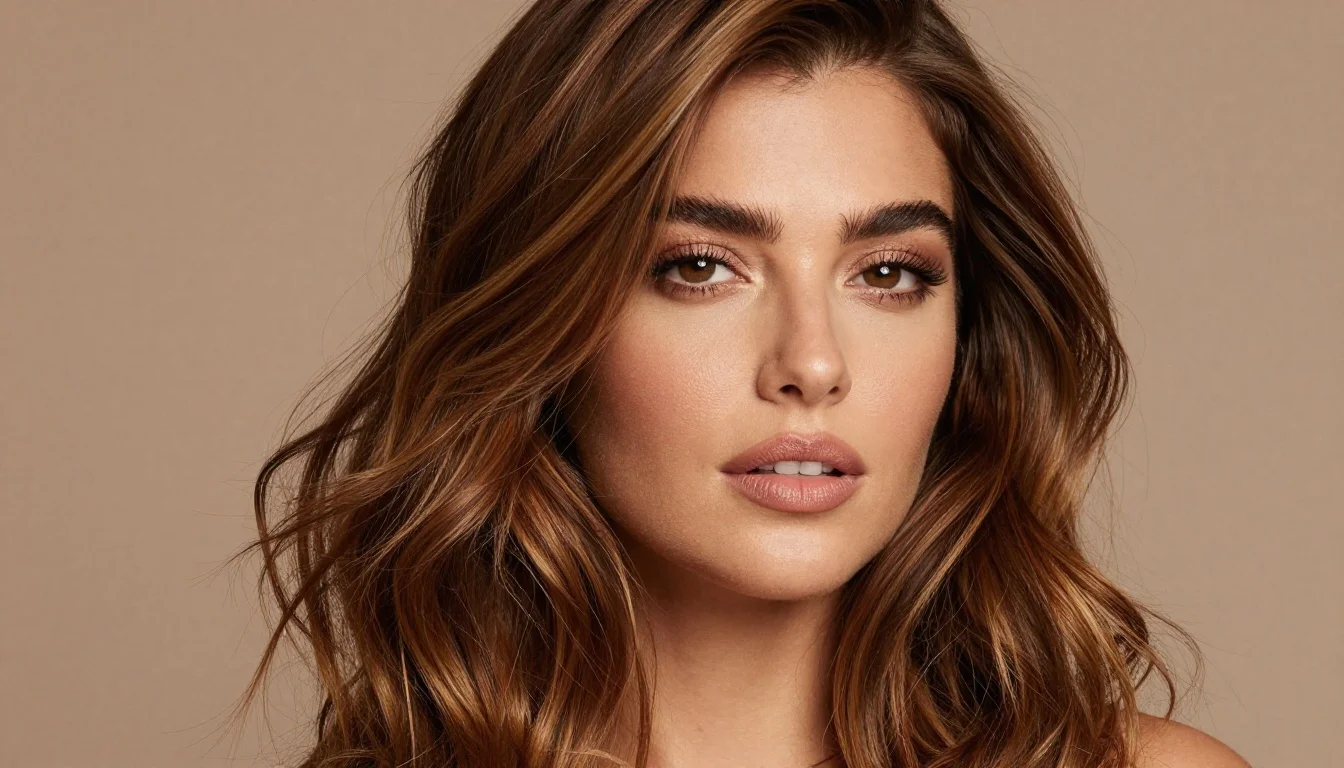
Narrow your warm hair-color lane
Warm undertones can suit honey blonde, caramel, auburn, or copper depending on contrast and season. Use the free hair color quiz before choosing the shade you want to try on.
Hair Colors That Work Against Warm Undertones
Ashy blonde and platinum
Ashy blonde and platinum are the most common hair color mistakes for warm undertones. These shades are formulated with cool, grey, or violet tones that directly conflict with the golden warmth of warm skin. The result is a temperature mismatch that makes warm undertones look sallow, dull, or slightly green. Platinum specifically pulls the warmth out of golden skin and leaves it looking flat. If you are warm-undertoned and want to go light, the answer is honey blonde or golden blonde — not ash or platinum.
Cool ash brown and grey-brown
Ash brown and grey-brown shades are brown hair colors formulated with cool, grey, or violet bases to neutralize warmth. On cool-undertoned skin, this creates a beautiful, sophisticated effect. On warm undertones, it creates the opposite: the coolness of the hair pulls against the warmth of the skin, making the complexion read as muddy or dull. If you want brown hair, choose warm chestnut, caramel brown, or golden brown — the same depth, the right temperature.
Cool-toned violet or blue-based reds
Not all reds are warm reds. Violet reds and blue-based reds (sometimes called cool reds or burgundy-leaning reds) have a blue-violet base that conflicts with warm undertones. On cool skin, these shades look rich and intentional. On warm skin, the cool base creates a visual disconnect — the red fights rather than harmonizes. For warm undertones, the right red has a clear orange-warm base: auburn, copper-red, and warm mahogany rather than cool burgundy, violet-red, or blue-red.
Stop guessing — preview every shade on you
See myself in my shadesHair Color Swaps for Warm Undertones
Trade temperature-conflicting shades for ones that harmonize with your warmth.
Platinum and icy blonde strip warmth from the palette and create a stark contrast against warm skin. Honey blonde and golden blonde preserve warmth at a light depth, creating cohesion rather than conflict.
Ash and champagne highlights carry cool tones that pull against golden or peachy skin. Golden and caramel highlights stay in the warm register and create dimension without temperature conflict.
Ash brown is formulated to neutralize warmth — which actively works against warm undertones. Warm chestnut and caramel brown have the same depth with golden, amber tones that harmonize with warm skin.
Burgundy and violet-reds have blue bases that create temperature conflict with warm skin. Auburn and copper-red have orange-warm bases that share the warmth frequency of golden or peachy undertones.
Blue and silver are firmly cool-temperature shades that directly conflict with warm skin. Warm rose gold and copper share the orange-warmth quality of warm undertones, making them cohesive rather than clashing.
Purple shampoo and ash glosses neutralize warmth — exactly what warm undertones do not want. A honey or golden gloss preserves and enhances the warmth that makes warm-undertoned hair look its best.
Which Seasonal Palettes Have Warm Undertones?
Warm undertones span several seasonal palettes — your specific season depends on your depth and saturation level in addition to your warmth. Your most flattering hair color will align with both your warmth and your specific depth within the warm seasonal family.
Warm Autumn
Learn moreWarm Autumn is the richest, most saturated warm season — deeply golden or peachy skin with warmth and depth throughout. If you are Warm Autumn, your best hair colors are the most saturated and earthy: warm chestnut, auburn, deep copper, rich golden brown, and warm mahogany. Your palette rewards depth and dislikes anything pale, cool, or bright. The signature Warm Autumn hair color is a rich, earthy auburn or a deep golden brown with copper highlights.
Warm Spring
Learn moreWarm Spring has the same golden undertone as Warm Autumn but lighter, clearer, and brighter. If you are Warm Spring, your hair colors should be lighter and more vibrant within the warm family — honey blonde, golden blonde, warm light brown, caramel, and golden highlights. Your palette avoids depth and darkness; your best hair shades are fresh and clear rather than rich and earthy. A honey blonde with warm golden highlights is a signature Warm Spring hair color.
Deep Autumn
Learn moreDeep Autumn combines deep depth with warm undertones — golden-warm skin at its richest and most saturated. If you are Deep Autumn, your best hair colors are the deepest in the warm family: deep auburn, warm dark brown, dark copper, and rich warm mahogany. Your skin has the intensity to carry the deepest hair shades while keeping them within the warm undertone register. Deep warm brunette with subtle auburn or copper undertones is the signature Deep Autumn hair direction.
Find Your Exact Warm Hair Color
Warm undertone is your starting point — but your specific season within the warm family determines the exact depth, saturation, and warmth level of hair color that makes your complexion look extraordinary. A personalized color analysis identifies whether you are Warm Spring, Warm Autumn, Deep Autumn, or another warm season and maps the specific hair color direction that works for your exact combination of undertone, depth, and contrast. The right warm hair color does not just flatter — it makes your skin look luminous and your whole appearance more cohesive.

Related Guides for Hair Color for Warm Undertones
Explore more personalized color advice based on your features.
Want to see these colors on you? Skin Undertone Test — free to try.
Frequently Asked Questions About Hair Color for Warm Undertones
What hair color is best for warm undertones?
The best hair colors for warm undertones share a warm base: honey blonde and golden blonde for light hair, caramel brown and warm chestnut for medium hair, auburn and warm mahogany for deeper shades, and copper for a bold statement. All of these shades carry golden, amber, or orange-warm tones that harmonize with the yellow, golden, or peachy quality of warm skin. The key is to avoid ashy, platinum, or cool-toned versions of any color family.
Can warm undertones go blonde?
Yes — but the type of blonde matters significantly. Warm undertones look their best in honey blonde, golden blonde, and amber blonde rather than platinum, ash blonde, or icy blonde. A warm blonde has golden and honey tones that harmonize with warm skin; a cool blonde has grey or violet tones that create temperature conflict. Going blonde as a warm-undertoned person is absolutely achievable — the key is choosing a warm formulation rather than a cool one, and using golden or honey toning products rather than purple shampoo.
Do warm undertones look good with auburn hair?
Auburn is one of the most naturally flattering hair colors for warm undertones. Auburn sits in the warm red-brown family with an orange-red base that resonates with the golden or peachy quality of warm skin. The warm temperature of auburn matches the warmth of your undertone, creating a cohesive, harmonious result. This is why auburn often looks particularly natural and luminous on warm-undertoned people — the temperatures are in alignment.
Should warm undertones use purple shampoo?
Generally, no. Purple shampoo is designed to neutralize warmth in blonde hair — which is precisely what warm-undertoned people do not want to do. Eliminating the warmth from your hair creates a temperature mismatch between your cool, ashy hair and your warm skin, making your complexion look sallow. For warm-undertoned blondes, a clear or golden toning gloss is a better choice than purple shampoo. If you must use purple shampoo to prevent brassiness, use it sparingly and avoid letting it sit long.
What is the difference between warm and cool hair color?
Warm hair colors are formulated with golden, amber, orange, or red undertones — honey blonde, caramel, auburn, copper. Cool hair colors are formulated with grey, ash, violet, or blue undertones — platinum, ash blonde, ash brown, cool burgundy. The base tone of the formulation determines whether the hair color harmonizes or conflicts with your skin's undertone. Warm undertones need warm hair formulations; cool undertones need cool hair formulations. Using the wrong temperature creates an obvious mismatch that no amount of styling corrects.
How do I know if my skin has warm undertones?
Several signs indicate warm undertones: your veins appear greenish rather than blue-purple; gold jewelry is more flattering than silver; you tan easily and develop a warm, golden tan rather than a pink or ruddy one; warm-toned clothing in rust, camel, and olive looks natural on you; and shades like peach, coral, and warm earth tones feel harmonious while icy pink and blue-toned colors feel off. A professional color analysis identifies your undertone and seasonal palette with precision, which then guides your most flattering hair color direction.