The Right Shade of Brownfor Warm Undertones
Warm undertones call for specific shades of brown — not all of them. Discover how to find the colors that actually flatter your coloring.
Warm undertones and brown sounds like a natural pairing — and it is, but only with the right browns. Golden, peachy, or yellow-toned skin resonates with warm shades of brown, not cool ones. Wear the wrong brown — an ashy taupe, a grey-tinged chocolate, a cool beige — and your warm skin looks dull and yellowish. Wear the right one — a rich cognac, a true camel, a warm amber — and your skin glows with a complementary warmth. The difference is not the color family, it is the temperature within it.


3,000+
happy clients
Why Temperature Within Brown Matters for Warm Undertones
Warm undertones and brown sounds like a natural pairing — and it is, but only with the right browns. Golden, peachy, or yellow-toned skin resonates with warm shades of brown, not cool ones. Wear the wrong brown — an ashy taupe, a grey-tinged chocolate, a cool beige — and your warm skin looks dull and yellowish. Wear the right one — a rich cognac, a true camel, a warm amber — and your skin glows with a complementary warmth. The difference is not the color family, it is the temperature within it.
Warm undertones mean your skin contains golden, peachy, or yellow pigmentation that gives it a warm cast. Colors that share this warm temperature — that contain yellow, orange, or red-warm undertones themselves — harmonize with warm skin, making it look healthy and radiant. Colors that clash with it — greys, cool blues, ashy neutrals — make warm skin look dull, yellowish, and tired.
Brown is a wide family that spans both temperature ranges. Cognac and camel are warm browns — they contain golden and amber warmth that resonates with warm skin. Taupe and cool chocolate are cool browns — they contain grey and ashy qualities that conflict with warm undertones. When you choose a warm brown for warm skin, the result is a harmonious warm-on-warm resonance. When you choose a cool brown, the result is a clash that makes both the skin and the garment look wrong.
The specific warm browns that work best also depend on your depth — how light or dark your skin is. Light warm skin with peachy undertones is often best served by lighter warm browns like camel and honey. Medium warm-golden skin can handle the full range from camel through cognac and tobacco. Deep warm skin benefits most from the richest, most saturated warm browns: cognac, amber, mahogany, and deep tobacco.
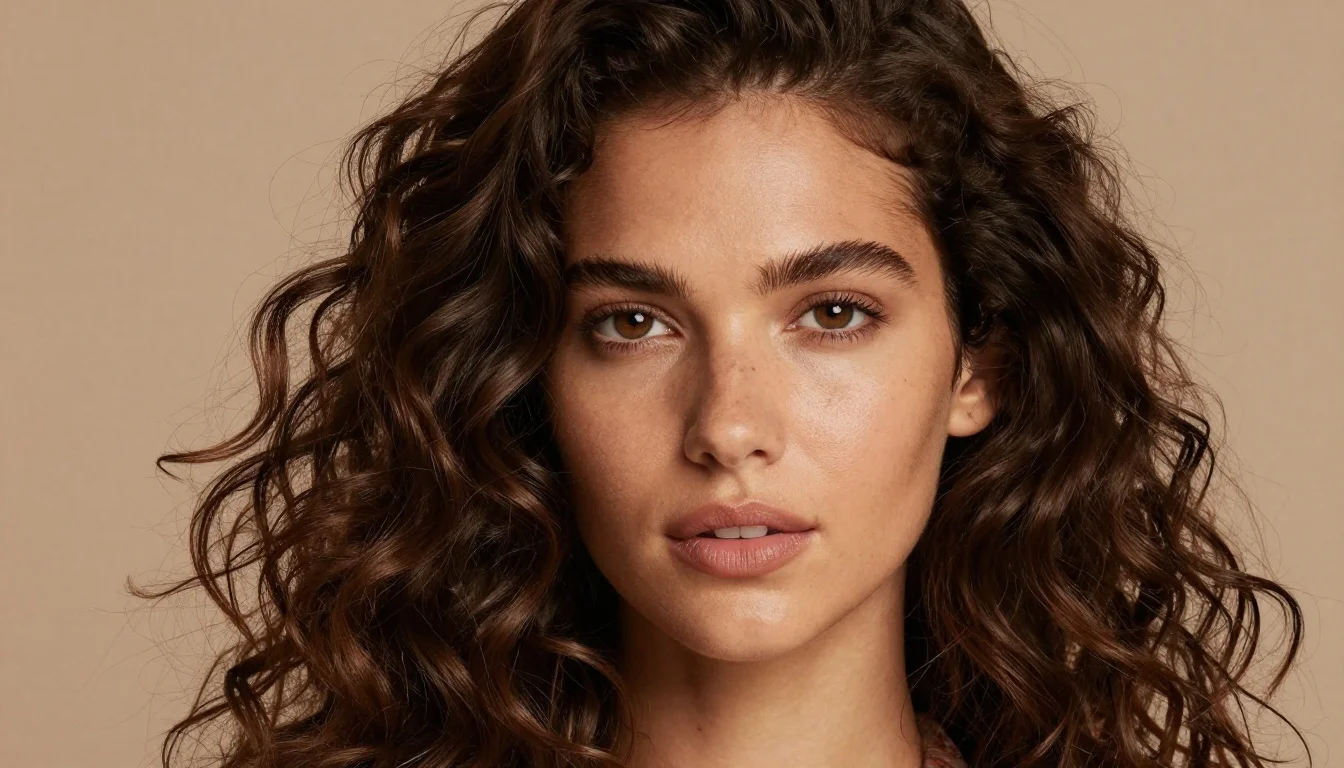
What shade of brown is best for warm undertones?
Cognac, camel, and warm amber are the best brown shades for warm undertones. All three carry genuine warmth — golden, amber, or reddish — that resonates with the yellow, peach, or golden quality of warm skin. The result is a harmonious warm-on-warm pairing that makes the skin glow. Avoid cool browns like taupe and ashy chocolate, which create temperature conflict.
The Brown Shades That Resonate with Warm Undertones
Cognac and Warm Amber
Cognac is the pinnacle warm-brown for warm undertones. Its reddish-amber warmth mirrors the golden quality of warm skin, creating a resonant glow rather than a contrast. Amber and burnt caramel operate similarly — warm, golden, rich. These shades look particularly good in leather goods and structured garments where the richness of the color shows. On golden-skinned people, cognac creates a harmonious monochromatic warmth that is both natural and striking.
True Camel and Golden Tan
Camel with genuine warm golden undertones is a classic for warm skin. The warmth in true camel mirrors the warmth of golden skin, creating a clean, harmonious pairing that reads as effortlessly put-together. Warm sand and biscuit brown operate in the same register. These shades are particularly effective for coats and outerwear — a camel coat on warm-undertoned skin is a signature combination that requires zero effort to look intentional.
Tobacco and Warm Saddle Brown
Tobacco is a deep, warm brown with enough reddish quality to harmonize with warm undertones while providing real depth and visual presence. Saddle brown and warm walnut share this quality. On medium-to-deep warm skin, these shades create a beautiful warm tonal layering. On lighter warm skin, they provide strong contrast while maintaining temperature harmony. These are the workhorses of the warm-undertone brown wardrobe — versatile, rich, and always harmonious.
Warm Terracotta-Brown and Rust-Brown
Warm skin tones can push into the red-warm browns that cooler undertones cannot handle. Terracotta-brown, warm rust, and clay brown all contain enough red-orange warmth to feel clashing on cool skin — but on warm skin they sing. The shared warm-orange quality between these shades and warm undertones creates a glowing resonance. These are particularly effective in autumn when the seasonal palette echoes the same warmth.

Ready to see cognac & amber on your face?
Start my color analysisWearing Warm Browns to Maximize Your Undertone
Building around a hero piece
Pick one warm brown hero piece — a cognac leather jacket, a camel coat, a tobacco blazer — and build your wardrobe around it. Warm browns work exceptionally well with white, cream, warm denim, olive green, and rust. These complementary colors all share some warmth, so a warm-brown outfit rarely looks disjointed. The hero piece does the heavy lifting; everything else can be a simple neutral.
Warm-on-warm tonal dressing
Warm undertones can do something cool undertones struggle with: genuinely successful warm-tonal dressing. A camel knit, cognac leather trousers, and amber boots is a head-to-toe warm-brown look that works because your skin anchors the warmth rather than clashing with it. The skin itself becomes part of the warm palette. This is the kind of outfit that reads as completely effortless on warm skin and nearly impossible on cool skin.
The cognac leather investment
If you have warm undertones and wear leather goods — bags, belts, boots, jackets — cognac is your single best leather investment. It works as a neutral on warm skin the way black leather works on cool skin: versatile, harmonious, and reliably polished. A cognac leather bag against a warm-toned complexion looks like the deliberate, confident choice of someone who understands their coloring. It is.
Autumn and seasonal alignment
Warm undertones are naturally at home in the autumn color family — and brown is autumn's most natural color. Tobacco, cognac, amber, and camel all feel genuinely at home in the autumn season both in terms of palette resonance and fashion timing. Use autumn to maximize your warm brown wardrobe and you will rarely have a bad dressing day from September through November.
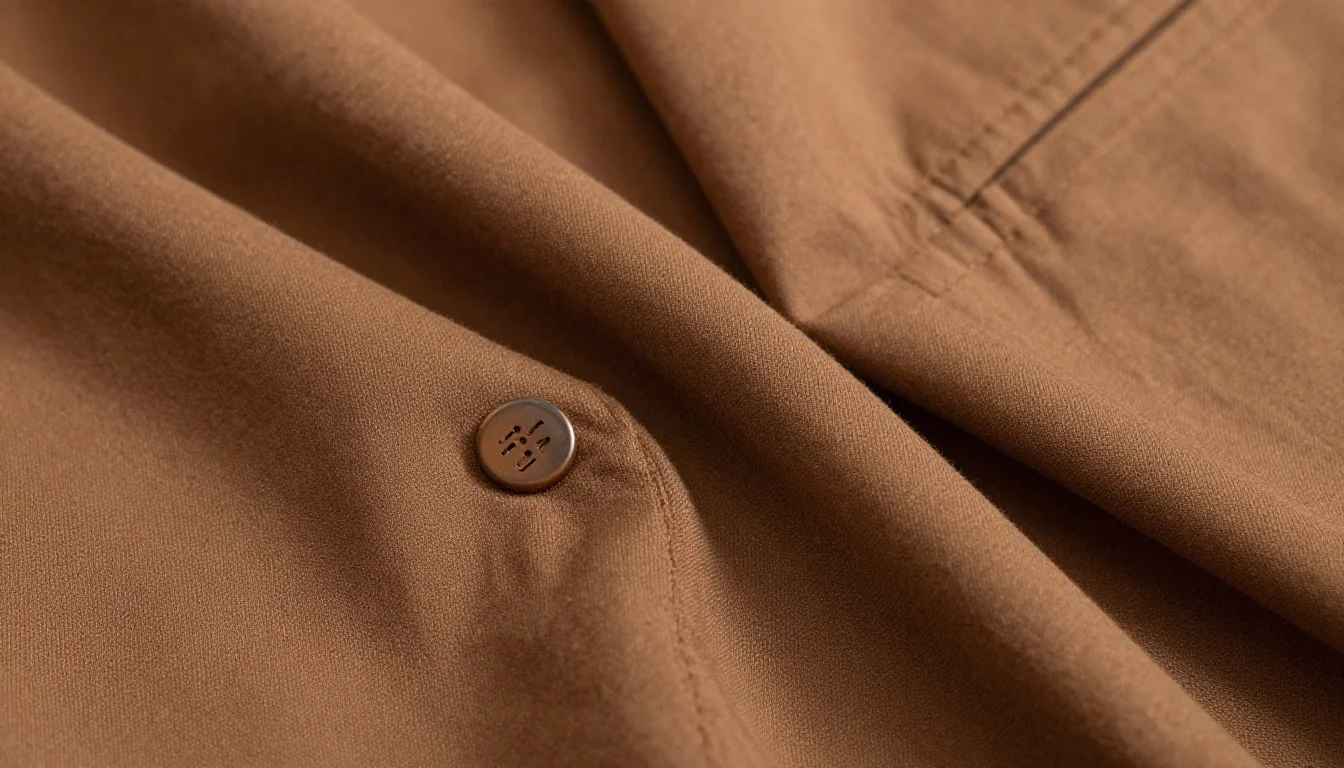
Brown Shades That Fight Warm Undertones
Cool taupe and grey-brown
Taupe is primarily a cool, grey-inflected neutral. On warm undertones, the ashy grey quality creates a direct temperature clash — the cool taupe fights the warm skin, making the skin look yellowish and the garment look dull. Taupe is a beautiful color on cool and neutral skin; on genuinely warm skin, it is consistently unflattering.
Ashy chocolate and cool-dark brown
Dark brown sounds rich and warm but can have cool, ashy, or bluish undertones that conflict with warm skin. A chocolate with blue-grey undertones is a different proposition from a warm chocolate with reddish-amber depth. If you pick up a chocolate and it reads as slightly grey or ashy, it is likely a cool chocolate that will not harmonize with warm undertones.
Greige and nude-beige brown
Greige — the grey-beige hybrid — is a cool neutral that sits at a problematic temperature for warm undertones. It is neither warm enough to resonate nor cool enough to contrast. On warm skin, greige creates a washed-out, undifferentiated quality. If you want a pale warm neutral, ivory or warm cream reads better than greige.
Very pale pinkish-brown
Pale browns with a pink cast rather than a golden one can make warm skin look off — the cool pink fights the golden warmth of the skin. This appears most commonly in lighter 'nude' browns designed for cool-undertoned skin. Warm nude tones with peach or golden warmth are a different matter and can work well.
Stop guessing — preview every shade on you
See myself in my colorsBrown Swaps That Warm Up Your Look
Replacing cool, ashy browns with the warm shades that harmonize with golden and peachy skin.
Taupe's grey undertone fights warm skin. Camel's golden warmth harmonizes with it, making your complexion glow rather than look yellowish.
Ashy beige reads as a failed neutral on warm skin. True camel with golden warmth creates a harmonious, polished pairing.
Grey-brown leather creates temperature conflict with warm undertones. Cognac leather harmonizes with warm skin and reads as a sophisticated neutral.
Cool chocolate with grey undertones can make warm skin look dull. Tobacco has the warm reddish depth that resonates with golden undertones.
Greige suede is a cool neutral that conflicts with warm skin's temperature. Cognac and tan boots work as warm neutrals that complement rather than clash.
Mushroom and pinkish-brown blazers fight the golden quality of warm undertones. Camel and amber carry the same warmth as your skin, creating coherent warmth.
Which Seasonal Palette Fits Warm Undertones and Brown?
Warm undertones appear across several seasonal palettes, and the specific warm browns that work best depend on which season you are. Understanding your season tells you exactly which cognacs, camels, and tobaccos belong in your palette.
Warm Autumn
Learn moreWarm Autumn is the archetypal home for warm-undertone dressing in brown. Your palette runs through camel, cognac, tobacco, amber, and warm chocolate — essentially the complete warm brown family. Your skin has golden or peachy warmth at medium depth, and brown in any warm shade is a near-guaranteed winner. Rust-brown and terracotta are also fully available to you.
Deep Autumn
Learn moreDeep Autumn with warm undertones has access to richer, darker warm browns: deep cognac, dark tobacco, mahogany, and espresso with reddish warmth. Camel works but lighter warm tans may create less impact than the deeper, richer shades your depth calls for. Your warmth comes through in the saturated, earthy richness of your best brown shades.
Warm Spring
Learn moreWarm Spring has warm undertones in a lighter, clearer register. Your best warm browns are on the lighter end — warm tan, golden honey, light camel — rather than deep tobacco or dark cognac. Warm Spring can wear these light warm browns beautifully as neutrals without getting overwhelmed by the darker, richer autumn browns.
Discover Your Exact Warm Brown Palette
Warm undertones make brown one of your most naturally resonant color families — when the shade has matching warmth. Cognac, camel, amber, and tobacco are not random choices; they are the shades that mirror the golden quality in your skin and create that effortless warm glow. A personalized color analysis identifies exactly which warm browns belong in your specific palette and which are still too cool, too dark, or too light for your particular depth and warmth.
Stop guessing — preview every color on you
Preview Yourself In Your Palette
Get my personalized paletteStop guessing — preview every color on you
Preview Yourself In Your Palette

Related Guides for Best Shade of Brown for Warm Undertones
Explore more personalized color advice based on your features.
Want to see these colors on you? Skin Undertone Test — free to try.
Frequently Asked Questions About Best Shade of Brown for Warm Undertones
What shade of brown is best for warm undertones?
Cognac, camel, and warm amber are the best brown shades for warm undertones. All three carry genuine warmth — golden, amber, or reddish — that resonates with the yellow, peach, or golden quality of warm skin. The result is a harmonious warm-on-warm pairing that makes the skin glow. Avoid cool browns like taupe and ashy chocolate, which create temperature conflict.
Is taupe good for warm undertones?
No — taupe is primarily a cool, grey-inflected neutral and it conflicts with warm undertones. On warm skin, taupe tends to make the complexion look yellowish and dull because the cool grey quality fights the warm golden undertone. Camel and honey are warm alternatives that occupy a similar value range but without the cool conflict.
Can warm undertones wear chocolate brown?
Yes, if it is a warm chocolate — one with reddish or amber depth rather than cool, ashy grey undertones. Warm chocolate and dark cognac are excellent for warm undertones. The problem arises with cool chocolate that has bluish or grey undertones. When choosing a dark brown, look for one that reads as warm and rich rather than grey and flat.
What makes cognac so good for warm skin?
Cognac works for warm skin because it is a warm brown — its reddish-amber quality shares the same warmth as golden or peachy undertones. When warm colors meet warm skin, they resonate rather than clash. Cognac also has enough depth and richness to read as a color choice rather than a neutral, which gives warm skin a flattering definition without any temperature conflict.
Are warm undertones suited to wearing full brown outfits?
Warm undertones are uniquely well-suited to warm-tonal brown dressing. A camel knit with cognac trousers and tan boots works beautifully on warm skin because your complexion anchors the warm palette. The skin itself becomes part of the warm register. This is much harder to achieve on cool undertones where all-brown risks looking muddy rather than intentional.