Hair Color forPale Skin
Pale skin reacts strongly to hair color — the right shade makes your complexion glow. Discover which shades complement your coloring — and which to avoid.
Hair color for pale skin is one of the most impactful beauty decisions you can make — more so than for most other skin tones. Pale skin has very little natural pigment buffer, which means hair color changes the entire look of your complexion. The right shade makes your skin look luminous. The wrong one makes it look flat, washed out, or even sallow.


3,000+
happy clients
Why Hair Color Matters More for Pale Skin
Hair color for pale skin is one of the most impactful beauty decisions you can make — more so than for most other skin tones. Pale skin has very little natural pigment buffer, which means hair color changes the entire look of your complexion. The right shade makes your skin look luminous. The wrong one makes it look flat, washed out, or even sallow.
Pale skin has less melanin close to the surface, which means it reflects and absorbs surrounding color more readily than deeper skin tones. The hair that frames your face is essentially a permanent, close-up color environment for your complexion. When the hair color has a warm golden cast, it reflects golden light onto pale skin — sometimes a luminous warmth, sometimes a slightly sallow quality. When it runs cool and ashy, it creates clean contrast that can look striking or, if too cold, a touch grey.
The undertone of pale skin matters enormously here. Pink-undertoned pale skin tends to harmonize with cool, ashy hair colors — ash blonde, cool medium brown, blue-black. These cool colors don't clash with the pink in the skin. Neutral or ivory-pale skin has more flexibility: warm blondes, strawberry, and even warm browns can look radiant rather than sallow. Understanding your undertone is the single most important step before choosing hair color.
Contrast is the other variable. Some pale skin tones are 'high contrast' — very fair skin paired with naturally dark features — and can carry deeper hair colors powerfully. Others are "low contrast" — fair skin, fair eyes, light hair — and look most cohesive in hair colors that stay near the natural range. Going dramatically darker than your natural color creates an artificial quality for low-contrast pale skin; going lighter can make high-contrast pale skin look washed.
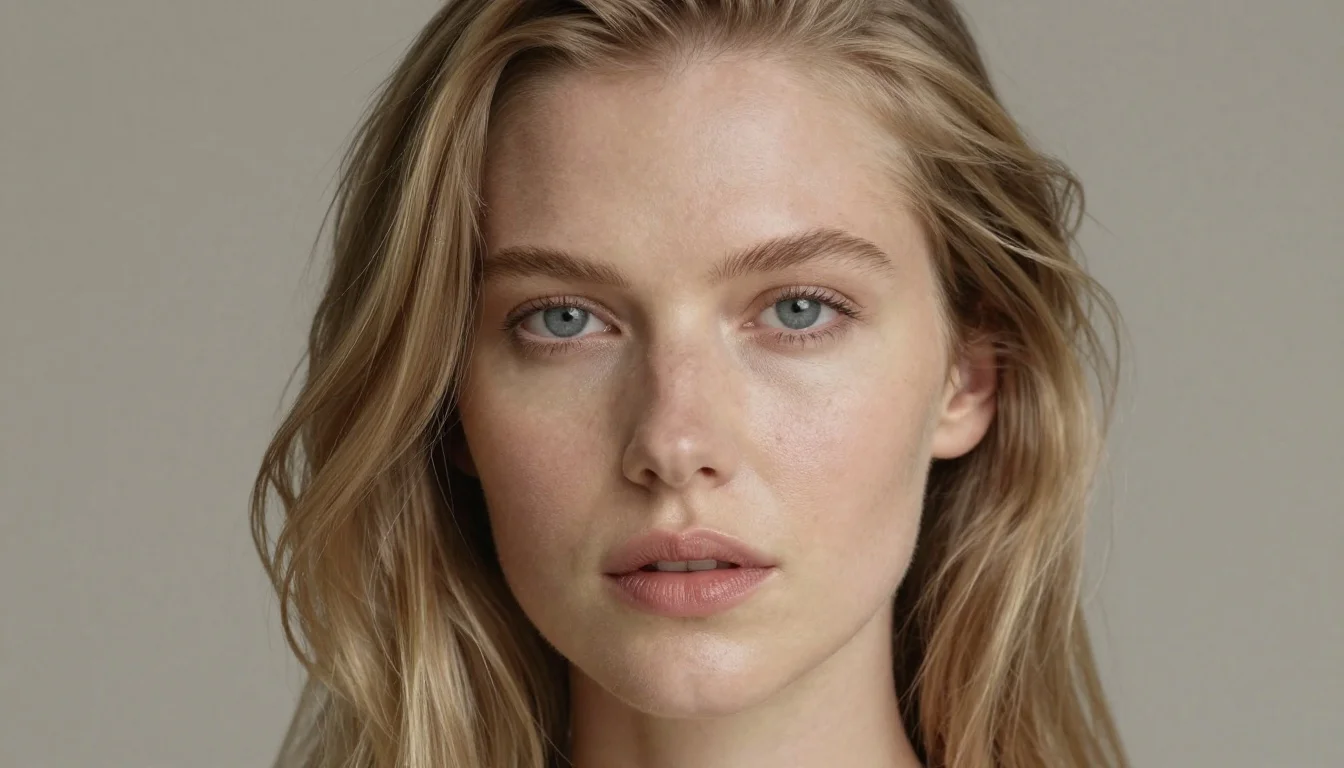
What hair color looks best on pale skin?
The best hair color for pale skin depends on your undertone. Cool or pink pale skin looks best with ash blonde, cool medium brown, or cool-leaning reds like burgundy. Neutral or warm pale skin suits honey blonde, strawberry blonde, and warm chestnuts. In general, avoid very brassy or golden-warm tones on cool pale skin, and stark black on naturally low-contrast pale skin.
Your Most Flattering Hair Color Families
Ash Blonde & Cool Platinum
Ash and cool blonde tones work beautifully on pink-undertoned or cool pale skin because they share the same cool register — there's no undertone conflict. Ash blonde creates a clean, Nordic look that makes fair skin appear crisp and luminous rather than washed. Platinum blonde is the most dramatic version: it requires truly cool or neutral undertones in the skin to work (on pink skin, platinum can look striking; on sallow skin, it drains further). Pearl blonde sits in between ash and platinum — softer and more approachable.
Cool Medium Brown & Chestnut
A medium brown with cool or neutral undertones is one of the most universally flattering hair color choices for pale skin. It creates clear, defined contrast between hair and skin without the harshness of black or very dark brown. Cool chestnut and ash brown both have a grey-cool quality that prevents the hair from reflecting warm light onto pale skin — keeping the complexion looking clean rather than sallow. Mushroom brown is the most on-trend version: cool, soft, and particularly flattering on cool or neutral pale skin.
Strawberry Blonde & Copper
For pale skin with neutral or slightly warm undertones, strawberry blonde and copper shades are uniquely flattering. The warm-red quality of these tones creates a complementary relationship with pale skin — the hair's warmth makes the skin look pinker, more flushed, and lively. This is why strawberry blonde and copper look particularly striking in natural light. Note: these shades are best suited for pale skin with at least a neutral undertone. Very pink-cool pale skin can find warm coppers slightly clashing.
Warm Blonde & Golden Honey
Warm blonde tones work best on pale skin with neutral-to-warm undertones or ivory-pale skin. The golden warmth in honey and buttery blonde creates a warm glow that reads as sun-kissed on the right pale complexion. On very pink or cool-pale skin, these shades can push the sallow-pink mismatch further — the gold in the hair fights the pink in the skin. Champagne blonde is the most versatile version: lighter and slightly cool-leaning, it sits between warm and cool enough to work on neutral pale skin.

Ready to see yourself in ash blonde & platinum blonde?
Start my color analysisHow to Choose and Maintain Hair Color for Pale Skin
Determining your undertone first
Before choosing hair color, identify your skin's undertone in natural daylight. Look at the veins on your inner wrist: blue-purple veins suggest cool undertones; green veins suggest warm; a mix suggests neutral. Also check: does silver or gold jewelry make your skin look better? Silver suits cool undertones, gold suits warm. Pale skin with cool undertones does best with ash, cool brunette, and platinum tones. Neutral-to-warm pale skin has much more flexibility with warm blondes and coppers.
Managing contrast intentionally
Think about the contrast between your natural hair color and your skin. If you have very fair skin and naturally light hair and eyes (low contrast), dramatic darkening often looks costume-like — the contrast is artificially high. Stay within 2-3 shades of your natural color or lighten rather than darken. If you have naturally darker hair with fair skin (high contrast), you can darken further or keep the depth — your skin is already set up to carry that contrast.
Toning and maintenance
Pale skin shows hair color changes more visibly than any other skin tone — regrowth, brassiness, and fading are all more apparent against a light-skin backdrop. Tone blonde and brunette shades with purple or blue shampoo every 1-2 washes to prevent brassiness. For blonde shades, budget for toning appointments every 6-8 weeks if you want to maintain crispness. Root regrowth on very dark hair against pale skin shows immediately — either maintain regularly or plan for a blended root.
Working with your eyebrow color
Pale skin with dramatically different hair and eyebrow colors looks mismatched — brows and hair should be in the same color family. If you go significantly lighter (e.g., platinum blonde), consider lightening brows slightly or using brow products to soften the darkness contrast. If you go darker, fill brows to match the hair's depth. Very pale skin with dark hair and very light or missing eyebrows creates an unintentional look — the brow-skin-hair relationship all matters.
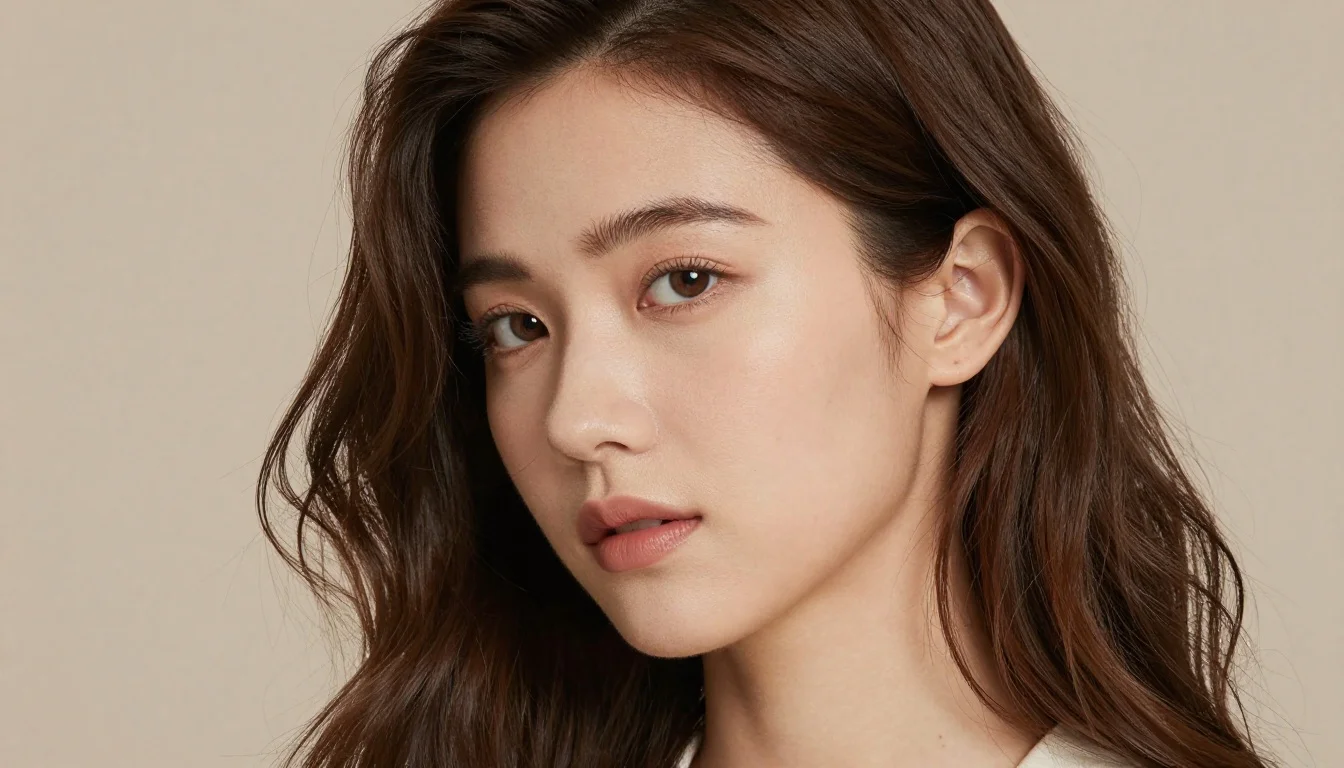
Hair Colors That Can Work Against Pale Skin
Jet black and stark blue-black
Very stark black hair can create a level of contrast with pale skin that looks theatrical rather than striking — particularly on naturally low-contrast pale skin. The harshness can emphasize redness in the skin and make any skin unevenness more visible. If you want dark hair on pale skin, soften to a deep espresso or dark chocolate brown rather than true black. Naturally high-contrast pale skin (very fair, with dark features) is the exception — true black can work powerfully here.
Brassy orange or overly warm golden tones
Brassiness is the enemy of pale skin. When blonde or brown hair goes brassy — developing unwanted warm orange or yellow tones — it creates a mismatch with the cool or pink quality of most pale skin. The result is a slightly muddy, conflicted look. Use purple or blue toning shampoo to counteract brassiness. When choosing hair color, lean cooler than your instinct suggests — hair always develops warmer over time.
Very dark auburn on cool-pink pale skin
A deeply warm auburn (strongly red-orange) can clash with pale skin that runs cool or pink. The warmth of the auburn and the cool of the skin work against each other, creating a look that seems slightly off. Lighter strawberry blonde or cool-toned red (burgundy) works far better on cool pale skin. Reserve warm auburn for pale skin with neutral or warm undertones.
Muddy or warm-toned medium brown
A medium brown with warm, golden, or muddy undertones can make pale skin look sallow — the warm hair reflects yellow-orange light onto the skin, emphasizing any yellow in an otherwise pink-pale complexion. If you want medium brown, always specify a "cool', 'ash', or 'neutral" tone. Warm medium brown is one of the most common hair color mistakes for pale-skinned people.
Stop guessing — preview every shade on you
See myself in my shadesYour Hair Color, Upgraded
Replace shades that work against pale skin with choices that make your complexion look its best.
Golden blonde can make cool pale skin look sallow. Ash blonde creates clean contrast that keeps the complexion looking crisp.
Jet black creates harsh contrast that can look theatrical. Dark chocolate gives depth and drama with a softer transition against pale skin.
Warm medium brown reflects yellow-gold light that makes cool pale skin look sallow. Ash brown keeps the skin looking its cleanest.
Strong orange-auburn clashes with cool pale skin. Strawberry blonde is softer and more harmonious; cool burgundy adds richness without the orange conflict.
Golden highlights around pale skin create warm reflections that can look muddy. Ashy or cool-toned highlights brighten without creating sallow cast.
High contrast roots against pale skin look unintentional quickly. A blended shadow root gives depth intentionally and is far more forgiving as it grows.
Which Palette Might Be Yours?
Pale skin appears across several seasonal families — the right hair color depends on your specific seasonal type. Cool pale skin, warm pale skin, and high-contrast pale skin each have different ideal hair color ranges.
Cool Summer
Learn moreIf your pale skin has a pink or cool-rosy undertone and your natural coloring is soft overall — ash blonde or mousy brown hair, cool grey or blue eyes — Cool Summer is a strong possibility. Your most flattering hair colors are in the ash, rose-blonde, and cool medium brown range. Avoid warm golden tones entirely.
Cool Winter
Learn moreIf your pale skin is very fair with a blue-pink undertone and your natural contrast is high — dark hair, strong brows, bright blue or dark eyes — Cool Winter may be yours. You can carry dark hair powerfully. Your best shades range from cool medium brown to deep espresso. Bold, high-contrast hair looks intentional on you.
Light Spring
Learn moreIf your pale skin is warm ivory (rather than pink-cool) and your coloring is delicate and light — golden blonde or light warm hair, warm hazel or light brown eyes — Light Spring is a possibility. Your most flattering hair colors are warm and light: honey blonde, champagne, warm strawberry. Golden tones that would overwhelm pink pale skin look luminous on ivory-pale spring skin.
Find Your Perfect Hair Color
Pale skin spans a meaningful range — from pink-cool to ivory-warm — and the hair colors that look most flattering depend precisely on where you fall. A personalized color analysis identifies your exact undertone, contrast level, and seasonal type so you can walk into a salon appointment knowing exactly what to ask for: which blonde tone, which brown temperature, which red family works with your specific version of pale skin.
Related Guides for Hair Color for Pale Skin
Explore more personalized color advice based on your features.
Want to see these colors on you? Virtual Hair Color Try-On — free to try.
Frequently Asked Questions About Hair Color for Pale Skin
What hair color looks best on pale skin?
The best hair color for pale skin depends on your undertone. Cool or pink pale skin looks best with ash blonde, cool medium brown, or cool-leaning reds like burgundy. Neutral or warm pale skin suits honey blonde, strawberry blonde, and warm chestnuts. In general, avoid very brassy or golden-warm tones on cool pale skin, and stark black on naturally low-contrast pale skin.
Does dark hair suit pale skin?
Dark hair can be very striking on pale skin, particularly on high-contrast pale skin (naturally fair with darker features). The key is choosing a deep espresso or dark chocolate brown rather than stark black — the latter can look harsh. If your pale skin is naturally low-contrast (fair skin with light hair and eyes), dramatic darkening often looks artificial rather than striking.
What blonde shade is best for pale skin?
Ash blonde and cool platinum are the most flattering blonde choices for pink or cool pale skin — they share the same cool register and create clean, luminous contrast. Honey or champagne blonde works better on neutral or warm ivory-pale skin. Avoid strongly golden or brassy blonde on cool pale skin — it creates sallow-looking reflections against the complexion.
Can pale skin have red hair?
Yes — pale skin and red hair is a classic combination. Strawberry blonde, warm copper, and cool burgundy all flatter pale skin in different ways. Strawberry blonde and copper look best on neutral or warm pale skin. Cool burgundy and wine-red work well on pink or cool pale skin. Avoid strongly orange-warm auburn on cool pale skin, which can create undertone conflict.
How do I avoid looking washed out with pale skin?
The main cause of looking washed out is hair color that's too close to your skin tone — very light blonde on very fair skin, for example — or hair color with no contrast to define your features. Create at least moderate contrast between hair and skin. Also avoid brassy or muddy warm tones that reflect unflattering light onto pale skin. A toner or gloss applied regularly keeps the hair looking intentional rather than faded.
Should pale skin go lighter or darker with hair color?
It depends on your starting point and undertone. Pale skin with naturally darker hair can go lighter for a softer look or maintain darkness for striking contrast — both work with the right tones. Pale skin with naturally light hair can go slightly darker for definition without appearing theatrical. As a rule: go cooler in tone regardless of depth. The temperature of the hair color matters more for pale skin than whether you go lighter or darker.