Eyeshadow forPale Skin
Pale skin shows eyeshadow beautifully — the contrast creates drama. Discover which tones look natural on you — and which to skip.
Pale skin is a canvas that shows eyeshadow more dramatically than almost any other complexion. The light surface means pigment reads clearly, contrast is inherently high, and colors that might look subtle on medium or dark skin become vivid and intentional on pale skin. This creates both opportunity and trap: the same high-contrast quality that makes deep jewel tones look stunning means certain shades — harsh dark browns, flat neutrals applied without blending — can look muddy or bruised. This guide covers the exact eyeshadow shades and combinations that use pale skin's contrast quality to its full advantage.


3,000+
happy clients
Why Pale Skin Shows Eyeshadow Differently
Pale skin is a canvas that shows eyeshadow more dramatically than almost any other complexion. The light surface means pigment reads clearly, contrast is inherently high, and colors that might look subtle on medium or dark skin become vivid and intentional on pale skin. This creates both opportunity and trap: the same high-contrast quality that makes deep jewel tones look stunning means certain shades — harsh dark browns, flat neutrals applied without blending — can look muddy or bruised. This guide covers the exact eyeshadow shades and combinations that use pale skin's contrast quality to its full advantage.
The fundamental quality of pale skin when it comes to eye makeup is contrast: light skin creates a high-contrast backdrop against which eyeshadow reads clearly and strongly. A deep cobalt blue that looks rich but wearable on medium skin looks graphic and dramatic on pale skin — not because you applied more, but because the contrast between the deep shadow and your light skin amplifies the impact of every shade you use.
Undertone matters significantly for pale skin. Cool-undertoned pale skin (pink, rosy, or blue-based fair skin) resonates most with cool and neutral eyeshadow families — mauves, dusty roses, cool plums, and soft greys. Warm-undertoned pale skin (peach, ivory, or golden fair skin) responds better to warm families — champagne, warm rose gold, peach-bronze, and warm taupe. Very cool shades on warm-pale skin can look ashy; very warm shades on cool-pale skin can look orangey against the pink undertone.
Pale skin also has a specific relationship with dark brown eyeshadow that needs attention. Very dark brown on pale skin without warm blending can look harsh and bruised — the stark contrast creates a heavy, unblended look even when technically blended. This isn't a reason to avoid depth; it's a reason to build depth gradually and warm up dark crease shades with a lighter blending shade beneath.
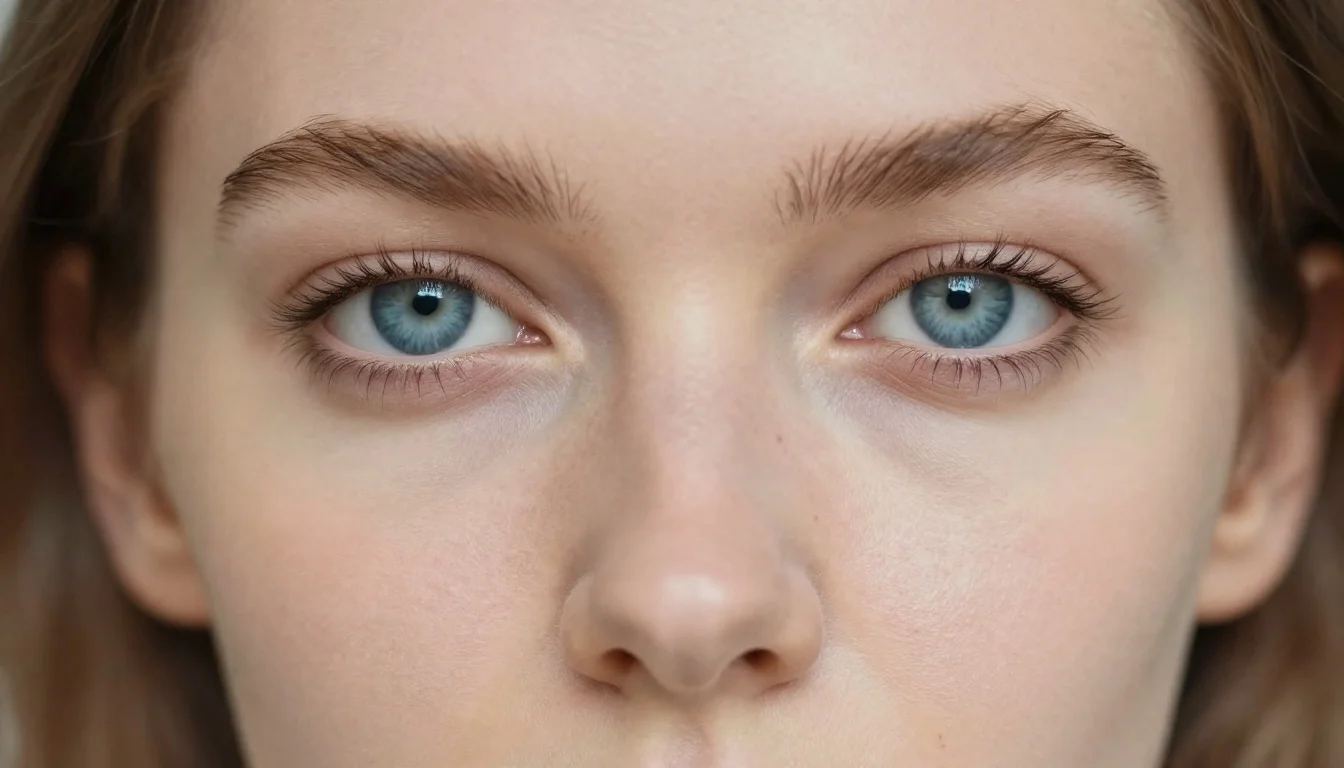
What eyeshadow colors look best on pale skin?
Deep jewel tones (cobalt, emerald, deep plum), warm rose gold and champagne, and cool mauves and dusty roses are the most flattering eyeshadow categories for pale skin. Pale skin's high-contrast quality means eyeshadow shows up clearly — you can go vivid with jewel tones or soft with rose gold depending on the look you want. Avoid flat white or very dark cold brown applied without blending.
Your Best Eyeshadow Shades
Deep Jewel Tones: High Drama on Fair Skin
Deep jewel tones are where pale skin creates its most striking looks. Cobalt blue on pale skin is graphic and intentional — the contrast between vivid blue and fair skin is one of the most photographically striking eye looks possible. Vivid emerald creates a luminous, jewel-like quality against light skin. Deep plum on pale skin looks rich and romantic — the purple-red tones complement the pink in cool-pale undertones particularly well. The key with jewel tones on pale skin is to lean into the drama rather than soften it: go deep at the outer corner and crease, and keep the lid either bare or lightly shimmered for balance.
Warm Rose Gold & Champagne: The Soft Glow Look
Rose gold eyeshadow on pale skin creates a flushed, luminous quality — the warm pink-gold tones relate to the rosy flush in fair complexions and look like enhanced natural coloring. Warm champagne is the most wearable everyday shade for pale skin: light enough to look natural, warm enough to avoid the flat look of white or stark beige. Peach-bronze sits between the softness of champagne and the depth of copper — a versatile transition shade that brightens pale skin without looking heavy. These shades work equally well on cool-pale skin (where the warmth adds glow without clashing) and warm-pale skin (where it resonates with the skin's own warmth).
Cool Mauves & Dusty Roses: The Classic Fair-Skin Palette
Cool mauves and dusty roses are a classic choice for pale skin because they align with the pink undertone in many fair complexions — they look like a refined, intentional version of your skin's natural flush. Dusty mauve on pale skin looks sophisticated and romantic without the severity of very dark shades. Cool rose works as a mid-tone that bridges a natural lid shade and a deeper crease shade. Soft lavender is uniquely flattering on cool-pale skin — it echoes the skin's undertone, brightens the eye area, and looks fresh rather than costume-like. Muted berry creates depth without the full drama of dark plum.
Neutral Browns: Building Depth Without Harshness
Neutral brown eyeshadows on pale skin require warmth — a cold, dark brown can look harsh and bruised against the high contrast of fair skin. Warm taupe is the most forgiving neutral for pale skin: it adds definition and depth without the stark contrast of darker browns, and its slightly rosy-warm quality plays well with fair undertones. Rosy brown bridges the neutral and pink families in a way that suits cool-pale skin especially well. When you need more depth, build warm taupe gradually into a soft warm brown rather than going straight to dark brown.

Ready to see yourself in cobalt blue & emerald?
Start my color analysisHow to Apply Eyeshadow for Maximum Impact on Pale Skin
Using contrast strategically
Pale skin's high-contrast quality means you can choose how much drama you want. For a striking look, go deep at the outer corner and crease with a jewel tone and leave the lid light — the contrast does the work. For a softer look, keep the entire eye in the same tonal family (all mauves, all rose golds) and vary only the depth. Avoid mixing warm and cool shadows on the same eye, as the contrast between warm and cool on pale skin looks less blended than on medium complexions.
Building brown shades without bruising
To get depth from brown shadows without the bruised effect, start with a warm taupe or light warm brown as a transition shade across the crease. This warm base softens the contrast before you add depth. Then build your crease shade on top — the transition layer prevents the stark edge that makes dark brown look harsh on pale skin. Blend thoroughly at the edges where shadow meets bare skin, as this junction is more visible on pale skin than on other complexions.
Making jewel tones wearable every day
Jewel tones on pale skin don't have to be reserved for evening. A single wash of dusty plum, muted emerald, or deep cobalt across the lid in a matte formula looks intentional and polished rather than dramatic for daytime. Keep the rest of the face simple — clean skin, minimal blush — and the jewel tone eye reads as a deliberate, sophisticated choice rather than excessive. Sheerer formulas of jewel tones also let you control intensity.
Maximizing rose gold and champagne
For the most flattering everyday look on pale skin, layer warm champagne as a base across the entire lid, concentrate rose gold or peach-bronze at the center of the lid, and add a touch of slightly deeper rose-mauve at the outer corner. This three-shade approach creates dimension using warm, skin-resonant tones that look like enhanced natural coloring rather than added color. Finish with warm champagne at the inner corner to open the eye.
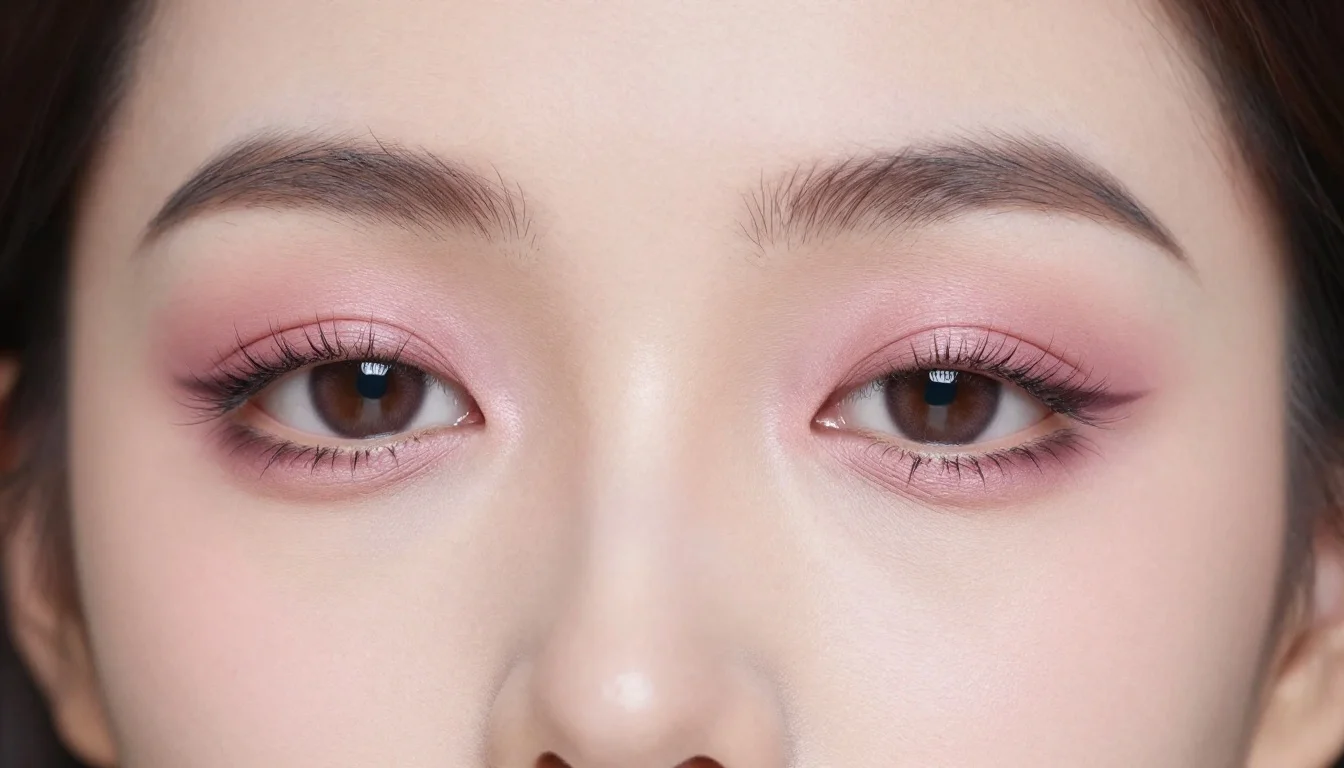
Eyeshadow That Works Against Pale Skin
Very dark, unsoftened brown
Very dark brown eyeshadow applied directly without warm blending shades beneath it can look harsh and bruised on pale skin — the high contrast between dark brown and fair skin reads as a shadow under the eye rather than intentional color. This doesn't mean avoiding depth; it means building from lighter warm browns and blending the edges thoroughly. Warm taupe as a base before adding depth prevents the muddy-bruised effect.
Flat, stark white
Flat white eyeshadow on pale skin disappears — it has no contrast to the skin and reads as bare skin. As a highlight or inner corner shade, it also lacks the warmth to look luminous rather than flat. Warm champagne or light rose gold has the same brightening effect with warmth and dimension that white lacks. The exception is stark white used as a graphic liner or very precise inner corner dot, where intentional contrast is the point.
Very warm orange-brown on cool-pale skin
Warm orange-brown eyeshadow on cool-pale skin (with pink or rosy undertones) can look muddy and clash with the skin's cool undertone — the orange-warm of the shadow fights the pink-cool of the skin. On warm-pale skin with peachy or ivory undertones, warm bronze is flattering; on cool-pale skin, a slightly cooler brown or mauve-brown works better.
Stop guessing — preview every shade on you
See myself in my shadesYour Eyeshadow Kit, Upgraded for Pale Skin
Replace the shades that fall flat or look harsh on fair skin with ones that use the contrast to your advantage.
Flat beige disappears on pale skin. Warm champagne has the same lightness with warmth and dimension that actually shows and glows.
Dark cold brown can look bruised on pale skin. Building from warm taupe creates depth without the harsh contrast.
Black on pale skin can look severe without warmth. Deep plum or cobalt creates the same drama with color that looks intentional and vivid.
Cool grey can look flat on pale skin without strong shadow contrast. Dusty mauve adds color and definition while relating to fair skin undertones.
Flat white has no contrast or warmth on pale skin. Warm champagne or pearlescent rose creates genuine luminosity that opens the eye.
Which Seasonal Palette Fits Pale Skin?
Pale skin appears across multiple seasonal palettes — the specific season determines whether your best eyeshadow leans cool and soft, cool and vivid, or light and warm.
Light Summer
Learn moreIf your pale skin has a cool or neutral-cool undertone — rosy, pinkish, or cool ivory — and your overall coloring is soft and muted (light hair, soft eye color), Light Summer is likely your season. Your best eyeshadow is soft and cool: dusty mauve, soft lavender, muted rose, cool taupe. Vivid colors overwhelm your softness — the muted, blended version suits you best.
Cool Summer
Learn moreIf your pale skin is cool-undertoned with more contrast than Light Summer — sharper features, cooler coloring — Cool Summer may fit better. Your eyeshadow can go deeper: deep cool plum, cool berry, soft cobalt, and rose-mauve. The cool, somewhat muted quality still holds but you can handle more depth and definition.
Light Spring
Learn moreIf your pale skin has a warm undertone — peachy, ivory, or warm fair — Light Spring is your season. Your eyeshadow is warm and light: peach champagne, warm rose gold, soft warm coral, light warm bronze. Everything has a light, warm, springlike quality. Deep jewel tones may feel too heavy — lighter, warmer versions serve you better.
Find Your Exact Eyeshadow Palette
Pale skin's specific best eyeshadow depends on whether your undertone is cool, warm, or neutral, and how much natural contrast your coloring creates. A personalized color analysis identifies your exact season and gives you the specific shade families and undertone ranges that work for your individual fair complexion.

Related Guides for Eyeshadow for Pale Skin
Explore more personalized color advice based on your features.
Want to see these colors on you? What Colors Look Good on Me — free to try.
Frequently Asked Questions About Eyeshadow for Pale Skin
What eyeshadow colors look best on pale skin?
Deep jewel tones (cobalt, emerald, deep plum), warm rose gold and champagne, and cool mauves and dusty roses are the most flattering eyeshadow categories for pale skin. Pale skin's high-contrast quality means eyeshadow shows up clearly — you can go vivid with jewel tones or soft with rose gold depending on the look you want. Avoid flat white or very dark cold brown applied without blending.
Does dark eyeshadow suit pale skin?
Yes — pale skin handles deep, dramatic eyeshadow well because the contrast makes color vivid and intentional. The key is to avoid very dark brown applied without warm blending shades beneath it, which can look bruised. Instead, build depth from warm taupe through to deeper brown, or go directly to jewel tones (plum, cobalt, emerald) which look striking and intentional rather than harsh on pale skin.
What eyeshadow makes blue eyes pop on pale skin?
Warm copper and rose gold create the strongest contrast with blue eyes on pale skin — the warm orange-gold of copper is complementary to blue on the color wheel, making eye color appear more vivid. Deep plum and warm burgundy also enhance blue eyes through the same complementary contrast. Avoid blue eyeshadow, which blends with blue eyes rather than making them pop.
What eyeshadow is best for green eyes on pale skin?
Deep plum, burgundy-plum, and warm rose are the most effective shades for making green eyes pop on pale skin — the red-violet of plum is complementary to green on the color wheel, intensifying eye color. Warm copper and rose gold also work well, creating a warm glow around green eyes without being opposite. Avoid green eyeshadow, which tones with the iris rather than contrasting with it.
Is neutral eyeshadow good for pale skin?
Warm neutral eyeshadow works beautifully on pale skin — warm champagne, soft rose gold, warm taupe, and rosy brown are flattering everyday options. The key is 'warm neutral' rather than 'flat neutral': pale beige and stark white have no contrast or warmth on pale skin and can look flat. Warm champagne and rose gold create a luminous, polished neutral look with dimension.
What seasons have pale skin?
Pale skin appears in Light Summer, Cool Summer, Light Spring, and occasionally True Summer and Bright Spring. The specific season depends on your undertone (cool, warm, or neutral) and overall contrast level. Light Summer has cool, soft pale skin; Cool Summer has cool, higher-contrast pale skin; Light Spring has warm, light pale skin. A personalized color analysis identifies your exact season based on your full coloring.