Contour Shades forOlive Skin
Olive skin needs contour shades with the right undertone. Discover which tones look natural on you — and which to skip.
Contouring olive skin requires more undertone awareness than most tutorials suggest. The classic cool-grey contour — designed for fair skin — looks grey and unnatural on olive complexions. Warm bronzer contour in the wrong shade blurs into olive's warmth rather than sculpting. The right contour for olive skin sits in a specific zone: warm enough to look like natural shadow, deep enough to create definition, without the cool cast that makes olive look muddy or the orange cast that makes contour disappear.


3,000+
happy clients
Why Olive Skin Needs a Different Contour Approach
Contouring olive skin requires more undertone awareness than most tutorials suggest. The classic cool-grey contour — designed for fair skin — looks grey and unnatural on olive complexions. Warm bronzer contour in the wrong shade blurs into olive's warmth rather than sculpting. The right contour for olive skin sits in a specific zone: warm enough to look like natural shadow, deep enough to create definition, without the cool cast that makes olive look muddy or the orange cast that makes contour disappear.
Contouring works by mimicking natural shadow — the way depth and light naturally define the face. Natural shadow on any skin tone is a deeper, slightly cooler version of the skin's own tone. On olive skin, natural shadow has a warm-grey quality: deeper than the skin, with a slight grey coolness but embedded within the skin's overall warm register. Most contour products are formulated for either fair cool skin (too grey for olive) or warm tan skin (too orange-warm for olive). The right match sits between these.
Olive skin's yellow-green quality means cool-grey contour powders — the most common contouring shades — photograph as obviously grey on olive faces. The cool undertone of grey contour doesn't blend seamlessly into olive's warm register; it sits on top looking like shadow the skin doesn't generate naturally. This is why contour that looks defined and chiseled on lighter skin looks painted and unnatural on olive skin with the same product.
The solution is warm-toned contour with enough depth and a slight grey-brown quality — not pure warm orange, not pure cool grey, but a warm brown-taupe that mimics the natural deepening of olive skin in shadow. Matte formulas in a cool-medium brown shade rather than orange-warm bronzers. Applied with a light hand and blended with a damp sponge or brush into the skin.
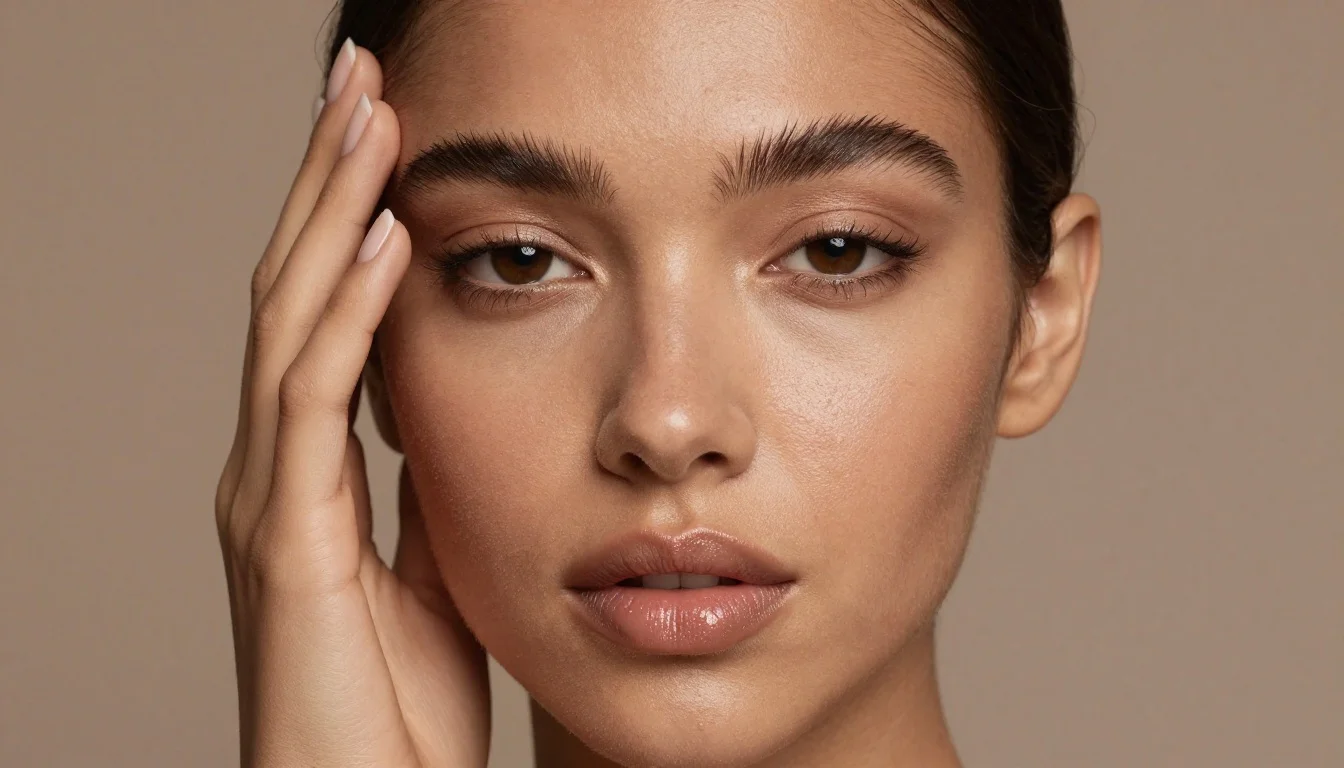
What contour shade is best for olive skin?
A warm-neutral brown — not orange-warm like a bronzer, not cool-grey like fair-skin contour — works best for olive skin. Look for shades described as 'cool brown,' 'neutral brown,' or 'warm taupe' rather than 'warm golden' or 'cool grey.' The shade should mimic natural shadow on olive skin: deeper with slight grey-brown quality, embedded in warmth. Test against your skin — right contour looks like natural shadow, wrong contour looks grey or orange.
Your Best Contour Shades and Approaches
Cool-Warm Brown: The Natural Shadow Shade
The most effective contour shade for olive skin is a warm-but-neutral brown — not orange-warm like a bronzer, not cool-grey like a fair-skin contour. A cool-warm medium brown mimics what olive skin's natural shadow looks like: deeper, with slight greyness, embedded in warmth. MAC's Sculpt palette for medium skin, shades labeled 'cool brown,' and brown-taupe contour powders all sit in this zone. Test against your olive skin: it should look like a deeper version of you in shadow, not an added-on product.
Matte Formula
Contour should always be matte — shimmer in a contour shade reads as shimmer highlight rather than shadow, negating the sculpting effect. For olive skin especially, a clean matte formula prevents the grey-shimmer effect that shimmer contour creates on warm undertones. A matte brown powder or cream with no shimmer or sheen is your foundation for effective olive skin contouring. If you want glow, add it separately as a warm champagne highlighter on the high points.
Warm Bronzer for Soft Contour
For a softer, more natural contour look, a warm-neutral matte bronzer applied to the temples, cheek hollows, and jaw creates dimensional warmth rather than sharp definition. This works particularly well on olive skin because the bronzer sits naturally within olive's warm register. The key is 'neutral-warm' rather than 'vivid orange warm' — a bronzer that's a few shades deeper than the foundation with no orange or shimmer. This creates a sun-kissed dimensional look rather than a dramatic Hollywood contour.
Cream Contour for Natural Finish
Cream contour blends into olive skin more seamlessly than powder because it merges with the skin rather than sitting on top. A warm-neutral brown cream contour stick applied to the hollows of the cheeks and blended with fingertips or a damp sponge creates the most natural-looking definition for olive skin. The cream formula integrates with the skin's natural warmth, making it harder to over-apply than powder contour. This is especially effective for daytime wear when heavy definition looks unnatural.

Ready to see yourself in medium brown & brown?
Start my color analysisHow to Contour Olive Skin
Start lighter than you think you need
Olive skin can look over-contoured easily if the shade is too deep or applied too heavily. Start with a small amount of product and build. It's much easier to add contour than to remove it — over-contoured olive skin looks muddy and dated, while well-blended light contour looks naturally dimensional. Use a fluffy brush for powder contour, applying with a light sweeping motion and blending edges thoroughly before building any additional depth.
Focus on the natural shadow zones
Contour works best when it mimics where shadow naturally falls on the face. For olive skin, the most natural-looking contour goes in three places: the hollows below the cheekbones (sucking in slightly to find the hollow), the temples, and under the jawline. Avoid contouring the nose unless you have significant experience — nose contour requires a very precise hand and very light application to avoid looking unnatural, especially on olive skin where warm undertones make contour more visible.
Blend with a damp sponge for seamless finish
Dry powder brushes blend contour on top of olive skin; a slightly damp sponge blends it into olive skin. For the most natural-looking result on olive complexions, apply powder contour with a brush and then blend the edges with the flat side of a damp beauty sponge. This pushes the product slightly into the skin and softens any harsh lines, creating a shadow that looks like it belongs to the face rather than applied to it.
Pair with warm champagne highlight, not silver
The highlighter you pair with contour matters as much as the contour itself. A warm champagne or warm pearl highlighter on the high points — cheekbones, bridge of nose, cupid's bow — creates a warm-cool dimension that looks natural on olive skin. Silver or icy highlight creates temperature conflict with olive's warmth. The warm highlight — warm contour combination creates the most dimensional, natural-looking sculpted effect specifically for olive complexions.
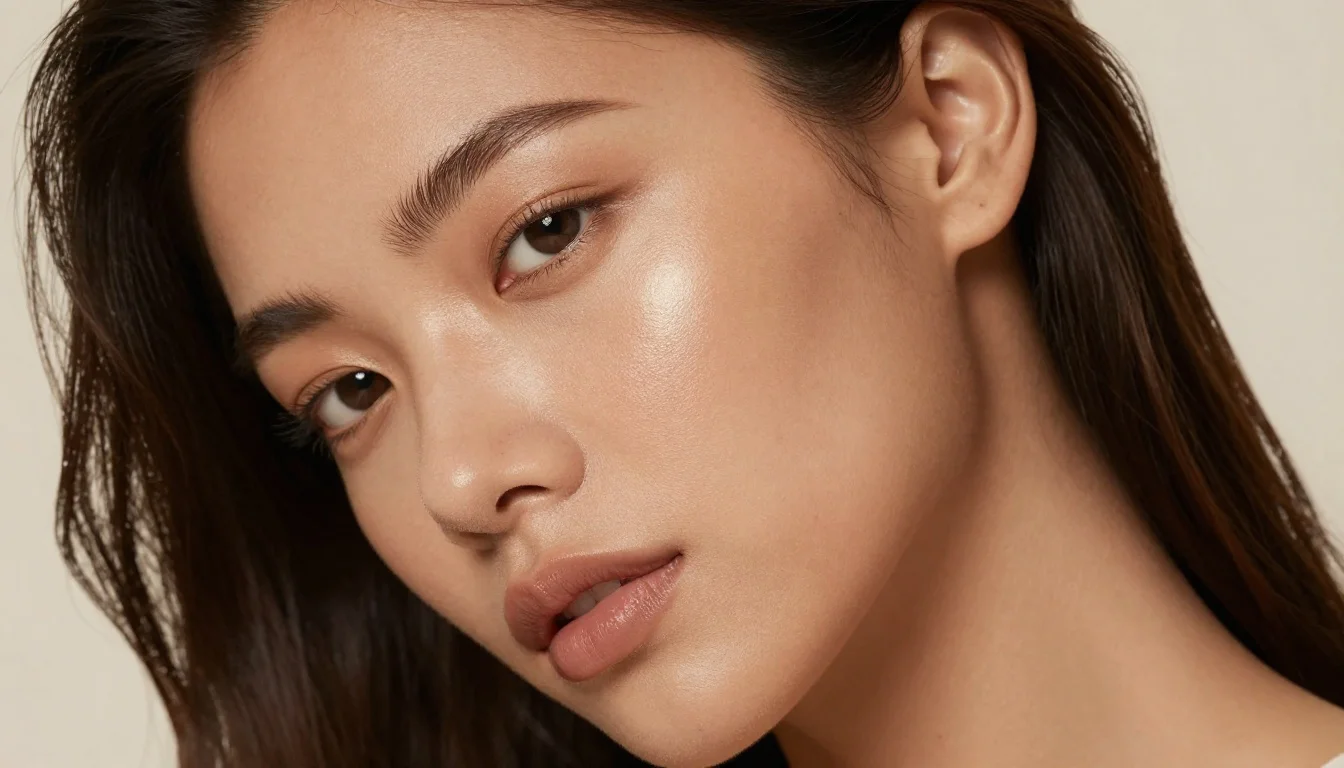
Contour Mistakes on Olive Skin
Cool grey or taupe contour
The classic cool-grey or light cool-taupe contour designed for fair skin creates an obviously grey shadow on olive complexions. Olive's warm yellow-green undertone makes cool grey look like an added-on grey rather than a natural shadow. The cool-grey contour that looks beautifully chiseled on light cool skin looks painted and unnatural on olive skin. Even in the same depth, the undertone mismatch is visible.
Very warm orange-bronzer contour
Using a vivid warm orange bronzer as contour blends into olive skin's own warmth without creating definition. Orange-warm bronzer and olive skin sit in the same warm register, so the bronzer disappears rather than creating shadow. It also looks muddy in close photography. Choose a neutral-to-cool brown for contour rather than a warm orange bronzer — save the bronzer for overall warmth and use a specifically brown shade for definition.
Shimmery contour
Shimmer in a contour shade defeats the purpose — shadow is matte. Shimmer contour on olive skin looks particularly strange because the shimmer reflects light in the hollows where shadow should absorb it. Always use a matte contour formula. If a contour product has any shimmer or sheen, set it aside for other uses.
Contour powder that's too light
A contour shade that's only slightly deeper than the foundation creates indistinct, muddy definition on olive skin — the warmth and depth of olive undertones require enough contrast in the contour shade to register. Aim for a contour shade two to three times deeper than your foundation, in the right brown-neutral undertone. Insufficient depth creates a smudged look rather than definition.
Stop guessing — preview every shade on you
See myself in my shadesYour Contour Kit, Calibrated for Olive Skin
Common contouring mistakes on olive skin — and what works instead.
Cool grey looks unnatural on olive's warm register. Warm-neutral brown mimics the natural shadow olive skin creates, blending seamlessly.
Orange bronzer merges into olive warmth without definition. A neutral-warm matte bronzer creates dimension while staying within olive's natural register.
Silver highlight creates cool-warm temperature conflict on olive skin. Warm champagne amplifies olive's natural luminosity in the sculpted high points.
Dry brush blends contour on top of olive skin. A damp sponge blends into it, creating the seamless shadow effect that looks natural rather than applied.
Olive skin looks over-contoured easily. Starting light and building lets you find the right depth without crossing into muddy or overdone territory.
Shimmer in contour defeats the shadow effect and looks strange in olive's hollow zones. Matte creates the depth that mimics natural shadow.
Which Palette Might Be Yours?
Olive skin appears across warm seasonal palettes. Your season helps refine the exact depth and warmth level of contour that works best for your specific olive coloring.
Soft Autumn
Learn moreIf your olive skin is lighter-medium and muted, Soft Autumn may be your season. Your contour: a soft warm-brown taupe, applied with an extra-light hand. Soft Autumn's coloring is subtle — heavy contouring overwhelms it. A gentle warm-taupe blush-contour hybrid creates soft dimension without definition.
Warm Autumn
Learn moreIf your olive skin has rich warmth and medium depth, Warm Autumn fits. Your contour: a warm medium-brown, slightly deeper and cooler than your bronzer. Warm Autumn suits more defined contouring — your depth and warmth can carry it without looking overdone.
Deep Autumn
Learn moreIf your olive skin is deeper and richly pigmented, Deep Autumn may be yours. Your contour: a deep warm brown, 3-4 shades deeper than your foundation. Deep Autumn's depth allows for the most dramatic contouring — the richness of your coloring creates visual context for defined shadow.
Find Your Exact Contour Shade
The right contour shade for olive skin is a specific brown-neutral that doesn't exist in most basic tutorials. Your seasonal palette identifies which depth and warmth level of contour is most effective for your specific olive skin. A personalized color analysis gives you this precision — and the exact shade families that make your olive complexion look most beautifully sculpted.
Related Guides for Contour for Olive Skin
Explore more personalized color advice based on your features.
Want to see these colors on you? What Colors Look Good on Me — free to try.
Frequently Asked Questions About Contour for Olive Skin
What contour shade is best for olive skin?
A warm-neutral brown — not orange-warm like a bronzer, not cool-grey like fair-skin contour — works best for olive skin. Look for shades described as 'cool brown,' 'neutral brown,' or 'warm taupe' rather than 'warm golden' or 'cool grey.' The shade should mimic natural shadow on olive skin: deeper with slight grey-brown quality, embedded in warmth. Test against your skin — right contour looks like natural shadow, wrong contour looks grey or orange.
Can olive skin use grey contour?
No — cool grey contour looks unnatural and painted on olive skin because the cool undertone doesn't blend with olive's warm yellow-green register. The grey sits on top of the skin rather than integrating as natural shadow. A warm-neutral brown contour creates the same definition while actually blending seamlessly into olive's warmth.
Should I use bronzer or contour for olive skin?
Both, but for different purposes. Bronzer (warm neutral matte bronzer) creates overall warmth and gentle sun-kissed dimension at the temples and perimeter. Contour (warm-neutral brown, slightly cooler and deeper than the bronzer) creates specific definition in the hollows of the cheeks and under the jaw. Using both creates a complete dimensional look. Use bronzer first for warmth, then add contour specifically for definition.
What highlighter pairs with contour on olive skin?
Warm champagne or warm pearl highlighter works best with contour on olive skin — applied to the high points of the cheekbones, bridge of nose, and cupid's bow. Avoid icy silver or cool white highlighter, which creates temperature conflict with olive's warmth. The warm contour — warm champagne highlight combination creates the most natural-looking dimensional sculpt for olive complexions.
How do I blend contour on olive skin without it looking grey?
Start with the right shade — warm-neutral brown rather than cool grey. Apply with a fluffy powder brush using light sweeping motions. Blend edges with a slightly damp beauty sponge, which pushes the product into the skin rather than leaving it on top. Build gradually rather than applying heavily upfront. The combination of right shade and damp-sponge blending eliminates the grey cast that contour creates on olive skin when the shade or technique is wrong.
Does olive skin need contour?
Olive skin doesn't need contour — it has natural warmth and depth that creates its own dimension. But contouring can enhance definition and create structure if done correctly with olive-appropriate shades. The risk is over-contouring, which looks muddy on olive complexions. For everyday wear, a warm neutral bronzer applied lightly to the temples and perimeter often creates enough dimension without any dedicated contour shade.