Best Blush forDark Skin
Sheer or pale blushes are invisible on dark skin — or worse, they sit on top as an obvious product. Discover which tones look natural on you — and which to skip.
Dark skin has the deepest melanin density of any skin tone, which means blush needs to work harder to register. Sheer or pale blushes don't just fade — they sit on top of deep skin as an obvious layer of the wrong product. The key is pigment density and warmth: deep warm berry (red-based, never cool-purple), rich terracotta, and warm red-based blush in buildable, full-coverage formulas. These shades match the depth and warmth of dark skin and read as a genuine flush, not as product.


3,000+
happy clients
Why Pigment Density and Warmth Are Everything for Dark Skin
Dark skin has the deepest melanin density of any skin tone, which means blush needs to work harder to register. Sheer or pale blushes don't just fade — they sit on top of deep skin as an obvious layer of the wrong product. The key is pigment density and warmth: deep warm berry (red-based, never cool-purple), rich terracotta, and warm red-based blush in buildable, full-coverage formulas. These shades match the depth and warmth of dark skin and read as a genuine flush, not as product.
Dark skin has the highest melanin concentration of any complexion, and this creates two challenges that most blush advice ignores. First, depth: any blush shade that lacks sufficient pigment density simply will not show up against the richness of deep skin. A sheer peach or a light pink blush that delivers a visible flush on fair or medium skin disappears entirely — or, even worse, sits as a chalky layer — on dark skin. Pigment density is not optional; it is the baseline requirement.
Second, undertone: dark skin typically has warm undertones — mahogany, red-brown, blue-black, or golden-deep — depending on the individual. Any blush shade that lacks warmth will register as an alien object on the skin rather than a natural flush. Cool pinks, lavenders, and any blush with a blue base creates an undertone conflict with the warmth inherent in most deep complexions, making the blush look disconnected and unnatural.
The formulas that solve both problems are pigment-dense, buildable blushes in deep warm tones: deep warm berry that leans red rather than purple, rich terracotta and warm brick tones, and full-saturation warm red-based blush. These shades have both the depth to register visibly and the warmth to resonate with deep skin's undertone. Applied correctly, they look like a natural internal warmth rising from within rather than product sitting on top.
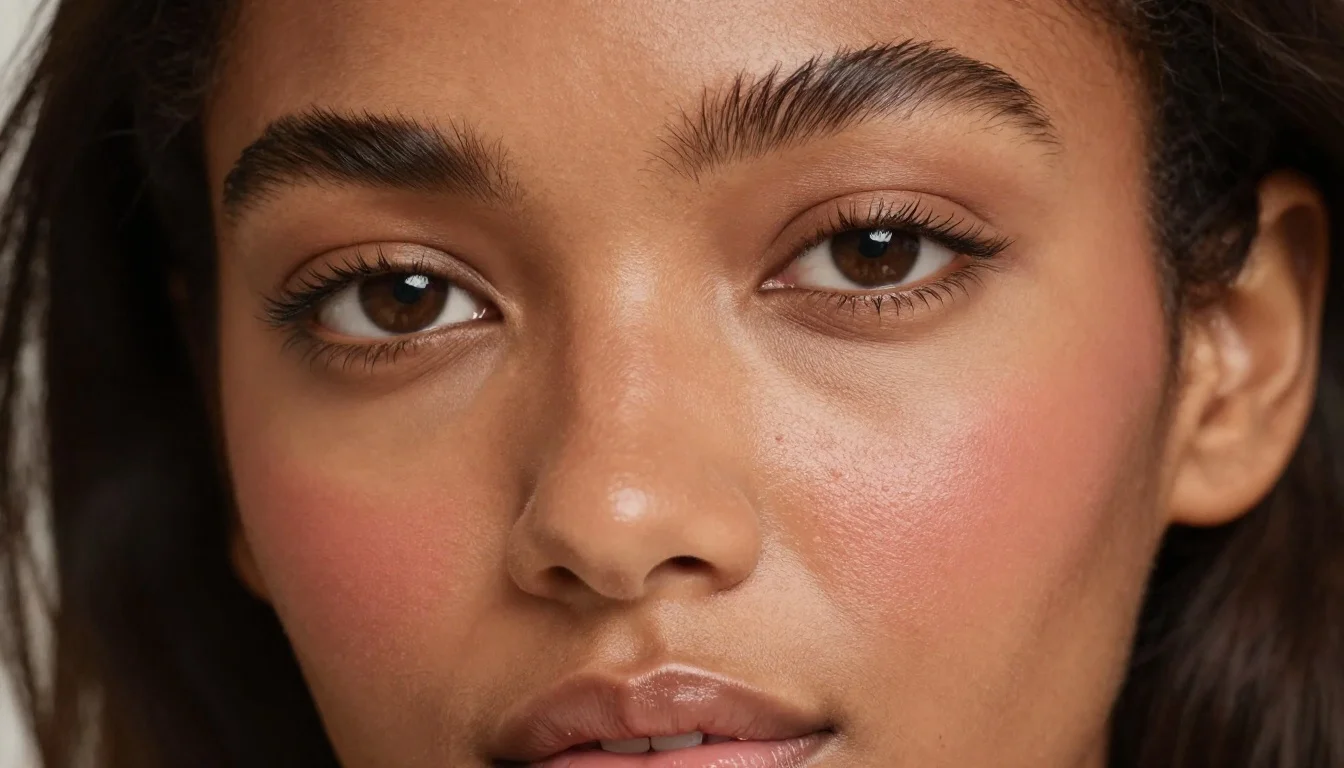
What blush color shows up on dark skin?
Deep warm berry (red-based, not cool-purple), rich terracotta, warm brick, and warm red-based blush shades all register naturally on dark skin. These shades have two essential qualities: sufficient pigment density to show up against deep melanin, and warm undertones that resonate with the warmth of most dark complexions. Sheer or pale blushes disappear on dark skin; pigment-dense, warm-toned formulas in deep shades are what actually register as a flush.
The Best Blush Shades for Dark Skin
Deep Warm Berry: The Signature Dark-Skin Blush
Deep warm berry is arguably the single most flattering blush category for dark skin, and the critical detail is the undertone: red-based, never cool-purple-based. A warm berry that leans toward red registers on deep skin as a rich, natural flush and photographs beautifully. A cool-purple berry creates an undertone mismatch with the warmth of dark skin and reads as wrong. Used in a buildable formula, deep warm berry can be worn for a natural everyday flush or built up for a dramatic evening look.
Rich Terracotta and Warm Brick
Terracotta and warm brick blush shades resonate deeply with the earthy warmth present in many dark complexions. These shades are warm-toned at depth, with enough pigmentation to register visibly without reading as costume. Rich terracotta on dark skin looks like a sun-warmed flush — intentional, glowing, and deeply flattering. Paired with a warm bronzer base, the result is one of the most striking all-warm-face looks achievable in beauty.
Warm Red-Based Blush
A warm red-based blush — not a cool blue-red, but a golden-warm red — is a bold choice that dark skin carries better than any other skin tone. The richness of a warm red blush is balanced by the depth of dark skin in a way that looks powerful and deliberate rather than overdone. The key is the warm, golden-red base: avoid anything with a cool or blue cast. Apply with a targeted brush to the cheekbones for maximum effect.
Deep Warm Peach and Copper
For a softer everyday option that still registers on dark skin, deep warm peach and copper-toned blush shades work beautifully when sufficiently pigmented. These shades need to be darker and more saturated than a standard peach — the light apricot that works on tan skin disappears on deep skin. Deep warm peach or copper-peach in a full-pigment formula gives a warm flush that reads as natural and adds golden warmth to the complexion.

Ready to see yourself in berry & red based?
Start my color analysisHow to Apply Blush on Dark Skin
Choose pigment-dense, buildable formulas
The single most important blush rule for dark skin is formula selection: choose blushes with full pigment density that are also buildable. A highly pigmented, buildable powder or cream formula lets you start with a single light pass and add layers until the flush registers at the intensity you want. Avoid sheer formulas entirely — they require so much product to show up on dark skin that they sit as a layer rather than blending. Look for products specifically marketed to medium-deep or deep skin tones, as these are formulated with appropriate pigment levels.
Placement and technique
Apply blush higher on the cheekbones than you might on lighter skin — targeting the area directly below the outer corner of the eye and sweeping up toward the temple. This placement maximizes visibility on deep skin and creates a lifted, sculpted effect. Use a dense, domed brush for powder blush to concentrate the pigment where you need it. For cream blush, stipple directly onto the cheekbones with fingertips or a damp beauty sponge and blend outward for a natural finish.
Layer over bronzer for a cohesive warm look
Dark skin handles the combination of bronzer and blush exceptionally well. Apply a warm-toned bronzer across the forehead, cheekbones, and nose bridge first, then layer deep warm berry or terracotta blush directly on the cheekbones. The bronzer creates a warm, unified base that makes the blush read as part of the skin rather than applied product. This layered technique creates the full sun-kissed warmth that is one of the most striking looks for deep complexions.
Build gradually, check in natural light
Dark skin can absorb significantly more blush product than is visible under artificial lighting, leading to over-application that only becomes obvious outdoors. Build your blush in 2-3 light layers, checking the result in natural light or bright daylight-balanced light between each pass. A flash photo also reveals blush intensity accurately. The goal is visible warmth that reads as a flush, not a patch of concentrated color — building gradually with a light hand at each layer gives you control.
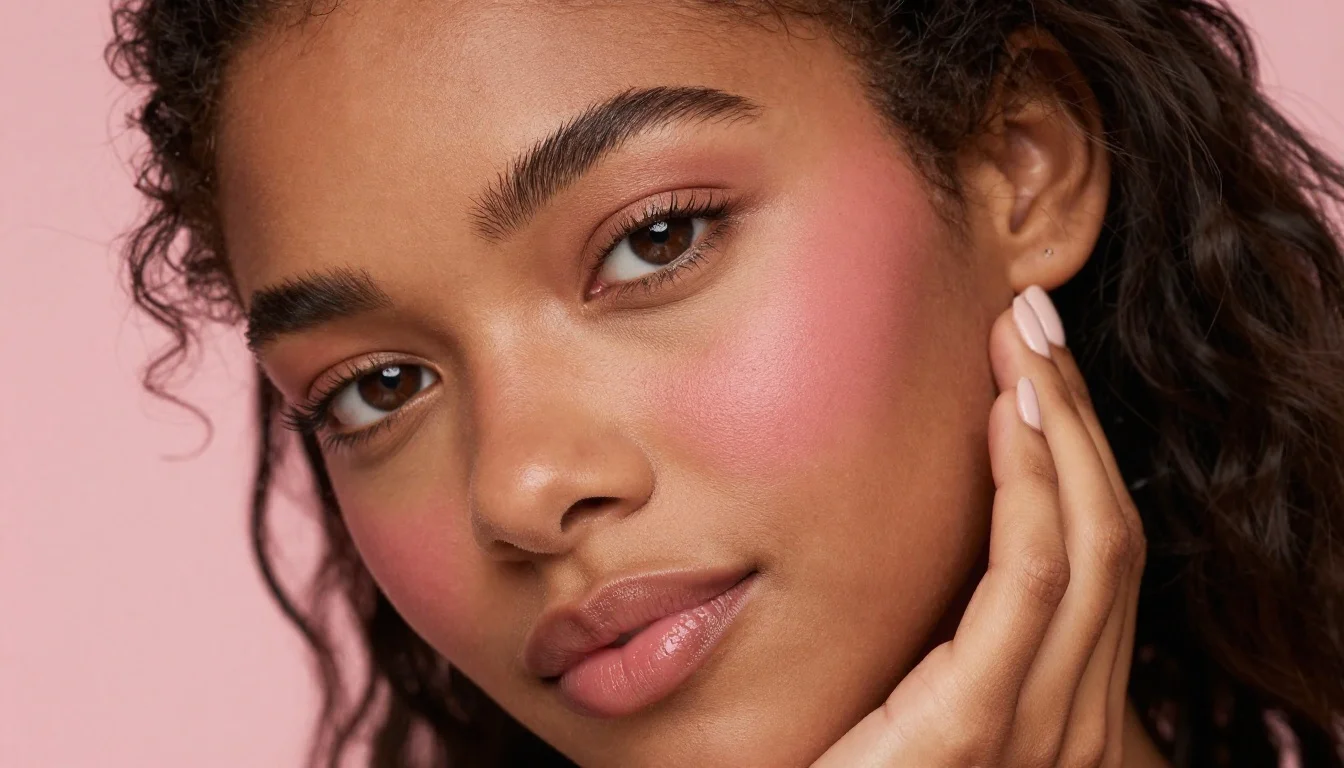
Blush Shades That Fail on Dark Skin
Sheer or lightly pigmented blush of any shade
Regardless of the specific hue, sheer blush formulas are the most common mistake on dark skin. A sheer formula that delivers a flush on fair skin delivers nothing on deep skin — or reads as a powdery, chalky layer sitting on the surface. Dark skin requires blush with genuine, full pigment density. Always look for buildable, pigment-rich formulas.
Light pink and pastel pink blush
Light pink and pastel pink blushes are doubly inappropriate for dark skin: they lack the pigment density to register, and they lack the warmth to resonate with deep complexions. Even if applied heavily, light pink on dark skin reads as the wrong product rather than a flush. The combination of insufficient depth and cool undertone creates an effect that looks like foundation contamination rather than a natural blush.
Cool berry and purple-based blush
A cool berry or purple-based blush is the most dangerous close call for dark skin. It seems like a deep enough shade to register, but the cool-purple undertone conflicts with the warmth of most dark complexions and reads as an obvious color sitting on top of the skin rather than a flush. Always check that a berry blush leans red rather than purple before applying it to deep skin.
Lavender and mauve blush
Lavender and mauve blushes are both cool-toned and too light in depth for dark skin. They disappear on deep complexions without registering as color, and any residual visible tone looks chalky and disconnected from the warm depth of dark skin. These shades are designed for cool fair or medium complexions and should not be used on deep skin tones.
Stop guessing — preview every shade on you
See myself in my shadesBlush Swaps for Dark Skin
Replace formulas and shades that disappear or sit on top with versions that read naturally on deep complexions.
Standard pink lacks both the depth and the warmth to show up naturally on dark skin. Deep warm berry has the density and resonance to read as a genuine flush.
Sheer peach disappears on dark skin. Deep warm peach with full pigmentation gives the same warm-flush effect at a depth that registers.
Cool berry clashes with the warmth of dark skin. A red-based warm berry gives the same drama in a tone that complements and resonates with deep complexions.
A standard-depth terracotta can look muddy on dark skin. A rich, deeply pigmented terracotta resonates with the earthy depth and reads as a warm glow.
A large fluffy brush diffuses pigment too much on dark skin, making it harder to see. A denser brush concentrates pigment where it is needed for visible impact.
Sheer powder formulas are the main culprit for blush invisibility on dark skin. Cream blush melds into deep skin for a natural flush, and full-pigment powder gives buildable control.
Which Seasonal Palette Fits Your Dark Skin?
Dark skin appears across several deep seasonal palettes. Your specific season determines which blush shades are most harmonious with your personal coloring.
Deep Autumn
Learn moreDeep Autumn covers deeply warm dark skin with golden-brown, mahogany, or warm ebony tones. Your ideal blush range: rich terracotta, deep warm berry, and warm brick. The Deep Autumn palette is built around earthy warmth at full depth — these complexions look extraordinary in the richest, most pigmented warm blush shades.
Deep Winter
Learn moreDeep Winter covers dark skin with cooler or more neutral undertones — blue-black, neutral ebony, or cool-deep brown. Your blush range is narrower than Deep Autumn: deep warm berry and warm red-rose work well, but go slightly cooler than pure terracotta. The depth remains the same; the undertone is slightly less golden-warm.
Warm Autumn
Learn moreSome dark skin tones are on the warmer end without being the absolute deepest — a rich, warm medium-deep brown with strong golden undertones. Warm Autumn is a possible match here. Blush shades: warm terracotta, apricot-bronze, and deep warm peach. The emphasis is on warmth and richness rather than maximum depth.
Find Your Exact Blush Palette for Dark Skin
Dark skin with the right blush is extraordinarily striking — deep warm berry on a dark complexion creates a richness and warmth that few other skin tones can achieve. A personalized color analysis identifies your specific seasonal palette within the deep range, giving you the exact blush families, depth levels, and undertones that make your complexion glow and your features come alive.

Related Guides for Best Blush for Dark Skin
Explore more personalized color advice based on your features.
Want to see these colors on you? What Colors Look Good on Me — free to try.
Frequently Asked Questions About Best Blush for Dark Skin
What blush color shows up on dark skin?
Deep warm berry (red-based, not cool-purple), rich terracotta, warm brick, and warm red-based blush shades all register naturally on dark skin. These shades have two essential qualities: sufficient pigment density to show up against deep melanin, and warm undertones that resonate with the warmth of most dark complexions. Sheer or pale blushes disappear on dark skin; pigment-dense, warm-toned formulas in deep shades are what actually register as a flush.
Why does blush disappear on my dark skin?
The most common cause is insufficient pigment density. Blush formulas developed for fair or medium skin lack the pigment concentration to show up on dark complexions. The fix is choosing blushes formulated with full, buildable pigment — specifically in deep warm tones (berry, terracotta, warm red). A sheer product applied heavily will sit on top of dark skin rather than blending in; a full-pigment buildable product applied in layers reads as a natural flush.
Can dark skin wear pink blush?
Not standard pink blush — most pink blushes are too light in depth and too cool in undertone to work on dark skin. They either disappear entirely or read as chalky product sitting on the surface. Deep warm berry or a warm red-rose gives the same "flushed" quality in tones that have the depth and warmth to resonate with dark complexions.
What is the best blush formula for dark skin?
Full-pigment buildable formulas — either cream or pigment-dense powder — are the best for dark skin. Cream blush applied with fingertips or a damp sponge melds into deep skin for the most natural flush. Dense powder blush with full pigmentation lets you build color gradually. Avoid sheer powder formulas entirely; they require over-application to show up and then sit on the surface rather than blending. Look for products specifically formulated for deeper complexions.
Should dark skin use bronzer with blush?
Yes — bronzer before blush creates the best result on dark skin. Apply a warm-toned bronzer across the cheekbones, temples, and nose bridge first to establish a warm base, then layer deep warm berry or terracotta blush on the cheekbones. This approach makes the blush look cohesive and like part of the skin rather than a separate product applied on top. The combination of bronzer and deep warm blush creates one of the most striking looks for dark complexions.
What blush is best for very deep dark skin?
For the deepest dark skin tones, the richest, most pigmented versions of warm berry and terracotta are the best. Deep wine-red berry blush, rich warm brick, and bold warm red-rose in full-coverage formulas give the most visible, natural-looking flush. Build in layers, check in natural light between applications, and use a dense cheek brush to concentrate pigment where it is needed. The deepest dark skin tones can carry bold, rich blush shades that lighter complexions cannot — this is one of the most striking advantages of deep skin.