The Right Shade of Redfor Dark Skin
Dark skin and red is a breathtaking combination — but the shade determines everything. Discover how to find the colors that actually flatter your coloring.
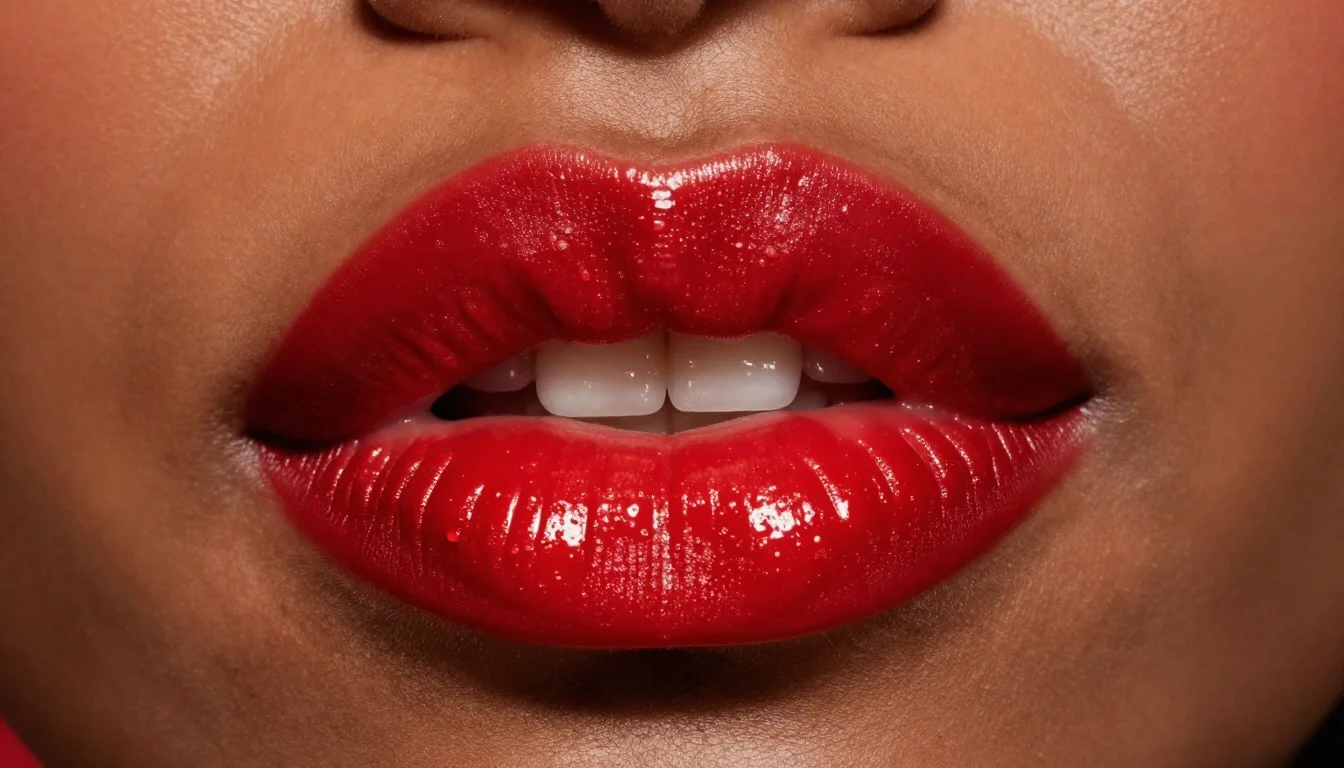
Dark skin and red is one of the most powerful color pairings in existence. The richness of a deep complexion against a saturated red creates visual impact that lighter skin simply cannot replicate — the combination is bold, regal, and inherently striking. But not all reds are created equal for dark skin. The shade question is about undertone alignment and contrast calibration. Deep complexions span a wide range of undertones — warm and golden, cool and blue-black, red-toned, neutral — and the red that harmonizes with one undertone may clash with another. Here is how to identify your exact red.


3,000+
happy clients
Why Deep Complexions Need Specific Red Shades
Dark skin and red is one of the most powerful color pairings in existence. The richness of a deep complexion against a saturated red creates visual impact that lighter skin simply cannot replicate — the combination is bold, regal, and inherently striking. But not all reds are created equal for dark skin. The shade question is about undertone alignment and contrast calibration. Deep complexions span a wide range of undertones — warm and golden, cool and blue-black, red-toned, neutral — and the red that harmonizes with one undertone may clash with another. Here is how to identify your exact red.
Dark skin has substantial natural pigment, which means it absorbs and reflects light differently than lighter complexions. A red on dark skin needs to be either clearly deeper than the skin (creating depth contrast) or clearly more vivid and saturated (creating color contrast). Flat, medium-value reds that don't provide either can get 'lost' against a rich complexion, creating an indistinct, muddy effect rather than a dramatic one.
The undertone of dark skin is the key variable. Warm dark skin with golden or red undertones pairs naturally with warm reds: tomato, brick, vermilion, and deep auburn-toned reds all resonate with the warmth in the skin. Cool dark skin with blue or neutral undertones — the blue-black complexions often described as "ebony" — can carry both warm and cool reds effectively, but particularly excels with cool, vivid reds that echo the cool depth in the skin.
Depth of the red matters enormously. Very dark complexions can carry reds that would overwhelm or swallow lighter skin — deep, inky burgundy, very dark wine, rich bordeaux — because the complexion has the visual weight to anchor them. The pairing of deep skin and deep, saturated red creates a monumental, striking effect that is difficult to achieve with any other color combination. Dark skin is uniquely positioned to make the most extreme, luxurious reds look wearable.

What shade of red is best for dark skin?
Vivid warm red (tomato, vermilion), deep burgundy, and brick red are consistently flattering for dark skin. Warm dark complexions look especially striking in tomato, brick, and warm crimson. Cool or neutral-toned dark skin excels in vivid cool red and deep wine. Deep burgundy and bordeaux work for almost all dark skin tones because their depth creates richness-on-richness rather than conflict.
Your Best Shades of Red
Vivid Warm Red
Vivid warm reds — those with clear orange-warmth but not so much orange that they become coral — create extraordinary contrast against dark skin with warm undertones. The warmth resonates with the golden-red tones in warm-dark complexions, creating a harmonious vibrancy. Against truly dark skin, a vivid tomato or vermilion red almost glows — the contrast between the saturation of the red and the depth of the skin creates visual energy that makes the overall look electrifying. This is the red for occasions when maximum impact is the point.
Deep Burgundy
Burgundy and wine reds are universally flattering for dark skin regardless of undertone direction. The depth of burgundy means it doesn't compete with dark skin's natural richness — instead it adds to it, creating a layered, luxurious effect. Dark garnet and deep bordeaux are particularly powerful: against very dark skin, these deep reds look like precious stones against an equally precious setting. This is your formal, evening, and professional power red.
Brick Red
Earthy brick reds work especially well on dark skin with warm undertones. The earthiness of brick and terracotta red complements the warm complexity of dark skin without competing. Where brick red can look muddy on lighter complexions, dark skin has the depth to anchor it and create a look that feels rich rather than dull. Spice red in this family is a particularly harmonious choice for deeper warm complexions: it reads as intentional and sophisticated rather than simply warm.
Vibrant Cool Red
Cool, vivid reds are remarkable on dark skin with cool or neutral undertones. The clarity of a vivid cool red against a blue-toned deep complexion creates a startling, high-fashion contrast that looks definitively intentional. This is the family that works best for the deepest, most blue-toned dark skin. Cool crimson and berry-red in this context are as striking as jewel tones — they use the contrast between the cool undertone of the skin and the saturated red to create maximum visual impact.

Ready to see vermilion & tomato red on your face?
Start my color analysisHow to Wear Red When You Have Dark Skin
Daily wear
A vivid tomato or warm brick red top is one of the most impactful everyday choices for dark skin. The contrast against a deep complexion is immediate and arresting — a red turtleneck or blouse against very dark skin requires nothing else to look striking. Pair with black, white, or deep neutral bottoms to let the red do its full work. Dark skin in red often needs fewer styling decisions than lighter skin — the contrast creates its own drama.
Professional settings
Deep burgundy or wine red is the professional power move for dark skin. A rich burgundy blazer communicates authority while making the most of a deep complexion's natural presence. For a more unexpected work look, a vivid true red blazer is equally powerful on dark skin in creative or client-facing environments — it projects confidence and makes a memorable impression. The one professional caution: very light or washed-out reds can look unintentional against dark skin in formal settings.
Evening and occasions
Dark skin in deep garnet, bordeaux, or vivid crimson at evening events is spectacular. In evening lighting, the richness of a saturated red against a deep complexion becomes almost otherworldly — the color glows against the skin in a way that is genuinely dramatic. For special occasions, a full-length gown in deep wine or a structured deep crimson dress with gold or copper jewelry creates one of the most striking formal looks possible. This is a combination that photographs extraordinarily well.
Jewelry and metal pairings
Dark skin in any shade of red works beautifully with gold jewelry — yellow gold, rose gold, and copper all enhance the warmth that dark skin brings to any red pairing. For cool-toned dark skin in a cool or vivid red, yellow gold creates a striking warm-cool contrast that elevates the look. Avoid silver jewelry with warm reds on warm-dark skin — it introduces an unnecessary cool note. With burgundy, antique gold or bronze is particularly luxurious.
Shades of Red to Approach Carefully
Pale or faded red
Very pale, desaturated reds — faded rose-red, dusty brick, washed-out tomato — simply do not have enough visual weight to register against dark skin. The light value of a pale red against the depth of a dark complexion creates a contrast problem: the color is too light to create richness and too desaturated to create impact. Dark skin needs reds with genuine saturation or genuine depth to look intentional.
Very light coral-red
Light coral-red sits in a difficult zone for dark skin: it's light enough to create an unflattering value contrast (lighter than feels right against deep skin) without being vibrant enough to create a compelling color contrast. Darker coral can work on warm dark skin, but the pale, pastel-adjacent coral-red is the version to avoid. If you want warmth in the red family, go brick or vermilion — both achieve warmth with appropriate depth.
Muted dusty red
Muted, low-saturation reds — the dusty rose-red, the greyed brick — lack the visual energy to do anything interesting against dark skin. Dark complexions have natural depth and richness; a muted red sits alongside the skin rather than creating any contrast or harmony. The combination looks accidental rather than intentional.
Stop guessing — preview every shade on you
See myself in my colorsRed Swaps for Dark Skin
Trading the reds that underperform on deep complexions for those that make dark skin radiate.
Pale reds lack the visual weight to create contrast against dark skin. Vivid tomato and brick red have the saturation to hold their own against a deep complexion.
Muted reds look accidental against dark skin's natural richness. Burgundy delivers intentional depth and drama that reads as powerful and polished.
Light coral-red creates an unflattering value mismatch with dark skin. Deep garnet and crimson create the richness-against-richness effect that makes dark skin look spectacular.
Washed-out earthy reds look muddy against dark skin. Clear warm red and vivid terracotta have enough saturation to create real visual impact.
Mid-value reds get lost against dark skin. Go deep (wine) for drama and elegance, or vivid (poppy) for bold visual energy — both create intentional contrast.
Pale-red accessories look washed out against dark skin. Bordeaux and cherry have the depth and vibrancy to create meaningful color moments with deep complexions.
Which Color Season Fits Dark Skin in Red?
Dark skin spans multiple seasonal palettes, primarily in the Deep and Warm autumn-winter families. Your specific season determines exactly which reds work best.
Deep Autumn
Learn moreDeep Autumn is the most common seasonal home for warm dark skin with golden or red-toned undertones. Your reds are warm and deep: brick red, terracotta, dark tomato, spice red, and deep burgundy with warmth. The earthy depth of Deep Autumn reds plays beautifully against rich warm skin.
Deep Winter
Learn moreDeep Winter encompasses dark skin with cooler or more neutral undertones — the blue-black complexions, the very deep neutral-toned skin. Your reds can be vivid and cool: true red, deep burgundy, vivid crimson, cool cherry. You have the highest contrast potential of any seasonal type and can carry the most dramatic reds.
Warm Autumn
Learn moreWarm Autumn includes dark skin with distinctly warm, golden undertones and a more muted quality. Your reds are rich but slightly earthier: warm brick, burnt sienna red, and deep rust-adjacent reds that have an earthy warmth without being too bright.
Find Your Perfect Shade of Red
Dark skin in the right shade of red is one of the most visually powerful combinations in fashion. The specific shade that makes your complexion glow depends on your exact undertone — whether your dark skin runs warm-golden, cool-blue, or red-toned — and how much contrast your overall coloring can carry. A personalized color analysis identifies precisely which reds in the spectrum create the most striking, flattering effect for your specific complexion.
Stop guessing — preview every color on you
Preview Yourself In Your Palette
Get my personalized paletteStop guessing — preview every color on you
Preview Yourself In Your Palette

Related Guides for Best Shade of Red for Dark Skin
Explore more personalized color advice based on your features.
Want to see these colors on you? What Colors Look Good on Me — free to try.
Frequently Asked Questions About Best Shade of Red for Dark Skin
What shade of red is best for dark skin?
Vivid warm red (tomato, vermilion), deep burgundy, and brick red are consistently flattering for dark skin. Warm dark complexions look especially striking in tomato, brick, and warm crimson. Cool or neutral-toned dark skin excels in vivid cool red and deep wine. Deep burgundy and bordeaux work for almost all dark skin tones because their depth creates richness-on-richness rather than conflict.
Can dark skin wear bright red?
Absolutely — bright red looks extraordinary on dark skin. The saturation of a vivid red against a deep complexion creates visual impact that is one of the most striking color pairings in fashion. The key is ensuring the brightness comes with the right temperature: warm-bright red for warm dark skin, cool-bright for cool dark skin.
Does burgundy look good on dark skin?
Yes — burgundy is one of the most universally flattering reds for dark skin across all undertone types. The depth of burgundy complements dark skin's natural richness, creating a layered, luxurious effect rather than any temperature conflict. Deep garnet and bordeaux in particular against very dark skin creates a genuinely spectacular combination.
What should dark skin avoid in the red family?
Pale, desaturated, or faded reds are the main shades to avoid on dark skin. Light coral-red and dusty rose-red lack the visual weight to create meaningful contrast against a deep complexion. The result looks washed out or accidental rather than striking. Dark skin needs reds with genuine saturation, depth, or both.
What jewelry goes with red on dark skin?
Gold jewelry — yellow gold, rose gold, and copper — works beautifully with red on dark skin. For warm dark skin in warm reds, yellow gold creates a rich, harmonious look. For cool dark skin in vivid or cool reds, yellow gold adds a striking warm-cool contrast. Antique gold and bronze are particularly luxurious with deep burgundy.