Outfits forPale Skin
Discover the best outfit colors and styles for pale skin. Discover how to build looks with shades that actually flatter you.
Pale skin is one of the most versatile canvases in fashion — it works beautifully with deep, saturated colors and soft, delicate hues alike. The key is knowing your undertone (cool, warm, or neutral) and choosing colors that enhance your skin's natural luminosity rather than washing it out.


3,000+
happy clients
Why Your Undertone Changes Everything for Pale Skin
Pale skin is one of the most versatile canvases in fashion — it works beautifully with deep, saturated colors and soft, delicate hues alike. The key is knowing your undertone (cool, warm, or neutral) and choosing colors that enhance your skin's natural luminosity rather than washing it out.
Pale skin comes in a wide spectrum — from porcelain with pink-blue undertones to ivory with golden warmth. This undertone is the secret variable that determines whether a color makes you look radiant or washed out.
Cool-toned pale skin (pink, rosy, or blue undertones) glows in jewel tones like sapphire, emerald, and berry. Warm-toned pale skin (golden or peachy undertones) comes alive in terracotta, warm camel, and rich butter yellows. Neutral pale skin has the widest flexibility.
High contrast between your pale skin and your outfit also matters. Dark, saturated colors create a striking frame that draws attention to your face. Conversely, wearing colors too close to your skin tone — like pale beige or washed-out pastels — can make you appear faded.

What colors look best on pale skin?
Deep jewel tones like sapphire, emerald, and amethyst are universally flattering on pale skin because they create high contrast. Rich neutrals like chocolate brown, deep camel, and warm ivory also work beautifully. The key is choosing colors with depth rather than pale or washed-out versions.
Your Most Flattering Color Families
Deep Jewel Tones
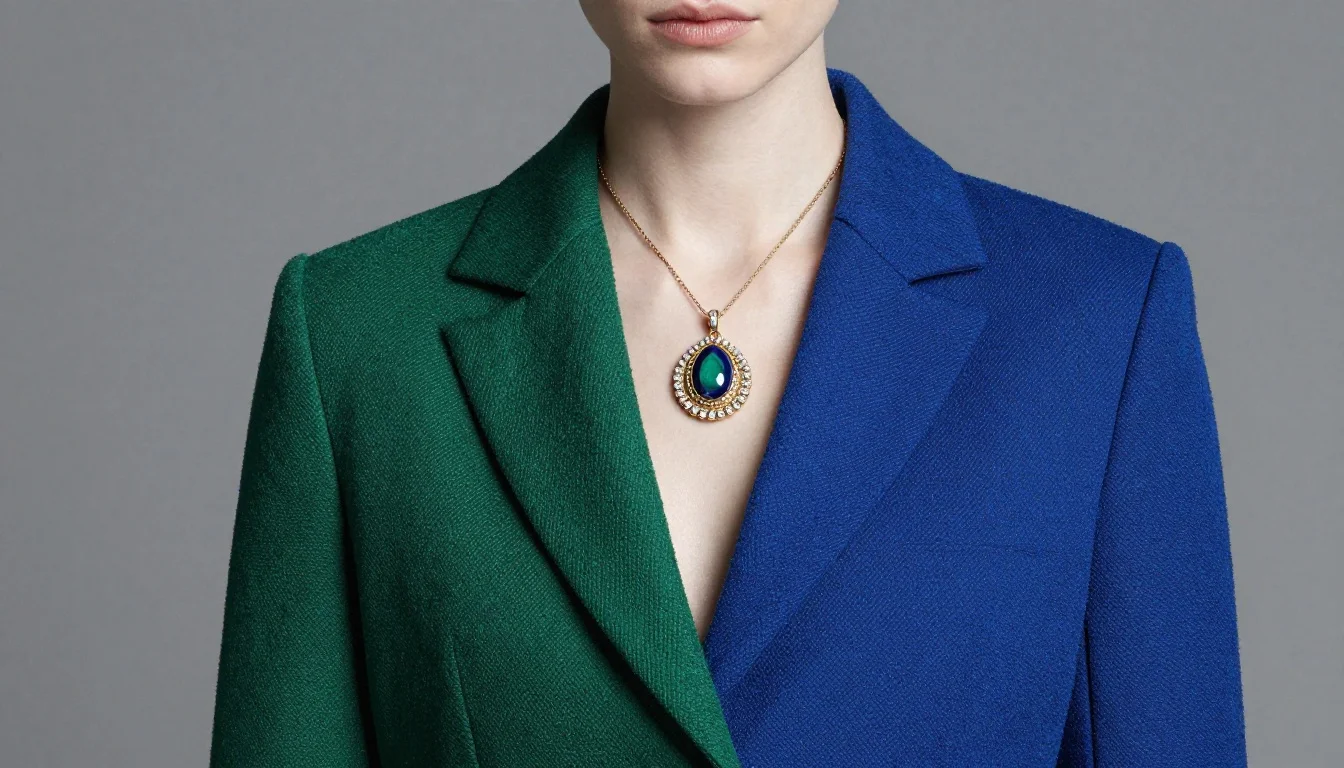
Deep jewel tones are the ultimate power move for pale skin. The high contrast between your fair complexion and a rich sapphire or emerald creates a striking, polished look. These colors make pale skin appear luminous rather than washed out, and they work equally well for cool and warm pale undertones.
Rich Warm Neutrals
Rich warm neutrals ground pale skin beautifully. Chocolate brown creates a sophisticated contrast without the starkness of black. Deep camel works particularly well if you have warm or golden undertones in your pale skin. Warm ivory is universally flattering — it softens features without washing you out the way stark white can.
Bold Brights
Bold, saturated brights give pale skin the contrast it thrives on. Cherry red is an instant confidence boost against fair skin. Cobalt blue creates an almost cinematic effect. The key with brights is choosing saturated versions — avoid neon shades, which can cast a harsh light on pale complexions.
Soft Pastels (Done Right)
Pastels can work on pale skin when they're dusty or muted rather than washed out. Dusty rose adds a rosy warmth that mimics a natural flush. Soft lavender is universally flattering for cool-toned pale skin. The rule: choose pastels with depth rather than white-out versions.

Ready to see sapphire blue & emerald green on your face?
Start my color analysisHow to Build Outfits That Work
Leverage contrast
Pale skin reads best with high-contrast outfits. Pair a deep navy top with light-wash denim, or wear an emerald dress with chocolate brown accessories. The contrast gives your outfit visual energy and ensures your features stand out.
Use dark bottoms strategically
If you want to extend your legs visually, dark jeans or trousers paired with a vibrant top are ideal for pale skin. The dark bottom grounds the look while the saturated top draws attention upward to your face.
Monochrome in deep tones
An all-deep-red or all-navy look is incredibly chic on pale skin. The monochrome approach in a rich, deep shade creates elegance and makes your fair complexion the visual focal point. Avoid monochrome in pale or washed-out shades.
Metallics as neutrals
Silver and gold work as elevated neutrals for pale skin. Cool-toned pale skin shines in silver and platinum tones. Warm pale skin loves rose gold and antique gold. Both are more flattering than standard beige or nude as go-to neutrals.
Colors That Work Against Pale Skin
Stark white
Pure white often appears harsh against pale skin, making you look bleached out. Swap it for warm ivory, soft cream, or off-white — they give you the brightness of white without the clinical, washed-out effect.
Pale beige and nude
Colors too close to your skin tone create a monochrome, faded effect that erases your features rather than defining them. A beige that flatters olive skin can make pale skin look sallow or invisible.
Neon and fluorescent shades
Neons reflect harsh light onto your face and can make pale skin look ruddy, pink, or uneven. The intensity is simply too much — they overwhelm fair complexions rather than complementing them.
Yellow-greens and chartreuse
These shades cast a yellowish light on pale skin that can make you look sick or jaundiced. If you love green, go deeper — forest green, emerald, or sage are far more flattering than lime or chartreuse.
Stop guessing — preview every look on you
See these looks on my photoSimple Color Swaps That Make a Big Difference
Trade these common choices for versions that truly flatter pale skin.
Warm ivory gives you the crisp, polished look of white without the bleaching effect on pale skin.
Deep mustard gives the golden warmth of yellow without washing out your complexion — the depth makes all the difference.
A nude dress blends into pale skin. A deep jewel-tone dress makes you look intentional, polished, and striking.
Light wash jeans paired with pale skin can create an all-washed-out effect. Dark indigo provides the contrast your complexion thrives on.
Pale pink can blend into fair skin. Dusty rose has depth that reads as an intentional color choice, while berry adds bold contrast.
Camel adds warmth and contrast to pale skin in winter. Deep charcoal is sophisticated and frames your face beautifully.
Which Palette Might Be Yours?
If you have pale skin, you likely fall into one of these seasonal color palettes. Each has slightly different undertones and depth ranges.
Cool Summer
Learn morePale skin with cool pink or rosy undertones, often with light or medium-intensity coloring. Soft, muted colors work best.
Light Summer
Learn moreVery fair skin with cool or neutral undertones and light hair. Delicate, soft versions of cool colors are most flattering.
Light Spring
Learn morePale skin with warm or peachy undertones and light coloring. Warm, clear pastels and light bright colors are ideal.
Find Your Exact Colors
Pale skin is your superpower in fashion — it's one of the most versatile complexions for wearing color. But the difference between glowing and washed out comes down to knowing your specific undertone and contrast level. A PaletteHunt color analysis gives you a personalized palette of your most flattering shades, so you never have to guess which colors to reach for.
Stop guessing — preview every color on you
Preview Yourself In Your Palette
Get my personalized paletteStop guessing — preview every color on you
Preview Yourself In Your Palette

Related Guides for Outfits for Pale Skin
Explore more personalized color advice based on your features.
Want to see these colors on you? What Colors Look Good on Me — free to try.
Frequently Asked Questions About Outfits for Pale Skin
What colors look best on pale skin?
Deep jewel tones like sapphire, emerald, and amethyst are universally flattering on pale skin because they create high contrast. Rich neutrals like chocolate brown, deep camel, and warm ivory also work beautifully. The key is choosing colors with depth rather than pale or washed-out versions.
Can pale skin wear black?
Yes — black is one of the most striking options for pale skin because it creates maximum contrast. It makes fair complexions look luminous and polished. If pure black feels too stark, charcoal or deep navy offer a slightly softer version of the same effect.
What should pale skin avoid wearing?
Avoid stark white, pale beige, nude tones close to your skin, neon shades, and yellow-green or chartreuse. These colors either blend into pale skin (creating a washed-out effect) or cast harsh, unflattering light on fair complexions.
Can pale skin wear pastels?
Yes, but choose dusty or muted pastels rather than icy, washed-out versions. Dusty rose, soft lavender, and sage green all have enough depth to read as intentional colors against pale skin. Pure white pastels or very pale versions tend to wash fair complexions out.
Does undertone matter if you have pale skin?
Absolutely. Pale skin with cool (pink/blue) undertones glows in jewel tones and cool shades like sapphire, berry, and emerald. Pale skin with warm (golden/peachy) undertones comes alive in terracotta, warm camel, and rich gold. Identifying your undertone is the single most important step to finding your best colors.