How to Wear YellowWithout Looking Washed Out
Yellow is notoriously difficult — the wrong shade makes skin look sallow and tired. Discover how to wear them confidently — matched to your undertone.
Yellow is one of the most avoided colors in wardrobes — and one of the most rewarding to get right. The fear around yellow is real: the wrong shade genuinely can make skin look sallow, tired, or greenish. But that's a shade problem, not a yellow problem. Yellow spans from cool lemon to warm golden to saturated mustard to muted ochre, and within that range there are shades that actively flatter almost every skin tone. The secret is understanding which part of the yellow spectrum your coloring actually works with — and which part to avoid entirely.


3,000+
happy clients
Why Yellow Is the Most Undertone-Sensitive Color
Yellow is one of the most avoided colors in wardrobes — and one of the most rewarding to get right. The fear around yellow is real: the wrong shade genuinely can make skin look sallow, tired, or greenish. But that's a shade problem, not a yellow problem. Yellow spans from cool lemon to warm golden to saturated mustard to muted ochre, and within that range there are shades that actively flatter almost every skin tone. The secret is understanding which part of the yellow spectrum your coloring actually works with — and which part to avoid entirely.
Yellow is the most undertone-sensitive color you'll encounter, because yellow itself is a warm color by nature. Adding it near the face immediately changes how skin temperature reads. On warm skin tones, the right yellow harmonizes and glows — the yellow in the fabric resonates with the yellow-golden quality of the complexion. On cool skin tones, yellow can fight against pink or rosy undertones, making the face look sallow or greenish if the wrong shade is chosen.
The critical variable is the specific type of yellow. Lemon yellow — sharp, slightly acid, and cool-leaning — is completely different from golden yellow, which is warm and rich. Mustard is warm and muted. Butter yellow is soft and neutral-warm. Canary yellow is vivid and clear. Each of these interacts with skin undertone in a distinct way. The rule is not 'yellow suits warm skin and not cool skin' — it's about finding the right temperature within yellow for your specific undertone.
Depth also matters. Pale, high-key yellows are more demanding than deep, rich ones. A pale lemon yellow near fair skin creates less contrast than a saturated golden yellow near medium skin. Deep complexions tend to have the most flexibility with yellow because the contrast between any yellow and deeper skin creates visual structure rather than blending.
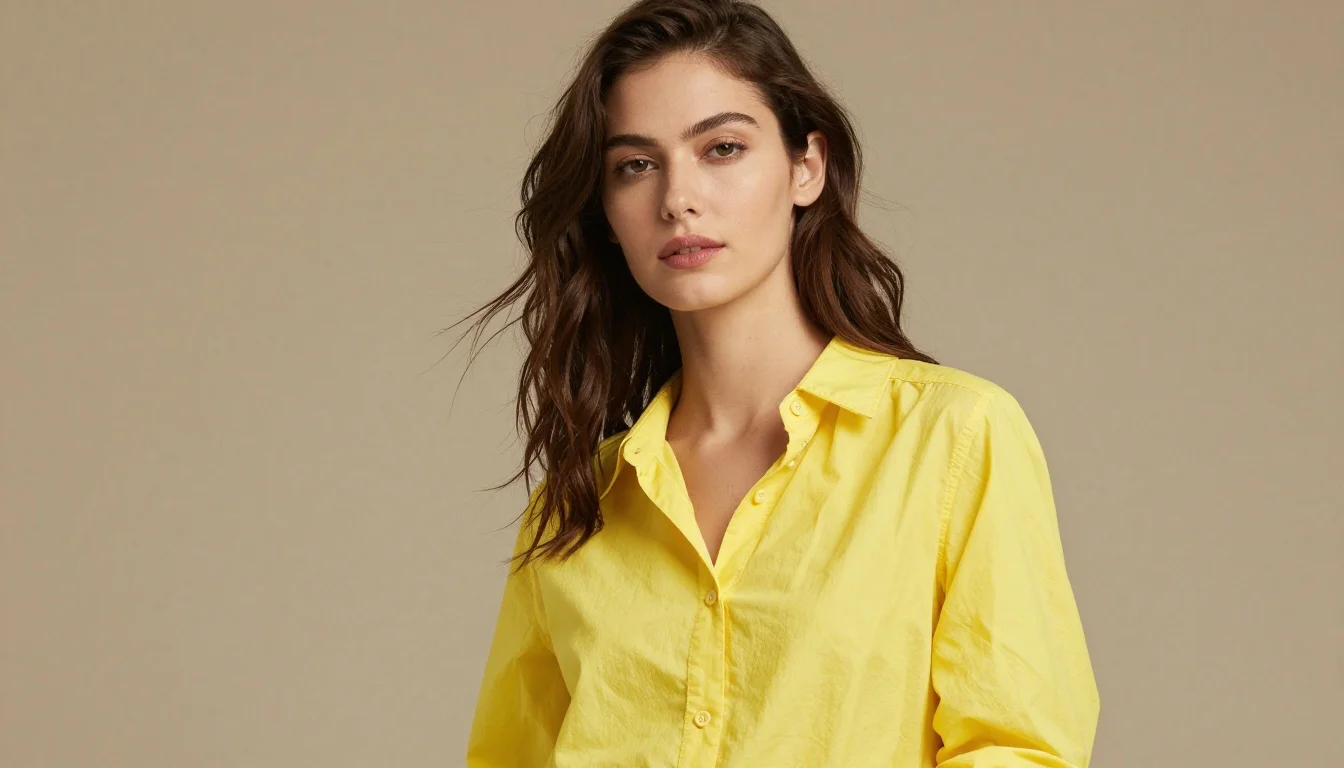
What shade of yellow suits my skin tone?
Warm undertones (golden, peachy, olive) suit warm yellows: golden yellow, saffron, mustard, marigold. Cool undertones (pink, rosy) suit either cool-leaning lemon yellow or earthy mustard, which has enough depth to avoid harshness. Fair skin does best with butter yellow or saturated golden yellow for contrast. Dark complexions can wear almost all yellows — the depth of the complexion creates enough contrast for yellow to work.
Shades of Yellow That Work Best
Golden Yellow and Warm Sunshine
Golden yellows — warm, rich, and clearly in the yellow-orange range — are the most flattering for warm and golden skin undertones. Saffron and marigold in particular work beautifully on golden, peachy, and olive skin because they share the warm temperature of those complexions rather than fighting it. Sunshine yellow is bright but warm — it has enough warmth to harmonize without being muddy. These are the yellows that look effortless on warm coloring.
Lemon Yellow and Cool Clear Yellow
Cool or acid-leaning yellows work best on skin with neutral or slightly cool undertones that can handle the crisp, sharp quality. Lemon yellow is particularly striking next to cool-neutral skin because its clarity creates contrast without adding unwanted warmth. These are the yellows for the rare person who can wear them — and when it works, it's memorable. Cool yellows are harder to wear than warm ones but create an unexpectedly chic, high-fashion effect.
Mustard and Ochre
Mustard and ochre are the most universally wearable section of the yellow family. They have enough warmth to harmonize with warm undertones and enough depth and earthiness to avoid the harshness that pale yellows can create on cooler complexions. Mustard is particularly good on olive, tan, and warm-medium skin — the earthy quality of the color resonates with those complexions naturally. Ochre is slightly more muted and flattering on muted, Autumn seasonal types.
Butter Yellow and Soft Warm Yellow
Soft, pale yellows that lean toward cream or butter are the gentlest version of yellow — wearable in situations where brighter yellows might feel too intense. Butter yellow has a warmth that prevents it from being harsh but is light enough to work near pale and fair complexions that struggle with deeper yellows. These shades function almost as a warm neutral and pair beautifully with soft, Spring and Light Summer seasonal types.

Ready to see golden yellow & sunshine yellow on your face?
Start my color analysisHow to Build Yellow Into Your Wardrobe
As a statement piece
A yellow dress, coat, or blazer is one of the most striking statement pieces possible — but it works best when you've identified your correct shade. A golden yellow silk dress on warm skin tones looks luminous; a mustard coat on olive skin is effortlessly chic. Start with your shade, not the garment, and the statement piece follows naturally.
Yellow as an accent
Yellow accessories — a mustard leather bag, golden-yellow silk scarf, or bright yellow shoes — introduce color without the commitment of a full garment. This is the easiest starting point with yellow. A mustard bag with a navy outfit or golden-yellow scarf with camel creates a deliberate, intentional color moment without risking the full-body yellow look.
Yellow with neutrals
Yellow pairs best with true neutrals. Navy and yellow is one of the most classic combinations — the contrast is clean and both colors stay true. White with yellow (especially warm yellow) creates a fresh, summery combination. Black and deep mustard or ochre is striking and surprisingly sophisticated. Avoid pairing yellow with other warm, advancing colors like orange or red unless deliberately color-blocking.
Yellow knitwear
A yellow knit is the easiest way to test yellow near your face. The texture of knitwear softens the impact of any color, making yellow easier to wear than in flat or shiny fabrics. A mustard cotton knit is one of the most versatile pieces possible for warm and olive skin tones — it works with everything from dark denim to khaki trousers to deep-colored skirts.
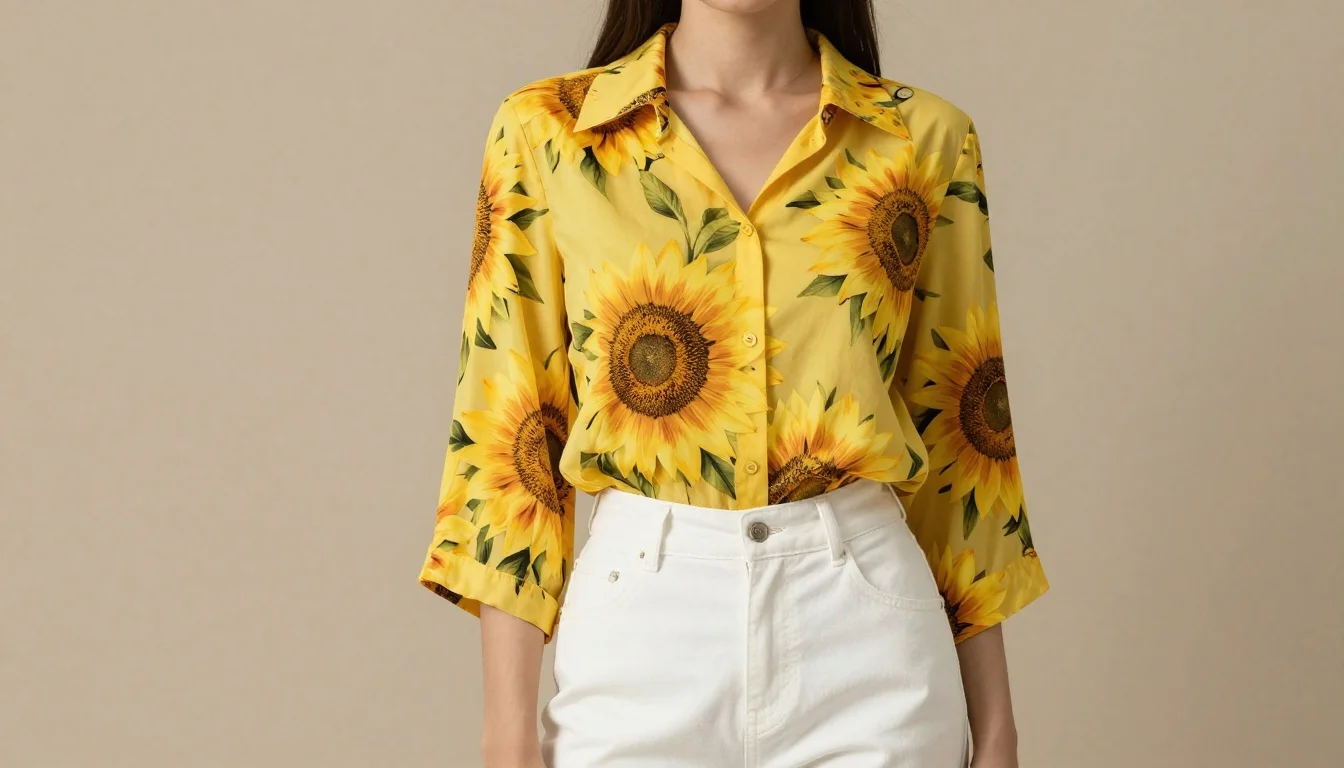
Versions of Yellow That Work Against You
Greenish or acidic yellow on warm skin
Yellow that tilts toward green — often called acid yellow or yellow-green — creates a sallow, almost greenish cast on warm skin tones. The cool, sharp quality of acid yellow fights warm undertones in a particularly unflattering way. If yellow has ever made you look tired or slightly ill, this is probably the shade involved. Move toward golden or mustard instead.
Pale, washed-out yellow on very fair skin
Pale, low-saturation yellows near very fair skin create almost no contrast — everything reads as uniformly light and slightly yellowish. The result is a washed-out, flat appearance. Fair skin that struggles with yellow often does much better with either a deeply saturated golden yellow (for contrast) or a soft butter yellow that leans toward cream (for harmony).
Warm golden yellow on pink-cool undertones
On skin with distinctly pink or rosy cool undertones, warm golden yellow creates a temperature clash — the orange-warmth of the yellow fights against the pink-cool quality of the skin, making the face look ruddy or sallow simultaneously. Cool-skin people who want yellow should look at lemon yellow or mustard rather than warm golden varieties.
Neon yellow near the face
High-intensity neon yellow is effectively unwearable near the face on most skin tones — its harshness and reflectivity overwhelm skin color and create an unflattering, washed-out effect. Neon yellow in an outfit works as a bag, shoe, or accessory far from the face, but as a top, dress, or jacket it rarely flatters.
Stop guessing — preview every look on you
See these looks on my photoSwaps That Make Yellow Work for Your Coloring
Trading versions of yellow that fight your skin tone for ones that flatter it.
Acid yellow fights warm undertones and looks sallow. Golden yellow harmonizes with warm skin, making both look richer.
Warm orange-yellow clashes with cool, pink undertones. Lemon yellow creates crisp contrast; mustard has enough depth to avoid harshness.
Neon yellow is jarring as an accessory. Mustard and ochre give you yellow with wearability — easier to pair with your actual wardrobe.
Pale low-saturation yellow disappears near fair skin. Butter yellow warms; rich golden yellow creates the contrast that makes both look alive.
Bright clear yellow is a summer color that looks out of place in heavier fabrics. Mustard and ochre have the earth-warmth that reads naturally in autumn and winter.
Greenish-yellow in summer sun looks acidic rather than sunny. Marigold and warm sunshine yellow capture the warmth of the season and of your complexion.
Which Seasonal Palettes Wear Yellow Best?
Yellow appears across seasonal palettes but in very different versions. Your season determines which yellow is yours — and which to avoid.
Warm Spring
Learn moreWarm Springs have the strongest relationship with yellow of any seasonal type. Warm, clear, bright yellows — sunshine yellow, golden yellow, daffodil — are all core palette colors. The clear warmth of Spring coloring resonates with vivid, warm yellows effortlessly. Warm Springs can wear yellow boldly, near the face, without it looking excessive.
Warm Autumn
Learn moreWarm Autumns wear the earth-warm end of the yellow spectrum beautifully — mustard, golden ochre, amber, and saffron are all in their palette. These muted, warm, deep yellows harmonize with Autumn's earthy, rich coloring. Pure bright yellows can be too clear for Autumn; mustard and ochre are the Autumn-yellow sweet spot.
Light Spring
Learn moreLight Springs wear the softer, lighter end of warm yellow — butter yellow, soft golden, warm cream-yellow. These pale but warm yellows suit Light Spring's delicate, light coloring without overwhelming it. They work best as tops, dresses, and soft layers rather than bold statements.
Find Your Yellow
Yellow is worth the effort of getting right. When the shade matches your undertone, yellow creates a warmth and vibrancy that few other colors replicate — it looks like light emanating from your skin rather than fighting against it. A personalized color analysis identifies exactly where in the yellow spectrum your coloring sits and gives you a precise palette of yellows (and the shades that amplify them) that transforms this feared color into a confident choice.
Stop guessing — preview every color on you
Preview Yourself In Your Palette
Get my personalized paletteStop guessing — preview every color on you
Preview Yourself In Your Palette

Related Guides for How to Wear Yellow
Explore more personalized color advice based on your features.
Want to see these colors on you? What Colors Look Good on Me — free to try.
Frequently Asked Questions About How to Wear Yellow
What shade of yellow suits my skin tone?
Warm undertones (golden, peachy, olive) suit warm yellows: golden yellow, saffron, mustard, marigold. Cool undertones (pink, rosy) suit either cool-leaning lemon yellow or earthy mustard, which has enough depth to avoid harshness. Fair skin does best with butter yellow or saturated golden yellow for contrast. Dark complexions can wear almost all yellows — the depth of the complexion creates enough contrast for yellow to work.
Why does yellow make me look sallow?
Yellow makes skin look sallow when the shade's warmth clashes with your skin's undertone, or when there's insufficient contrast between the yellow and your complexion. If you have cool undertones, warm orange-yellow particularly creates a sallow effect. The fix is either choosing a cooler, more lemon-toned yellow or a deeper, more complex shade like mustard or ochre that has less pure-yellow intensity near the face.
Can cool skin tones wear yellow?
Yes, but the range is narrower. Cool undertones with pink or rosy skin do best with lemon yellow (cool and crisp), mustard (earthy and complex enough to work), or very pale butter yellow. They should avoid warm golden yellows and especially orange-yellows. Cool, high-contrast types (like Cool Winter) can sometimes pull off vivid yellow as a deliberate bold statement — the high contrast of their coloring gives it structure.
How do I wear yellow if I am nervous about it?
Start with yellow accessories rather than a yellow garment. A mustard leather bag or golden-yellow scarf lets you test how the color reads against your coloring from a distance without committing to it near your face. From accessories, you can progress to yellow trousers or skirts (which are below the face), then eventually to yellow tops once you have confirmed your most flattering shade.
What is the difference between mustard and yellow?
Mustard is a deepened, muted, yellow-ochre that has been described as 'yellow for people who think yellow doesn't suit them.' It has earthy warmth without the brightness of pure yellow, making it far more wearable in everyday contexts. Pure yellow is bright, vivid, and high-key. Mustard is sophisticated and subtle. Mustard also works in more seasons and fabrics — it transitions comfortably from summer to winter in a way bright yellow rarely does.
What colors go with yellow?
Navy and yellow is the most reliable combination — the deep cool of navy makes yellow pop without clash. White with warm yellow creates a fresh, clean look. Black with mustard or deep ochre is striking and sophisticated. Camel and golden yellow creates a warm tonal palette that works for autumn and winter. Denim pairs naturally with almost any yellow. Avoid red next to yellow unless deliberately creating a bold graphic look.