How to Wear BeigeWithout Looking Washed Out
Beige is the most misunderstood neutral — it can look effortlessly chic or completely wash you out. Discover how to wear them confidently — matched to your undertone.
Beige has a reputation problem. On the wrong person, it disappears into the skin and makes the wearer look tired, dull, or unwell. On the right person, it is one of the most elegant, effortless, and quietly powerful neutrals in a wardrobe — the shade that makes everything else look intentional. The difference comes down almost entirely to undertone. Beige is not one color; it spans warm golden beiges, cool greige tones, pink-beiges, and earthy sand hues, each of which interacts with your skin differently. Once you know which version of beige is yours, it stops washing you out and becomes the foundation of your most polished outfits.


3,000+
happy clients
Why Beige Is So Easy to Get Wrong
Beige has a reputation problem. On the wrong person, it disappears into the skin and makes the wearer look tired, dull, or unwell. On the right person, it is one of the most elegant, effortless, and quietly powerful neutrals in a wardrobe — the shade that makes everything else look intentional. The difference comes down almost entirely to undertone. Beige is not one color; it spans warm golden beiges, cool greige tones, pink-beiges, and earthy sand hues, each of which interacts with your skin differently. Once you know which version of beige is yours, it stops washing you out and becomes the foundation of your most polished outfits.
Beige sits in dangerous proximity to many skin tones on the color spectrum. Unlike navy, black, or emerald — which create clear contrast with most complexions — beige can blend into your skin tone rather than standing apart from it. When this happens, the color reads as an extension of your face rather than clothing, and the result is a washed-out, flat, or underdressed appearance. This is not a problem with beige itself; it is a problem of the wrong version of beige for your specific undertone.
The undertone of beige is the critical variable. Warm golden beiges contain yellow-orange pigments that harmonize with warm, golden, peachy, or olive skin tones but can make cool, pink, or rosy skin look sallow. Cool greige tones (beige mixed with grey) work beautifully on cool and neutral complexions but can dull warm skin. Pink-tinted beiges are flattering on fair, cool-pale complexions but clash with golden undertones. Understanding which family of beige aligns with your undertone is the single most important step.
Depth also matters. Very light, pale beige near the face on a very fair complexion creates near-zero contrast and is the most likely version to wash you out. Darker, more saturated beige — camel, sand, warm tan — creates more visual definition and is easier to wear for most complexions. If beige has never worked for you, the solution is rarely to give it up entirely; it is usually to shift toward a richer, warmer, or cooler version of the color.

Why does beige wash me out?
Beige washes you out when the shade is too close to your skin tone (creating no contrast) or when the undertone of the beige conflicts with your skin undertone. The fix is usually one of two things: go darker (choose camel or tan instead of pale beige) or shift the undertone (if warm beige washes you out, try cool greige; if cool greige drains you, try warm sand).
Shades of Beige That Work Best
Warm Golden Beige and Sand
Warm golden beige — with clear yellow or golden undertones — is the most flattering version for warm and olive complexions. The warmth in the color harmonizes with golden, peachy, and olive skin rather than fighting it. Honey beige is slightly deeper and richer, creating enough contrast to read as actual clothing rather than a skin extension. Warm oat has a creamy quality that suits warm undertones beautifully. If you have warm skin, these are your beiges — reach for them over any grey-cool or pinkish version.
Greige and Cool Beige
Greige — beige with a noticeable grey or cool undertone — is the most flattering version for cool and neutral complexions. The cool quality creates gentle contrast with pink, rosy, or neutral skin without the harshness of stark grey. Taupe sits between warm and cool and is one of the most versatile neutrals overall. Cool stone has sophistication and works especially well on cool-light complexions where warmer beiges would blend into the skin. These greiges feel elevated and deliberate rather than default.
Camel and Deep Sand
Camel is beige at its most confident — deeper, richer, and more saturated than pale beige. Because it has more visual weight, camel creates contrast with almost any skin tone and is significantly easier to wear than light beige. It suits warm, olive, and dark complexions especially well, but its depth makes it workable for a wider range. If light beige washes you out, camel is almost always the solution. Tan beige works in the same way — more depth, more flattery, less blending.
Pink Beige and Blush-Neutral
Pink-beige sits at the intersection of beige and blush and is most flattering on cool-pale, fair, or pink-toned complexions. The pink undertone in the color echoes the pink in fair skin rather than fighting it. Rose beige is delicate and works beautifully on cool-light skin. Blush stone has enough grey to keep it sophisticated. These shades do not work on warm or olive skin — the pinkness creates an odd, clashing effect — but for cool, fair complexions they are among the most naturally flattering neutrals available.

Ready to see sand & golden beige on your face?
Start my color analysisHow to Build Beige Into Your Wardrobe
Monochromatic beige dressing
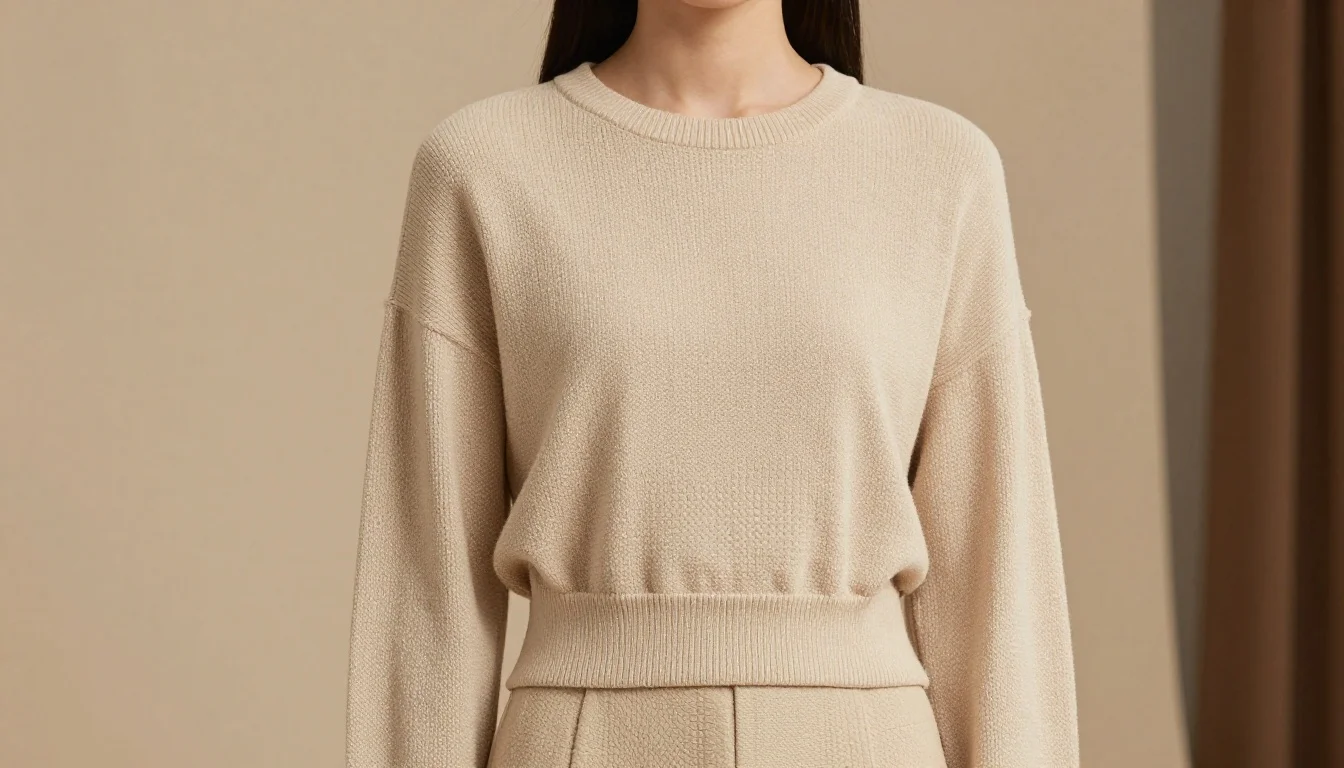
Head-to-toe beige is one of the most sophisticated ways to dress, but it requires tonal variation. Wearing the exact same beige shade on top and bottom looks flat; varying the shades — a deeper camel jacket over a lighter sand blouse and stone trousers — creates depth and dimension. The key is that all your beiges must share the same undertone direction (all warm or all cool) or the combination will look accidental rather than curated.
Beige as a neutral base
Use beige the way most people use grey or black — as a foundation that lets statement pieces read clearly. A camel coat over a printed blouse, beige trousers with a rich jewel-toned top, or a beige blazer over a white shirt and dark jeans all let the beige recede while anchoring the outfit. The key advantage of beige over grey is warmth — a beige base makes colors look richer and more harmonious than a cool grey does.
Texture is essential in beige
Because beige is low-contrast, texture carries significant visual weight in beige outfits. A smooth beige blouse reads as simple; the same beige in ribbed knit, linen, broderie anglaise, or leather reads as interesting. Layering textures — a cable-knit camel sweater, a suede skirt, a smooth silk blouse — creates visual complexity that keeps beige outfits from looking one-dimensional. Texture is how beige gets interesting.
Beige in professional settings
Beige is an excellent professional color when chosen in structured silhouettes and quality fabrics. A camel blazer is a classic power piece that reads as authoritative and polished. Stone-colored trousers with a white shirt are as sharp as navy. In creative or client-facing roles, beige communicates confidence and sophistication without the severity of black. Avoid pale, washed-out beiges in professional settings — go for depth and structure.
Versions of Beige That Work Against You
Pale, washed-out beige very close to your skin tone
The most common beige mistake is wearing a shade so close to your skin tone that the outfit disappears. If you hold the fabric against your face and it reads as a continuation of your skin rather than a garment, that beige is too close. The fix is to go darker (camel, tan) or choose a version with a clear cool or warm tilt that creates visible contrast.
Warm yellow-beige on cool undertones
If your skin has pink, rosy, or cool undertones, strongly warm yellow-beige will make your skin look sallow and your face appear tired. The yellow warmth of the beige clashes with the cool pink of your complexion. Swap for greige, taupe, or cool stone instead — these give you the versatility of beige without the color clash.
Cool greige on warm or olive skin
On warm, golden, or olive complexions, grey-beige can flatten the skin and drain warmth from the face. The cool, grey quality of greige fights against the warm undertones in your skin. Stick to sand, honey beige, or camel on warm skin — the warmth in the color harmonizes rather than conflicts.
Dusty, grayed-out beige on dark complexions
Very dusty, muted beiges can look flat and uninspiring against deeper skin tones that benefit from richer, more saturated colors. Deep tan skin looks far better in camel, rich sand, or warm brown-beige than in pale or ashy greige. If you have a deep complexion and beige feels dull, the shade is almost certainly too pale or too grey — go richer.
Stop guessing — preview every look on you
See these looks on my photoSwaps That Make Beige Work for Your Coloring
Trading versions of beige that wash you out for ones that work with your skin tone.
Cool grey-beige fights warm undertones and makes golden skin look flat. Warm sand harmonizes with your undertone for a naturally luminous result.
Strongly warm beige clashes with pink undertones and makes cool complexions look sallow. Greige and taupe provide the versatility of beige without the color conflict.
When beige blends into your skin, it reads as an absence of clothing rather than a neutral. Camel has enough depth and saturation to create visible contrast with almost any complexion.
Warm yellow-beige can make very fair, cool skin look sallow. Pink-beige echoes the natural pink in fair complexions and creates a much more flattering result.
Dusty, desaturated beiges look dated and flat against most skin tones. Warm oat and camel have enough warmth and saturation to feel intentional and modern.
Pale, washed-out beige creates an unflattering contrast against deep skin tones and lacks visual richness. Rich camel has the depth and warmth to complement deeper complexions beautifully.
Which Palette Might Be Yours?
Beige appears across seasonal color palettes, but the specific version that flatters you is determined by your seasonal type. Your coloring dictates whether you reach for warm sand or cool greige.
Warm Autumn
Learn moreWarm Autumns own the richest, most golden beiges — camel, warm sand, honey, and deep oat are all core palette colors. The earthiness and warmth of these beiges harmonize perfectly with the golden-warm, deep quality of Warm Autumn coloring. A camel coat or warm sand blouse feels like a natural extension of who you are.
Light Spring
Learn moreLight Springs wear the softest, most delicate versions of beige — warm ivory, light cream, and very pale warm beige all work within their palette. The light, warm, clear quality of Spring coloring suits beige shades that have warmth but remain light and gentle. Pale peach-beige and creamy oat are their most flattering versions.
Soft Summer
Learn moreSoft Summers wear greige and muted beige-taupes beautifully. Their cool, soft, muted coloring suits beige shades that are equally quiet — cool stone, taupe, and grey-tinged beige all sit within their palette. For Soft Summers, beige is a natural neutral rather than a challenge, provided it stays cool and muted.
Find Your Beige
Beige is worth learning to wear correctly. When the shade matches your undertone and has enough depth to create contrast with your skin, it becomes one of the most versatile and sophisticated neutrals in your wardrobe — effortless, elegant, and endlessly useful. A personalized color analysis identifies exactly which version of beige belongs in your palette and gives you a complete picture of the neutrals that will work hardest for your specific coloring.
Stop guessing — preview every color on you
Preview Yourself In Your Palette
Get my personalized paletteStop guessing — preview every color on you
Preview Yourself In Your Palette

Related Guides for How to Wear Beige
Explore more personalized color advice based on your features.
Want to see these colors on you? What Colors Look Good on Me — free to try.
Frequently Asked Questions About How to Wear Beige
Why does beige wash me out?
Beige washes you out when the shade is too close to your skin tone (creating no contrast) or when the undertone of the beige conflicts with your skin undertone. The fix is usually one of two things: go darker (choose camel or tan instead of pale beige) or shift the undertone (if warm beige washes you out, try cool greige; if cool greige drains you, try warm sand).
What is the difference between beige, greige, and camel?
Beige is a broad category of warm-neutral pale tones. Greige is beige with a grey or cool undertone — more sophisticated and cooler. Camel is a deeper, richer, more saturated warm beige-brown — it has significantly more depth and color than pale beige. Camel is generally the easiest of the three to wear because its depth creates contrast with most skin tones.
Can dark skin tones wear beige?
Yes — but the version matters. Deep complexions benefit from richer, more saturated beiges like camel, warm tan, and dark sand rather than pale, washed-out greige. The depth and warmth of camel creates a beautiful, rich contrast against deep skin. Pale beige can look stark or underwhelming on deep skin tones; camel looks intentional and striking.
What colors go with beige?
Beige pairs beautifully with white (for a clean, fresh look), navy (for classic contrast), camel (for tonal dressing), black (for modern minimalism), warm terracotta and burnt orange (for earthy warmth), and soft blues and greens. Avoid pairing beige with yellow unless you know both are in the same warm family — the combination can look dated.
Is beige a good color for work?
Beige is an excellent professional color in structured, quality pieces. A camel blazer is a power piece on par with a navy one — it communicates confidence and taste. Stone trousers and a white shirt are as sharp as any darker neutral. The key is to avoid shapeless or very pale beige in professional settings — choose structure and depth over delicate washed-out tones.
How do I do head-to-toe beige without looking like I forgot to get dressed?
The secret to monochromatic beige dressing is tonal variation and texture. Never wear the exact same shade from head to toe — layer deeper camel over lighter sand over cream. Vary the textures (knit, linen, smooth silk, suede) to create visual interest. Add a structured bag or shoes in a contrasting material. The variation in depth and texture is what makes tonal dressing look intentional rather than accidental.