Capsule Wardrobe forHigh Contrast Coloring
Build a capsule wardrobe for high contrast coloring. Discover how to build looks with shades that actually flatter you.
High contrast coloring — dark hair with light skin, or dark skin with very light features — is inherently dramatic and striking. Your capsule wardrobe should lean into that natural drama rather than softening it with muted, blended colors that fight your coloring. Here is exactly how to build a wardrobe that makes high contrast coloring look intentional and stunning.


3,000+
happy clients
Why High Contrast Coloring Needs Bold Color Choices
High contrast coloring — dark hair with light skin, or dark skin with very light features — is inherently dramatic and striking. Your capsule wardrobe should lean into that natural drama rather than softening it with muted, blended colors that fight your coloring. Here is exactly how to build a wardrobe that makes high contrast coloring look intentional and stunning.
High contrast coloring means there is significant value difference between your hair, skin, and features. Think pale skin with jet black hair, or very dark skin with light eyes. This natural contrast level is strong and graphic — it reads with an intensity that softer, muted coloring simply does not have.
The mistake high contrast people often make is wearing soft, muted, blended colors — dusty pastels, heathered neutrals, blended tones — that were designed for low contrast coloring. These colors look beautiful on people with softer coloring but actually fight high contrast features, making the coloring look excessive or harsh rather than intentional.
Your coloring demands a color palette that matches its own decisiveness. High contrast coloring looks best in colors that are either very dark, very light, or vividly saturated — not the murky middle ground. The same boldness your natural coloring projects needs to be matched by the colors you wear.
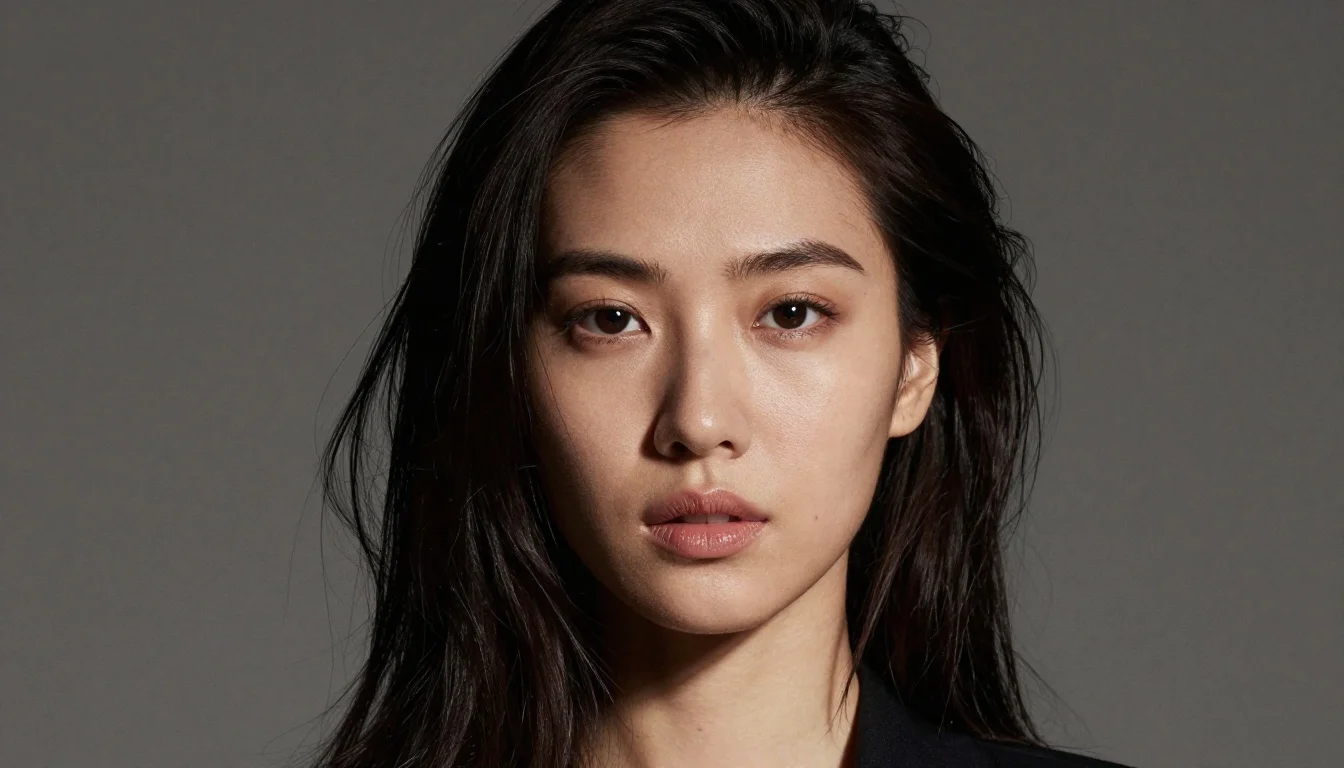
What colors look best on high contrast coloring?
High contrast coloring is flattered by saturated jewel tones (royal blue, emerald, ruby), stark neutrals (true black, crisp white, navy), and bold brights (cobalt, fuchsia, Kelly green). The common thread is decisiveness — clear, saturated colors that match the boldness of your natural coloring.
Capsule Color Families for High Contrast Coloring
Stark, Clean Contrasts
High contrast coloring is anchored by the ability to wear stark value contrast beautifully. Black-and-white combinations are particularly powerful on high contrast people — your natural coloring mirrors and amplifies this graphic pattern. These are your most versatile neutral foundations.
Jewel Tones
Jewel tones have the saturation level that high contrast coloring demands. They are vivid enough to hold their own next to dramatic features and hair. Royal blue, emerald, true red, and amethyst are particularly powerful — they neither wash out your coloring nor compete with it. These are your signature statement pieces.
Bold Brights
High contrast people can carry bold brights that would overwhelm softer coloring. Cobalt, fuchsia, Kelly green, and scarlet all have the vibrancy to harmonize with rather than fight your natural drama. Use these as your statement pieces — you are one of the few types who can wear saturated brights with ease.
Sharp Warm Accents
When you want warmth without losing decisiveness, these clear warm tones work beautifully. Camel is a flattering neutral for many high contrast types. Deep bronze and warm gold add richness. The key is choosing versions with clarity — warm and decided, not murky or muddy.

Ready to see black & white on your face?
Start my color analysisBuilding a High Contrast Capsule Wardrobe
Embrace Graphic Contrast
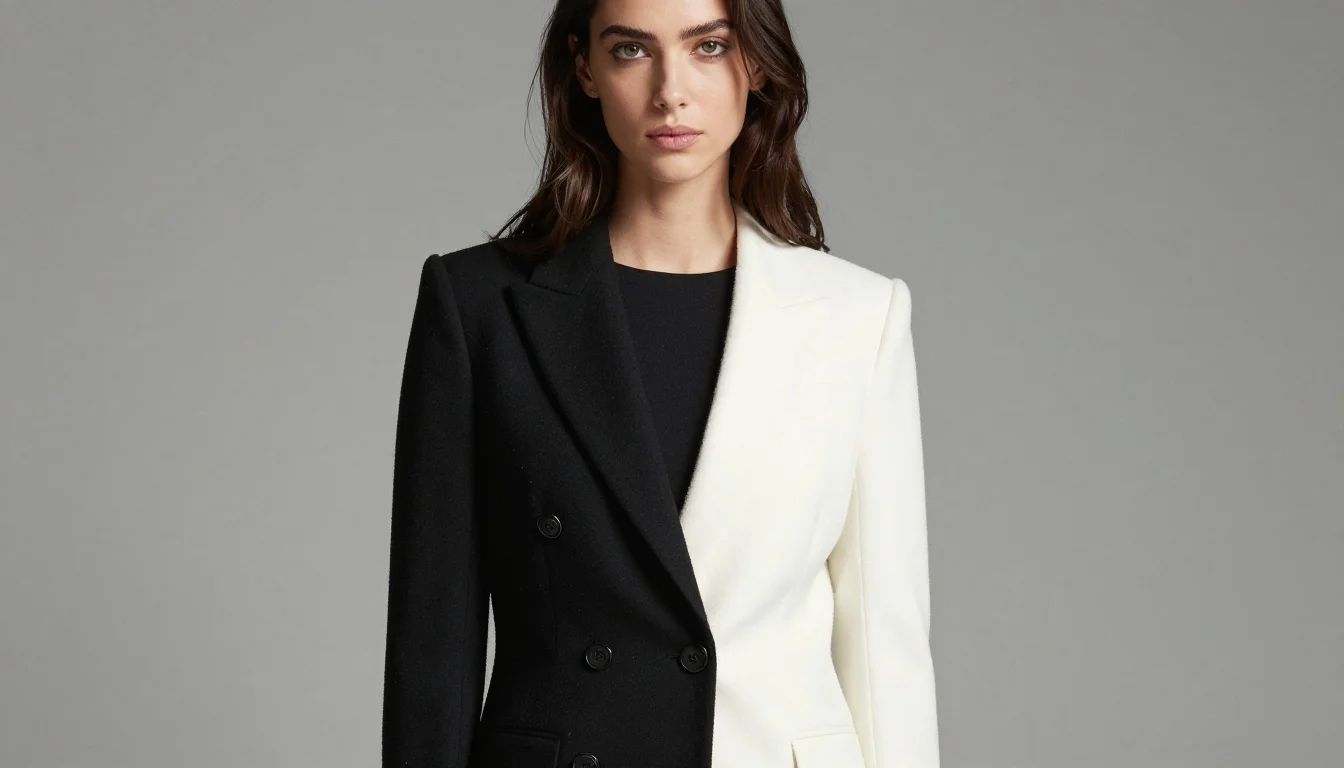
Your most powerful outfit formula is stark value contrast — black trousers with a crisp white top, ivory dress with black accessories, white blazer over a black outfit. These graphic combinations mirror your natural coloring and look polished and intentional rather than overwhelming.
Bold Color as Uniform
Choose one jewel tone and build a simple outfit around it: deep emerald dress with black shoes, royal blue blouse with charcoal trousers. Your high contrast coloring animates single bold colors in a way that soft coloring cannot. One saturated color is enough — you do not need multiple competing hues.
Neutrals Must Be Decided
Every neutral in your capsule should be decided: true black, crisp white, navy, camel, or charcoal. Avoid mid-value greys and murky beiges. Your neutral foundation should have the same graphic quality as your best accent colors — sharp, clear, and confident.
Pattern and Print
High contrast coloring is one of the best canvases for bold graphic prints. Black-and-white prints, bold florals, and high-contrast geometric patterns are particularly flattering. The print's contrast mirrors your natural coloring, creating a harmonious rather than competing effect.
Colors That Fight High Contrast Coloring
Soft, muted pastels
Dusty rose, powder blue, muted sage — these colors were designed for low contrast, soft coloring. On high contrast individuals, they create a visual disconnect: the softness of the color fights the decisiveness of the natural coloring. The result looks mismatched rather than harmonious.
Mid-value, heathered neutrals
Medium grey, heathered oatmeal, and mid-brown lack the decisiveness that high contrast coloring demands. They land in the murky middle — not light enough to create contrast, not dark enough to harmonize. Choose either the dark version or the light version of a neutral.
Blended, tonal outfits in mid-tones
Wearing all mid-tones in a blended, tonal look makes high contrast coloring look chaotic — the outfit softens while the coloring shouts. Your wardrobe needs to be as decisive as your features. Monochromatic looks work, but only in bold colors — all black, all navy, all ivory.
Muddy earth tones
Dirty khaki, greyed-out olive, and murky brown are low-clarity colors that fight high contrast coloring. They look indecisive next to strong features. If you want earth tones, choose decided versions: camel rather than khaki, warm rust rather than muddy brown.
Stop guessing — preview every look on you
See these looks on my photoCapsule Color Swaps for High Contrast Coloring
Replace soft, muted colors with bold, decided versions that match your natural drama.
Dusty rose fights high contrast features; white creates harmonious graphic contrast and cobalt has the vibrancy to match.
Medium grey is too mid-value for high contrast coloring; black and navy have the decisiveness your features demand.
Heathered neutrals look indecisive near strong features; clean camel has warmth and clarity that harmonizes.
Muted sage softens too much; Kelly green and emerald have the vibrancy to complement high contrast coloring.
Grey mid-tones create a disconnect with dramatic features; all-black has graphic power, and royal blue is stunning.
Greige lacks decisiveness; camel provides warm clarity, navy creates polish, and black mirrors your natural contrast.
Which Palette Might Be Yours?
High contrast coloring appears across several seasonal palettes — the specific one depends on whether your coloring is warm or cool and how vivid or muted your best colors are.
Deep Winter
Learn moreIf your high contrast coloring is cool — very dark hair, fair or cool-toned skin — Deep Winter is likely your palette. Your colors are vivid and cool: royal blue, emerald, true red, stark black, crisp white, and jewel tones with blue or cool undertones.
Bright Winter
Learn moreIf your high contrast coloring is cool but you suit very bright, clear colors more than deeply saturated ones, Bright Winter may be yours. Your palette includes vivid fuchsia, electric blue, bright emerald, and stark black-and-white contrast.
Deep Autumn
Learn moreIf your high contrast coloring is warm — dark hair with warm golden or olive skin — Deep Autumn is a possible match. Your colors are rich and warm: forest green, burnt sienna, deep bronze, and warm burgundy with earthy depth.
Find Your Exact Colors
High contrast coloring is one of the most visually striking natural combinations — but it needs the right color palette to look its best. A personalized color analysis identifies exactly which seasonal palette your high contrast coloring belongs to and gives you a precise set of colors that make your features look intentional, dramatic, and beautiful.
Stop guessing — preview every color on you
Preview Yourself In Your Palette
Get my personalized paletteStop guessing — preview every color on you
Preview Yourself In Your Palette

Related Guides for Capsule Wardrobe for High Contrast Coloring
Explore more personalized color advice based on your features.
Want to see these colors on you? What Colors Look Good on Me — free to try.
Frequently Asked Questions About Capsule Wardrobe for High Contrast Coloring
What colors look best on high contrast coloring?
High contrast coloring is flattered by saturated jewel tones (royal blue, emerald, ruby), stark neutrals (true black, crisp white, navy), and bold brights (cobalt, fuchsia, Kelly green). The common thread is decisiveness — clear, saturated colors that match the boldness of your natural coloring.
Can high contrast people wear soft pastels?
Soft, muted pastels work against high contrast coloring rather than with it. The softness of the colors fights the boldness of the features, creating a visual disconnect. If you love pastels, choose clearer, brighter versions rather than dusty, chalky ones — bright coral rather than baby pink.
What patterns suit high contrast coloring?
High contrast coloring looks stunning in graphic, high-contrast patterns — black and white prints, bold florals, geometric patterns with strong value contrast. The print's contrast mirrors your natural coloring and looks harmonious rather than competing. Avoid blended, tonal, or low-contrast patterns.
What neutral colors work for high contrast people?
True black, crisp white, ivory, navy, and camel are the best capsule neutrals for high contrast coloring. Avoid muddy mid-values like medium grey and greige — they are too indecisive for high contrast features. Your neutrals should be as bold and clear as your accent colors.
How do I build a capsule wardrobe for high contrast coloring?
Start with three decided neutrals (black, white, navy), add three jewel tone pieces (emerald, royal blue, red), and include one or two warm accent pieces (camel, gold). Every piece should have a clear identity — saturated or stark. Avoid muted mid-tones. The goal is a wardrobe as decisive as your features.