Build a Wardrobe Around YourHigh Contrast Features
Build a wardrobe that uses high contrast coloring as an asset — not an afterthought. Discover how to build looks with shades that actually flatter you.
High contrast coloring — the striking combination of notably light and dark elements in your natural coloring — is a genuine wardrobe superpower. Dark hair with light skin, or dark skin with very light hair, creates a built-in visual drama that most wardrobes never fully use. This guide is about building a wardrobe around high contrast coloring: which color families to anchor in, which outfit formulas amplify your natural contrast rather than fighting it, and which specific swaps let your coloring do the work.


3,000+
happy clients
Why High Contrast Coloring Changes Your Wardrobe Strategy
High contrast coloring — the striking combination of notably light and dark elements in your natural coloring — is a genuine wardrobe superpower. Dark hair with light skin, or dark skin with very light hair, creates a built-in visual drama that most wardrobes never fully use. This guide is about building a wardrobe around high contrast coloring: which color families to anchor in, which outfit formulas amplify your natural contrast rather than fighting it, and which specific swaps let your coloring do the work.
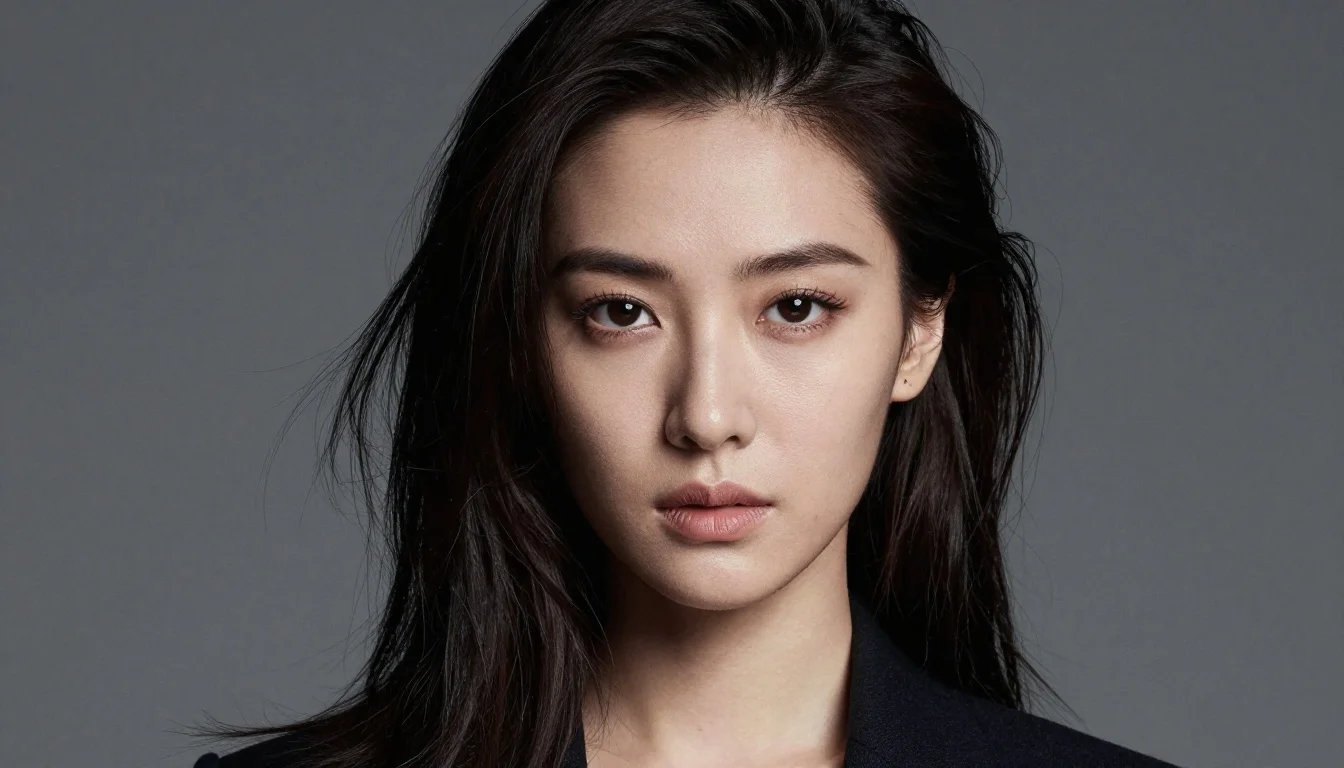
High contrast coloring is defined by a significant difference in value between your natural features — most commonly dark hair against light skin, but also dark skin against light or bright hair, or very light eyes against dark hair and skin. This built-in contrast is your most powerful styling asset. It means you can carry outfit combinations and color intensities that wash out or overwhelm lower-contrast colorings.
The wardrobe strategy that follows from high contrast coloring is counterintuitive for many people: you actually need to match your outfit's contrast level to your coloring's contrast level. Low-contrast outfits — all-beige, tonal grey, muted earth tones — look underpowered and flat on high contrast coloring because the coloring itself provides more drama than the outfit. High contrast coloring calls for outfits with defined contrasts, vivid colors, or strong pattern.
The opposite failure is wearing outfits that fight your natural contrast — very bold clashing patterns or colors that compete with rather than frame your features. The best approach: use outfit contrast to echo your natural coloring's drama, not to override it.
What outfits work best for high contrast coloring?
High contrast coloring looks best in outfits that match its visual drama level: high contrast color combinations (white-and-black, cream-and-navy), vivid jewel tones (ruby red, sapphire, emerald), clean darks (true black, deep navy, rich charcoal), and crisp whites or clean lights. The consistent principle: your outfit's contrast and color saturation should match the natural drama of your coloring.
Your Core Wardrobe Colors
Bold Darks — The Anchors
High contrast coloring can handle — and benefits from — deeply saturated dark pieces. True black is your most powerful anchor: against light skin and dark hair, an all-black outfit looks dramatic and intentional rather than harsh. Deep navy and rich charcoal provide the same anchoring quality with more dimension than pure black. These are your foundational investment pieces: a black blazer, navy tailored trousers, a rich charcoal coat. Other coloring types reach for these — for you, they're your natural home base.
Vivid Jewel Tones — The Statement Colors
Vivid jewel tones are where high contrast coloring truly shines. Ruby red against light skin and dark hair is a striking, powerful combination that commands a room. Sapphire blue, emerald green, and deep violet all have the saturation to match the drama of your natural coloring without disappearing or competing. These are your statement pieces: the blouse, the dress, the blazer that makes an outfit look genuinely memorable. A ruby red wrap dress or a sapphire silk blouse on high contrast coloring is a look that photographs extraordinarily well.
High Contrast Combinations — The Outfit Architecture
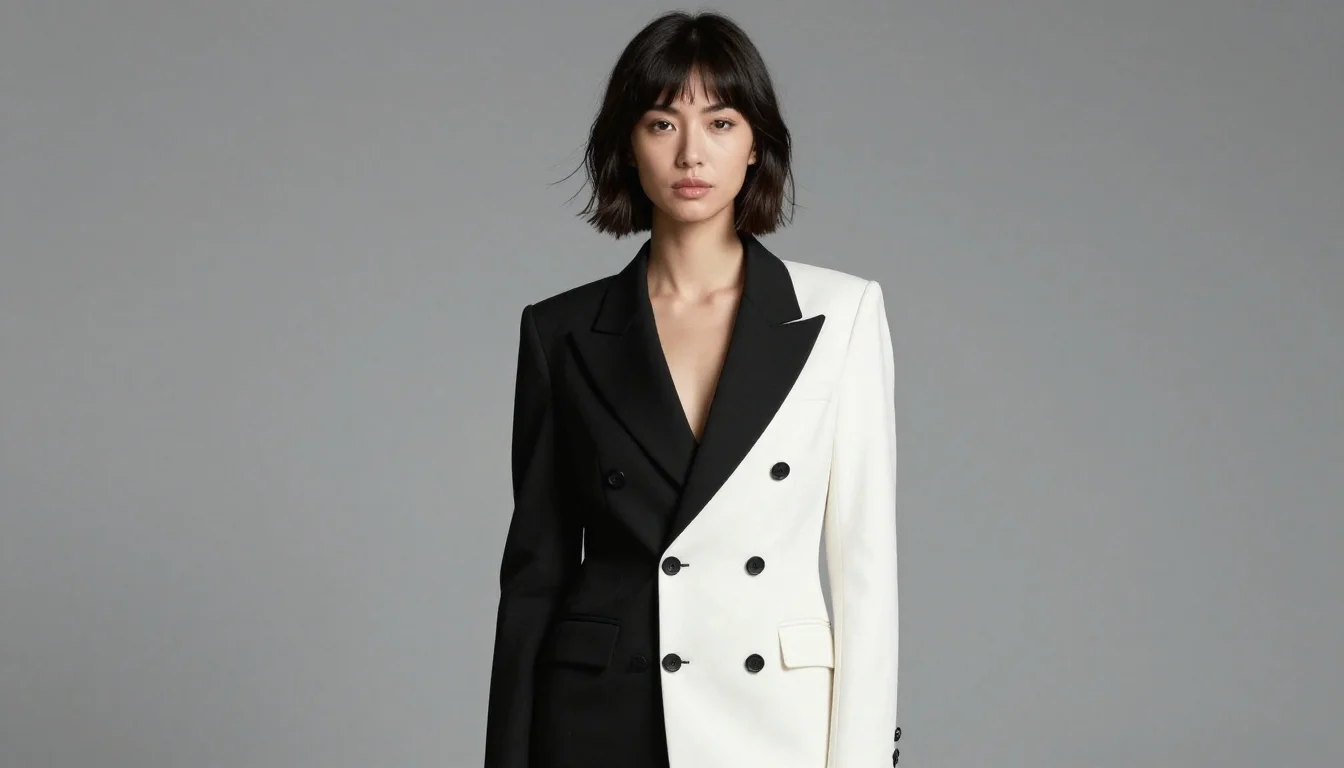
The outfit formula that mirrors your natural coloring is a high-contrast combination: a light piece paired with a dark piece. White shirt with black trousers. Cream blouse with deep navy blazer. The light-dark pairing in the outfit echoes the light-dark pairing in your features, creating a cohesive visual effect. This is your signature outfit architecture — and it works because it's the same logic as your natural coloring.
Clean Whites and Bright Crisp Tones
High contrast coloring can handle clear, clean whites that wash out or look harsh on lighter coloring types. A pure white blouse against dark hair looks crisp and intentional. A bright white dress on high contrast coloring looks striking. These work because your natural coloring provides the anchor — the dark elements give the white something to contrast against. Clean whites in all their forms work here in a way that they often don't for lower-contrast or cooler coloring types.

Ready to see black & navy on your face?
Start my color analysisHow to Build Outfits for High Contrast Coloring
Mirror Your Natural Contrast in Your Outfits
The most reliable high contrast outfit formula: echo the light-dark pairing of your natural coloring in your outfit. If you have dark hair and light skin, a white blouse with black trousers, or an ivory dress with a black blazer, mirrors your natural coloring in a way that feels cohesive and intentional. The outfit and the person look like they belong together. This doesn't mean you can only wear high-contrast combinations — but they're your natural starting point.
Wearing Vivid Jewel Tones
When you wear a vivid jewel tone, keep the rest of the outfit in a clean dark or clean light. A ruby red blouse works with either black trousers (dark anchor) or white wide-leg trousers (light anchor). A sapphire dress needs only a simple dark or light shoe. Don't add multiple competing colors to an outfit built around a vivid jewel tone — let the color be the statement and use your neutrals to frame it.
The Monochrome High Contrast Look
All-black or all-white works remarkably well on high contrast coloring where it often fails on lower-contrast types. All-black provides a clean, dramatic backdrop that lets dark hair and whatever skin tone you have become the only visual element. All-white or all-ivory creates a striking, clean look where your natural features — dark hair, vivid eyes — become the focus. These are your power-move outfits for occasions where you want to make an impression.
Pattern and Print Strategy
High contrast coloring can carry graphic prints and bold patterns that other coloring types cannot. A black-and-white houndstooth, a bold stripe, a graphic floral with dark background — these all work because your natural coloring has the drama to hold them without being overwhelmed. The pattern rule: the contrast level in the print should match or be slightly lower than the contrast level in your coloring. Very high contrast graphic prints on high contrast coloring look intentional; on lower-contrast coloring they look costume-like.
Colors That Work Against High Contrast Coloring
Tonal low-contrast outfits head-to-toe
An all-beige outfit, all-grey look, or all-muted-earth ensemble looks flat and underpowered against the natural drama of high contrast coloring. The outfit's contrast level doesn't match your coloring's contrast level, creating a visual mismatch. It can make high contrast features look washed out against an underwhelming backdrop. Add definition with darker anchors, high contrast combinations, or vivid colors.
Muddy, muted mid-tones as primary colors
Dusty olive, muddy mauve, and dull mid-toned earth tones lack the saturation and clarity to stand alongside high contrast natural features. They read as indecisive. If you want these color families, choose the clear, saturated version: forest green instead of dusty olive, wine instead of dusty mauve, camel instead of muddy brown. High contrast coloring needs color choices with definition.
Matching hair and clothing too closely
If you have very dark hair, wearing very dark colors head-to-toe that exactly match your hair can make the hair disappear into the outfit rather than being framed by it. A small value difference — the outfit slightly lighter or darker than the hair — creates the separation needed to let each element be distinct. The exception is intentional monochrome dressing, which works for high contrast coloring when done deliberately.
Stop guessing — preview every look on you
See these looks on my photoYour Wardrobe, Upgraded
Specific swaps that let high contrast coloring work as an asset rather than an afterthought
Muted mid-tones look flat against high contrast coloring. A clean white or vivid color at the neckline lets your natural contrast do the visual work.
Soft grey is too low contrast to frame high contrast coloring. A black blazer mirrors and amplifies your natural contrast; deep navy provides the same effect with more warmth.
Tonal low-contrast outfits are underpowered against high contrast coloring. A high-contrast combination or vivid single color creates outfit drama that matches your natural coloring.
Camel and beige coats create a low-contrast softness that undersells high contrast coloring. A black or deep navy coat provides the strong anchor that high contrast coloring calls for.
Muted pastels lack the saturation to match the natural drama of high contrast coloring. A vivid jewel tone creates the statement look that this coloring can carry effortlessly.
Tonal grey is low contrast and underwhelming. A white-and-black or vivid-on-dark casual combination echoes your natural coloring and looks deliberately styled.
Which Seasonal Palette Fits High Contrast Coloring?
High contrast coloring most commonly points to Winter seasonal palettes, but the specific season depends on the undertone direction of the coloring. Your seasonal palette refines these recommendations to the precise shades that work best for your specific high contrast combination.
Cool Winter
Learn moreThe most classic high contrast coloring: very dark hair (near-black or cool espresso) with very fair, cool-toned skin. Cool Winter's palette is the clearest expression of high-contrast dressing — true black, pure white, vivid cool jewel tones (sapphire, magenta, icy lavender), and cool crisp neutrals. This is the palette that handles the highest contrast and most vivid colors.
Deep Winter
Learn moreDark hair with warm-neutral undertones in deeper skin tones often points to Deep Winter. Your contrast is still high but your palette leans slightly warmer: vivid teal, deep burgundy, warm emerald, dark tobacco, and rich charcoal. You can carry the same intensity as Cool Winter but with a warmer temperature in your jewel tones.
Deep Autumn
Learn moreHigh contrast coloring with warm undertones throughout — dark warm-brown hair against medium-depth warm skin — often points to Deep Autumn. Your palette is the warm-winter equivalent: deep teal, burgundy, forest green, tobacco, cognac, and warm charcoal. Your contrast is expressed in warm rather than cool terms.
Bright Spring
Learn moreHigh contrast coloring with warm undertones and clear, vivid coloring — bright eyes, warm dark hair against light-warm skin — often fits Bright Spring. Your palette is warm and vivid: bright coral, warm teal, vivid warm green, clear red-orange, bright warm ivory. You share the high contrast of Winter types but expressed in warm, vivid Spring tones.
Find Your Exact Contrast-Matched Palette
These recommendations are built for high contrast coloring as a category — but your exact palette depends on whether your contrast is cool or warm, light-against-dark or dark-against-light, and which specific coloring elements create the contrast. A personalized color analysis identifies your exact seasonal palette and maps it to the precise colors that work with your unique contrast combination.
Stop guessing — preview every color on you
Preview Yourself In Your Palette
Get my personalized paletteStop guessing — preview every color on you
Preview Yourself In Your Palette

Related Guides for Outfits for High Contrast Coloring
Explore more personalized color advice based on your features.
Want to see these colors on you? What Colors Look Good on Me — free to try.
Frequently Asked Questions About Outfits for High Contrast Coloring
What outfits work best for high contrast coloring?
High contrast coloring looks best in outfits that match its visual drama level: high contrast color combinations (white-and-black, cream-and-navy), vivid jewel tones (ruby red, sapphire, emerald), clean darks (true black, deep navy, rich charcoal), and crisp whites or clean lights. The consistent principle: your outfit's contrast and color saturation should match the natural drama of your coloring.
Can high contrast coloring wear all-black outfits?
Yes — and it works better on high contrast coloring than on most other coloring types. All-black creates a clean, dramatic backdrop that lets your natural coloring — dark hair, vivid features, the contrast between your elements — become the visual focus. This works especially well for high contrast coloring with light skin and dark hair. The dark outfit frames the face and lets the contrast between light skin and dark hair be the statement.
What colors should high contrast coloring avoid?
Low-contrast tonal outfits (all-beige, all-muted grey, tonal earth tone looks) look underpowered against high contrast coloring. Muted mid-tones (dusty olive, dull mauve) lack the definition to stand alongside vivid natural features. The general principle: your outfit's contrast level needs to match or approach your coloring's contrast level. When it falls short, the mismatch makes the coloring look overwhelming and the outfit look indecisive.
What seasonal palettes go with high contrast coloring?
High contrast coloring most commonly aligns with Winter seasonal palettes — Cool Winter, Deep Winter, and Bright Winter handle the highest contrast and most vivid colors. Deep Autumn is the warm equivalent for high contrast coloring with golden undertones. Bright Spring fits high contrast coloring that is warm-toned and clear. Your exact season depends on the temperature (warm/cool) and value (light/dark) direction of your contrast.
Should high contrast coloring wear bold patterns?
Yes — high contrast coloring is one of the few coloring types that can genuinely carry bold, high-contrast graphic prints without looking overwhelmed. Black-and-white stripes, graphic houndstooth, bold florals on dark backgrounds, and vivid geometric prints all work because your natural coloring provides the visual strength to hold them. The rule: choose patterns where the contrast level in the print roughly matches or is lower than the contrast in your coloring.