Best Coat Colors forWarm Autumn
Warm Autumn women need coats in rich, earthy, muted tones. Discover which shades flatter you most — and which to skip.
A coat is your largest wearable statement — especially in autumn and winter. For Warm Autumn, that statement should be grounded in deep, earthy warmth: rich camels, tobacco browns, olive greens, and burnt oranges. Your season thrives in the palette of late October, and a coat is the one garment where you can lean fully into that richness without looking overdone. The challenge is knowing which shades carry Warm Autumn's specific combination of warmth, depth, and moderate muting — and avoiding the bright, cool, or overly pale versions that fight your natural coloring.


3,000+
happy clients
Why Your Coat Color Matters More Than Any Other Garment
A coat is your largest wearable statement — especially in autumn and winter. For Warm Autumn, that statement should be grounded in deep, earthy warmth: rich camels, tobacco browns, olive greens, and burnt oranges. Your season thrives in the palette of late October, and a coat is the one garment where you can lean fully into that richness without looking overdone. The challenge is knowing which shades carry Warm Autumn's specific combination of warmth, depth, and moderate muting — and avoiding the bright, cool, or overly pale versions that fight your natural coloring.
A coat is worn over everything else you own, framing your face from shoulder height and appearing in nearly every outdoor encounter. Unlike a blouse or a pair of trousers that gets hidden under layers, a coat is always fully visible. For this reason, a coat in the wrong color has more daily impact than almost any other single clothing mistake.
Warm Autumn coloring — typically golden or olive skin, warm hazel or brown eyes, and hair in shades from honey to dark chestnut — has a specific relationship with color depth and temperature. Your season is muted and warm with moderate-to-high depth. That means your best coat colors are rich without being saturated, warm without being fluorescent, and deep without veering into the stark, cool blacks and navies that belong to Winter types.
A Warm Autumn coat in camel, tobacco, cognac, or deep olive looks like it was made for you — like your coloring and the coat exist in the same visual world. The wrong coat — sharp black, icy grey, cool pink — creates a visible disconnect where your face looks isolated from your clothing, often appearing tired or washed out. Getting the coat right is the highest-return color investment you can make for your wardrobe.
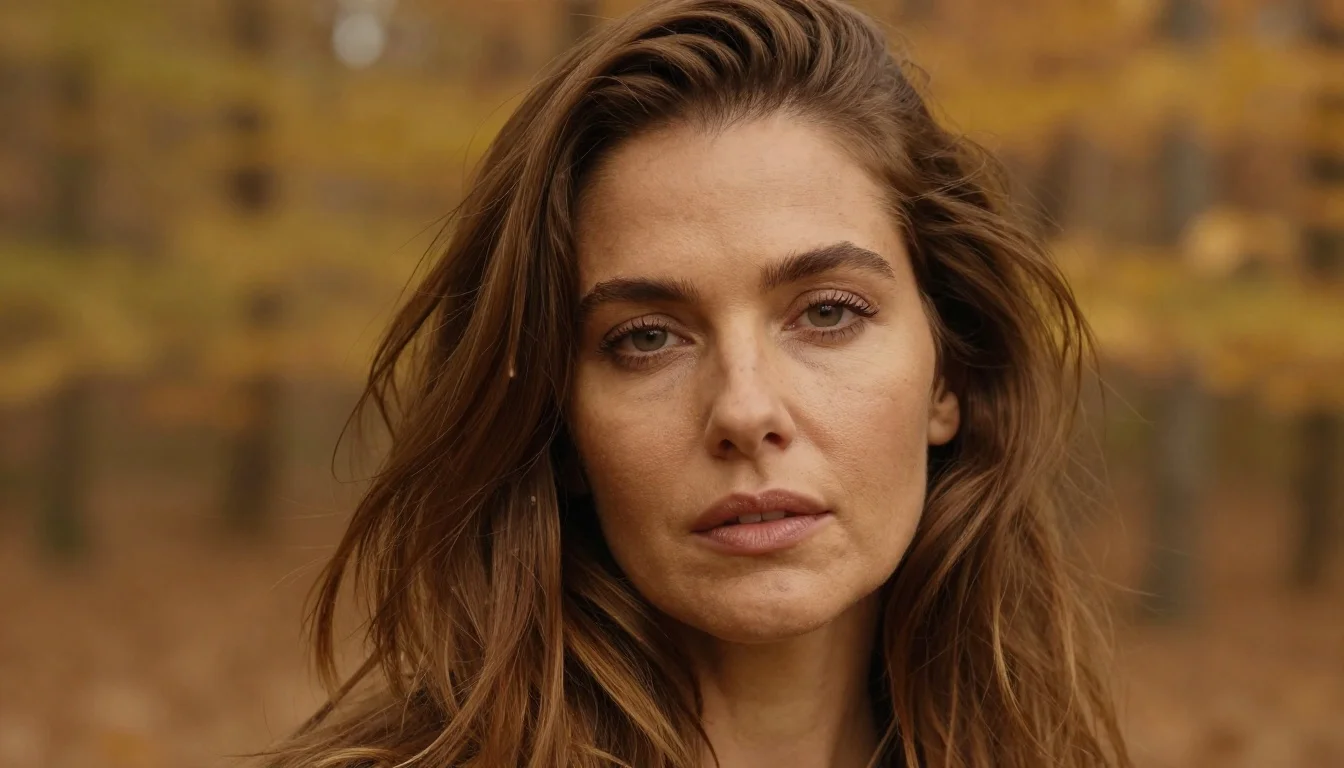
What is the best coat color for Warm Autumn?
Camel and tobacco brown are the most universally flattering coat colors for Warm Autumn. Both share your season's warm golden-brown base, creating a harmonious, polished look. Deep olive is a close second for those who want something less typical. Burnt orange and rust work beautifully for those comfortable with a bolder statement.
Your Best Coat Color Families
Rich Camel and Warm Tan
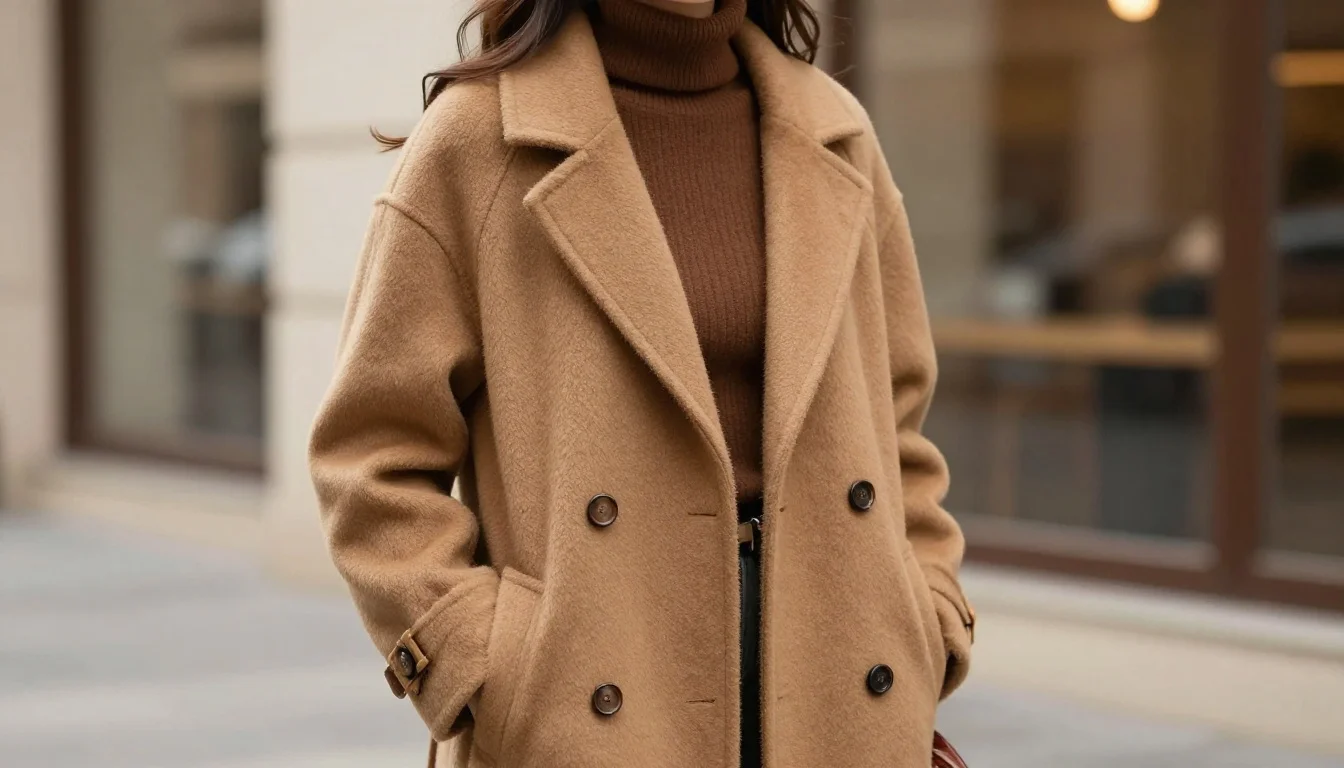
Camel is perhaps the single most iconic Warm Autumn coat color. Its golden-yellow base aligns perfectly with the warm undertone of your skin and hair, creating a seamless, harmonious whole rather than a contrast. A well-chosen camel coat pulls out the gold in hazel eyes, warms golden-olive skin, and complements honey or chestnut hair with remarkable reliability. The key is choosing true golden camel rather than grey-beige versions — warm tan and biscuit shades work for the same reason.
Deep Tobacco and Cognac Brown
Warm Autumn has real depth, and deep browns honor that depth while staying within your season's warm temperature. Tobacco brown — that golden-brown shade of aged wood — is particularly powerful because it has both richness and a warm base. Cognac, the slightly redder warm brown, adds a note of richness that complements olive or golden skin beautifully. These are your most grounded, authoritative coat colors, projecting confidence without the starkness of black.
Olive and Warm Forest Green
Olive is Warm Autumn's signature green, and in coat form it becomes one of the most striking looks in your palette. Deep olive carries warm yellow-green undertones that resonate with olive and golden skin, while its depth provides the visual weight a coat needs. Warm forest green — with its brown undertone rather than a blue-green bias — extends this family into slightly richer territory. Both greens look organic and intentional on Warm Autumn, never jarring.
Burnt Orange and Warm Rust
For those comfortable with a bolder statement, warm orange-red tones are deeply flattering on Warm Autumn. Burnt orange and terra cotta sit right at the edge of your palette's warmth — richly autumnal, muted enough to avoid neon energy, and visually powerful. A burnt orange coat on Warm Autumn coloring creates the kind of cohesive, intentional look where your outfit and your natural features appear to belong to the same color family. These are conversation-starting coats that feel completely natural on you.
Ready to see camel & golden tan on your face?
Start my color analysisHow to Wear Your Coat Colors as a Warm Autumn
The classic Warm Autumn coat formula
A camel or tobacco coat over your seasonal colors is the simplest, most reliable formula. Pair it with warm olive, rust, or deep teal pieces underneath and you're working entirely within one harmonious palette. The coat does the heavy lifting of establishing warmth and depth; the layers underneath can include pattern, texture, or bolder color within your range.
Work and professional settings
Tobacco brown and deep olive are your most professional coat choices — they read as serious and polished while remaining completely within your season. A well-cut tobacco wool coat over a warm cream or caramel knit reads as authoritative without starkness. Save the burnt orange for creative environments or weekend wear where self-expression is more valued than neutrality.
Building a coat wardrobe
If you invest in one coat, make it camel or tobacco — those two neutrals carry your entire Warm Autumn palette. A second coat for variety could be deep olive or, if you want a statement piece, burnt orange. Three coats covering these three families means you're equipped for virtually any occasion or weather condition in your season's best light.
Textures that serve Warm Autumn best
Boiled wool, bouclé, soft cashmere, and suede in your palette colors carry Warm Autumn's natural richness forward — the texture adds depth and tactile warmth that smooth, lustrous fabrics can undercut. Avoid metallic-finish coats in silver; if metallic is a direction you want, warm bronze or copper-toned fabrics stay within your temperature range.
Coat Colors That Work Against Warm Autumn
Cool black and cool-based charcoal
Black with a blue-cool undertone is a Winter color and creates a stark, draining contrast against Warm Autumn's golden-warm coloring. Your face can look pale, tired, or washed out against the unrelenting depth of cool black. Warm deep browns achieve all the darkness of black while staying within your season's temperature. If you feel you need a very dark coat, choose a warm charcoal with yellow-brown undertones rather than cool grey-black.
Bright cobalt and royal blue
Saturated cool blues belong to Winter and Bright Spring palettes, not Warm Autumn. Cobalt and royal blue pull out the sallow quality that can appear in warm and olive skin tones, draining warmth rather than amplifying it. If you want blue in your coat wardrobe, look to warm slate or teal with green-brown undertones — but the core cool blues are best avoided.
Cool grey and silver
Grey and silver have cool undertones that sit in direct contrast to Warm Autumn's warmth and muting. A pale silver-grey coat creates a temperature conflict with warm skin tones, making the face appear cooler and flatter than it is. Even medium greys tend to neutralize rather than harmonize. Your neutral territory is warm — taupes, warm beiges, and tobacco are your greys.
Icy pastels and pale pink
Very pale, cool pastels — icy lavender, pale mint, blush pink — have none of the depth or warmth that Warm Autumn coloring needs from a coat. They create a washed-out, underpowered look because there's no tonal resonance with your season's richness. Even if a light coat is what you're after, choose a warm cream or golden ivory rather than a cool pale.
Stop guessing — preview every look on you
See these looks on my photoCoat Color Swaps for Warm Autumn
Replacing the colors that drain your warmth with ones that amplify it.
Cool grey pulls out the warmth from your skin and creates a temperature mismatch. Tobacco brown honors your depth while keeping the same neutral, workhorse role.
Cobalt and royal blue are cool-season colors that drain warm undertones. Deep olive gives you the same visual interest while staying within Warm Autumn's earthy spectrum.
Cool pale blush lacks the warmth your coloring needs. Camel and warm cream provide a light coat option without the cool tone conflict.
True bright red with blue undertones veers into cool territory. Burnt orange and terra cotta carry red's energy but in a warm, earthy register that's authentic to your season.
The classic trench often comes in a grey-beige that sits in neutral no-man's-land. Choose one with a clear golden or caramel base to activate rather than neutralize your warmth.
Black drains warmth at face level. Deep cognac or warm plum-brown give you the evening richness and depth of black while remaining completely harmonious with Warm Autumn coloring.
Explore Your Autumn Palette Further
Warm Autumn is one of three Autumn sub-seasons, each with a slightly different emphasis on warmth, depth, and muting. If you're uncertain about your exact season, exploring all three can help you identify where your coloring sits.
Deep Autumn
Learn moreIf your coloring has more depth and richness than typical Warm Autumn — very dark hair, very deep brown eyes, olive or medium-deep skin — Deep Autumn may be your home. Your coat palette extends into even richer darks: dark chocolate, burgundy-brown, and deep forest green.
Soft Autumn
Learn moreIf your version of Warm Autumn reads as gentler or more muted — lighter hair, softer eyes, and a generally blended quality to your coloring — Soft Autumn may be closer. Your coat palette would emphasize more muted versions of the same warm tones.
Warm Spring
Learn moreIf your warm coloring feels lighter and brighter than Warm Autumn — golden-blonde hair, clear warm skin, bright hazel or green eyes — Warm Spring may be your season. Coat colors shift toward brighter camel, peach, and clear warm greens.
Find Your Perfect Coat Color
Coat shopping as a Warm Autumn is clearest when you know your palette precisely. The best camel for your specific warmth level, the exact olive or tobacco that harmonizes with your particular skin undertone — these details come from a personalized color analysis that identifies not just your season but your exact tonal range within it. A coat is a multi-season investment; getting the color right once is worth the clarity.
Stop guessing — preview every color on you
Preview Yourself In Your Palette
Get my personalized paletteStop guessing — preview every color on you
Preview Yourself In Your Palette

Related Guides for Best Coat Colors for Warm Autumn
Explore more personalized color advice based on your features.
Want to see these colors on you? What Colors Look Good on Me — free to try.
Frequently Asked Questions About Best Coat Colors for Warm Autumn
What is the best coat color for Warm Autumn?
Camel and tobacco brown are the most universally flattering coat colors for Warm Autumn. Both share your season's warm golden-brown base, creating a harmonious, polished look. Deep olive is a close second for those who want something less typical. Burnt orange and rust work beautifully for those comfortable with a bolder statement.
Can Warm Autumn wear black coats?
Cool black is generally not ideal for Warm Autumn — it sits outside your season's warm temperature and can drain the golden quality from your skin and hair. If you need a very dark coat, choose a warm deep brown (chocolate or tobacco) or a warm dark charcoal with brown undertones rather than a cool blue-black.
Can Warm Autumn wear camel?
Yes — camel is one of Warm Autumn's signature colors and works beautifully in coat form. The golden-yellow base of camel aligns perfectly with your season's warm undertone. Choose a true camel with clear golden warmth rather than versions that lean grey-beige, which are cooler and less harmonious.
What color trench coat suits Warm Autumn?
A warm caramel or golden tan trench is ideal for Warm Autumn — look for versions with clear warmth rather than the grey-based beige of many standard trenches. A warm olive trench is an excellent alternative for something less expected. Both honor your season's warmth in the classic trench silhouette.
Can Warm Autumn wear olive green coats?
Absolutely — deep olive is one of Warm Autumn's most flattering coat colors. Its warm yellow-green base resonates with your season's warmth, and its depth provides the visual weight a coat needs. Choose olive with brown-green rather than blue-green undertones for the most harmonious result.
What shade of brown coat suits Warm Autumn best?
Tobacco and cognac are the most flattering browns for Warm Autumn in coat form. Tobacco has a warm golden-brown quality that mirrors your coloring almost exactly. Cognac is slightly redder and richer. Warm chocolate works too. Avoid browns with grey or ashy undertones — those belong to cooler seasons.