Who Can WearBeige?
Beige is a wardrobe staple that washes out the wrong skin tones. Discover how to find your perfect shade — and skip the ones that wash you out.
Beige is everywhere — in minimalist wardrobes, quiet luxury, and timeless staples. But beige is one of the most undertone-sensitive colors you can wear. The wrong beige disappears into your skin, washes you out, or makes you look tired. The right beige makes you look expensive and effortless. The difference comes down to one thing: does the beige's temperature match yours?


3,000+
happy clients
Why Beige Washes Out Some Skin Tones
Beige is everywhere — in minimalist wardrobes, quiet luxury, and timeless staples. But beige is one of the most undertone-sensitive colors you can wear. The wrong beige disappears into your skin, washes you out, or makes you look tired. The right beige makes you look expensive and effortless. The difference comes down to one thing: does the beige's temperature match yours?
Beige is a near-neutral with low saturation and warm-to-neutral undertones. Because it's so close to skin tone, it interacts with your coloring more intimately than bold colors do. A vivid emerald looks good or bad on you — but it's clearly separate from your skin. Beige can literally blend into your skin, making you look monochrome and flat. That's the washed-out effect people describe.
The fix is temperature matching. Warm beige — camel, sand, golden tan — has a yellow-warm base that harmonizes with warm undertones. Cool beige — greige, mushroom, cool taupe — has a grey or pink base that harmonizes with cool undertones. When the beige matches your undertone temperature, it looks like a purposeful neutral. When it doesn't, it looks like you forgot to get dressed.
Contrast is the second variable. Beige is inherently low-contrast. If your coloring is already low-contrast — light hair, fair skin, light eyes — beige can make everything blur together. You need contrast helpers: darker accessories, defined makeup, or a richer companion piece. High-contrast coloring (dark hair, deep skin, bright eyes) carries beige naturally because the contrast comes from within.
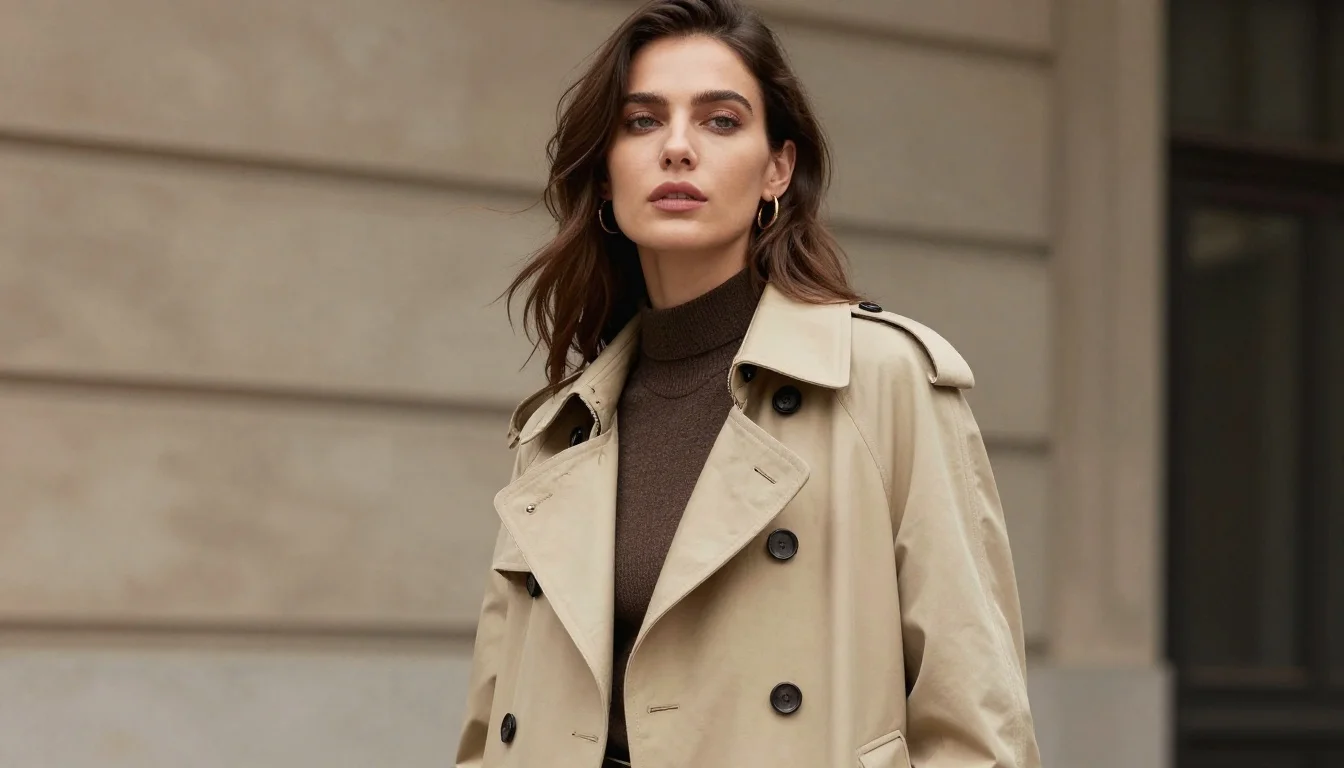
Who can wear beige?
Everyone can wear a version of beige — the key is temperature. Warm undertones suit camel, sand, and golden tan. Cool undertones suit greige, mushroom, and cool taupe. Muted seasons wear muted beige beautifully. Deep coloring needs richer, more saturated beige. The mistake is wearing one-shade-fits-all beige without considering undertone.
The Right Beige for Your Undertone
Warm Beige for Warm Undertones
Warm undertones — golden, peachy, olive — are flattered by beige with visible warmth. Camel is the gold standard: rich, warm, and saturated enough to read as intentional rather than washed out. Warm sand is lighter and softer. Golden tan has a yellow-gold quality that echoes warm skin beautifully. Warm khaki works for casual wear. The common thread: these beiges have a yellow or golden base, not a grey one.
Cool Beige for Cool Undertones
Cool undertones — pink, blue, neutral-cool — need beige with a grey or cool base. Greige (grey + beige) is the most flattering cool neutral for cool skin. Mushroom has a subtle cool brown quality. Cool taupe bridges brown and grey without warmth. Stone is a light cool neutral that reads as beige-adjacent but carries no yellow warmth. These prevent the sallow, jaundiced effect that warm beige creates on cool skin.
Rich Beige for Deep Coloring
Deep skin tones need beige with enough richness and saturation to create visible contrast. Pale, washed-out beige disappears against deep skin. Rich camel and deep sand have the depth and warmth to stand apart from deep warm skin. Dark taupe works for deep cool skin. Warm bronze-beige bridges beige and metallic territory — rich enough to read as intentional against deep complexions.
Muted Beige for Soft Seasons
Soft Autumn and Soft Summer have muted, blended coloring that actually wears beige beautifully — when the beige is equally muted. Soft taupe is the perfect muted neutral: not too warm, not too cool, gently greyed. Dusty sand is warm but softened. Muted oatmeal has a textural quality that adds visual interest without high contrast. These muted beiges are some of the most versatile neutrals for soft seasons.

Not sure yet? See it on your face
Start my color analysisHow to Wear Beige Without Looking Washed Out
Match beige temperature to your undertone
This is the non-negotiable rule. Warm skin → warm beige (camel, sand, golden tan). Cool skin → cool beige (greige, taupe, mushroom). Neutral skin → you have flexibility but lean toward whichever feels more natural. Getting the temperature right is the difference between looking expensive and looking exhausted.
Build contrast into the outfit
Beige is low-contrast by nature. Unless you have deep coloring that provides its own contrast, you need to build contrast into the outfit. A beige coat over a black turtleneck. Camel trousers with a white shirt and dark leather belt. The contrast prevents the monochrome-washed-out effect and makes the beige look deliberate.
Keep beige below the face if you're unsure
If beige near your face makes you look flat, move it to trousers, skirts, or bags. Beige trousers with a more flattering color on top gives you the minimalist neutral look without the washed-out face. As you get more confident with your exact beige shade, you can bring it closer to the neckline.
Invest in the right shade of beige staples
A camel coat, beige trousers, and a neutral bag are wardrobe workhorses — but only if they're your shade. One wrong-temperature beige staple will sit in your closet unworn. Before investing in beige basics, identify whether you're camel, greige, or taupe. Then buy with confidence.
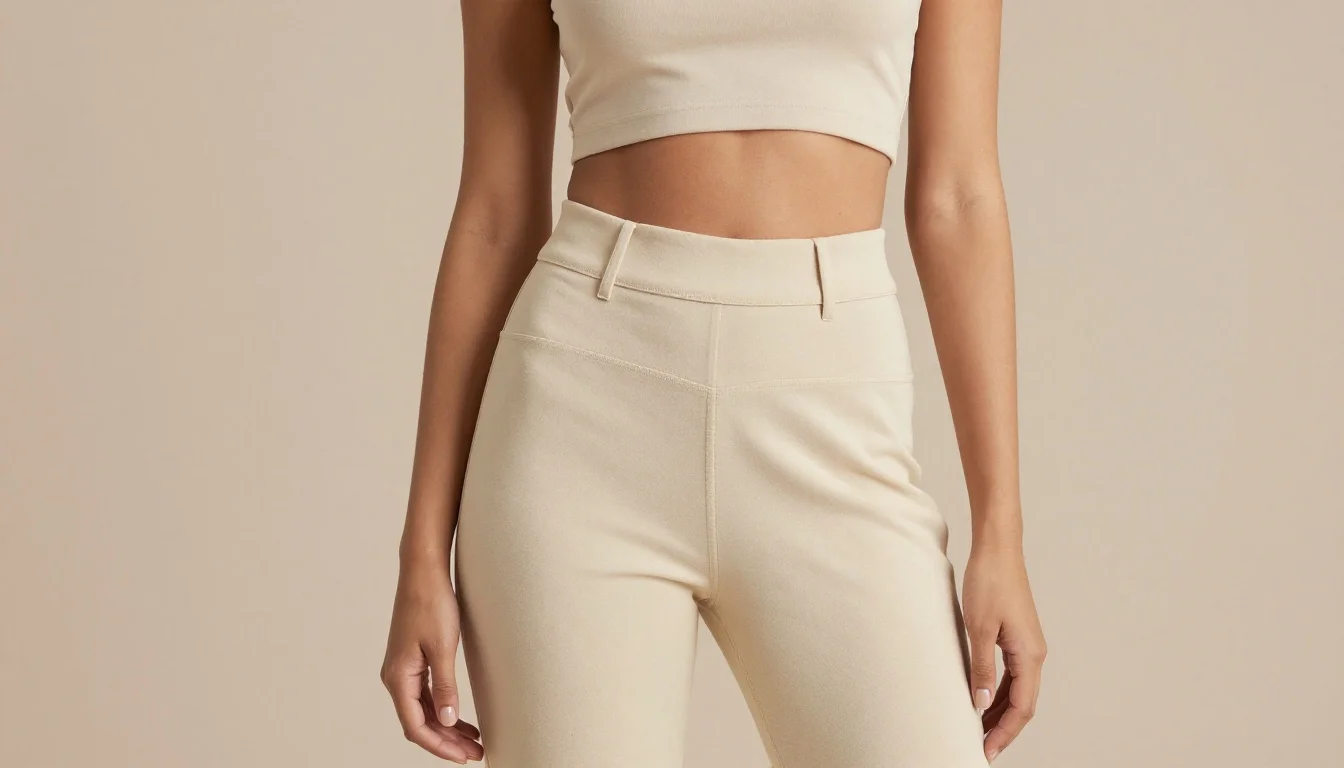
Beiges That Make You Look Tired
Warm camel on cool undertones
Warm camel has a strong yellow-gold base. On cool pink or blue-toned skin, that warmth creates a sallow cast — the skin looks slightly yellow or washed out. Cool skin needs greige, stone, or cool taupe instead. The difference between camel and greige on cool skin is dramatic.
Grey-based greige on warm undertones
Greige's grey base makes warm golden skin look ashy and drained. The cool grey undertone conflicts with warm skin's golden base. Warm undertones need warm sand, camel, or golden tan — beige with visible warmth rather than grey.
Pale beige on deep or high-contrast coloring
Very pale, unsaturated beige next to deep skin creates an awkward contrast gap — the beige looks faded rather than intentional. High-contrast coloring (dark hair, fair skin) also makes pale beige look washed out by comparison. Choose richer, more saturated beige tones with visible depth.
Beige head to toe on low-contrast coloring
If you're already low-contrast — similar lightness in hair, skin, and eyes — an all-beige outfit makes everything merge. Your features disappear into the monochrome. Add a contrast anchor: dark bag, defined brows, bold lip, or a richer companion piece to separate you from the beige.
Stop guessing — discover your exact palette
See myself in my colorsFind Your Beige
If beige has always made you look tired, you were wearing the wrong temperature — not the wrong color family.
Camel's golden warmth creates a sallow cast on cool skin. Greige has a grey base that harmonizes with cool undertones and looks intentionally neutral.
Cool beige drains warmth from golden skin. Warm beige echoes your undertone and makes the skin look luminous rather than grey.
Pale beige fades against deep skin. Rich beige tones have enough saturation to create intentional contrast and look deliberately styled.
All-beige on low-contrast coloring merges you into the outfit. One contrasting piece near the face separates your features from the neutral.
Neutral undertones can bridge warm and cool. True taupe and warm greige sit in the middle and work with both directions.
High-contrast coloring sometimes needs a richer neutral near the face. Use beige for bottoms and bags while keeping deeper tones at the neckline.
Your Season, Your Beige
Beige is a neutral staple — but your specific shade of beige varies dramatically by season. The wrong beige is the most common wardrobe mistake in minimalist dressing.
Soft Autumn
Learn moreSoft Autumn is beige's natural home. Warm, muted, earthy — soft taupe, dusty sand, and warm oatmeal are your signature neutrals. You can build entire outfits around these tones because your coloring is designed for them. Your beiges should be warm but softened, never stark or grey.
Warm Autumn
Learn moreWarm Autumn wears rich, saturated beige beautifully. Camel, deep golden sand, and warm bronze-beige have the warmth and depth to complement your earthy, golden coloring. Avoid cool greige — it will look grey and lifeless on you. Your beige should look like it was warmed by the sun.
Warm Spring
Learn moreWarm Spring handles lighter, brighter beige with clarity. Golden tan, warm khaki, and light camel work because they match your warm, clear energy. Your beige should feel fresh and warm, not muted or earthy like Autumn beige. Think of golden desert sand rather than forest floor.
Find Your Exact Beige
Beige is one of the most-purchased, most-mismatched colors in any wardrobe. The difference between a beige that makes you look polished and one that makes you look drained is usually one shade. Your seasonal palette identifies your exact beige neutral — and once you know it, every minimalist outfit gets easier.
Stop guessing — preview every color on you
Preview Yourself In Your Palette
Get my personalized analysisStop guessing — preview every color on you
Preview Yourself In Your Palette

Related Guides for Who Can Wear Beige Without Washing Out?
Explore more personalized color advice based on your features.
Want to see these colors on you? What Colors Look Good on Me — free to try.
Frequently Asked Questions About Who Can Wear Beige Without Washing Out?
Who can wear beige?
Everyone can wear a version of beige — the key is temperature. Warm undertones suit camel, sand, and golden tan. Cool undertones suit greige, mushroom, and cool taupe. Muted seasons wear muted beige beautifully. Deep coloring needs richer, more saturated beige. The mistake is wearing one-shade-fits-all beige without considering undertone.
Why does beige make me look washed out?
Usually a temperature mismatch. Warm beige on cool skin creates a sallow, tired look. Cool beige on warm skin looks ashy and draining. Because beige is so close to skin tone, the undertone match matters more than with any bold color. Try switching from warm to cool beige (or vice versa) and the washed-out effect often disappears immediately.
What is the difference between beige, taupe, and greige?
Beige is a warm neutral with a yellow or golden base. Taupe is a neutral brown-grey — it can lean warm or cool depending on the specific shade. Greige is grey plus beige — a cool neutral with visible grey undertones. Warm skin suits beige, cool skin suits greige, and taupe works for neutrals. The distinctions are subtle but the effect on your skin is dramatic.
Can dark skin wear beige?
Yes, and often beautifully. Deep skin provides natural high contrast against beige, which prevents the washed-out problem. The key is choosing a beige with enough saturation — rich camel, deep sand, warm bronze-beige. Very pale, unsaturated beige can look faded against deep skin. Match the temperature to your undertone: warm beige for warm deep skin, cool taupe for cool deep skin.
What is the most flattering shade of beige?
Camel is the most universally flattering warm beige — it has enough depth and saturation to avoid looking washed out while remaining unmistakably neutral. For cool undertones, greige is the equivalent: neutral enough to function as beige but with the grey base that prevents the sallow effect. For the broadest range, a mid-depth warm-neutral beige works for most people.