Which Skin Tones Make OrangeLook Extraordinary
Orange is one of the most polarizing colors in fashion — stunning on some, overwhelming on others. Discover how to find the colors that actually flatter your coloring.
Orange is one of fashion's most divisive colors — it can look electrifying and warm on the right skin tone, yet muddy or overwhelming on another. The question of who can wear orange is less about skin color and more about undertone. The key is not whether you can wear orange, but which version of orange — from burnt sienna to peach to tangerine to terracotta — aligns with your skin's natural warmth or coolness. Almost everyone can wear some shade in the orange family. The challenge is knowing which one.


3,000+
happy clients
Why Orange Works Differently on Different Skin Tones
Orange is one of fashion's most divisive colors — it can look electrifying and warm on the right skin tone, yet muddy or overwhelming on another. The question of who can wear orange is less about skin color and more about undertone. The key is not whether you can wear orange, but which version of orange — from burnt sienna to peach to tangerine to terracotta — aligns with your skin's natural warmth or coolness. Almost everyone can wear some shade in the orange family. The challenge is knowing which one.
Orange sits at the warm end of the color spectrum — it is inherently a warm color with yellow and red mixed together. This is why it interacts so powerfully with skin undertones. Warm undertones (skin that is golden, peachy, or yellow-based) tend to resonate with orange because the warmth echoes the warmth in the skin. The result is a sun-kissed harmony. Cool undertones (skin that is pink, blue, or neutral-based) face a potential clash — orange's warmth can emphasize the coolness of the skin as a stark contrast.
But depth matters just as much as undertone. Dark skin tones with rich melanin content handle bold, vivid orange with exceptional strength — the depth of the skin grounds the intensity of the color. Light skin tones with warm undertones can carry peach and coral beautifully. Medium olive skin — which has both warmth and depth — is often orange's most natural ally. Understanding both your depth and undertone reveals which shade of orange, if any, will genuinely flatter.
The shade of orange also matters enormously. "Orange" encompasses everything from pale peach and coral to vivid tangerine and deep burnt sienna. Cooler-undertone skin that struggles with vivid tangerine may look stunning in a muted terracotta or warm coral. The approach isn't to avoid orange entirely — it's to find where on the orange spectrum your coloring lives.
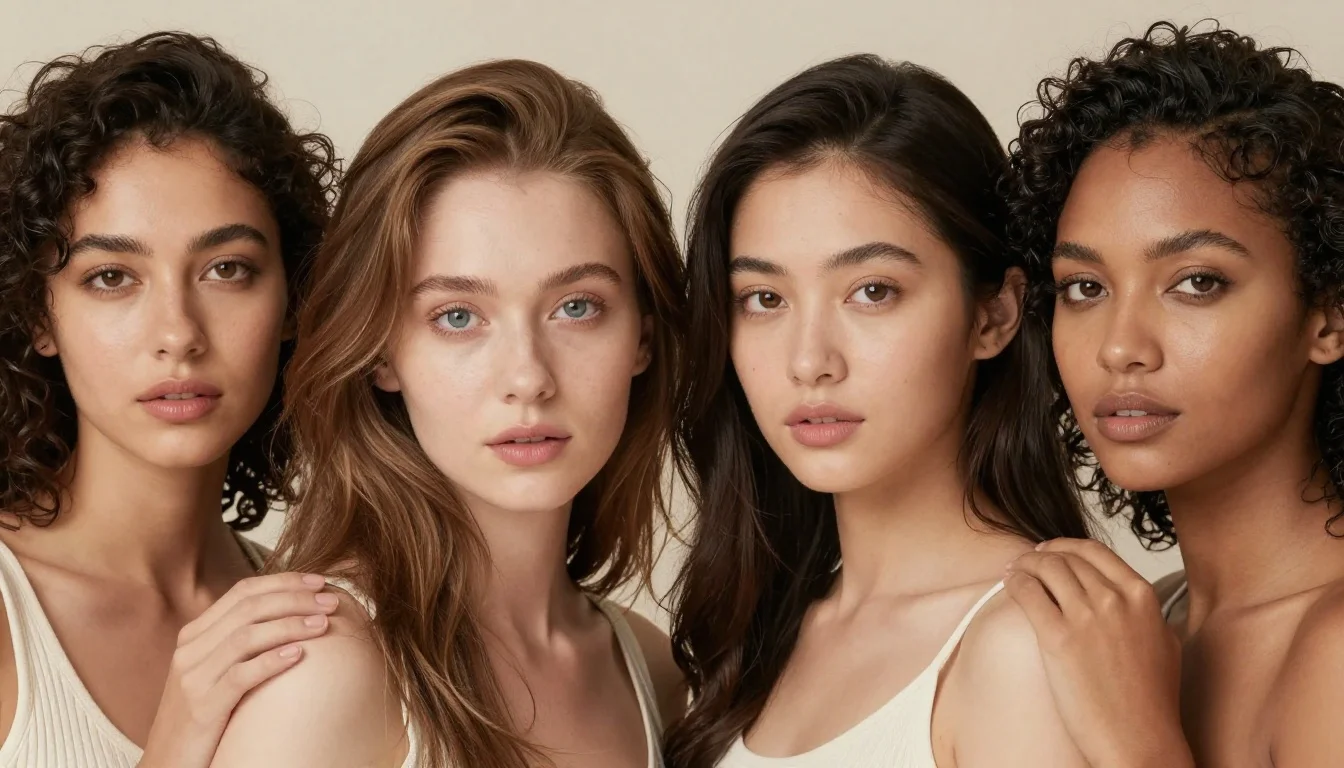
What skin tone suits orange best?
Warm undertones and dark skin tones generally suit orange best. Olive skin and dark skin with warm undertones have a natural affinity with the orange family — terracotta, tangerine, and burnt sienna look particularly powerful on these complexions. Cool-undertone skin can wear muted versions of orange (dusty terracotta, warm coral) rather than vivid, pure orange.
Which Shades of Orange Work for Each Skin Type
Dark Skin: All Oranges Work — The Bolder the Better
Dark skin tones are orange's most powerful canvas. The depth of rich melanin grounds even the most vivid tangerine or hot orange, preventing it from looking overwhelming. Burnt sienna and terracotta create a harmonious warmth, while vivid tangerine and orange pop with electric contrast. Dark skin with warm undertones achieves a resonant, sun-kissed effect; dark skin with cool undertones gets dramatic contrast. Either way, dark skin handles the full orange spectrum with ease.
Olive Skin: Orange's Natural Partner
Olive skin has a golden-green quality that aligns beautifully with the warm family. Terracotta, rust, and warm tangerine create a particularly resonant harmony with olive skin — they share the warm, earthy quality of olive complexions without making the green tones appear sallow. Papaya and warm coral also work well. Olive skin tones generally have the undertone warmth to make most oranges look intentional and flattering.
Warm Undertones (Any Depth): A Natural Alliance
Any skin tone with warm undertones — whether fair, medium, or deep — has a natural affinity with the orange family. The yellow-gold quality of warm undertones resonates with orange's warmth, creating a harmonious glow rather than a clash. Light warm-undertone skin looks radiant in peach and apricot. Medium warm-undertone skin suits coral and soft tangerine. The undertone match is what matters more than the specific depth.
Cool Undertones: Muted Terracottas and Warm Corals
Cool undertones can wear orange successfully in its more muted, red-shifted versions. Dusty terracotta, burnt clay, and warm salmon all shift toward the red end of the orange spectrum, reducing the yellow quality that clashes most with cool skin. These shades provide the warmth of orange without the temperature conflict. Vivid tangerine and pure orange are the versions most likely to clash with cool undertones.

Not sure yet? See it on your face
Start my color analysisHow to Wear Orange for Your Coloring
Find your orange on the spectrum
Before deciding orange doesn't work for you, try on multiple versions. The orange spectrum spans from palest peach (nearly neutral) through apricot, coral, tangerine, orange, burnt orange, rust, and terracotta. If vivid tangerine clashes, terracotta may be perfect. If pale peach washes you out, vivid tangerine may electrify. The shade matters as much as the color family.
Use orange as an accent rather than a total look
If you're uncertain whether orange works for your coloring, introduce it as an accent first: an orange bag, belt, scarf, or shoes. Accessories away from the face carry orange without the potential for undertone conflicts. Once you see how the shade interacts with your overall coloring, you can decide whether to bring it closer to the face.
Pair orange with your neutrals strategically
Orange pairs best with warm neutrals (camel, cream, ivory, warm white) for warm-undertone wearers. Cool-undertone wearers who are managing the orange temperature conflict do better pairing terracotta with navy, charcoal, or crisp white — the cool neutrals balance the orange's warmth. Dark skin can pair orange with virtually any neutral for different effects.
Evening orange: go rich and deep
For evening, choose the richest, most sophisticated end of orange: burnt sienna, deep terracotta, warm copper, rust. These deep, complex shades of orange are evening-appropriate on almost every skin tone — they have the depth and richness that reads luxurious rather than casual. Vivid tangerine reads as daytime; deep rust and burnt sienna read as eveningwear.
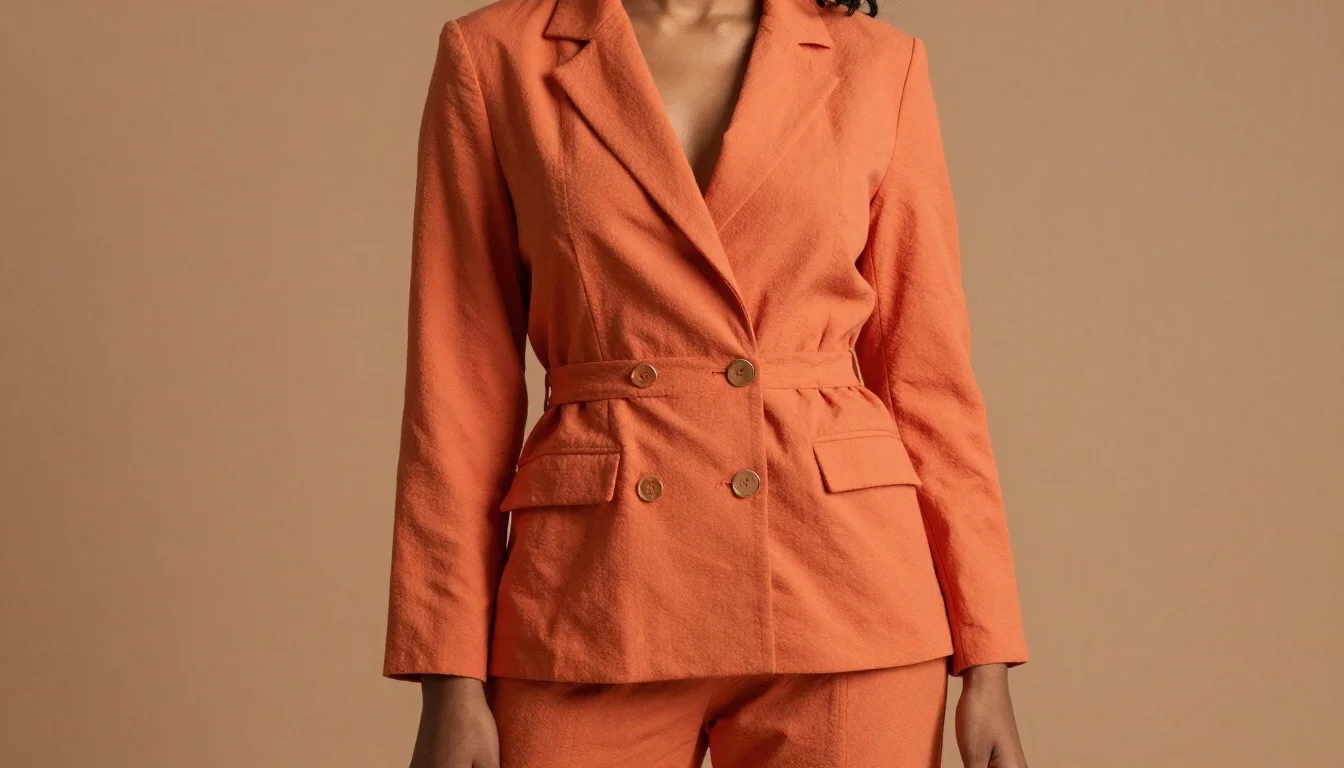
Which orange works on you?
The right orange depends on your undertone and season. The free color analysis quiz shows the warm shades that suit you.
When Orange Doesn't Work — And Why
Pure vivid orange on very fair cool-undertone skin
Fair skin with distinctly cool (pink or blue) undertones faces the greatest challenge with bright orange. The warm yellow-orange creates a stark temperature contrast against pink cool skin — the orange appears to make the skin look redder or more flushed than it is. On this skin type, muted coral or terracotta works better than pure orange.
Orange near grey hair without supporting warm tones
Silver and grey hair often has cool undertones, and vivid orange near the face can create a jarring warm-cool conflict. If you have grey hair and cool undertones, dusty terracotta or warm blush are more harmonious than vivid orange. If your grey hair still has warm golden or blonde undertones, you have more freedom.
Neon or electric orange on low-contrast coloring
Low-contrast coloring — where skin, hair, and eyes are all in a similar soft, muted range — is overwhelmed by neon or electric orange. The vivid intensity of bright orange dominates a low-contrast face rather than complementing it. Muted, softer oranges (dusty terracotta, peach, warm coral) are far more flattering on low-contrast coloring.
Orange when you have strong rosacea or redness
Orange amplifies redness in the skin by creating a warm contrast that draws attention to warm tones in the complexion. If you have significant facial redness, rosacea, or a naturally ruddy complexion, orange can make skin appear more inflamed. Cool-toned clothing tends to neutralize skin redness better.
Stop guessing — discover your exact palette
See myself in my colorsFinding Your Orange: Color by Skin Type
Every skin tone has an orange that works — here's how to find yours.
Vivid orange creates a temperature conflict with cool fair skin. Dusty terracotta and warm coral shift toward the red end of orange, making them far more harmonious with cool undertones while still delivering the warm energy of orange.
Fair warm-undertone skin looks luminous in lighter, softer oranges. Peach and apricot share the warmth of fair warm skin without overpowering it. Deep burnt orange can be too heavy near the face for very fair complexions.
Olive skin has enough depth and warmth to handle vivid tangerine and rich terracotta powerfully. Pale, washed-out oranges don't provide enough contrast or resonance against the natural richness of olive complexions.
Dark warm skin with rich undertones can carry the boldest orange with ease. Vivid tangerine and bright orange provide the contrast that makes deep skin glow rather than blending with it as muted shades do.
Dark cool-toned skin handles vivid, clear orange beautifully — the contrast between cool depth and warm orange is dramatic and striking. Muddy, unclear oranges create an unflattering middle ground. Go bold or go earthy with terracotta.
Silver hair with cool undertones can clash with vivid orange. Muted terracotta and burnt rust shift toward red, reducing the temperature conflict while still delivering warmth. These shades also pair beautifully with the cool sophistication of silver hair.
Which Palette Might Be Yours?
Your relationship with orange is directly tied to your seasonal palette. Autumn types — Deep, Warm, and Soft — are orange's natural home. Spring types handle bright, warm versions of orange and coral. Winter types do best with muted, sophisticated orange derivatives like terracotta.
Warm Autumn
Learn moreWarm Autumn is orange's definitive home. Rich terracotta, burnt sienna, warm pumpkin, and earthy copper are core Warm Autumn shades. If you have warm golden-brown hair, warm skin with golden or peachy undertones, and brown or hazel eyes — orange is made for you.
Warm Spring
Learn moreWarm Spring handles the brighter, lighter end of orange: vivid coral, peach, warm tangerine. If you have warm but lighter and clearer coloring — golden blonde or light warm brown hair, bright warm skin, light eyes — these fresh oranges are among your best colors.
Deep Autumn
Learn moreDeep Autumn wears the richest, darkest oranges: burnt sienna, mahogany, deep rust, warm copper. If you have very deep warm coloring — dark rich hair, dark warm skin — the deepest end of the orange spectrum is where you'll look most powerful.
Find Your Exact Colors
Orange is one of those colors where the difference between stunning and overwhelming comes down to the exact shade and your precise undertone. A personalized color analysis identifies exactly where on the orange spectrum your coloring lives — and whether you're a terracotta person, a vivid tangerine person, or a soft coral person — so you stop guessing and start wearing color with confidence.
Stop guessing — preview every color on you
Preview Yourself In Your Palette
Get my personalized analysisStop guessing — preview every color on you
Preview Yourself In Your Palette
Related Guides for What Skin Tone Suits Orange?
Explore more personalized color advice based on your features.
Want to see these colors on you? What Colors Look Good on Me — free to try.
Frequently Asked Questions About What Skin Tone Suits Orange?
What skin tone suits orange best?
Warm undertones and dark skin tones generally suit orange best. Olive skin and dark skin with warm undertones have a natural affinity with the orange family — terracotta, tangerine, and burnt sienna look particularly powerful on these complexions. Cool-undertone skin can wear muted versions of orange (dusty terracotta, warm coral) rather than vivid, pure orange.
Can fair skin wear orange?
Fair skin can wear orange depending on the undertone. Fair skin with warm undertones looks beautiful in peach, apricot, and soft coral — lighter expressions of the orange family that share the warmth in the skin. Fair skin with cool undertones does better in dusty terracotta or salmon than in vivid tangerine or pure orange, which can create a temperature clash.
Can dark skin wear orange?
Dark skin handles orange exceptionally well. The depth of rich melanin grounds even the most vivid tangerine and hot orange, creating striking contrast or warm harmony depending on undertone. Dark skin with warm undertones glows in terracotta and burnt sienna. Dark skin with cool undertones achieves a dramatic contrast with vivid orange. Orange is one of dark skin's most powerful colors.
Can cool undertones wear orange?
Cool undertones can wear orange in its muted, red-shifted versions: dusty terracotta, warm salmon, burnt clay, and muted coral. These shades sit on the boundary between orange and red, providing warmth without the intense yellow-orange that clashes most with cool skin. Vivid tangerine and pure orange are the shades most likely to conflict with cool undertones.
What is the difference between orange and terracotta?
Terracotta is a muted, earthy, dusty version of orange — it shifts toward red-brown and has less yellow than pure orange. This makes terracotta wearable by a much wider range of skin tones, including cool undertones that struggle with vivid orange. Vivid orange is brighter, more yellow-based, and has more intensity. If pure orange doesn't suit you, terracotta is usually the more accessible alternative.
What is an orange skin tone?
An orange-leaning complexion has a strong warm, golden-peach undertone. In color terms it sits firmly in the warm camp, flattered by earthy and spice colors and by warm metals like gold.
Can cool skin tones wear orange?
Yes, but the shade matters. Cool undertones do best in cooler oranges — coral, pink-edged terracotta — rather than bright marigold or pumpkin, which suit warm undertones.
Who looks good in orange?
Warm seasons (True Spring, True and Warm Autumn) look best in orange, especially rich rust, terracotta, and amber. Cool seasons can still wear softened, muted oranges near the face.