Colors That Make You LookApproachable
Which colors signal warmth and openness before you speak? Discover which shades flatter you most — and which to skip.
Being approachable is a social superpower — and color plays a larger role in signaling it than most people realize. Whether you're networking, meeting new people, teaching, managing a team, or just want people to feel comfortable talking to you, the colors you wear send a message before you've said a word. Approachability is about warmth, openness, and psychological safety — and certain colors communicate all three at a glance.


3,000+
happy clients
The Psychology of Approachable Colors
Being approachable is a social superpower — and color plays a larger role in signaling it than most people realize. Whether you're networking, meeting new people, teaching, managing a team, or just want people to feel comfortable talking to you, the colors you wear send a message before you've said a word. Approachability is about warmth, openness, and psychological safety — and certain colors communicate all three at a glance.
Approachability is fundamentally a signal about safety and warmth. When someone sees you, their unconscious mind assesses threat level before conscious processing kicks in. Colors associated with warmth, nature, and softness reduce perceived threat and increase the likelihood that someone will approach or engage with you. This isn't a minor effect — color is one of the primary fast signals the brain uses to categorize strangers.
Research in environmental and social psychology consistently shows that warm, medium-saturation colors — particularly soft yellows, warm oranges, medium blues, and dusty pinks — register as friendly and inviting. Cool, very dark, or very high-contrast colors (especially black head-to-toe) register as more closed or intimidating, even when the person wearing them is internally warm and open.
The psychology of approachable colors is distinct from the psychology of confident colors. Confidence colors project authority, which can sometimes create distance. Approachable colors invite connection. The ideal wardrobe for someone in a relationship-building role — teacher, therapist, salesperson, team leader, someone going to a social event — uses approachable colors strategically to signal openness before speaking.

What is the most approachable color to wear?
Warm coral, soft medium blue, and dusty rose consistently rate as the most approachable colors in psychology research. Coral and peach carry warmth signals; medium blue carries trust and calm signals; dusty rose carries kindness and openness signals. All three invite rather than repel engagement.
Colors That Project Approachability
Warm Coral and Soft Orange
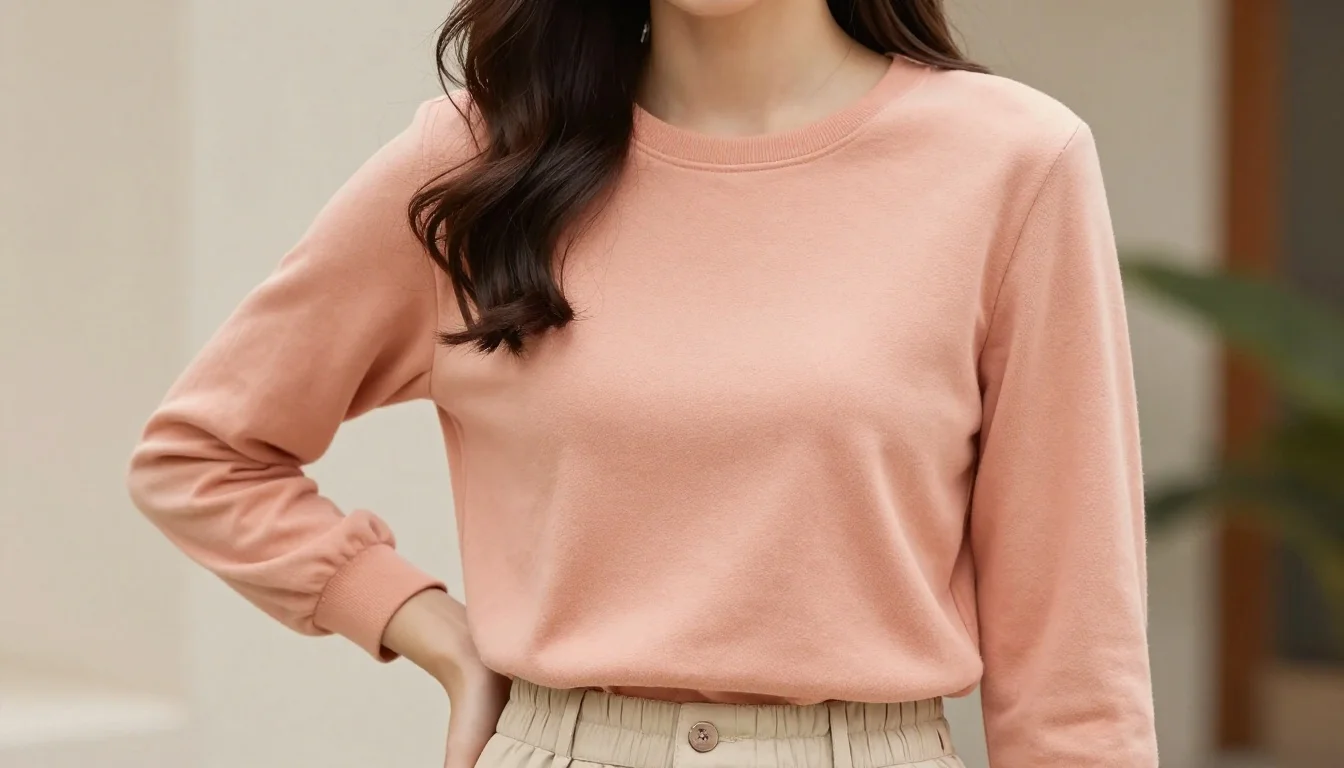
Coral and warm peach are among the most approachable colors in the spectrum. They carry the warmth and energy of orange without its intensity, and they're unconsciously associated with warmth, positivity, and friendliness. Coral in particular reads as both confident and inviting — it's not a color you wear when you want to disappear, but it's also not a color that creates distance. Terracotta and muted apricot offer more grounded, earthy versions of the same signal.
Medium and Sky Blue
Medium blue tones project calm, trustworthiness, and openness — the social version of approachability. Unlike deep navy (which signals authority and can create hierarchy), sky blue and cornflower blue are the colors associated with clear skies, calm water, and ease. They're non-threatening and inviting. Periwinkle adds a touch of warmth to blue's calm, making it one of the most universally perceived 'friendly' colors.
Warm Yellow and Soft Gold
Yellow is the most psychologically activating warm color, associated with optimism, energy, and friendliness. Soft, warm yellows and buttery golds project cheerfulness and openness without the intensity of bright yellow. These are the colors of someone who wants to be seen as positive and inviting. Studies show yellow is one of the first colors that draws the eye — wearing warm yellow makes you visually accessible and socially inviting simultaneously.
Dusty Pink and Warm Rose
Dusty pink and warm rose tones carry strong approachability signals — they're soft, warm, non-threatening, and psychologically associated with kindness and openness. Unlike bright or cold pinks, dusty and warm rose tones have a mature, grounded warmth that reads as genuinely inviting rather than merely decorative. These colors are particularly effective for roles where empathy and connection are important.

Not sure yet? See it on your face
Start my color analysisHow to Use Approachable Colors in Real Contexts
Networking and social events
Warm coral, soft blue, and dusty rose are the most effective colors for networking events where you want people to approach you first. These colors are visually inviting from a distance — they signal 'I'm open, I'm warm, you can talk to me.' A coral or warm peach blouse at a cocktail party will generate more conversations than a black one, even if the black is more elegant. The goal at a networking event is connection, not authority.
Professional contexts requiring warmth
Teachers, therapists, counselors, nurses, HR professionals, and customer-facing roles benefit enormously from approachable color choices. Medium blue, soft dusty rose, warm marigold, and coral all project warmth and openness while remaining professional. The goal is to appear competent and warm simultaneously — sky blue achieves this better than dark navy in these contexts.
First dates and casual social situations
Warm, medium-saturation colors send the right approachability signal on first dates and casual social occasions. Soft coral, warm rose, periwinkle, and warm butter yellow all project openness and positive energy without being either severe (black) or trying too hard (bright red). You want colors that say 'I'm here, I'm engaged, I'm easy to be around.'
Layering approachable with authoritative
You don't have to choose entirely between approachability and authority. Layer them: deep navy blazer (authority) over a soft periwinkle or warm peach shirt (approachability). The dark outer layer maintains professional credibility; the warm inner color softens the overall impression. This is the power-and-warmth combination that effective leaders often use intuitively.
Colors That Signal Closed or Unapproachable
Head-to-toe black
While black projects authority and sophistication, an all-black outfit creates the highest possible contrast barrier between you and others, which psychologically reads as closed and guarded. Black as a statement piece is fine; black head-to-toe in a context where approachability matters creates subtle distance. Soften with a warm-colored accessory or layer.
Very dark, saturated colors worn together
Deep navy, dark charcoal, and forest green are powerful and authoritative — but all three together create an imposing, closed visual impression. Approachability comes from some visual lightness or warmth. A dark base with a warm accent is far more approachable than all-dark.
Cold, icy blues and stark white
Very cold, clinical colors — icy blue, stark white, cool silver — read as distant and professional rather than warm and inviting. These are the colors of efficiency, not warmth. In contexts where connection matters, temper cool colors with warmer neutrals or accessories.
Aggressive or very intense colors
Very bright, intense colors — neon green, harsh yellow, fire engine red — attract attention but can feel aggressive or over-energized, which triggers caution rather than openness. Approachable colors invite; they don't demand.
Stop guessing — discover your exact palette
See myself in my colorsSwaps That Open Your Color Signal
Trading colors that close you off for colors that invite connection.
Black creates visual distance. Coral and peach are unconsciously associated with warmth and friendliness — people are more likely to approach you first when you're wearing them.
Navy projects authority; sky blue projects trustworthiness and approachability. For roles where clients need to feel comfortable, medium blue builds rapport faster.
Dusty rose and warm mauve signal warmth and openness — colors that invite rather than deflect. You'll generate more organic conversation in these tones at social events.
Warm neutrals and soft yellows have the approachability signal that grey lacks. They're still practical and easy to wear — just warmer in both temperature and psychological signal.
Stark white is clinical and a little cold. Warm cream softens it with approachability; cornflower blue adds warmth and openness while remaining professional.
You keep the dark base (practical, stylish) but the warm accent color near your face shifts the whole impression from closed to open. One warm piece changes the entire signal.
Which Seasonal Palettes Naturally Project Approachability
Approachability colors span all seasonal palettes, but the specific shades that feel genuinely warm and inviting vary significantly by your undertone. Wearing your natural palette colors in their medium, warm range gives you the most approachable impression.
Warm Spring
Learn moreWarm springs have natural access to the most approachable color family: warm, bright, inviting shades of peach, coral, warm yellow, and clear medium blue. These are your optimal colors — they're both flattering and psychologically warm. Your seasonal palette is inherently approachable.
Soft Autumn
Learn moreSoft autumns project approachability through warm, muted, earthy tones: dusty rose, soft terracotta, warm sage, and muted peach. Your palette's softness and warmth is inherently inviting — you naturally gravitate toward the earthy warmth that reads as grounded and open.
Light Summer
Learn moreLight summers project approachability through cool-soft colors that still carry warmth: blush rose, soft lavender-pink, powder blue, and gentle mauve. Your palette's lightness and softness signals approachability through gentleness rather than warmth — equally effective, slightly more refined.
Find Your Most Approachable Colors
The most effective approachability colors are the ones that feel genuinely warm and comfortable to you — because when you're at ease with what you're wearing, that ease reads as openness. A personalized color analysis finds the specific shades within each approachable color family that also flatter your natural coloring, so you're projecting warmth with colors that genuinely suit you rather than fighting your complexion.
Stop guessing — preview every color on you
Preview Yourself In Your Palette
Get my personalized analysisStop guessing — preview every color on you
Preview Yourself In Your Palette

Related Guides for Colors That Make You Look Approachable
Explore more personalized color advice based on your features.
Want to see these colors on you? What Colors Look Good on Me — free to try.
Frequently Asked Questions About Colors That Make You Look Approachable
What is the most approachable color to wear?
Warm coral, soft medium blue, and dusty rose consistently rate as the most approachable colors in psychology research. Coral and peach carry warmth signals; medium blue carries trust and calm signals; dusty rose carries kindness and openness signals. All three invite rather than repel engagement.
Does black make you look unapproachable?
All-black can create visual distance because it projects authority and creates a closed, high-contrast barrier. A black base with warm accent colors is far more approachable than pure black head-to-toe. Black itself isn't unapproachable — the absence of any warm signal is what creates the closed impression.
What colors should a teacher or counselor wear to seem approachable?
Medium blue, warm peach, soft coral, dusty rose, and warm marigold are all excellent choices for roles requiring warmth and psychological safety. These colors signal 'I'm here and you can talk to me' — the exact message teachers, therapists, and counselors want to send.
Can you be both authoritative and approachable with color?
Yes — the combination of a dark authoritative outer layer (navy blazer, charcoal jacket) with a warm, approachable inner color (soft blue shirt, warm peach blouse) achieves both simultaneously. The structure conveys authority; the warmth conveys openness.
Do warm or cool colors project more approachability?
Warm colors generally project more immediate approachability because warmth is associated with safety and friendliness. However, medium-tone cool colors like sky blue and periwinkle also project strong approachability through their calm, trustworthy associations. Very cold colors (icy blue, stark grey) project less approachability than either warm colors or medium cool colors.